


Feeding Your British Shorthair Kitten: Nutrition Advice From Experienced Breeders
From: Catking Cattery
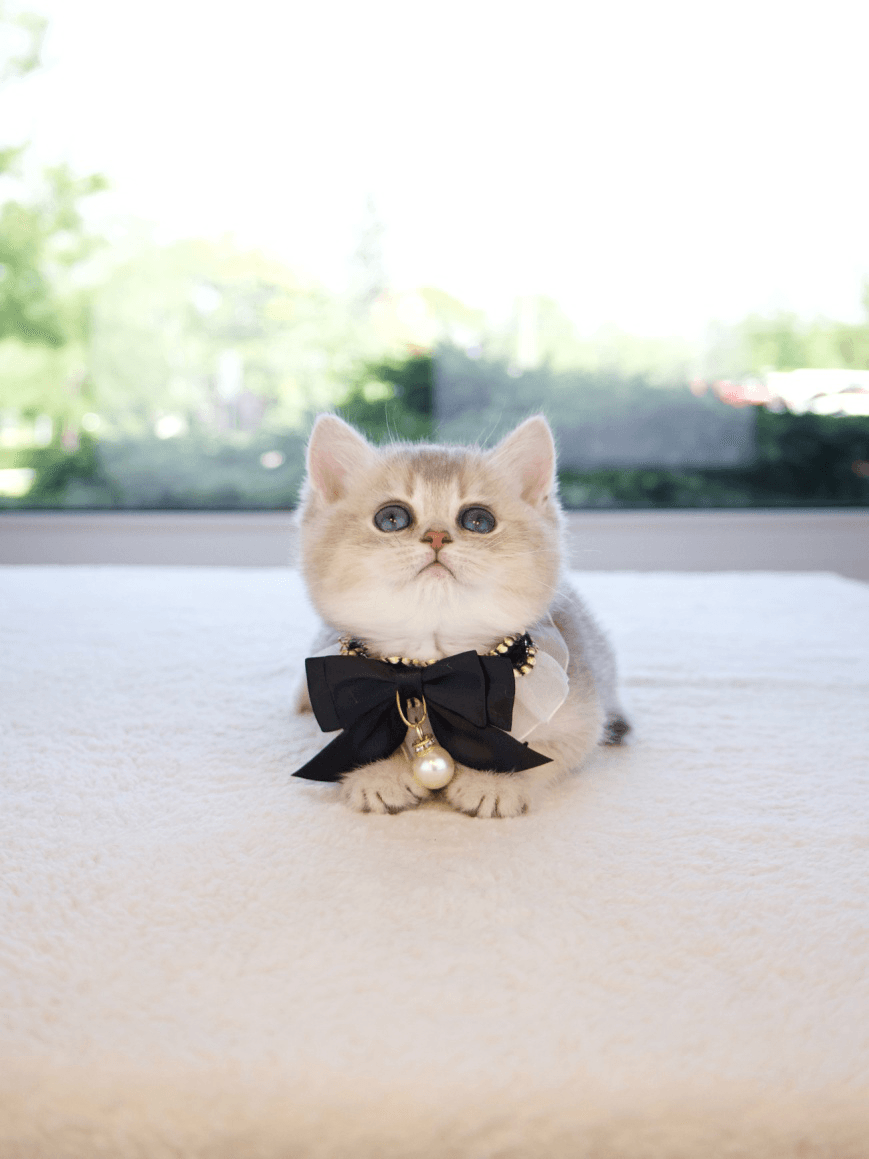
Many new kitten owners underestimate how important early nutrition is for long term health. Growth, bone strength, coat quality, and even behaviour are influenced by diet in the first year.
Proper nutrition during kittenhood supports healthy immune development and reduces the risk of obesity later in life. For families planning to buy British Shorthair kittens, understanding the right British Shorthair diet is essential.
This breed grows slowly and steadily, so feeding choices must match that pattern. Experienced breeders often say one thing clearly. Good nutrition during kittenhood shapes the adult cat more than any other factor.
Understanding the British Shorthair Growth Pattern
British Shorthairs are medium to large cats with dense muscle and bone structure. Unlike some breeds that mature quickly, they continue developing for up to three years. This means their British Shorthair diet must support long term growth, not just rapid kitten weight gain.
Kittens need more protein, fat, and calories per kilogram of body weight compared to adult cats. Responsible licensed cat breeders adjust feeding plans based on age and activity level.
What a Healthy Kitten Diet Should Include
A proper diet for British Shorthair kittens should be balanced and complete. It should meet AAFCO or FEDIAF nutritional standards. Key nutrients include:
- High quality animal protein for muscle development
- DHA for brain and vision support
- Calcium and phosphorus for bone growth
- Omega fatty acids for coat health
- Controlled carbohydrates for steady energy
Avoid low quality fillers. These do not support proper growth. Many reputable cat breeders recommend sticking to premium commercial kitten food instead of homemade diets unless guided by a veterinarian.
Wet Food vs Dry Food
Both wet and dry food can be part of a healthy British Shorthair diet. Wet food benefits:
- Higher moisture content
- Easier digestion
- Supports urinary health
Dry food benefits:
- Helps dental health through chewing
- Easier portion control
- Convenient for feeding schedules
Many British Shorthair cat breeders suggest a mixed feeding approach. This provides balance and variety.
Portion Sizes for British Shorthair Kittens
Portion control is very important for this breed. British Shorthairs can gain weight easily if overfed. General feeding guidelines:
- 2 to 3 months: 4 small meals per day
- 4 to 6 months: 3 meals per day
- 6 to 12 months: 2 to 3 meals per day
Portions depend on calorie density of the food. Always follow packaging guidelines and adjust based on growth. When families buy British Shorthair cats, breeders often provide a feeding chart based on the kitten’s current weight.
A best cattery in New York and Pennsylvania typically continues monitoring weight before kittens leave for new homes.
U.S. Pet Food Brands Recommended by Breeders (New York & Pennsylvania)
In the United States, especially in states like New York and Pennsylvania, experienced breeders often recommend high-quality kitten food brands that support healthy growth and align with a balanced British Shorthair diet. These formulas are widely available across the U.S. and are commonly used by reputable cat breeders for consistent nutrition.
Commonly recommended options include:
- Royal Canin Kitten – Vet-formulated nutrition with balanced protein, DHA, and minerals for steady growth
- Hill’s Science Diet Kitten – Backed by veterinary research, supports immune system development and digestion
- Purina Pro Plan Kitten (Chicken & Rice Formula) – High protein content with added DHA for brain and vision support
- Blue Buffalo Healthy Growth Kitten – Natural ingredients with added antioxidants and omega fatty acids for coat health
These brands are widely used by cat breeders across the U.S. due to their consistency, safety standards, and availability in veterinary clinics and pet stores. A best cattery in New York and Pennsylvania often uses similar diets during early development to maintain stable growth patterns.
Feeding Mistakes to Avoid
Even good food can cause issues if used incorrectly. Common mistakes include:
- Free feeding without portion control
- Sudden food changes
- Feeding adult cat food too early
- Overuse of treats
These mistakes can lead to digestive issues or weight gain. Experienced licensed cat breeders recommend gradual food transitions over 5 to 7 days.
Hydration Matters Too
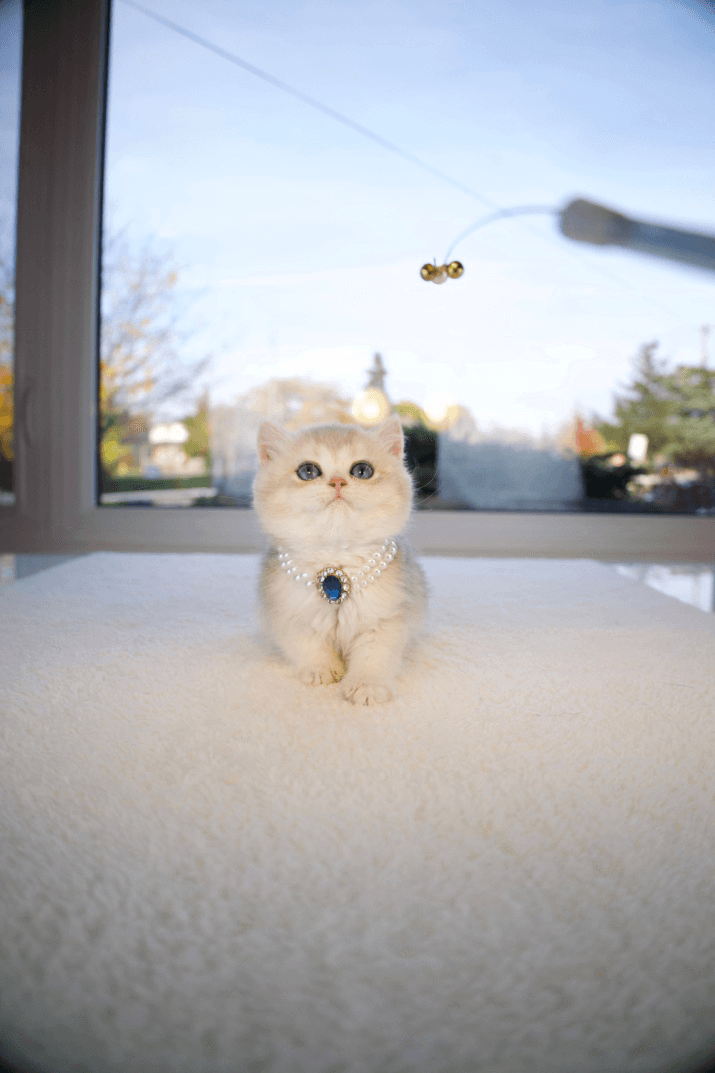
Water intake is often ignored. British Shorthairs should always have access to fresh water. Some kittens prefer running water, so a pet fountain can help increase intake. Proper hydration supports kidney health and digestion.
Transitioning to Adult Food
By around 12 months, most British Shorthair kittens can slowly transition to adult food. However, British Shorthairs may continue benefiting from kitten formula slightly longer due to their slower growth rate. This transition should be gradual and monitored. Many reputable cat breeders guide owners through this process before kittens leave the breeder’s home.
Treats, Supplements, and Healthy Weight Management
Treats should be limited in a proper British Shorthair diet, especially during kittenhood. Too many treats can lead to excess weight gain, which is common in this breed. Veterinarians suggest keeping treats under 10 percent of daily calories. Healthy options include freeze-dried meat or kitten-safe training treats.
Supplements are usually not needed if a complete kitten food is used, but omega-3 supplements may support coat health when recommended by a vet. When families buy British Shorthair kittens in New York from experienced cat breeders, they often receive guidance on maintaining healthy weight through portion control and structured feeding habits.
Find Healthy British Shorthair Kittens at CatKing Cattery
CatKing Cattery raises kittens on carefully planned diets designed for steady growth and strong health. As trusted British Shorthair cat breeders, we guide every owner on proper nutrition before they buy British Shorthair cats. ContactCatKing Cattery today to learn more about available kittens from a best cattery in New York and Pennsylvania.
2026-04-26