



How Responsible Catteries Prevent Behavioral Issues Before They Start
From: Catking Cattery
Behavioral problems in cats, like inappropriate litter use, destructive scratching, or anxiety, are not inevitable. Many of these issues can be prevented with careful early-life management.
Responsible catteries for behavioral issues prevention understand that the first weeks of a kitten’s life are critical for shaping habits, routines, and comfort levels. By prioritizing early socialization, consistent routines, and proper enrichment, they set kittens up for lifelong well-being.
For prospective owners, understanding how these strategies work helps explain why reputable breeders and adoption programs often produce calmer, more adaptable, and better-behaved cats. This blog explores how early intervention ensures kittens develop confidence, independence, and healthy coping mechanisms that benefit both the pet and owner in the long term.
Early Litter Box Training
Litter habits are among the first behavioral patterns kittens develop. Research shows that kittens learn urination and defecation behaviors by observing their mother, usually within the first three to four weeks of life.
Responsible catteries place kittens in litter-friendly environments from an early age, ensuring multiple clean litter boxes are available and that kittens are gently guided toward them. This early exposure reduces the risk of litter aversion later in life. Additionally, kittens are introduced to various litter textures, teaching them flexibility and comfort that can prevent stress or accidents when moved to a new home.
Scratching Behavior Management
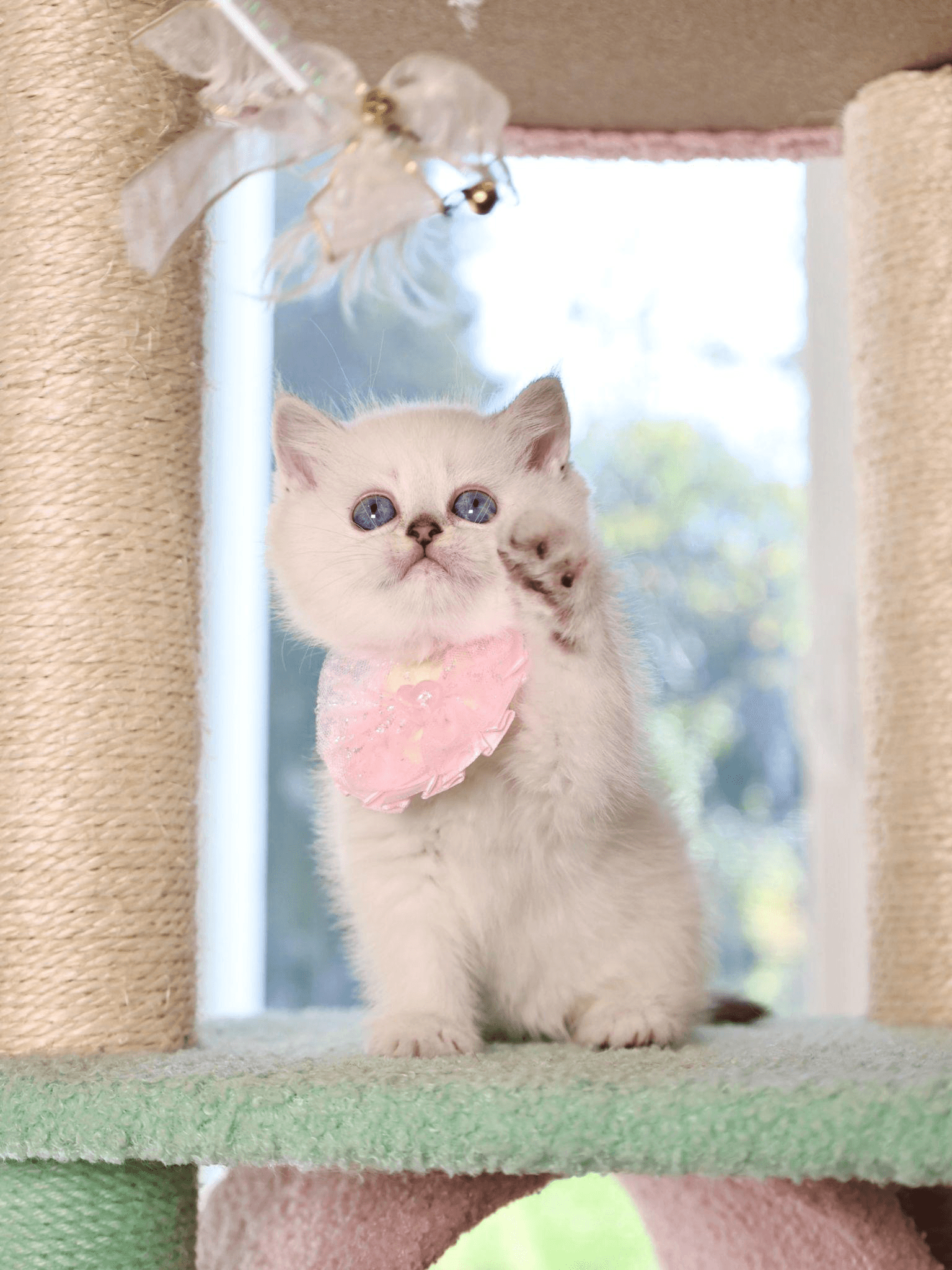
Scratching is a natural feline behavior, used for claw maintenance, stretching, and scent marking. When untrained, it can lead to damage in the home. Responsible breeders prevent future issues by introducing appropriate scratching surfaces early on, such as sisal posts or horizontal scratching pads. Research shows that kittens exposed to a variety of textures and surfaces tend to continue using these outlets into adulthood.
Catteries often guide kittens to scratch only designated areas while providing positive reinforcement. Early exposure also helps kittens understand social boundaries when sharing space with other cats, reducing aggression or territorial disputes later. This practice forms a critical foundation for peaceful multi-cat households.
Routine Exposure and Socialization
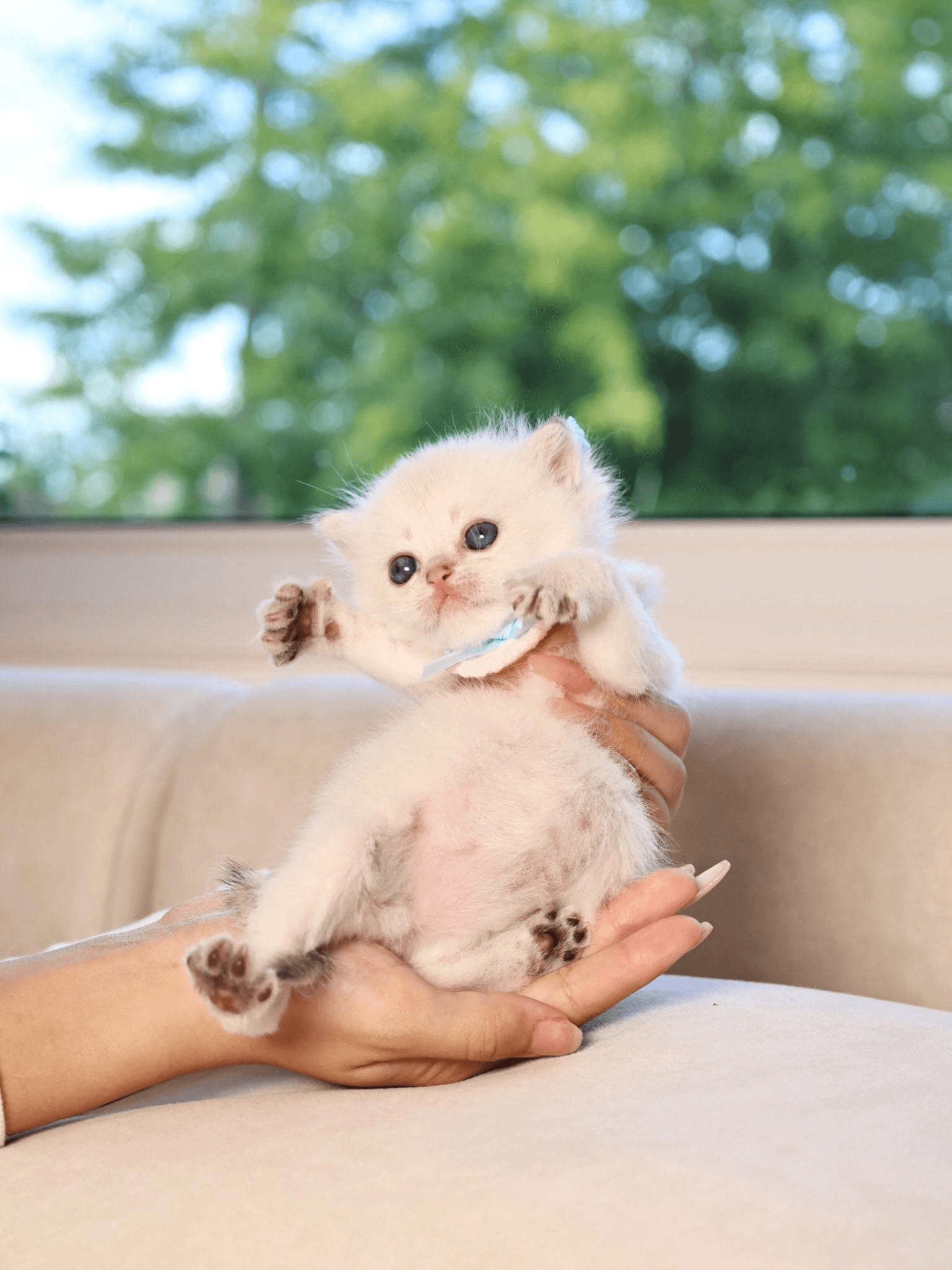
Behavioral problems often stem from anxiety or unfamiliarity with normal household stimuli. Kittens are highly receptive to new experiences between two and nine weeks of age, a period known as the socialization window. Exposure to different sights, sounds, people, and gentle handling during this stage reduces fear responses later in life.
Responsible catteries gradually introduce kittens to household noises, gentle handling by multiple people, and safe interactions with other pets. They maintain structured feeding, play, and rest routines, helping kittens understand and anticipate daily rhythms. This early habituation improves confidence, preventing behaviors like hiding, hissing, or inappropriate elimination when kittens encounter new environments, guests, or other pets in their future homes.
The Role of Enrichment
Beyond litter and scratching, environmental enrichment is a cornerstone of behavioral prevention. Kittens benefit from toys, climbing structures, and safe exploration areas. Interactive play develops hunting skills and provides mental stimulation, reducing boredom-induced behaviors.
Studies indicate that kittens raised with regular enrichment are more resilient to stress, more confident, and less likely to display aggression or destructive behaviors. Responsible breeders often rotate toys, provide climbing platforms, and simulate natural feline challenges in controlled ways.
Early enrichment also promotes curiosity and problem-solving skills, helping kittens transition smoothly into home environments where they encounter new stimuli daily.
Benefits for Apartment and Home Owners
For apartment dwellers or busy professionals, kittens raised with structured routines and proper enrichment are ideal. They are independent yet sociable, reducing the likelihood of separation anxiety or disruptive behaviors. Early exposure to litter habits, scratching surfaces, and household stimuli ensures that these cats can thrive in smaller or urban spaces.
In multi-pet homes, early socialization reduces territorial disputes and facilitates peaceful cohabitation. Kittens accustomed to interacting gently with littermates, other pets, and humans during their formative weeks are more likely to respond calmly to household changes and adapt to new family members without stress.
Long-Term Owner Benefits
By purchasing from responsible catteries for behavioral issues prevention, owners gain kittens that are not only physically healthy but also mentally balanced. Reduced behavioral problems mean fewer vet visits for stress-related issues, less damage to household items, and a smoother integration into the home.
Guidance from breeders and adoption centers on ongoing enrichment, scratching alternatives, and litter habits helps owners maintain the positive behaviors initiated in the cattery. These early foundations result in confident, calm adult cats that are more predictable, easier to train, and a pleasure to live with.
When behavioral issues are prevented at the source through early litterbox guidance, enrichment, and socialization, cats grow into confident, well-adjusted companions. That’s exactly the kind of foundation responsible catteries strive for, and it’s the standard upheld by CatKing Cattery.
As one of the best cat breeders in Canada, we prioritize not only the physical health of each kitten but also temperament and early life experiences that reduce the risk of future behavioral challenges.
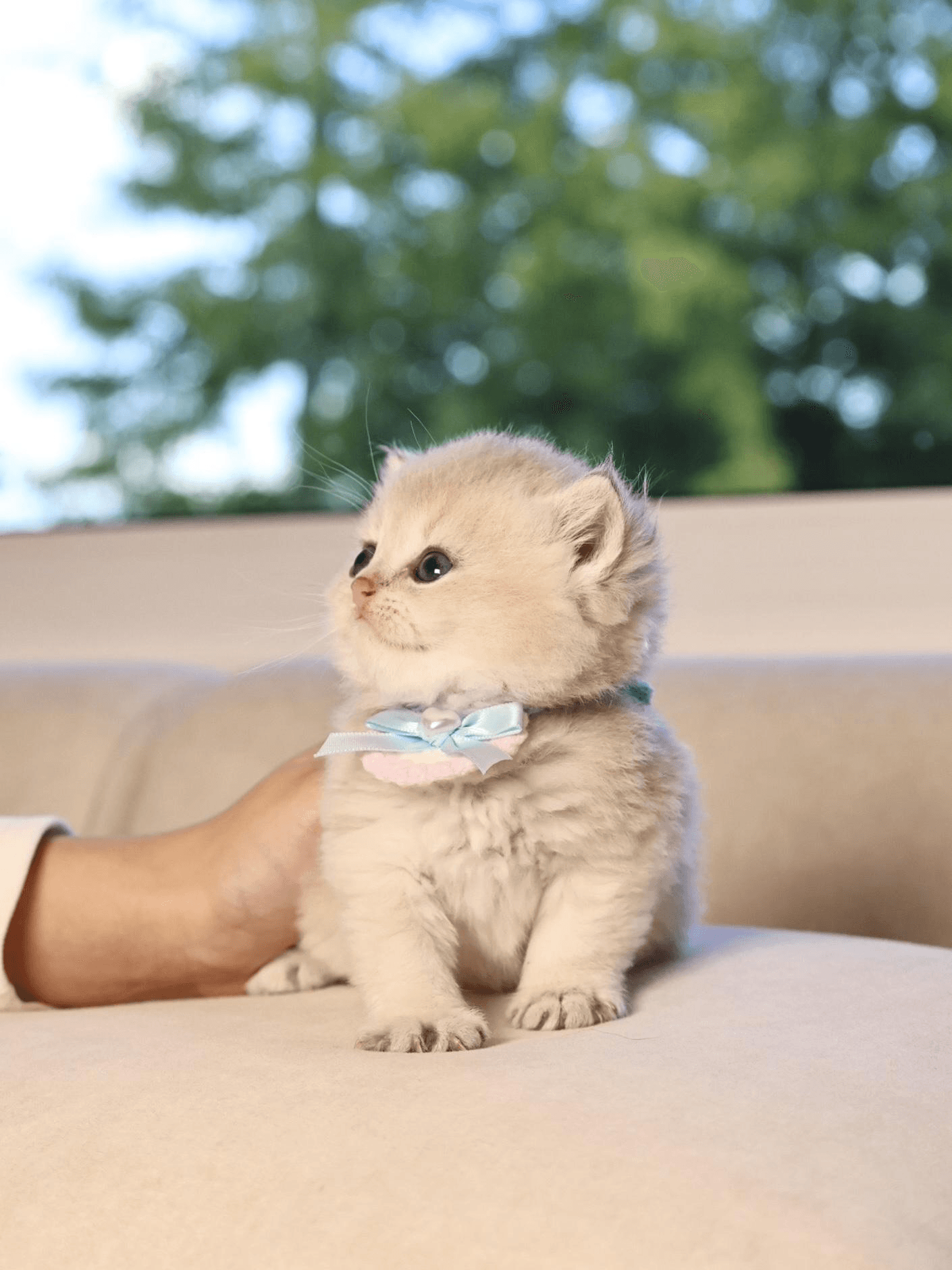
Our British Shorthair and British Longhair kittens undergo thorough health screenings and socialization in nurturing environments designed to mimic real home settings, which helps them develop calm, adaptable personalities before they ever leave for their forever homes.
Contact us today to learn more about our available kittens and start your journey toward a harmonious, happy home full of confident, well‑behaved feline companions.
2026-03-30