



The Journey of a Kitten: From Cattery to Your Home
From: Catking Cattery
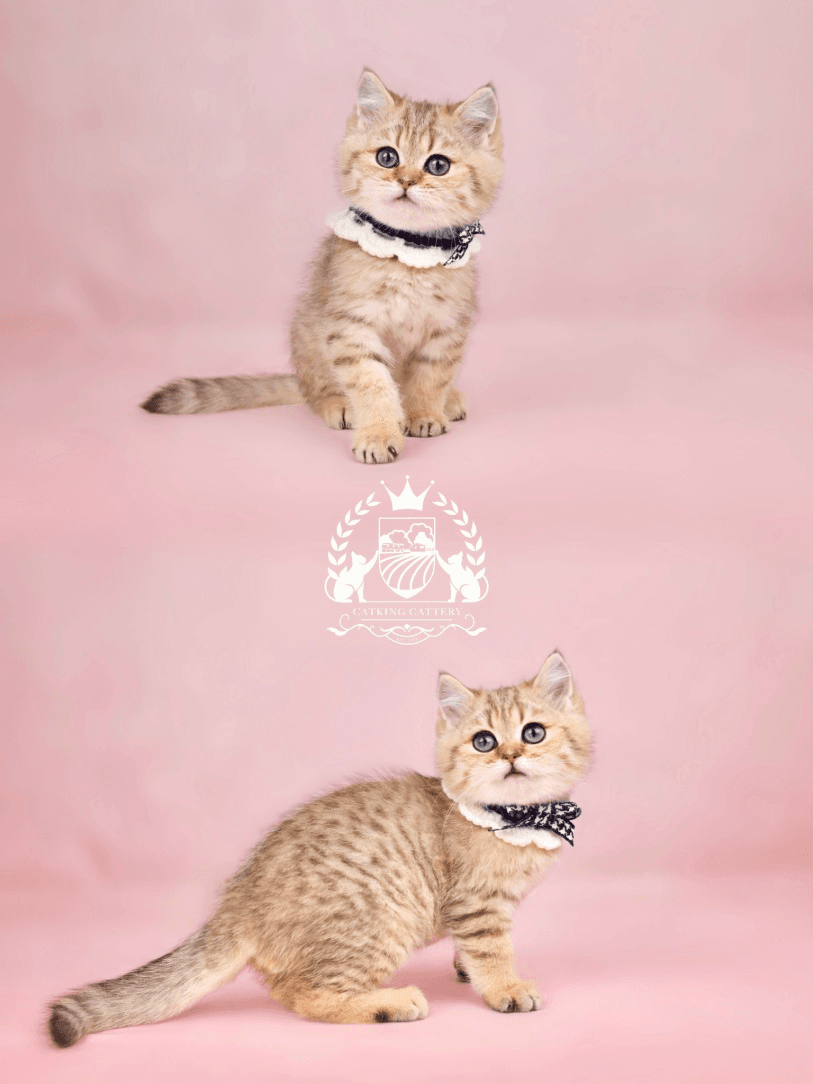
Bringing a kitten home is exciting, but many families do not see what happens before that moment. Behind every healthy kitten is a structured care process that starts long before adoption.
Early life care, including vaccinations and proper socialization, plays a major role in long term feline health and behaviour. For families looking at British Shorthair kittens or British Longhair kittens, understanding the journey of a kitten from birth to adoption helps set realistic expectations and builds confidence in choosing the right breeder. Let’s break down what happens inside a professional top cattery before a kitten arrives at your home.
Stage 1: Birth and Early Care (0–2 Weeks)
The journey of a kitten begins in a quiet, controlled environment inside a professional cattery. During this stage:
- Kittens remain with their mother full time
- Feeding occurs every 2–3 hours
- Temperature is carefully controlled
- Human contact is limited to essential checks
A responsible licensed cat breeders setup ensures both mother and kittens remain stress free. At this point, kittens are fully dependent and grow rapidly in weight and strength.
Stage 2: Early Development (2–4 Weeks)
Eyes and ears begin to open. Kittens start reacting to sound and movement. Key developments include:
- First attempts to stand and walk
- Early recognition of litter box area
- Increased interaction with littermates
In a professional cattery, gentle handling begins during this stage. This helps kittens adjust to human touch later in life. Experienced cat breeders monitor health daily to ensure steady growth.
Stage 3: Socialization Period (4–8 Weeks)
This is one of the most important phases in the journey of a kitten. Kittens start learning social behaviour. They play, explore nearby spaces, and interact more with humans. Activities during this stage include:
- Introduction to toys and scratching posts
- Short handling sessions by breeders
- Exposure to normal household sounds
Responsible cat breeders raise both British Shorthair kittens and British Longhair kittens in structured environments that support confidence building.
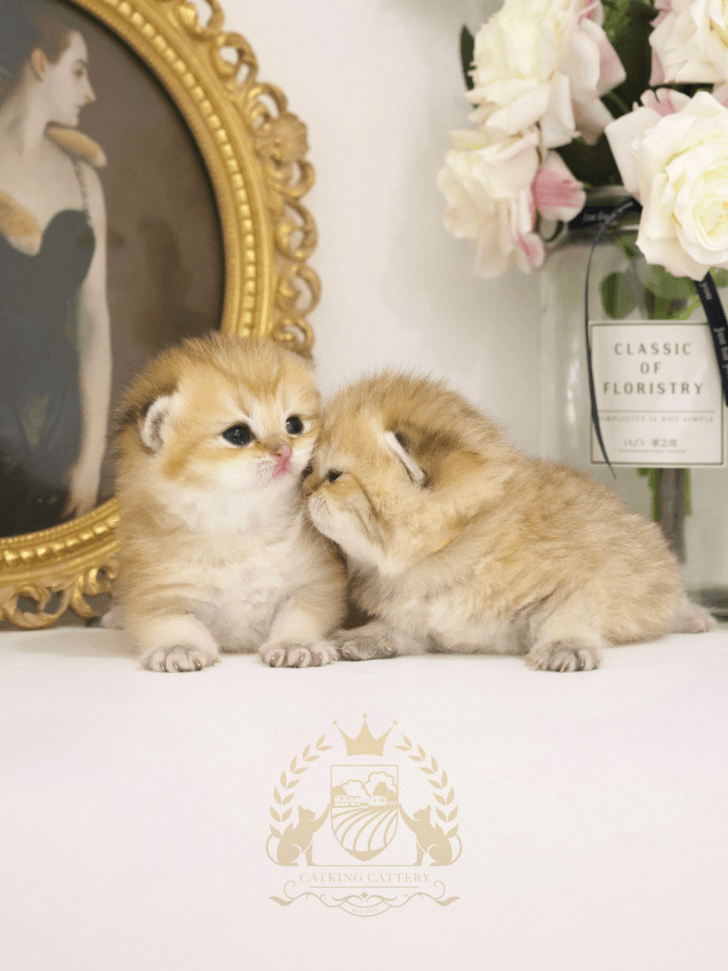
Stage 4: Health Care and Vaccinations (6–10 Weeks)
Vaccinations begin during this stage. Typical care includes:
- First core vaccine (FVRCP)
- Deworming treatments
- Parasite prevention
- Veterinary health checks
A reputable cattery in Pennsylvania works closely with veterinarians to maintain accurate health records. This stage is essential for ensuring kittens are healthy before moving to their new families. Many licensed cat breeders also microchip kittens for identification and safety.
Stage 5: Transition to Independence (8–12 Weeks)
Kittens start eating solid food fully and become more independent. Changes include:
- Reduced dependence on the mother
- Strong litter box habits
- Increased curiosity and play behaviour
At this stage, breeders begin preparing kittens for adoption. Families searching for British Shorthair kittens or British Longhair kittens often choose kittens only after this stage is completed. Responsible reputable cat breeders ensure kittens are confident, social, and healthy before leaving.
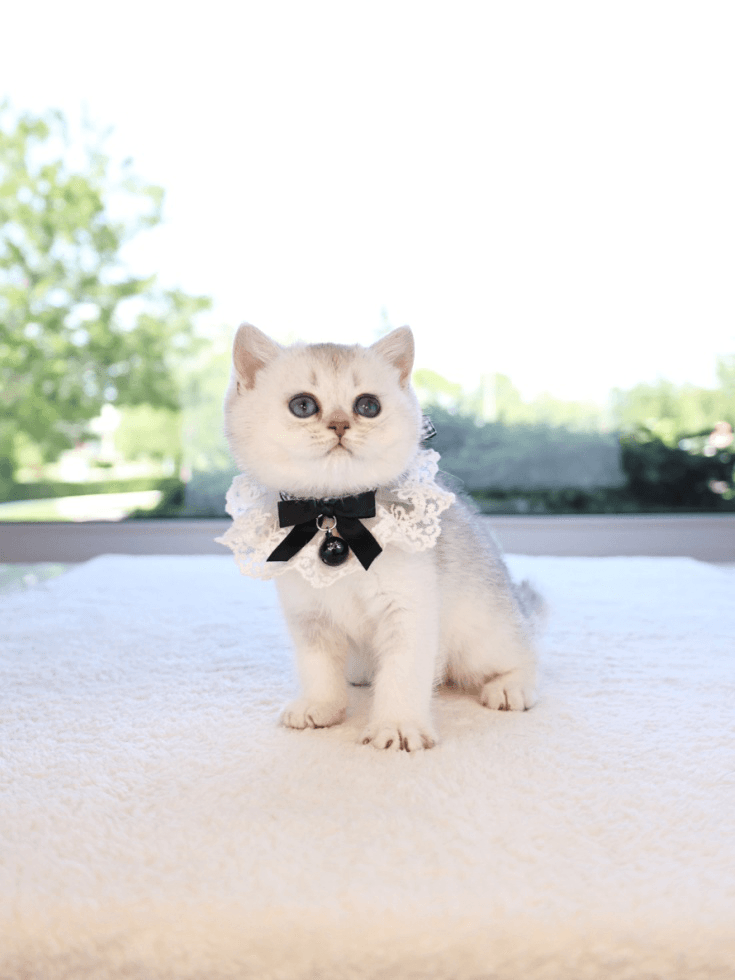
Stage 6: Preparing for New Homes (10–14 Weeks)
The final stage of the journey of a kitten involves transition preparation. Breeders focus on:
- Final health checkups
- Vaccination updates
- Grooming exposure
- Travel carrier training
Kittens are gradually introduced to carriers to reduce stress during travel. A structured environment ensures kittens are ready for new homes without fear or anxiety. Many cat breeders provide feeding charts and behaviour notes for new owners.
Stage 7: Arrival at Your Home
Once the kitten leaves the cattery, the environment changes completely. To support smooth adjustment, breeders recommend:
- Keeping the first room quiet
- Maintaining original feeding routines
- Providing a safe resting space
- Limiting visitors during the first few days
The first week is an adjustment period. Gradual exposure to new rooms and sounds helps kittens settle. Families who work with a best cattery in Pennsylvania often receive detailed transition guidance.
Supporting Long Term Health and Behaviour
The early journey of a kitten shapes adult behaviour. Kittens raised in structured environments are more likely to:
- Adjust easily to new homes
- Respond well to handling
- Maintain stable behaviour
- Build strong human bonds
Whether families choose British Shorthair kittens or British Longhair kittens, early care makes a lasting difference. Responsible licensed cat breeders continue to support new owners even after adoption.
What New Owners Receive From a Responsible Cattery
When families receive a kitten from a professional cattery, they are given more than just a pet. They receive full support to ensure a smooth transition and healthy start at home. Responsible reputable cat breeders provide detailed care information so owners can continue proper routines. New owners typically receive:
- Vaccination and deworming records
- Feeding schedule based on kitten age
- Grooming instructions for coat care
- Health certificate from a veterinarian
- Behaviour notes from the cattery
- Transition guidance for the first week
This support helps ensure the journey of a kitten continues smoothly after leaving the breeder’s care.
Find Healthy Kittens at CatKing Cattery
CatKing Cattery raises healthy kittens through a structured care system focused on early socialization, veterinary care, and proper development. As a trusted source for British Shorthair and Longhair kittens in Pennsylvania, we ensure every kitten is fully prepared before leaving our care.
If you are ready to learn more about the journey of a kitten, contact CatKing Cattery today and connect with one of the trusted licensed cat breeders serving families in New York and Pennsylvania.
2026-05-02