The Science of Cat Play: Activities That Stimulate British Cats Mentally and Physically
From: Catking Cattery
Play is an essential part of feline health and development. It supports physical fitness, sharpens natural instincts, and helps cats maintain emotional balance. For breeds such as the British Shorthair and British Longhair, playtime is especially important because their calm personalities often lead owners to underestimate their need for mental stimulation.
Although the British Shorthair is known for its relaxed demeanor and the British Longhair for its gentle and affectionate nature, both breeds benefit greatly from structured play activities. Understanding the science behind feline play can help owners provide enriching experiences that support both the mental and physical well-being of their cats.
Why Play Matters for Cats
Play behavior in cats is closely tied to their natural hunting instincts. Even domesticated cats retain the behaviors that wild felines use to survive. Activities like stalking, chasing, and pouncing simulate the process of catching prey.
When cats engage in play, several important psychological and physical processes occur. Their brains release dopamine and other neurotransmitters associated with reward and pleasure. This stimulation reduces boredom and lowers the risk of behavioral problems such as aggression or destructive scratching.
For British cats that tend to enjoy relaxed lifestyles, regular play sessions help prevent weight gain and encourage healthy activity levels.
Understanding the Temperament of British Cats
The British Shorthair and British Longhair share many personality traits. Both breeds are generally calm, observant, and affectionate without being overly demanding.
Because they are not typically hyperactive cats, their play style is often slower and more deliberate. They enjoy activities that allow them to engage their natural curiosity rather than constant high-energy movement.
This means that the most effective play activities are those that combine mental stimulation with moderate physical effort. Short but meaningful play sessions are often more beneficial than long periods of intense activity.
Interactive Toys That Trigger Hunting Instincts
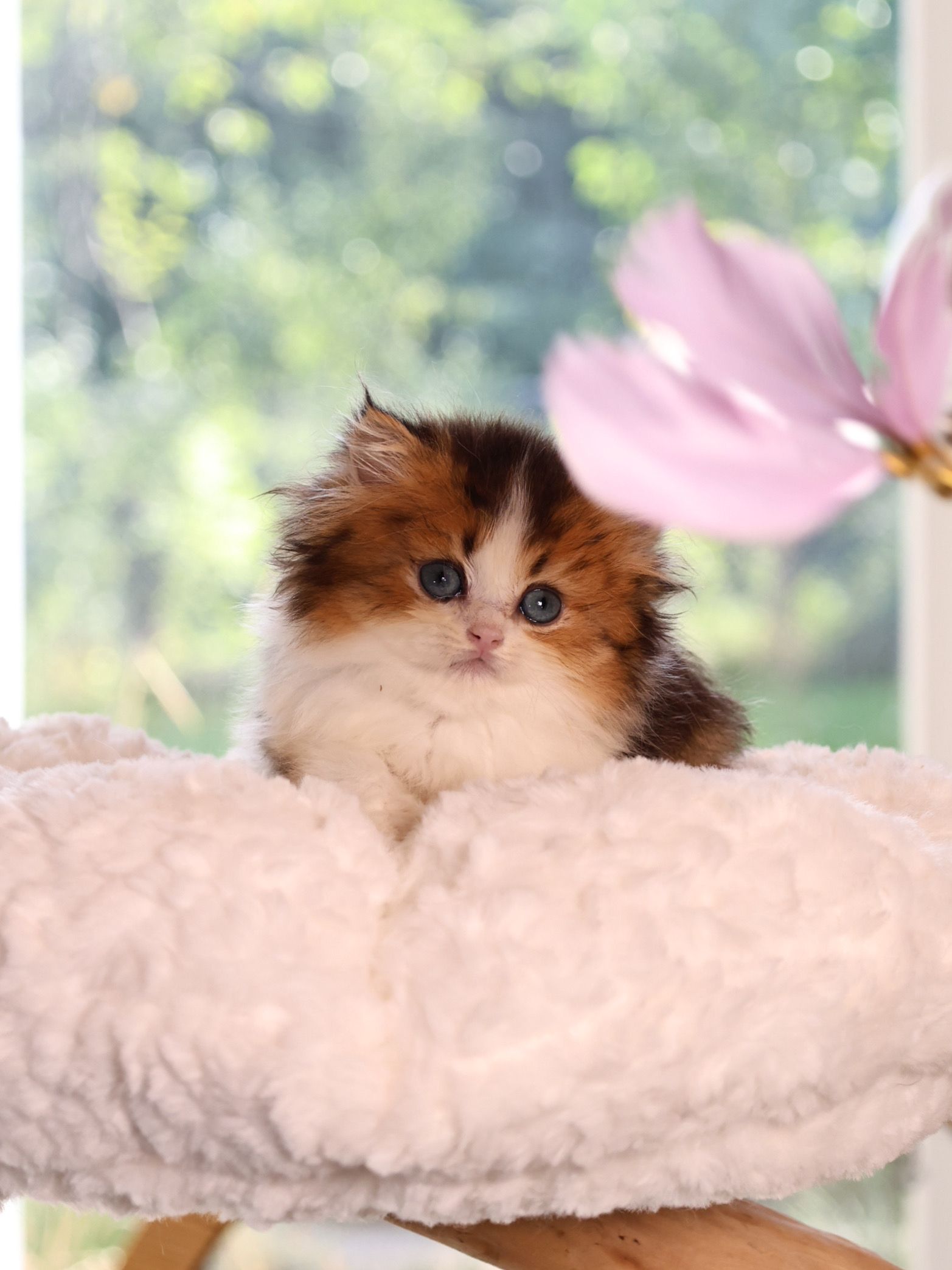
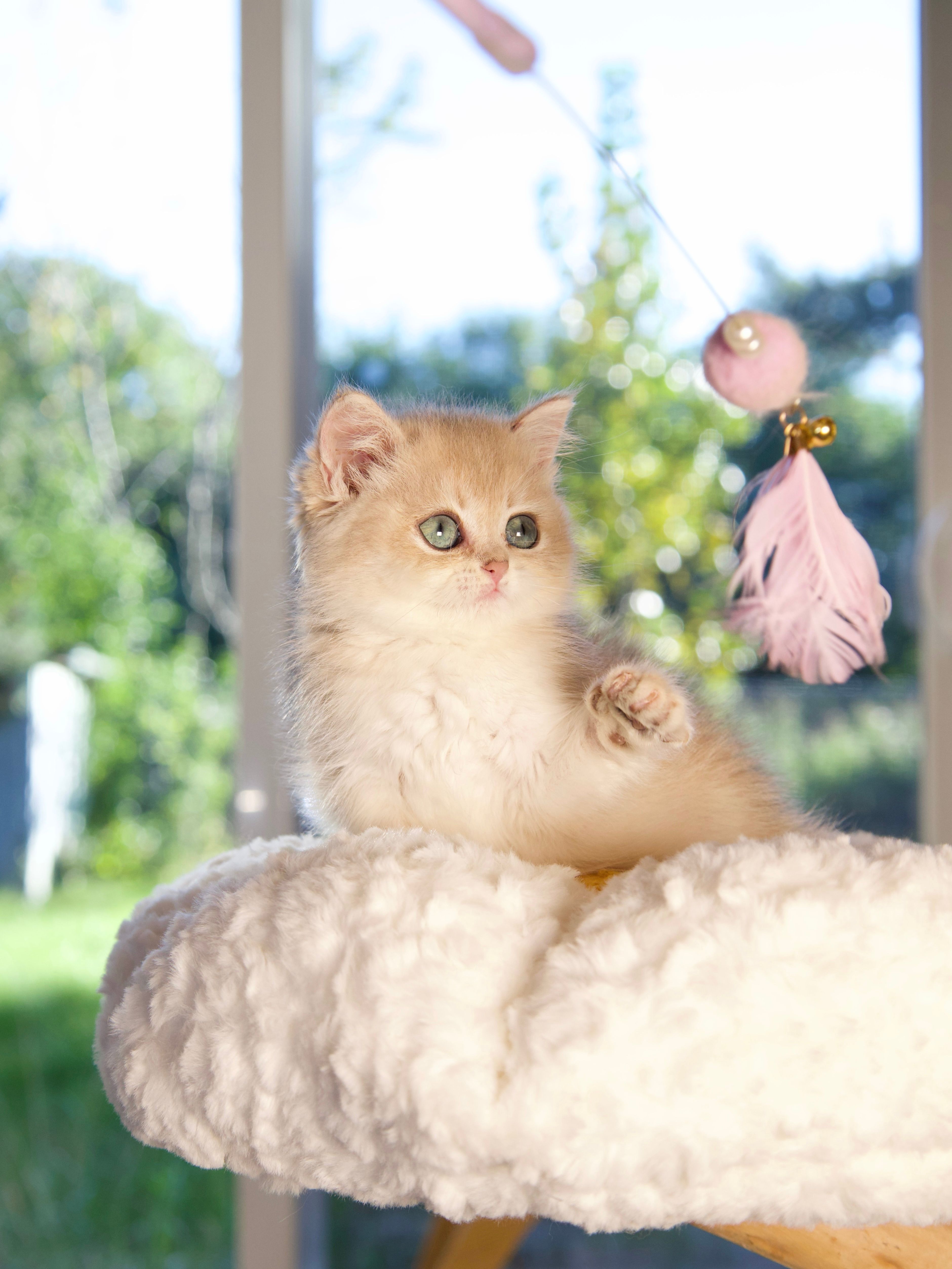
Interactive toys are among the most effective tools for stimulating cats. These toys mimic the unpredictable movement of prey and encourage cats to engage their natural hunting skills. Feather wands, moving strings, and toy mice are particularly effective because they imitate the motion of birds or small animals. When owners move these toys across the floor or through the air, cats instinctively begin stalking and chasing.
For a British Shorthair or British Longhair, this type of play stimulates both the brain and the body. It allows them to practice coordinated movements such as pouncing, jumping, and quick directional changes.
Puzzle Feeders and Mental Challenges
Mental stimulation is just as important as physical activity. Puzzle feeders and treat-dispensing toys challenge cats to solve problems in order to access food or rewards. These devices encourage cats to use their intelligence and persistence. The process of figuring out how to release the treats engages their cognitive abilities and keeps them mentally active.
For British cats that enjoy observing and thinking before acting, puzzle toys can be particularly satisfying. They provide entertainment while preventing boredom during times when owners may be busy.
Climbing and Observation Spaces
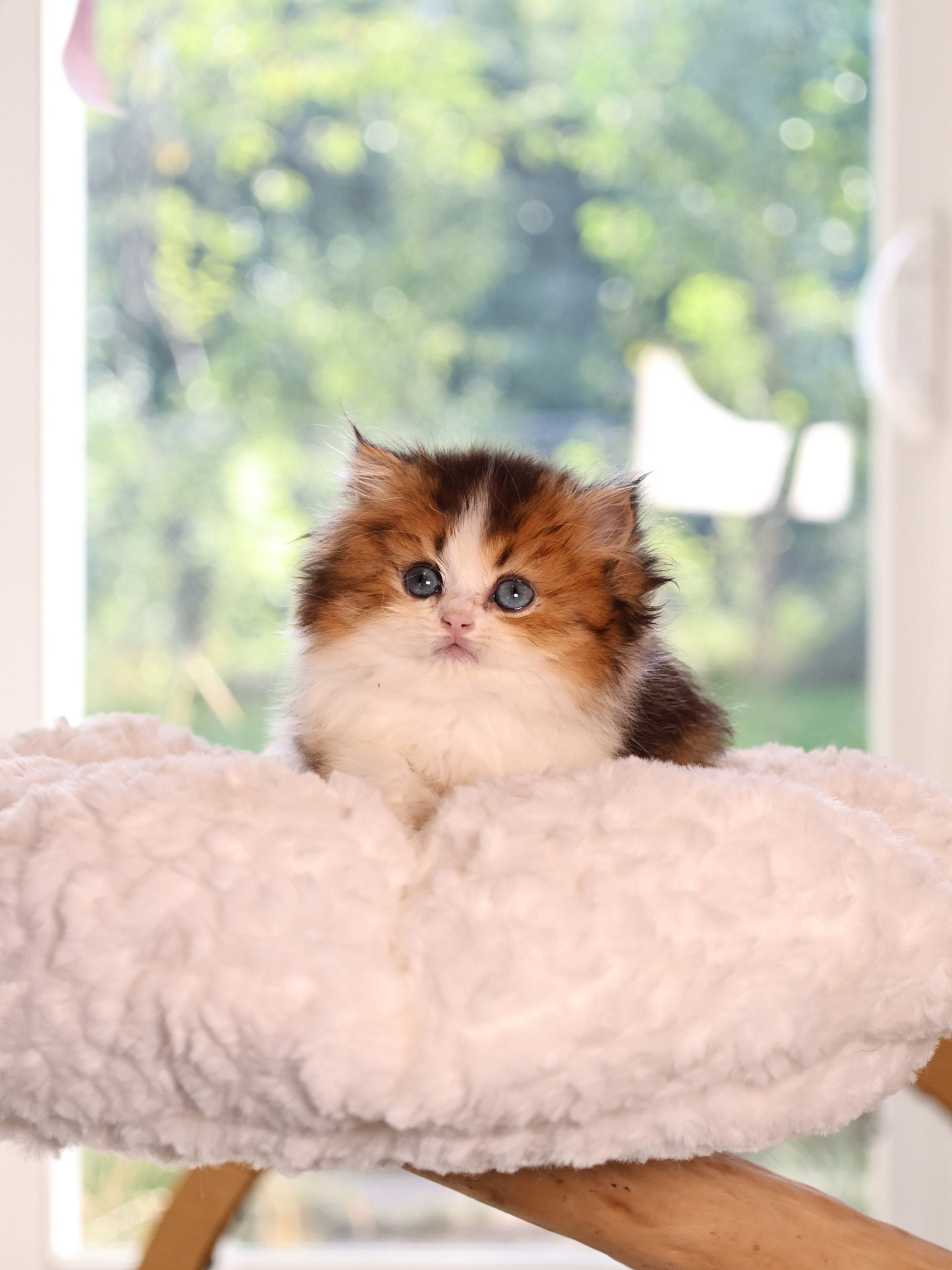
Cats naturally enjoy elevated positions where they can observe their surroundings. Providing vertical spaces such as cat trees, wall shelves, or window perches supports this instinct. Climbing activities strengthen muscles and improve balance. They also offer mental stimulation by allowing cats to monitor household activity from different vantage points.
British Shorthair cats are known for their sturdy bodies, so climbing structures should be stable and well built. British Longhair cats often enjoy lounging in high resting spots where they can relax while still observing the environment.
Short Play Sessions for Sustained Engagement
Unlike highly energetic breeds, British cats often prefer short play sessions spread throughout the day. A few sessions lasting five to ten minutes can provide enough stimulation without overwhelming them. This approach matches their natural rhythm of activity followed by rest. Short bursts of play mimic the way cats hunt in the wild, where intense effort is followed by relaxation.
Owners may notice that their British Shorthair or British Longhair becomes more enthusiastic about play when sessions are brief but frequent.
The Role of Variety in Cat Play
Cats can lose interest in toys if they are exposed to the same activity every day. Rotating toys and introducing new challenges helps maintain curiosity.
For example, one day might include feather wand play, while another focuses on puzzle feeders or laser pointer sessions. Changing the environment by moving toys or rearranging play spaces can also renew a cat’s interest. Variety ensures that both mental and physical stimulation remain consistent, which is particularly important for indoor cats.
Social Play and Human Interaction
Play also strengthens the bond between cats and their owners. Interactive games create shared experiences that reinforce trust and communication.
British cats often form strong attachments to their families even though they are not typically clingy. Participating in regular play sessions helps them associate their owners with positive and rewarding experiences. Over time, these interactions contribute to a deeper emotional connection between pet and owner.
Preventing Behavioral Problems Through Play
Lack of stimulation can lead to unwanted behaviors in cats. Scratching furniture, excessive vocalization, or sudden bursts of hyperactivity may be signs that a cat needs more engagement. Regular play helps release built up energy and provides appropriate outlets for natural instincts. It also supports mental health by reducing stress and frustration.
For breeds like the British Shorthair and British Longhair that may spend long hours resting, scheduled playtime can significantly improve overall well-being.
Creating a Balanced Play Routine
A well structured play routine should include a combination of activities. Interactive toys provide physical movement, puzzle feeders challenge the mind, and climbing spaces encourage exploration. Owners should observe their cat’s preferences and adjust activities accordingly. Some British cats may prefer gentle chasing games while others enjoy problem solving with treat puzzles. By combining these elements, it is possible to create a balanced routine that supports both mental stimulation and physical health.
Conclusion
The science of cat play reveals that stimulation is essential for both the mind and body of domestic cats. Even calm and relaxed breeds benefit from engaging activities that activate their natural instincts. British Shorthair and British Longhair cats thrive when they have opportunities to explore, chase, climb, and solve problems. With the right combination of toys, environments, and play sessions, owners can support their cats’ physical health while also strengthening the bond they share.
By understanding how play influences feline behavior and psychology, cat owners can create enriching experiences that keep their British cats happy, healthy, and mentally engaged throughout their lives.
Find Your Perfect British Companion at CatKing Cattery
Looking for a playful and affectionate kitten? CatKing Cattery offers healthy British Shorthair and British Longhair kittens in Philadelphia, Pittsburgh, Harrisburg, and across Pennsylvania. Connect with reputable cat breeders in Philadelphia and bring home a well-socialized British cat today.
Contact now to explore our affordable cattery.
2026-03-22