


The Ultimate Guide to British Shorthair And Longhair Breed Standards (TICA, WCF, CFA Requirements Explained)
From: Catking Cattery
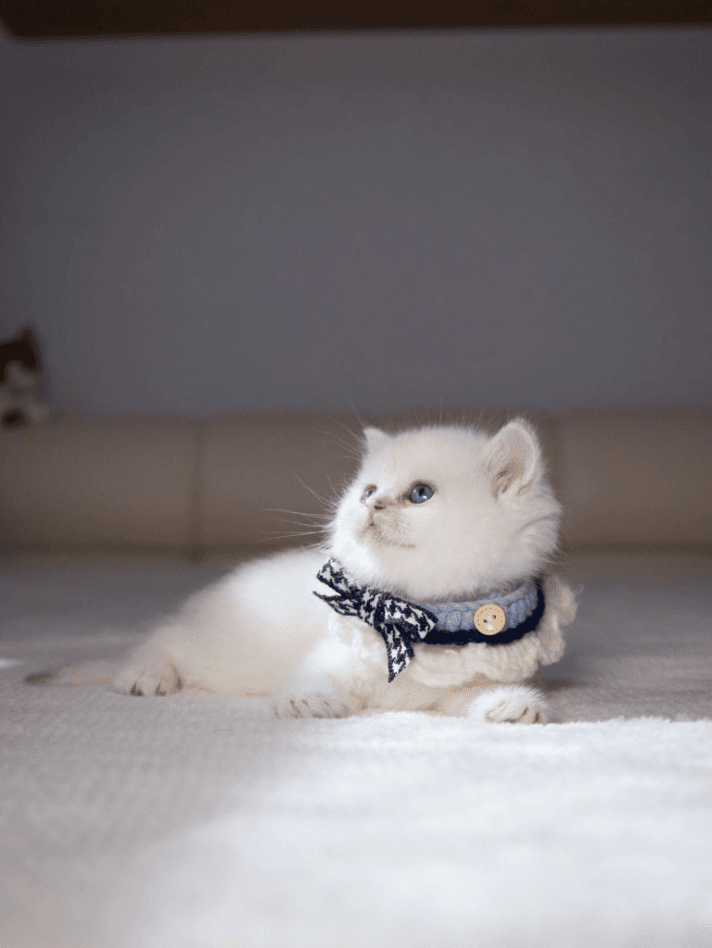
If you love British Shorthairs or British Longhairs, you’ve probably heard terms like conformation, standard, or show quality. These aren’t just fancy words. They’re how judges and breed associations decide what makes a cat truly represent the British cat breed standards.
Whether you’re preparing to buy a kitten, thinking about showing one, or simply curious, understanding these standards gives you a sharper eye for quality. This guide breaks down how TICA, WCF, and CFA evaluate the British breeds, from body structure to temperament, so you know exactly what makes these cats so unique.
What Breed Standards Actually Mean
The British cat breed standards aren’t random rules. They describe the ideal British Shorthair or British Longhair. Judges use them to score cats during shows, and breeders rely on them to plan responsible litters.
You don’t have to become a breeder to understand them. Knowing the basics helps you pick a kitten with confidence. It also helps you understand why the best breeders invest so much care into every detail, from genetics to socialization.
British Shorthair vs. British Longhair
The British Shorthair and British Longhair share almost the same standards. The main difference is coat length. Their structure, temperament, and overall impression are nearly identical.
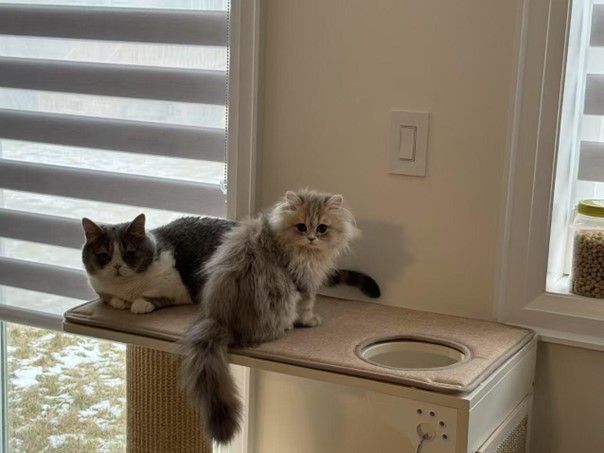
Both types should look balanced, plush, and sturdy. They aren’t slim or delicate cats. They’re round, powerful, and expressive. When people talk about the teddy bear look, this is exactly what they mean.
Overall Body Structure: What Judges Want
Breed associations expect both the Shorthair and Longhair to look strong and compact. This doesn’t mean overweight. It means dense bone structure and a broad, muscular build
TICA’s View
TICA looks for a cat that gives an impression of power. The body should be medium to large with a level back and a deep chest. The legs should be short to medium, thick, and firm. The paws are round and strong
CFA’s View
CFA standards highlight balance. Judges want a solid cat with good proportions. No feature should overpower another. The body should feel weighty when lifted, even in younger cats.
WCF’s View
WCF calls for a cobby body type. That means a compact, wide frame, short legs, and a thick tail. The cat should look round from head to body to paws. Across all associations, a British should never look tall, lanky, or angular. If you’re learning to recognize British cat breed standards, start by studying their silhouette. When the cat is sitting, it should form a soft, rounded shape.
The Head: Shape, Expression, and Balance
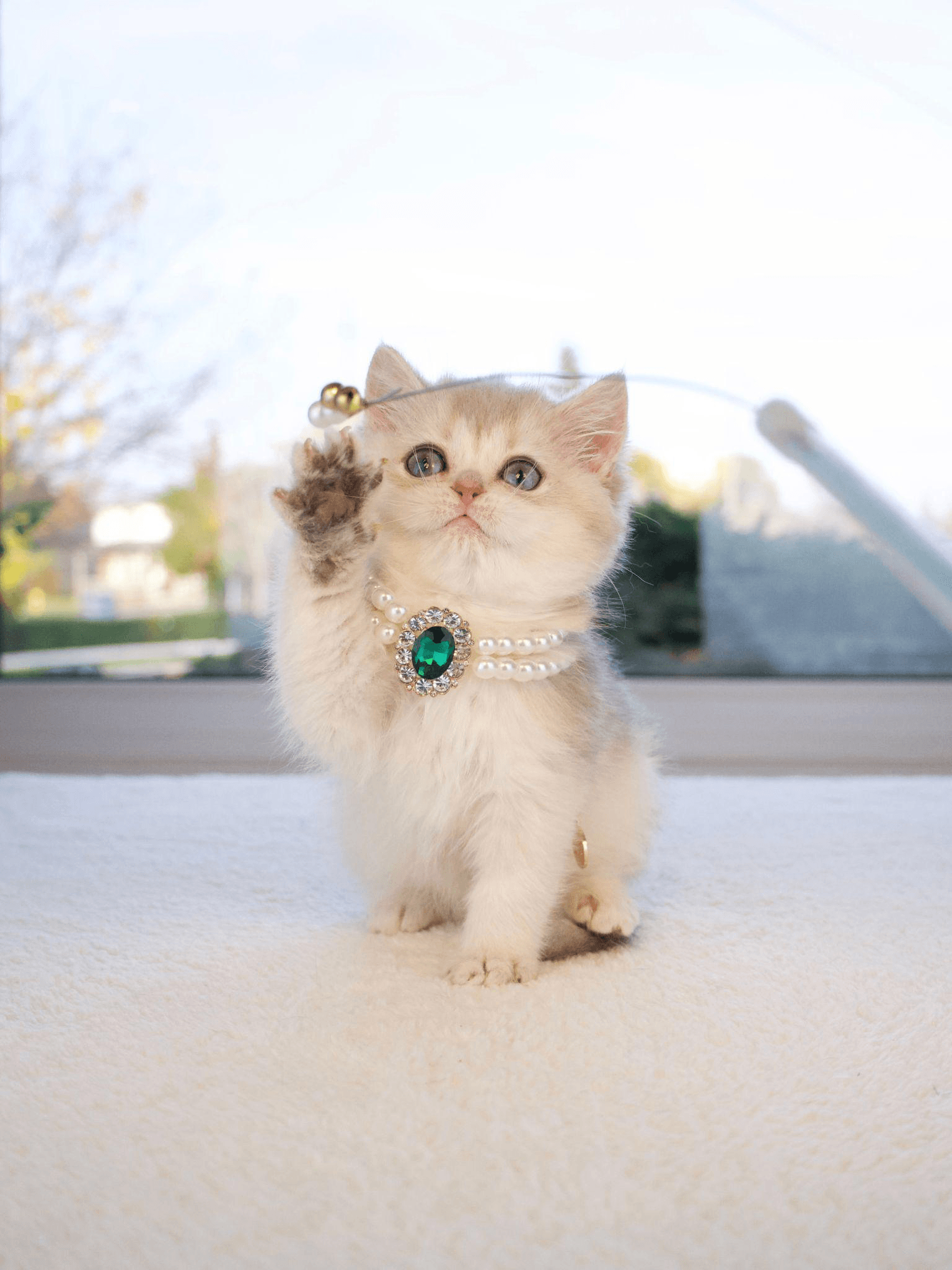
British breeds have one of the most recognizable heads in the cat world.
Round Face and Full Cheeks
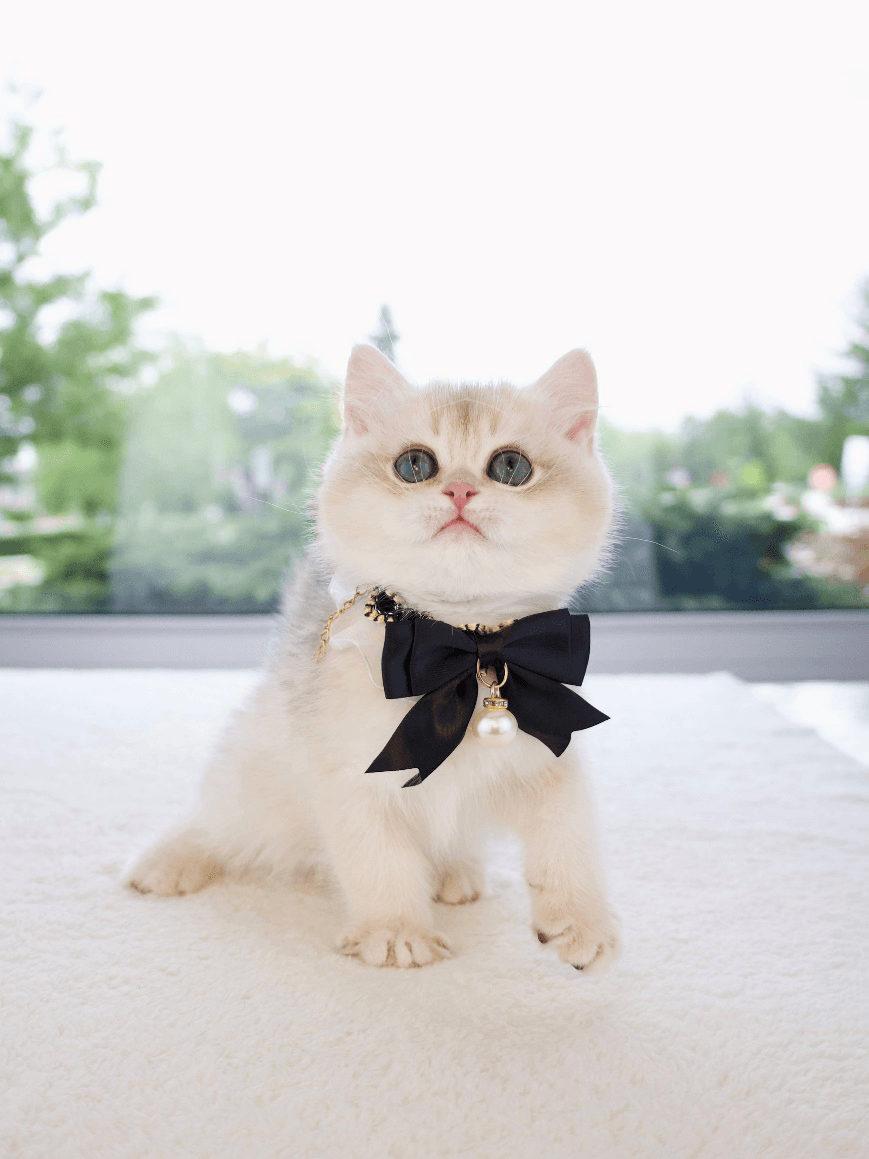
A proper British head is large and round with full cheeks. Males often develop impressive jowls as adults. The muzzle is also rounded, never pointy.
Eyes
Eyes must be round, large, and wide-set. Judges love expressive eyes because they add to that sweet, calm British look. Most British cats have copper or gold eyes, though silver and colorpoint varieties may differ.
Ears
Ears should be small and rounded at the tips. They sit wide apart on the head. Large or pointy ears make the head look less balanced, which isn’t ideal under most standards.
Coat Standards for British Shorthair and Longhair
The coat is one of the biggest distinctions between these two cats.
British Shorthair Coat
The Shorthair coat must be dense, plush, and crisp to the touch. It shouldn’t lie flat. Instead, it should stand slightly away from the body, almost like a thick, velvety cushion.
British Longhair Coat
The Longhair has a semi-long coat that feels soft and flowing without becoming too fluffy or overly heavy. It should still show the signature British density. A dramatic mane is common in males.
Color and Pattern
Associations recognize a wide range of colors: blue, lilac, cinnamon, chocolate, black, cream, and more. Patterns like bicolor, colorpoint, tabby, and shaded are common.
Judges care more about consistency than rarity. The coloration should be even, clear, and rich. A British Blue, for example, should have a uniform blue-gray tone from nose to tail.
Temperament: Calm, Confident, and Kind
A British cat is known for a gentle, self-assured personality. Breed associations include temperament in their evaluations because behavior is part of the British cat breed standards. A well-bred British should be:
- Calm and friendly
- Confident without being clingy
- Comfortable being handled
- Easygoing in new settings
This is why working with one of the best catteries matters. Proper early socialization creates the balanced temperament the breed is known for. A kitten raised with love and daily interaction will grow into a cat that reflects these standards beautifully.
How TICA Evaluates British Shorthair and Longhair
TICA uses a point-based system to judge structure, head shape, coat, color, and temperament. British cats must show harmony in their features. Judges look for dense bone structure, round head type, plush coat texture, and confident behavior.
TICA also places strong emphasis on genetic diversity within responsible breeding programs. This helps preserve the breed's health long-term.
How CFA Evaluates British Breeds
CFA’s approach is all about overall balance. No single feature should take over. A cat with a huge head but a thin body, or a dense coat with a narrow chest, won’t score well. CFA judges look for proportion, structure, and a calm disposition. CFA also has very detailed color specifications, especially for silvers, smokes, and patterns like bi-colors.
How WCF Evaluates British Cats
WCF focuses on the cobby body and plush coat. Their standards closely mirror the classic British look that many pet owners love. WCF judges expect British cats to have a gentle expression, large eyes, and a prominent, round shape from head to tail.
WCF also recognizes many coat colors and encourages preservation of the breed's unique temperament and structure.
What This Means for Buyers
If you’re choosing a kitten, understanding the British cat breed standards helps you spot quality. You’ll notice the round head, dense body, plush coat, and calm personality right away. You’ll also understand why reputable catteries invest so much in proper pairing, nutrition, and early development.
A well-bred British Shorthair or Longhair doesn’t just look beautiful. It grows into a confident, affectionate companion with a predictable temperament and strong structure.
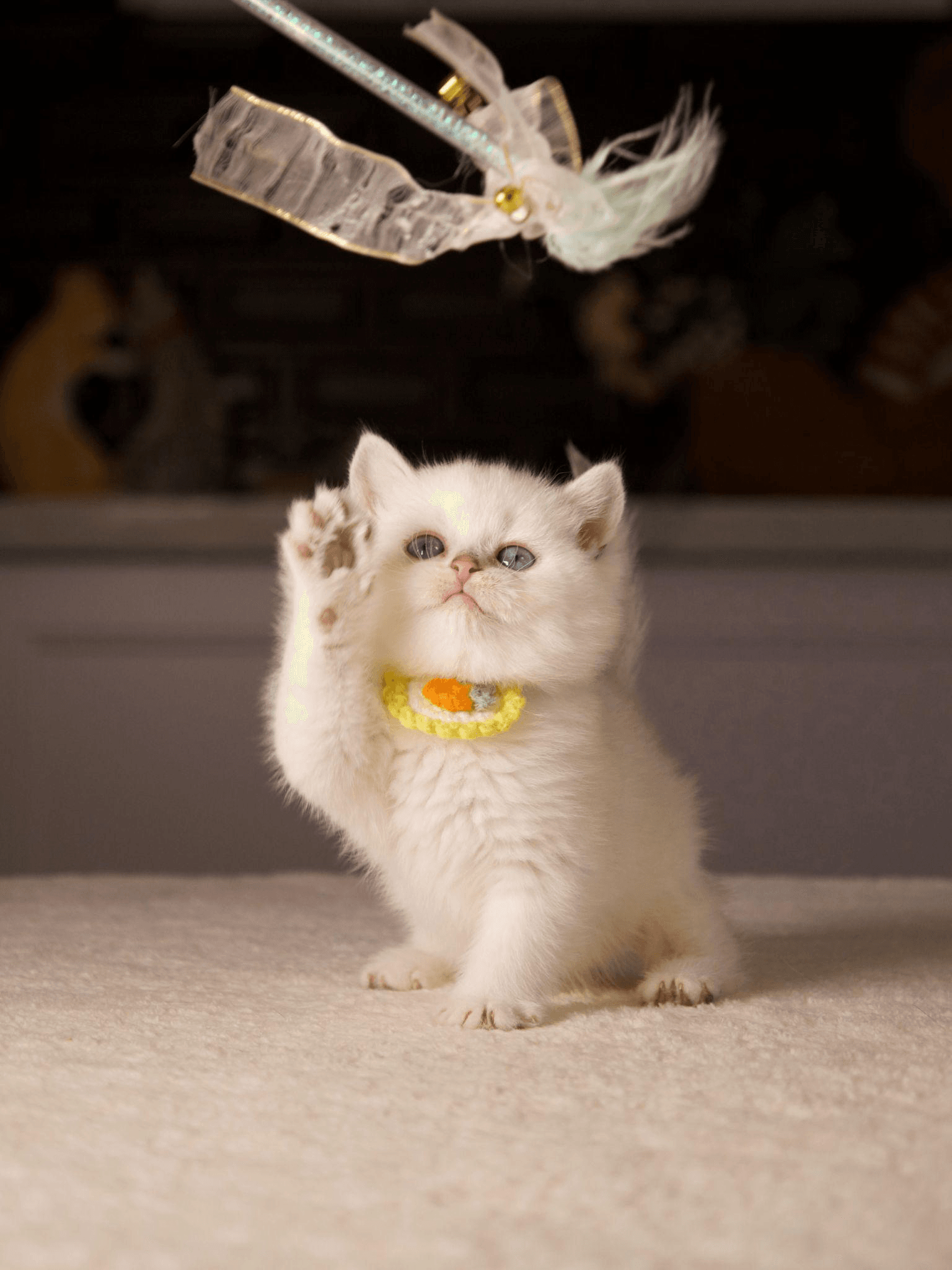
If you're searching for a kitten that meets true British cat breed standards, CatKing Cattery is here to guide you every step of the way. Our British Shorthair and British Longhair kittens in Allentown are raised with care, intention, and hands-on socialization, giving families well-adjusted companions with the calm, affectionate personalities this breed is known for.
As one of the best catteries in Allentown, we ensure registration under TICA, WCF, and CFA.
Our registration provides peace of mind to our clients, assuring them that they are dealing with a reputable and trustworthy cattery that operates with integrity and transparency at all times. Reserve a kitten at Catking Cattery today.
2025-12-08