



The Ultimate Guide to British Shorthair Kittens in Canada
From: Catking Cattery
The British Shorthair is the pedigree cat Canadian families ask about most, and most arrive knowing the look without knowing much else. This is a full orientation to British Shorthair kittens in Canada before you start comparing litters against each other.
It covers what the breed actually is, how it behaves at home, the colours you will encounter, the health points worth knowing early, and what a year of ownership involves. We are among the British Shorthair cat breeders in Toronto raising them, and our breed page goes further on each point.
What Defines the Breed
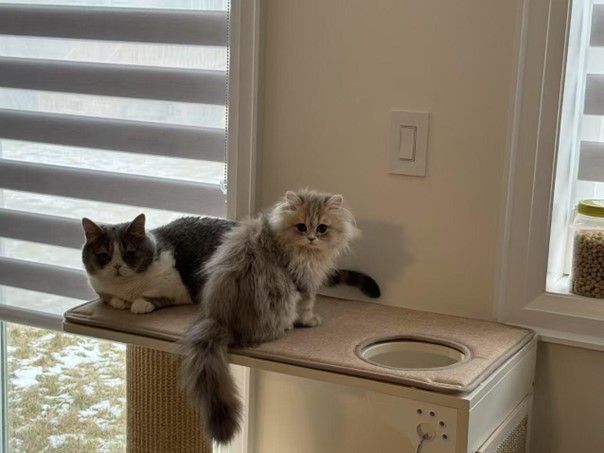
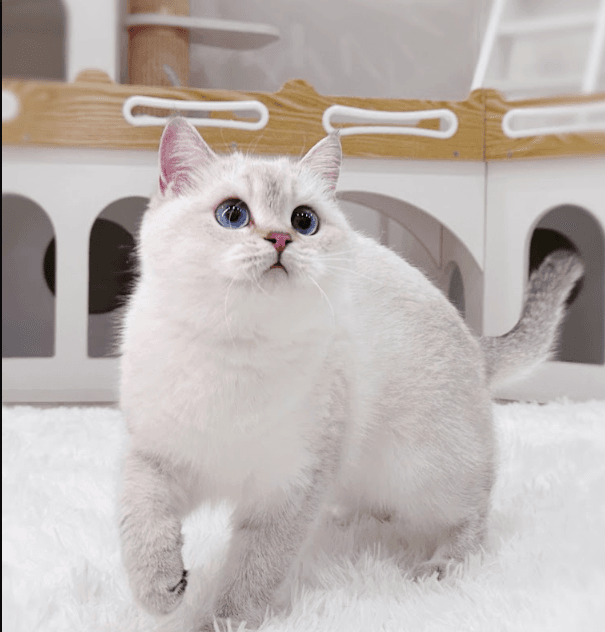
A compact, powerfully built cat with short sturdy legs, a broad chest and a round head. The face is the giveaway: full cheeks, a short nose, rounded whisker pads and wide-set eyes that are usually copper or gold, though silvers carry green.
The coat is short and dense rather than long, with a crisp texture that stands away from the body when you run a hand through it. The TICA breed profile puts adult females at roughly eight to eleven pounds and males at ten to sixteen, with a life expectancy that regularly reaches the mid to high teens.
Growth is slow. Anyone looking at a British Shorthair for sale in Toronto should expect a kitten that fills out gradually and often reaches full size only in its third year. A twelve-week-old kitten gives you very little indication of the adult it becomes.
Temperament and Household Fit
Calm is the word that comes up most often, and it is accurate. The breed is affectionate without being demanding, tolerant of children and dogs, and generally content to sit near you rather than on you. They are not lap cats, and they dislike being carried. What they offer instead is steadiness.
A British Shorthair suits a household that is out during the day and suits a quiet one equally well, which is why the breed works for first-time and experienced owners alike.
Males and females differ more than most people expect. Males tend towards the sociable and unbothered, while females are often more reserved and particular about who handles them. Neither is better, but it is worth mentioning a preference when you join a waiting list.
Common Misconceptions About the Breed
The first is that a short coat means no grooming. It does not. The coat is dense enough that dead hair stays trapped in it, so a weekly comb through matters more here than on a thinner-coated cat. The second is that the breed is hypoallergenic. No cat is. Reactions vary between individuals and between people, and coat length has little to do with it.
The third is that a calm cat needs no stimulation. A British Shorthair will happily do nothing all day, which is precisely the problem. Guidance on everyday care covers the routine checks and enrichment that keep an easygoing cat from becoming an inactive one.
Colours You Will See in Canadian Catteries
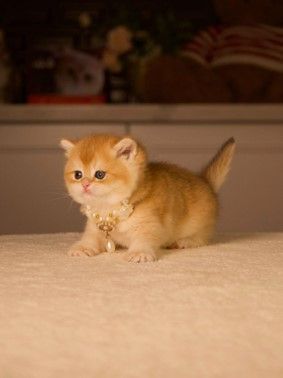
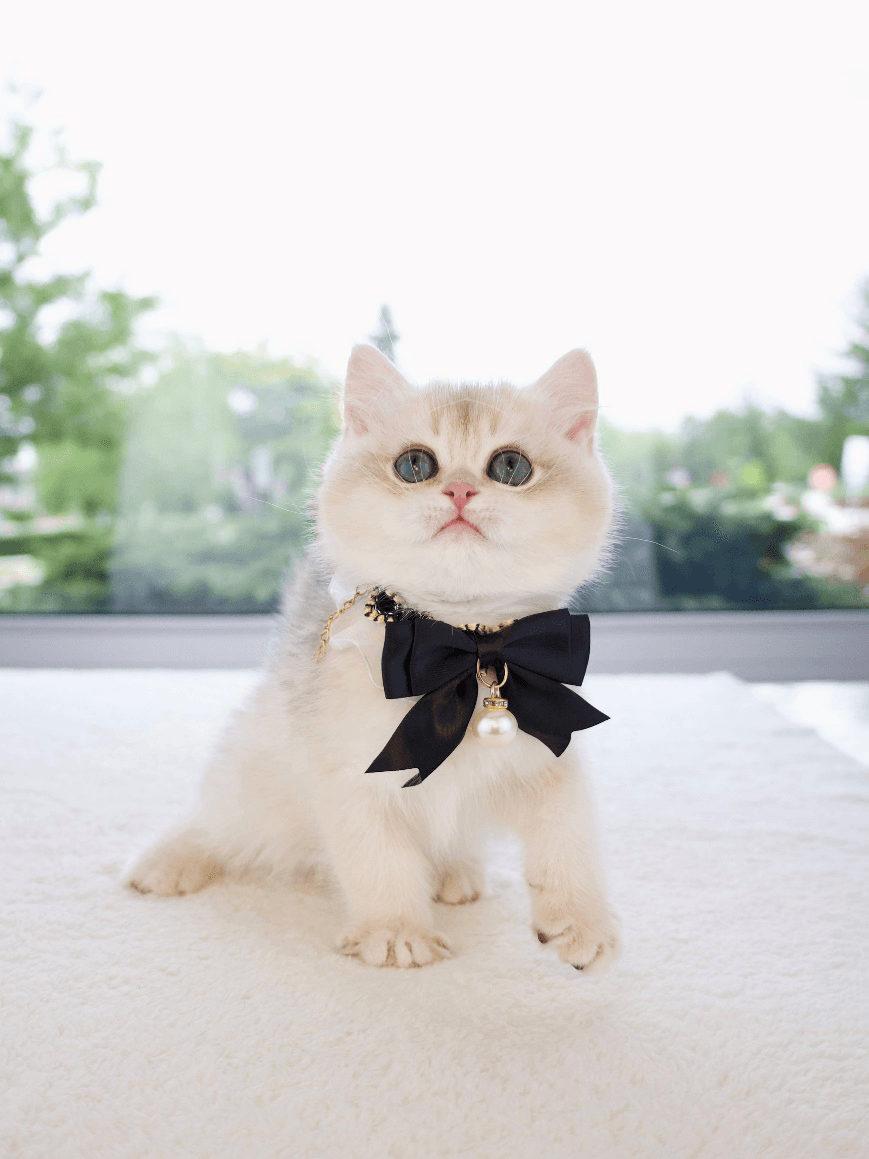
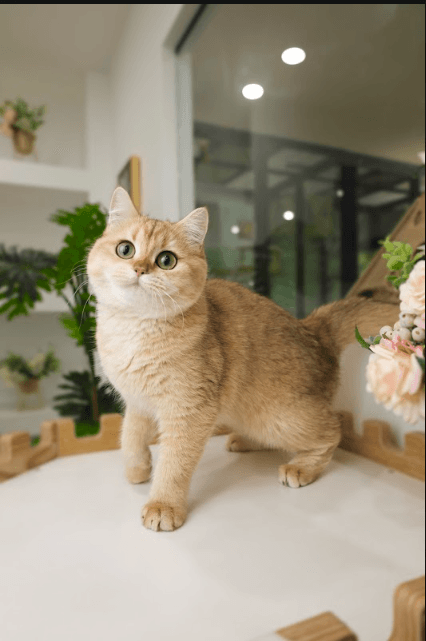
Blue remains the colour most people picture, but Canadian catteries now produce a far wider range. The three shaded colours in strongest demand are Golden Shaded, Blue Golden Shaded and Silver Shaded, each built from a pale undercoat with darker tipping laid over it.
Shaded coats keep developing through the first year and settle into the second, so a kitten photograph shows a starting point rather than a finished cat. Screens make this harder still, since warm indoor lighting shifts a cool coat towards cream and daylight drains the warmth out of a golden one.
Health Considerations Worth Knowing Early
The breed is robust, but two things deserve attention from the start. Hypertrophic cardiomyopathy is the most common heart condition in cats and is screened for by echocardiogram, which is why careful catteries test the parent cats rather than relying on a kitten checkup.
Cornell’s HCM overview explains why the disease often shows no clinical signs until an echocardiogram catches it.
Weight is the other. This is a heavy-boned cat that loves food and does not naturally burn much energy, and excess weight compounds joint and metabolic problems as the cat ages.
The difference between a solid British Shorthair and an overweight one is not always obvious by eye, so body condition checks with your vet beat guesswork.
Dental care rounds it off. Annual examinations catch problems early, and untreated dental disease has consequences well beyond the mouth. UC Davis’s dental care guide explains what regular brushing and professional cleanings actually prevent.
What Ownership Involves Year Round
Grooming is light but not optional. A weekly comb through handles the dense coat, with more attention during the seasonal changes in spring and autumn when the undercoat turns over.
Registry grooming guidance covers nails every couple of weeks, weekly ear checks and regular toothbrushing alongside the coat itself. Feeding is measured rather than free. Two meals a day on a schedule suits the breed better than leaving food out, since a bored British Shorthair will eat simply because the bowl is there.
These are indoor cats in Canadian conditions, which means enrichment has to come from you. Vertical space, a scratching post tall enough for a full stretch, a window worth watching, and two short play sessions a day cover most of it. Ohio State’s Indoor Pet Initiative sets out what a genuinely enriched indoor setup looks like.
Where to Begin Your Search
If the breed sounds right, the next step is finding a cattery that documents what it produces. Registration, health screening on the parent cats and a written contract are what separate serious cat breeders in Canada from the rest, and our reservation FAQ sets out how ours works.
CatKing Cattery breeds British Shorthairs and British Longhairs from TICA, CFA and WCF registered lines in Ontario, with parent cats screened for HCM, PKD, PRA-PD and ALPS and a lifetime genetic disease warranty on every kitten. Families across the country reserve from what they tell us is the best cattery in Canada.
Explore our current and planned litters to see which colours are coming in the months ahead.
2026-09-19