



British Longhair Features: A Guide to Their Look, Personality, and Care
From: Catking Cattery
When you’re considering a British Longhair as your next pet, understanding their appearance, personality, and care requirements is key. These cats, known for their plush coats and charming traits, make wonderful companions. This guide breaks down a British Longhair’s distinct features, behavior, and how to care for them, helping you decide if they’re right for you.
Appearance of British Longhairs
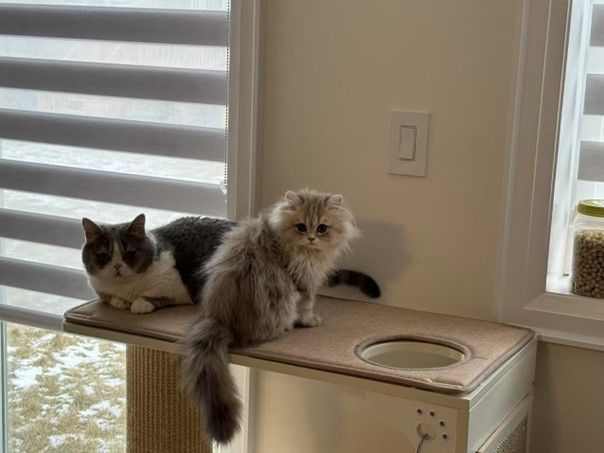
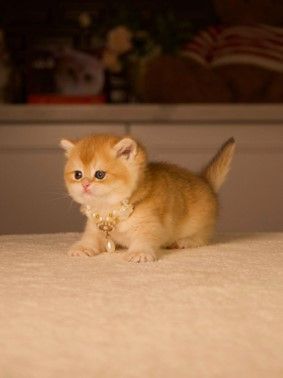
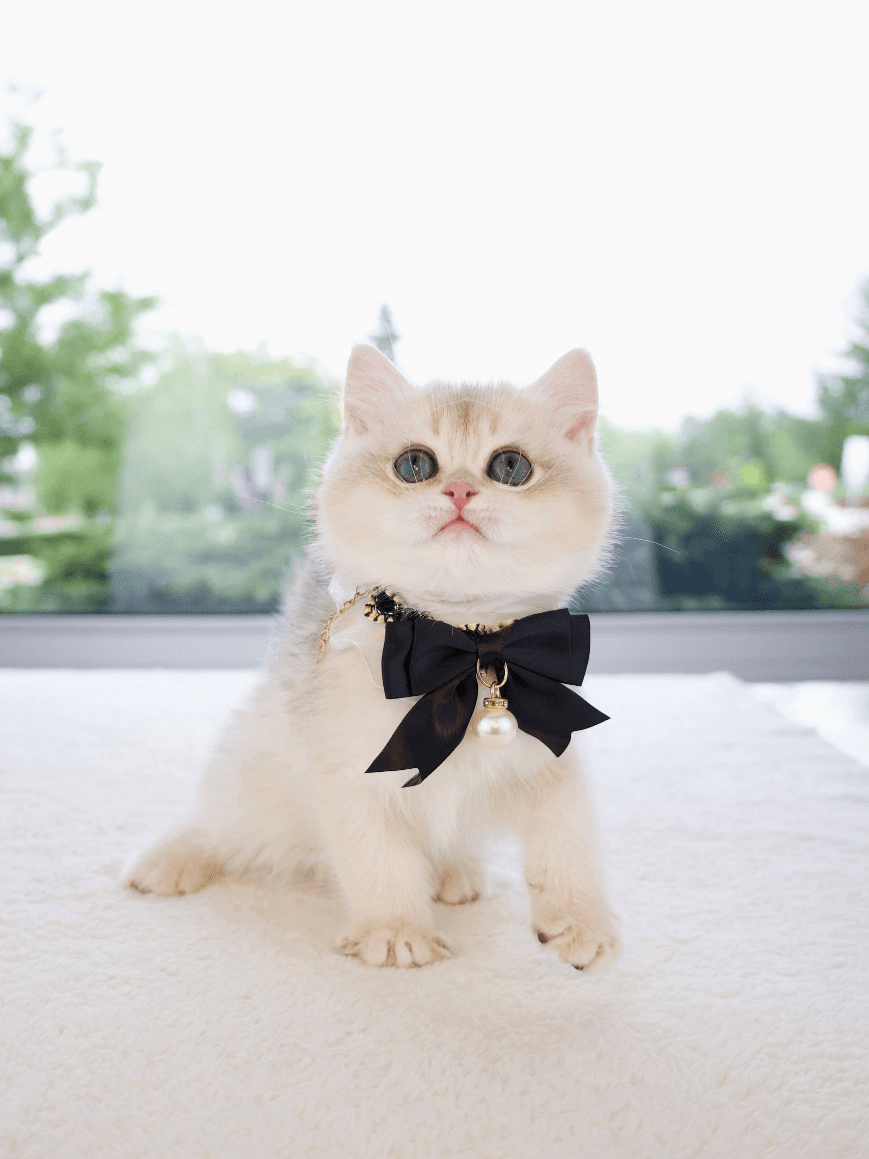
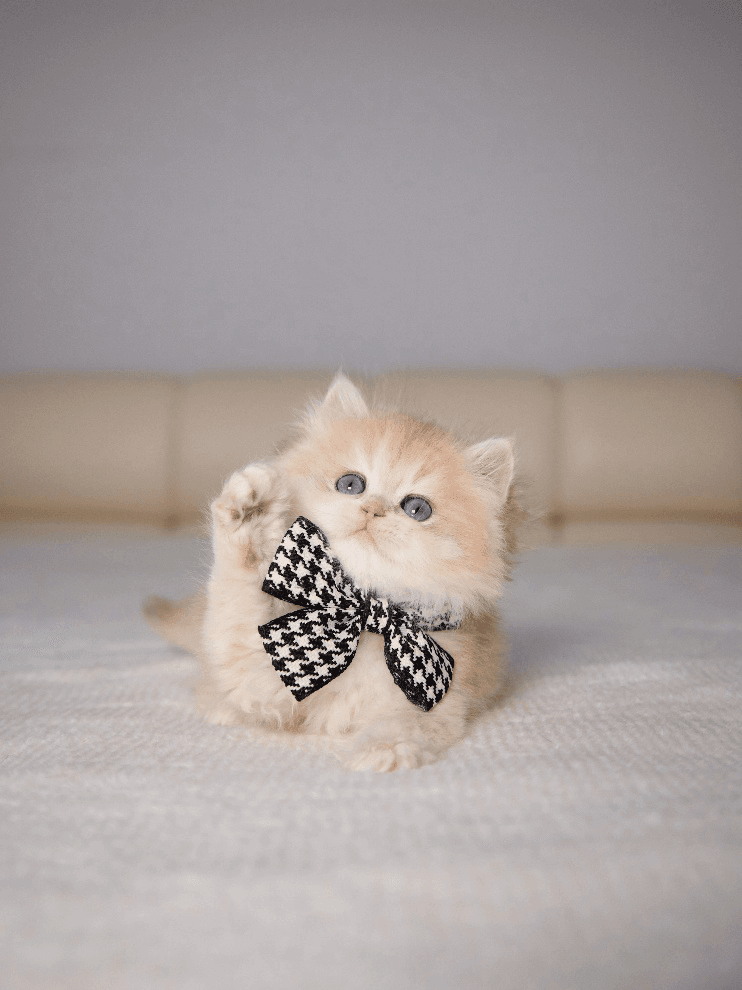
British Longhairs have a striking look with their medium to long, dense coats that feel soft and luxurious. Their fur comes in a variety of colors, like blue, golden shaded, or seal point, and requires regular grooming to stay smooth. For example, their thick undercoat can mat if not brushed two to three times a week. They have round heads, small ears, and large, expressive eyes, often blue or copper, giving them a teddy bear-like face.
Their sturdy, muscular bodies are medium to large, with males typically weighing 12-18 pounds and females slightly smaller. Their bushy tails and short, strong legs add to their balanced build. You’ll notice their coat fluffs out more in colder months, so maintaining it during seasonal changes is important to prevent tangles and keep them comfortable.
Personality and Temperament
British Longhairs are known for their calm, affectionate, and easygoing nature, making them great for families or individuals. They enjoy being around you but aren’t overly demanding, often content to sit nearby or follow you quietly. For instance, a British Longhair might curl up on the couch while you watch TV, happy to be close without needing constant attention. They’re friendly with other pets, like dogs or other cats, especially if socialized early.
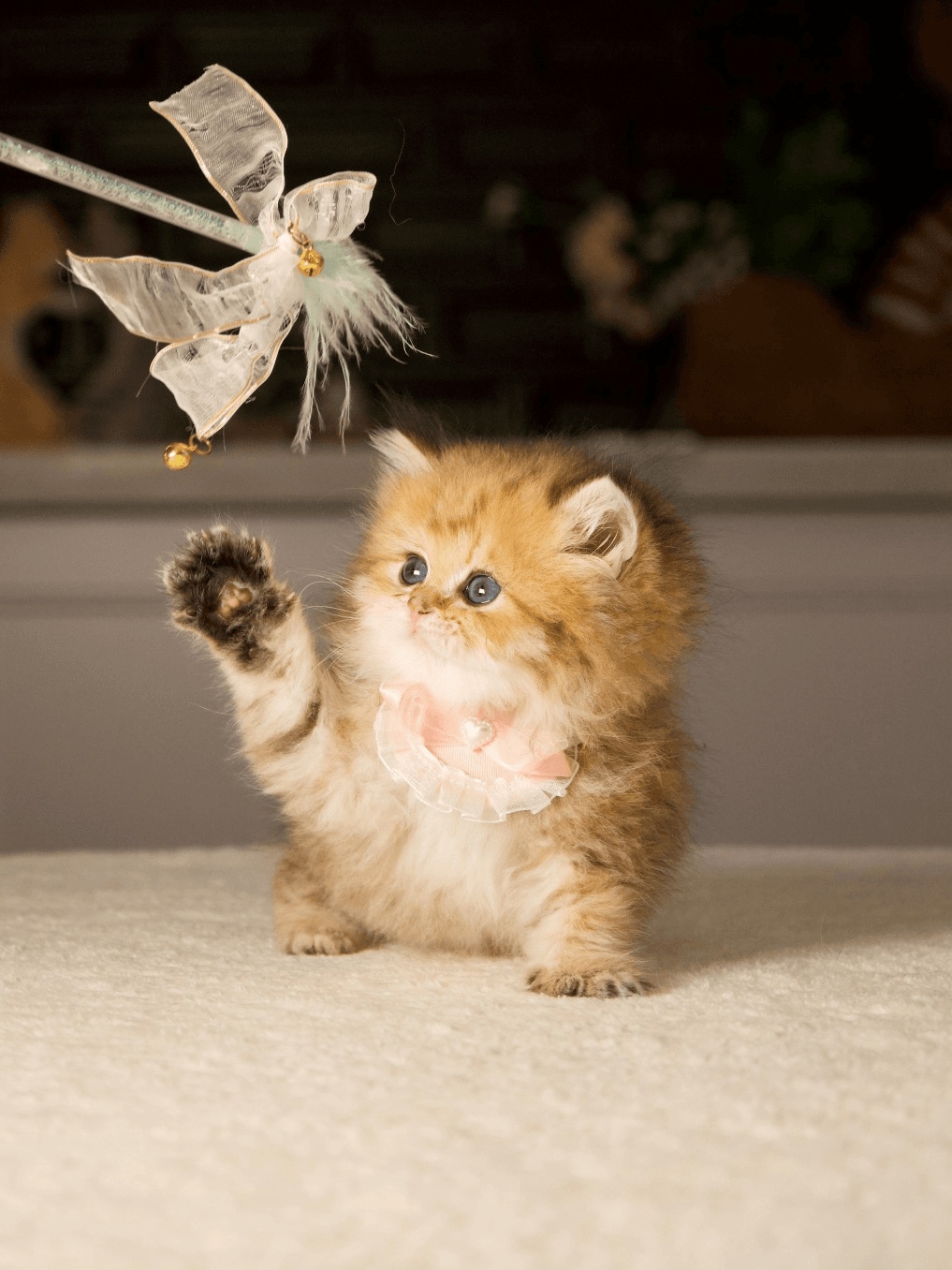
Kittens are exposed to daily handling and household sounds, like vacuum cleaners, from two weeks old, ensuring they’re confident and adaptable. They’re playful but not hyperactive, enjoying short bursts of activity with toys like feather wands. Their gentle, patient demeanor makes them ideal for homes with children, as they tolerate gentle handling well. You’ll find them loyal and loving, forming strong bonds with you over time.
Care Requirements
Caring for a British Longhair involves regular grooming, a balanced diet, and attention to their health. Brush their coat at least twice weekly to prevent matting, using a wide-tooth comb for their thick fur. For example, a 10-minute brushing session can keep their coat shiny and reduce shedding. Feed them high-quality cat food, with portions based on their weight and activity level—about 1/3 to 1/2 cup of dry food twice daily for an adult cat.
Annual vet checkups are essential, as they can be prone to conditions like hypertrophic cardiomyopathy (HCM), which responsible breeders screen for in parent cats. Provide scratching posts and toys to keep them active, as they enjoy moderate play. Litter box training is typically easy, as they learn quickly when young. You’ll also need to ensure they’re spayed or neutered, which promotes health and prevents unwanted behaviors.
Your Perfect British Longhair Awaits
British Longhairs offer a unique combination of stunning looks, friendly personalities, and manageable care needs, making them ideal pets. When choosing a British Longhair cat breeder, look for the best cattery to ensure a healthy, well-socialized kitten. Ready to buy a kitten in Canada? Visit CatKing Cattery to reserve your companion today. Contact us to find out more!
2025-08-06