



Caring for Your British Longhair Kitten: Tips From Canadian Breeders
From: Catking Cattery
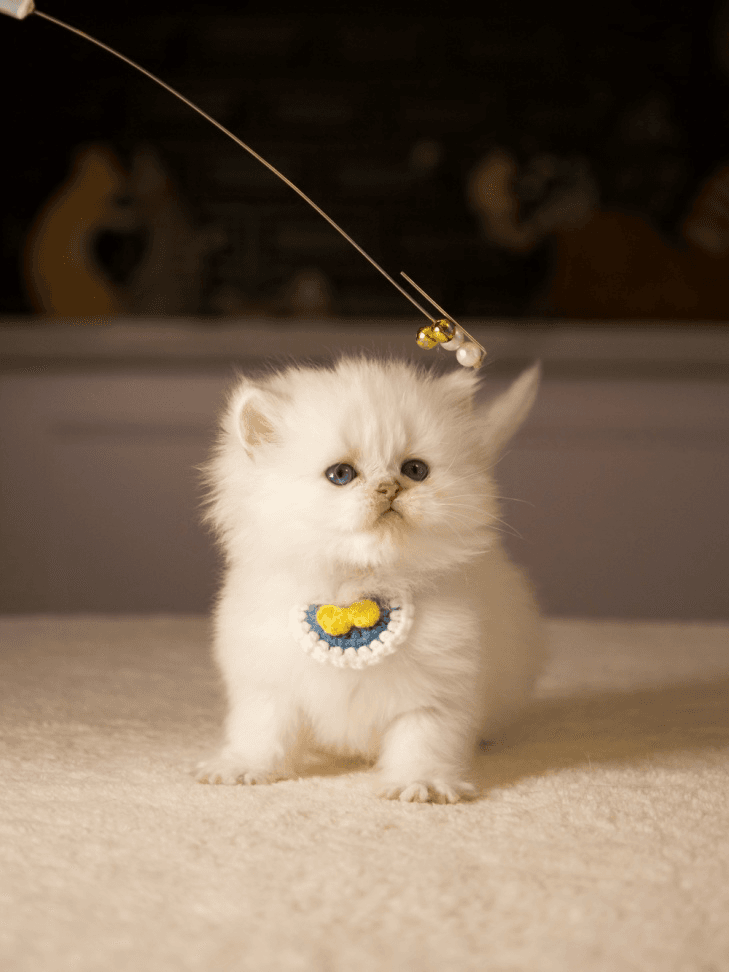
Bringing home a kitten sounds simple, but the early months decide long term health, behaviour, and comfort. Many new owners underestimate how much structured care a young cat needs.
Early nutrition, preventive veterinary care, and proper socialization significantly improve long term health outcomes in cats and reduce preventable diseases. For families planning proper British Longhair kitten care, Canadian breeders emphasize three pillars: feeding, grooming, and early social exposure. These areas shape how a kitten grows into an adult cat.
At a reputable British Longhair cat breeder, structured care starts from day one. This is also why ethical kitten breeders often provide detailed care sheets when you buy kitten. Let’s break down what experienced Canadian breeders recommend.
1. Feeding Guidelines for Strong Growth
Nutrition is the foundation of British Longhair kitten care. British Longhairs grow slowly, often taking up to three years to fully mature. This means their diet must support long term development. What breeders recommend:
- High protein kitten food (animal based protein first)
- DHA for brain and eye development
- Calcium and phosphorus balance for bone strength
- Wet and dry food mix for hydration and dental health
Feeding schedule:
- 2 to 3 months: 4 meals per day
- 4 to 6 months: 3 meals per day
- 6 to 12 months: 2 to 3 meals per day
Portion control is important. Overfeeding can lead to early weight gain, which is common in British Longhairs. A responsible British Longhair cat breeder usually provides a feeding chart when kittens leave the cattery.
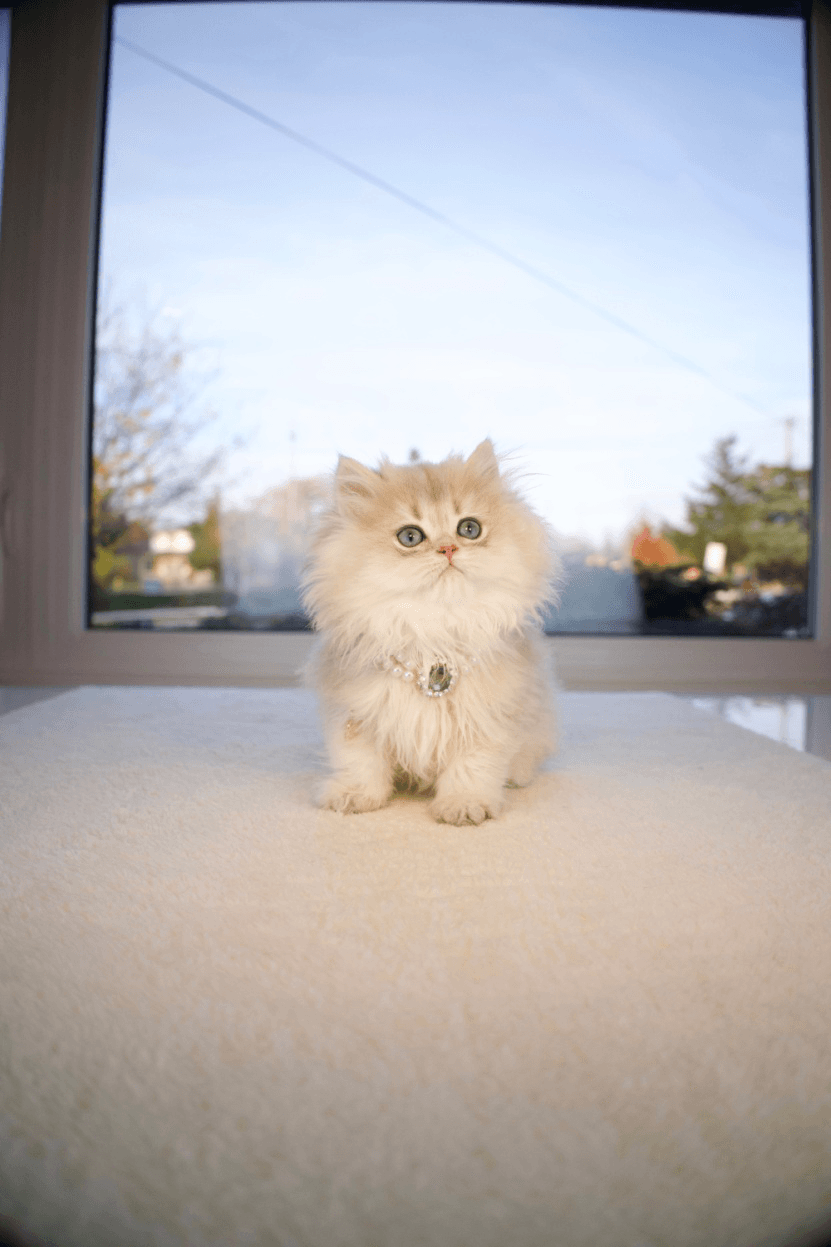
2. Grooming Routine for Coat Health
The long coat of this breed requires consistent care, but it is not overly demanding if started early. Grooming basics:
- Brushing 2 to 3 times per week
- Use a soft bristle or stainless steel comb
- Check for knots behind ears and under legs
- Nail trimming every 2 to 3 weeks
Canadian breeders stress early grooming exposure. Kittens raised in a best cattery environment are handled regularly so they accept brushing calmly. This is a key part of long term British Longhair kitten care, preventing matting and skin irritation. Bathing is not frequent. Only occasional baths are needed if the coat becomes dirty.
3. Litter Training and Hygiene Habits
Good litter habits start early. Most kittens learn litter box use within the first few weeks in a structured breeding environment. Best practices include:
- One litter box per cat plus one extra
- Unscented clumping litter for comfort
- Daily scooping
- Weekly full cleaning
Experienced kitten breeders in Canada maintain strict cleanliness in early life, which helps kittens transition smoothly when they move to new homes. If you buy kitten from a responsible breeder, litter training is usually already established.
4. Early Socialization for Stable Behaviour
Socialization is one of the most important parts of British Longhair kitten care. Canadian breeders introduce kittens to:
- Gentle human handling
- Household sounds like vacuum and TV
- Short play sessions with toys
- Interaction with littermates
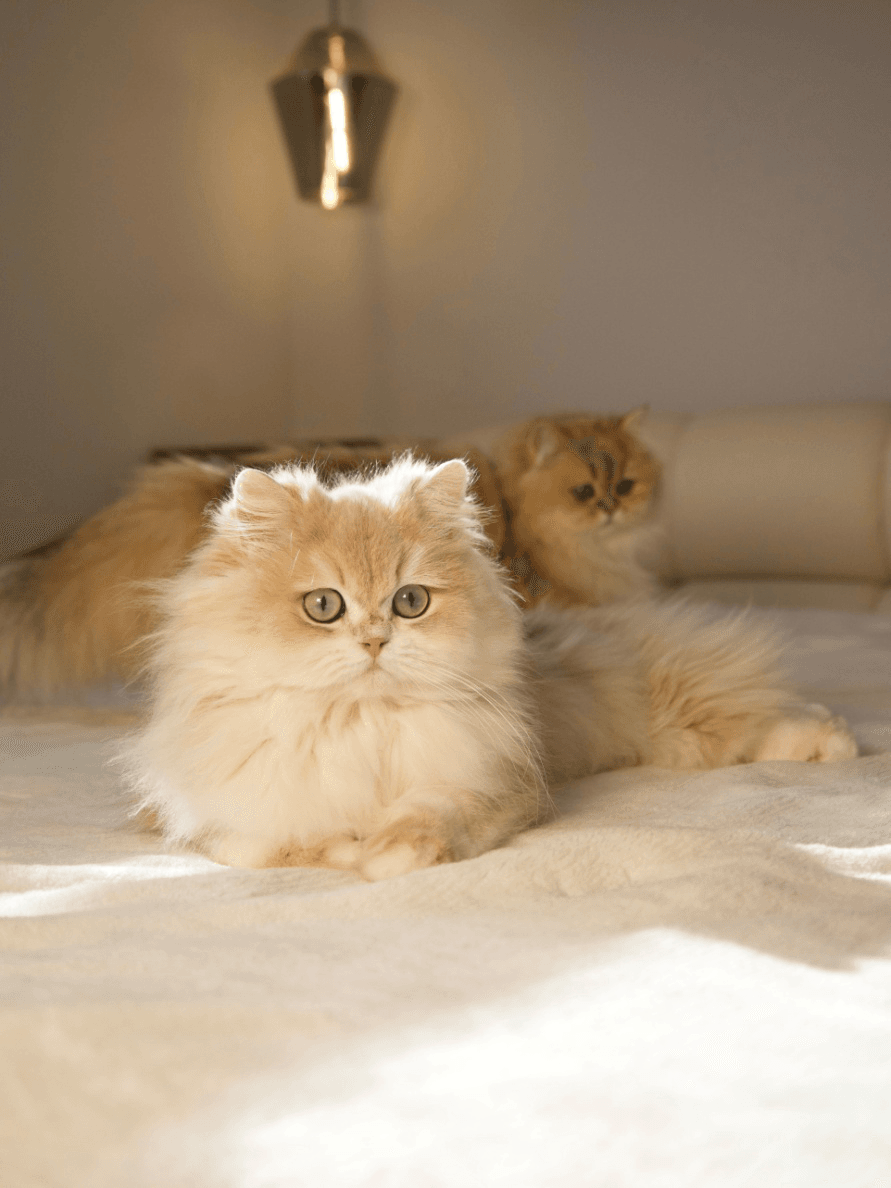
These experiences help kittens grow into calm and confident adults. A well-run cat breeders program ensures kittens are not isolated. Instead, they are gradually introduced to everyday environments. This is especially important when adopting from a British Longhair cat breeder, as early experiences shape temperament for life.
5. Veterinary Care and Vaccination Schedule
Health care begins before adoption. Typical veterinary routine includes:
- First vaccinations at 6–8 weeks
- Booster shots every 3–4 weeks until 16 weeks
- Deworming treatments
- Parasite prevention
- Final health check before adoption
A best cattery will always provide complete medical records. Reputable kitten breeders also microchip kittens for identification and safety before they go to new homes.
6. Creating a Safe Home Environment
Once your kitten arrives home, the environment should remain calm for the first few days. Breeders recommend:
- A quiet room with food, water, and litter box
- Gradual introduction to other rooms
- No loud gatherings during the first week
- Consistent feeding schedule
This reduces stress and helps kittens adjust faster. A structured start supports better long term British Longhair kitten care results.
7. Play and Exercise Needs
British Longhairs are calm but still need daily activity. Recommended activities:
- Feather wand toys
- Soft balls for chasing
- Short interactive sessions (10–15 minutes)
- Scratching posts for natural behaviour
Regular play prevents boredom and supports healthy weight management.
8. Common Mistakes to Avoid
New owners sometimes make avoidable errors such as:
- Sudden food changes
- Overfeeding treats
- Skipping grooming sessions
- Ignoring early socialization
- Using harsh handling methods
Canadian breeders emphasize consistency and patience during early development. A responsible British Longhair cat breeder in Canada always provides guidance to prevent these issues.
CatKing Cattery – Trusted Source for Healthy British Longhair Kittens
CatKing Cattery focuses on structured care, early socialization, and proper nutrition for every kitten. As a responsible British Longhair cat breeder, we follow strict standards similar to leading cattery programs. If you are looking connect for British Longhair kitten care or planning to buy kitten, contact CatKing Cattery today to connect with experienced cat breeders.
2026-05-17