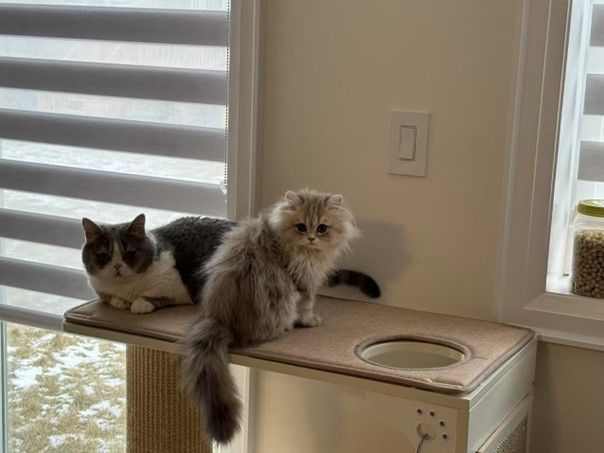




Feeding Your British Cat: Nutrition Tips for a Healthy Life
From: Catking Cattery

Feeding your cat might seem simple, but when it comes to cat nutrition, not all food is created equal, especially for British Shorthair and Longhair cats. These beautiful, sturdy breeds have specific needs that evolve from kittenhood to adulthood. At CatKing Cattery, we believe that a healthy life starts with the right food. Whether you're caring for a kitten or a senior cat, making informed feeding choices is one of the best ways to support your cat's overall well-being.
Why Nutrition Matters for British Cats
British cats are known for their stocky builds, soft coats, and gentle personalities. Because they're not the most active breed, they can be prone to weight gain if their diet isn't carefully managed. Proper nutrition helps prevent common issues such as obesity, joint strain, and dull coats. Feeding your British Shorthair or Longhair cat the right balance of protein, fat, vitamins, and minerals contributes to:
- Healthy weight management
- Strong bones and muscles
- Bright, soft coats
- Good digestive health
- Long-term energy and vitality
The food you choose directly impacts your cat's mood, appearance, and longevity.
Understanding Breed-Specific Nutritional Needs
British Shorthairs and Longhairs are muscular, thick-bodied cats with slower metabolisms. This means they often need fewer calories than more active breeds, but those calories must come from high-quality sources.
Key Nutrients to Prioritize:
- Animal Protein: Supports muscle mass and strength
- Healthy Fats: Provide energy and promote coat health
- Omega-3 and Omega-6 Fatty Acids: Help with skin and coat condition
- Taurine: An essential amino acid for heart and eye health
- Controlled Carbohydrates: Should be limited to avoid unnecessary weight gain
Look for formulas that specifically mention supporting heart health, joint function, and hairball control, three areas that benefit British breeds.
Choosing the Right Food at Every Life Stage
As kitten breeders in Toronto, we're often asked about what to feed young British Shorthairs and Longhairs. Nutritional needs vary by age, so let's break it down:

Kitten (0–12 months)
- Feed high-calorie, high-protein kitten food 3 to 4 times daily
- Choose brands with DHA for brain development
- Avoid switching foods too quickly, as kittens have sensitive stomachs
Adult (1–7 years)
- Transition to adult food that supports lean muscle mass
- Watch portion sizes to prevent weight gain
- Choose wet or dry food, or a mix, based on your cat's hydration habits
Senior (7+ years)
- Opt for senior formulas with joint support and fewer calories
- Monitor for changes in appetite or digestion
- Consider adding supplements for aging joints or heart support, with veterinary advice
Wet Food vs. Dry Food: What's Best?

There's no single answer to this, but both wet and dry food have benefits. Many cat owners choose to feed a mix to take advantage of both formats.
Wet Food Benefits:
- Higher moisture content supports hydration
- Often more palatable, especially for picky eaters
- Easier for older cats with dental issues
Dry Food Benefits:
- Convenient and easier to store
- Helps reduce plaque with a crunchy texture
- Can be used in puzzle feeders for mental stimulation
When feeding dry food only, make sure your cat drinks plenty of water. This is especially important for British Shorthairs, who may be prone to urinary issues without enough hydration.
Portion Control and Feeding Schedules
British cats love their food, which can lead to overfeeding if portions aren't carefully monitored.
Guidelines:
- Follow the portion recommendations on the food label, adjusted for weight and activity
- Divide daily food into two measured meals
- Use slow feeders or puzzle bowls to prevent fast eating
- Weigh your cat regularly to spot any trends early
Your vet or British Shorthair cat breeder in Canada can help you determine the ideal weight for your specific cat and advise if dietary adjustments are needed.
Common Feeding Mistakes to Avoid
Even experienced cat owners can fall into habits that impact their cat's health. Here are a few mistakes to watch for:
- Free-feeding all day: This encourages overeating
- Feeding human food: Many table scraps are high in fat, salt, or toxic ingredients
- Skipping vet check-ins: Regular visits help catch dietary-related issues early
- Not adjusting food as your cat ages: Needs change with life stage
- Switching foods abruptly: Always transition over 7 to 10 days to avoid digestive upset
Supplements: Are They Necessary?
A well-formulated commercial cat food usually meets all of your cat's nutritional needs. However, certain supplements may be recommended by your vet or cat breeders in Toronto depending on your cat's condition. Popular options include:
- Fish oil for coat and joint support
- Probiotics for digestion
- Glucosamine for senior cats
- Multivitamins for cats on limited diets
Never add supplements without speaking to your vet first.
Feeding British Cats After Purchase
If you're preparing for a cat, it's important to ask about what the cat has been eating before you bring them home. Consistency helps reduce stress and digestive issues during the transition. When you choose to buy cats in Toronto, you should:
- Continue their existing diet for the first week
- Gradually introduce new food if needed
- Provide familiar bowls, feeding schedules, and quiet spaces to eat
- Monitor appetite, litter habits, and behaviour for signs of adjustment
When you buy kitten companions from a trusted British cat breeder, you should receive a feeding guide that outlines what the kitten is used to and how to maintain their routine at home.
Looking for Food Recommendations?
We're often asked about specific brands and feeding schedules. While every cat is different, we generally recommend:
- Canadian or European-made brands with transparent ingredient sourcing
- Grain-free or low-carb options for adult British cats
- Wet food at least once daily to support hydration
- Treats that are high-protein and low in fillers
If you're interested in more details, we're happy to share our favourites with families who work with us to buy cats online or in person.
Healthy Cat, Happy Home
At the end of the day, cat nutrition is about more than just food; it's about ensuring your British cat thrives at every stage of life. With the right choices and ongoing attention, you can prevent many common health issues and give your cat the best possible life.
From kitten breeders to seasoned pet parents, everyone benefits from understanding the science and heart behind proper feeding. Nutrition affects behaviour, comfort, and connection, making it one of the most important parts of pet care.
Need Help With Cat Nutrition?

Whether you're planning to welcome a new kitten or support an older cat, we're here to help. At CatKing Cattery, we guide families through every step, including how to build the perfect diet for their British Shorthair or Longhair.
If you're looking for expert support, food suggestions, or a healthy British Shorthair for sale, contact Catking Cattery today. We'll be happy to help you give your cat the best start with balanced, informed cat nutrition that supports a long and happy life.
2025-09-12