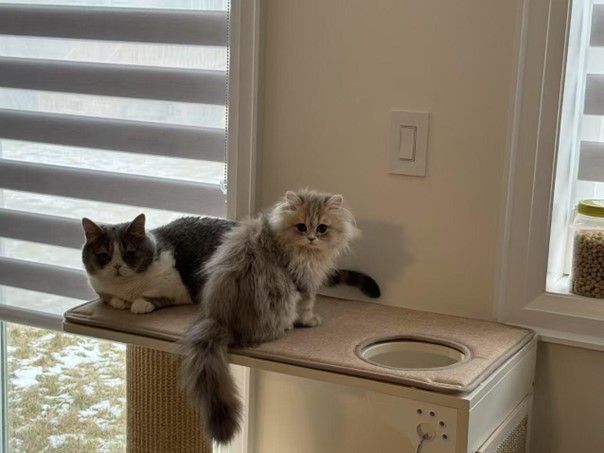




The Complete Guide to Choosing Your First Kitten
From: Catking Cattery
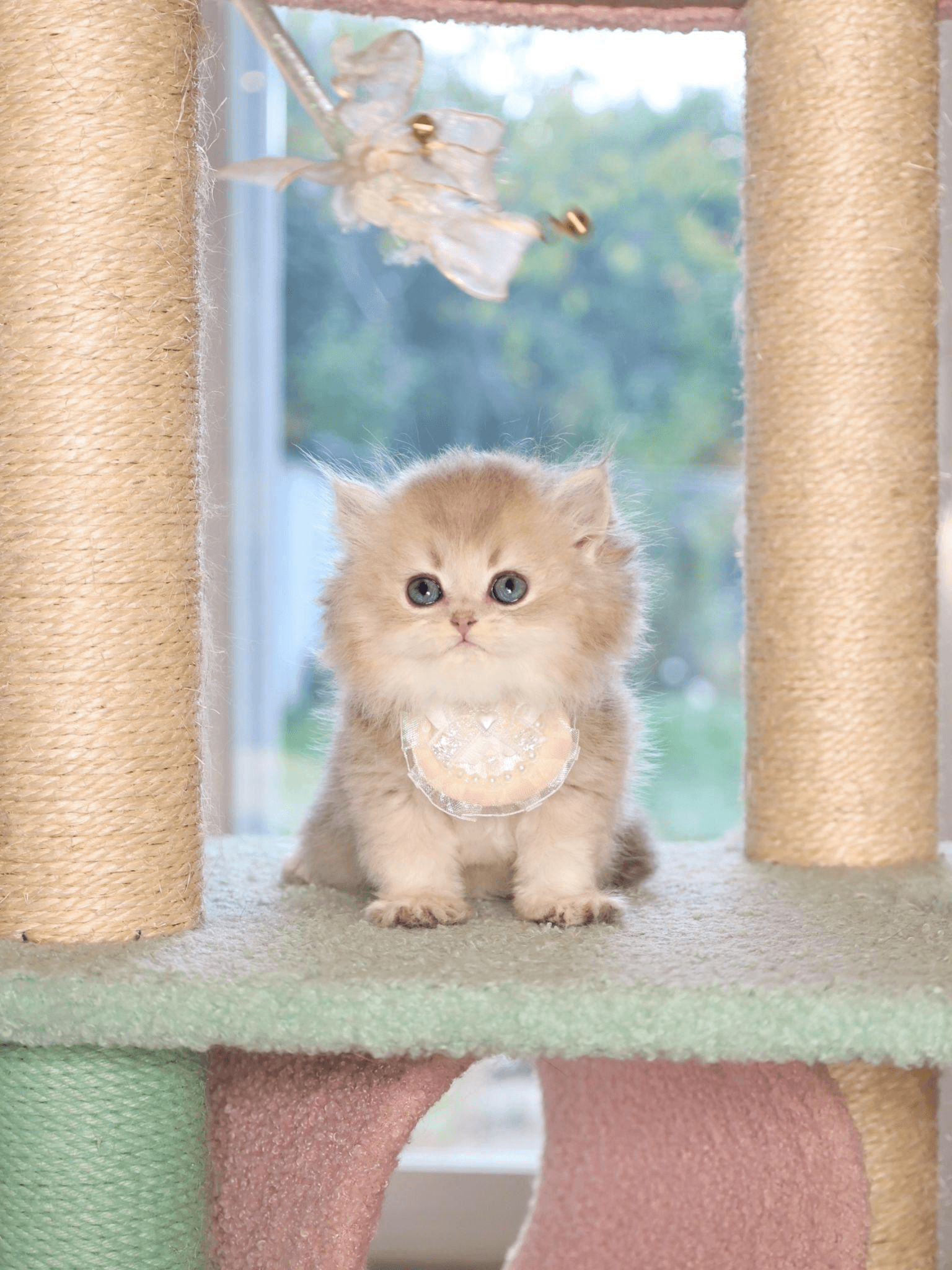
Bringing home a kitten is one of those life decisions that feels joyful and serious at the same time. You’re not just picking a pet; you’re choosing a companion who may share your home for the next 15–20 years.
Choosing your first kitten is about more than falling for the smallest face in the room; it’s about understanding behavior, health, lifestyle fit, and where your kitten comes from.
When you make an informed choice, you set both yourself and your future cat up for a calmer, happier life together. Below is a research-backed guide to help you select a kitten that truly fits your lifestyle.
Start With Your Lifestyle, Not the Look
One of the most common mistakes made by first-time buyers is prioritizing appearance over compatibility. Research emphasizes that mismatched activity levels and social needs are a leading cause of cat relinquishment to shelters. Your daily routine matters more than coat color or the eye shape of the cat.
Ask yourself:
- How many hours a day am I home?
- Do I want a lap cat or a playful explorer?
- Am I sensitive to noise, shedding, or high energy?
For example, people who work long hours often do better with calmer, independent breeds or adult kittens with established personalities. This is why some families turn to cattery programs, where behavior is already assessed, or seek guidance from ethical breeders who can match temperament to lifestyle

Breed Traits: What Science Says
Breed tendencies don’t guarantee personality, but they do influence energy level, sociability, and grooming needs. Different breeds exhibit behavioral differences in activity, aggression, and human sociability. Some well-documented examples:
- British Shorthairs are known for calm temperaments, low vocalization, and adaptability: qualities that suit apartment living.
- High-energy breeds may require more stimulation and interaction to prevent boredom-related behaviors.
This is why many first-time owners explore options like a British Shorthair cat breeder, especially when seeking a predictable temperament for a quieter household.
Understanding Kitten Temperament Cues
Kittens show early behavioral signals as young as seven weeks. According to studies, kittens that confidently approach humans and recover quickly from new stimuli are more likely to develop stable adult temperaments. When meeting kittens:
- Watch how they respond to handling.
- Look for curiosity without panic.
- Notice interaction with littermates; excessive fear or aggression can be a red flag.
Reputable breeders and adoption organizations should allow you time to observe and ask questions. Whether you’re considering a cattery or working with experienced cat breeders, transparency is key.
Health, Ethics, and Where Your Kitten Comes From
Where you get your kitten matters just as much as which kitten you choose. Early veterinary care, proper weaning, and socialization significantly reduce future health and behavioral issues in cats. Therefore, it's important to work with ethical breeders and shelters that typically provide:
- Veterinary records and vaccination history
- Genetic health screening (especially for purebred cats)
- Written health guarantees or return policies
If you’re researching options, look for cat breeders registered with recognized cat associations and willing to answer detailed questions; be cautious of listings with no health documentation or vague origins.
Activity Level and Environmental Fit
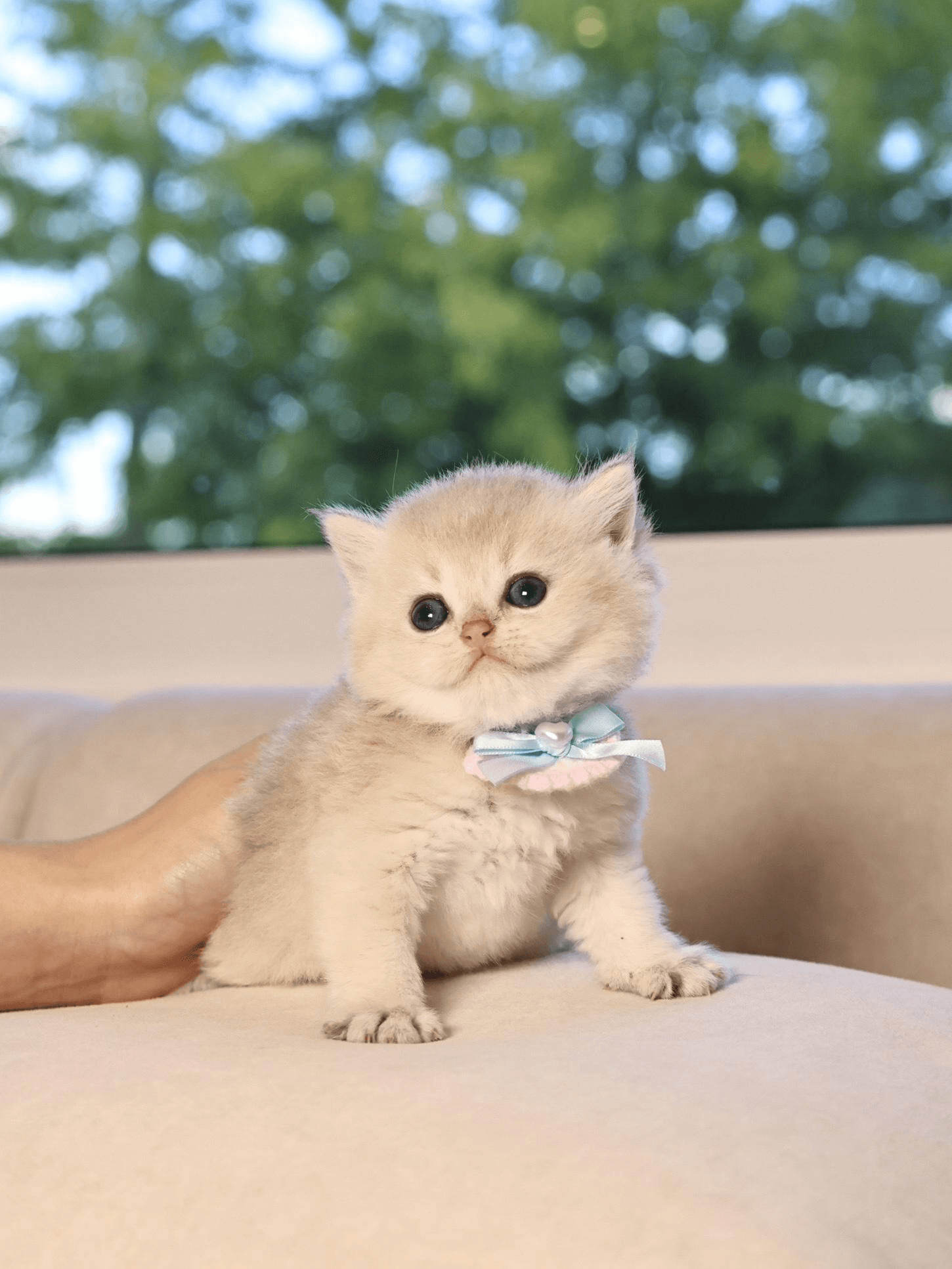
Indoor-only cats now make up the majority of pet cats in Canada, based on studies. Indoor environments require enrichment, especially for kittens with higher energy levels.
If you live in a small condo, a lower-energy kitten from a calm lineage may be ideal. Families in larger homes may enjoy a more playful cat. This is where experienced cat breeders can help guide your decision based on both genetics and early socialization.
Cost, Commitment, and Long-Term Care
The annual cost of cat ownership in Canada ranges from $800 to $1,500, excluding emergencies. Long-haired cats or breeds with specific health screening requirements may cost more over time.
Choosing responsibly, whether through cat breeders or specialized breeders, helps prevent unexpected expenses and emotional strain later.
Preparing Your Home Before Your Kitten Arrives
Even the most well-matched kitten can struggle if their new environment isn’t ready. Stress during the first weeks in a new home can impact a cat’s long-term confidence and behavior. Before bringing your kitten home, set up a quiet transition space with food, water, a litter box, scratching surfaces, and hiding spots.
Gradually introducing your kitten to new rooms helps prevent fear-based behaviors. This preparation is especially important for first-time owners working with cat breeders, as a smooth transition supports the socialization work already done by breeders or foster homes.
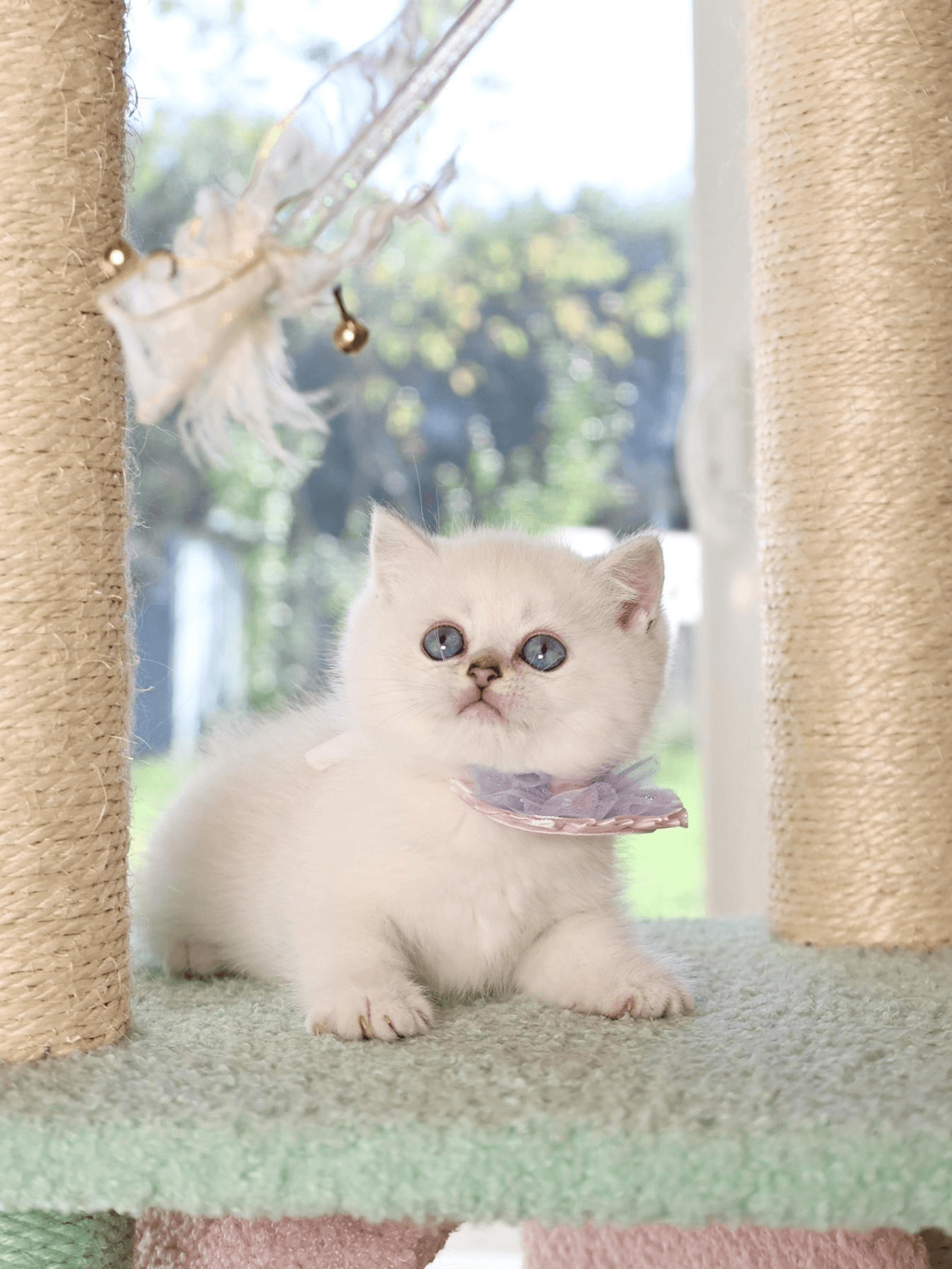
For a successful journey toward choosing your first kitten, you must show responsibility, care, and get peace of mind by choosing a cattery that supports you long after you bring your new companion home.
That’s where a trusted resource like CatKing Cattery steps in. As one of the best cat breeder options in Canada for British Shorthair and British Longhair kittens, we combine high standards of care with tangible support designed around your needs.
As a TICA, CFA, and WCF-registered breeder committed to ethical practices and the well-being of every kitten, we raise each kitten in a nurturing environment, where they undergo thorough veterinary and genetic screening to help ensure long-term health and temperament readiness for family life.
Experience firsthand the peace of mind that comes from responsible and caring breeding; contact us today.
2026-01-17