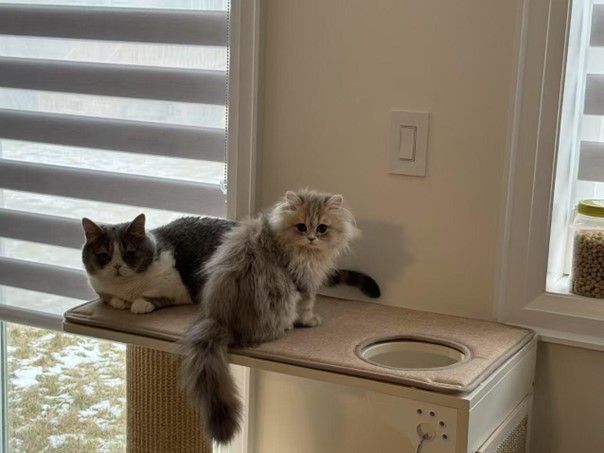




The Complete Guide to Golden Shaded, Blue Golden Shaded, and Silver Shaded British Cats
From: Catking Cattery
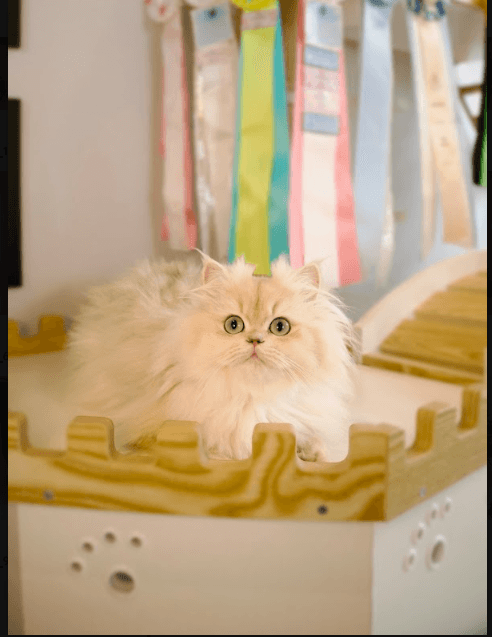
Three colours dominate current demand in British Shorthairs and Longhairs, and the terms get used loosely enough that buyers often are not sure what they are looking at. This is a plain reference to Golden Shaded British cats and the two colours most often confused with them.
No verdicts here on which is better and no commentary on which is fashionable. As a Royal British Cattery in Toronto we breed all three, and the aim is simply that you can read a listing accurately. Our cattery background covers the lines behind them.
What Shaded Actually Means
Shaded describes where the colour sits on each individual hair rather than the colour of the cat. Roughly the outer quarter of the hair carries pigment while the rest stays pale, so the cat reads as a light coat with a darker veil laid over it. UC Davis’s feline coat colour genetics resource explains how this banding pattern forms on the hair shaft in the first place.
The effect changes as the cat moves, because shifting hair exposes more or less of the pale base. That is why shaded cats look different in motion than they do standing still, and why still photographs are such an unreliable guide.
Registry material on reading cat colours sets out how the categories are named and grouped, which helps before you start comparing listings across catteries that describe the same colour differently.
How Shaded Sits Alongside Tipped and Smoke
Shaded is one point on a scale, and the neighbours either side explain it better than a definition does. Less pigment on the hair produces a tipped or chinchilla cat, where the colour is barely a dusting and the cat reads almost white.
More pigment produces a smoke, where colour runs down most of the hair and the pale base shows only when the coat parts. Shaded sits between the two.
The practical consequence is that a cat described as shaded by one seller might be called tipped by another. Depth of tipping is a judgement rather than a measurement, which is why the parent cats and the pedigree tell you more than the label does.
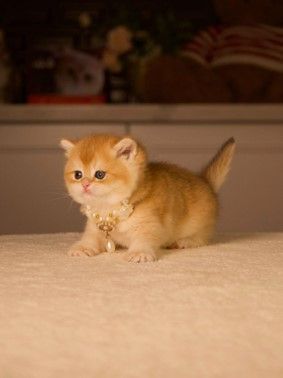
Golden Shaded
A warm apricot undercoat with black or dark tipping laid over it. The warmth is the defining feature, and it should run through the undercoat rather than sitting only on the surface.
Eye rims, nose leather and lips are outlined in a darker shade, and eyes are typically green. The nose leather itself often carries a brick or rose tone rather than black.
The common fault is tipping that runs too deep, which pushes the cat towards a tabby appearance and buries the golden base that gives the colour its name.
Blue Golden Shaded
The dilute version of the same recipe. The undercoat stays warm while the tipping shifts from black to blue, producing a softer, cooler veil over a golden base.
The contrast is gentler than in a standard golden, which is much of the appeal. Eye rims and nose outlining follow the dilute tone rather than appearing black.
It is harder to get right than either of the other two. Dilute tipping shows unevenness far more readily than dense black does, so patchiness along the flanks or spine is more visible on this colour than on any other.
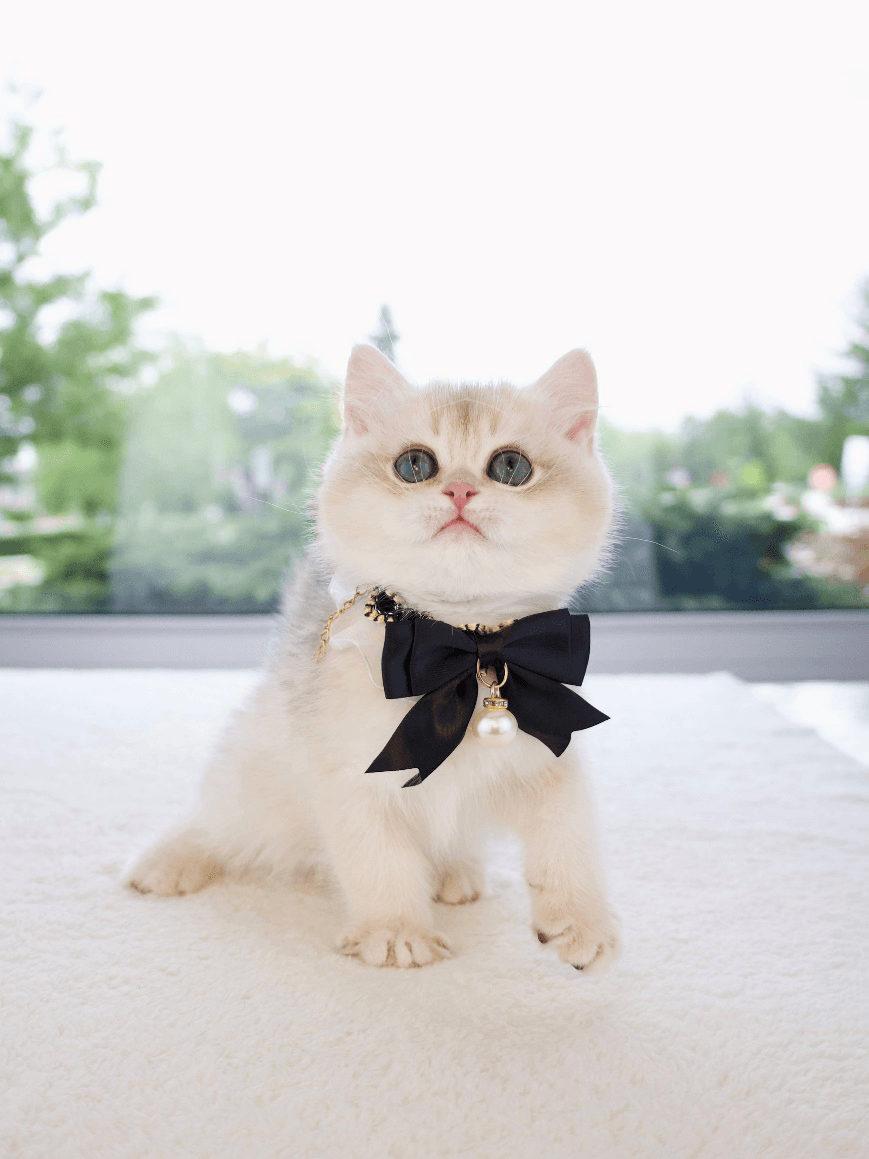
Silver Shaded
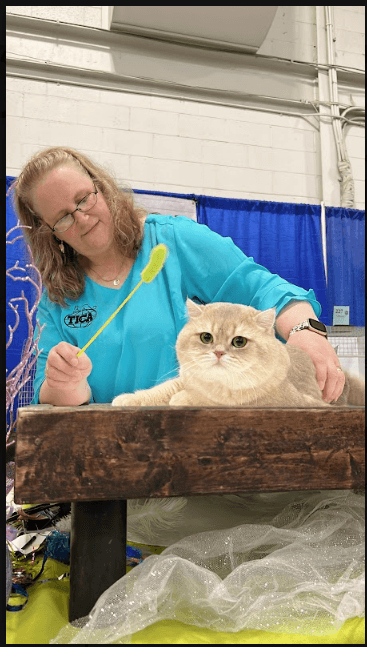
A pure white undercoat with black tipping over it, and no warmth anywhere in the coat. Residual warmth, often called tarnish, is the fault most commonly seen and the one breeders work hardest to remove, and it tends to appear first along the face and legs.
Green eyes and dark outlining around the eyes, nose and lips are typical, with brick red nose leather. Families searching for white kittens for sale in Toronto are usually picturing a silver shaded cat rather than a solid white one, which is a genuinely different colour with different genetics.
The published British breed standard is the reference point for how these colour classes are described and what faults count against them.
Eye Colour, Rims and Nose Leather
These details separate the three colours faster than coat tone does, and they are the first thing to check in a photograph that seems ambiguous.
Green eyes are standard across all three shaded colours, which distinguishes them immediately from the copper and gold eyes seen in blues and most solid colours. A shaded cat with orange eyes is unusual enough to ask about. The CFA British Shorthair standard confirms green as the expected eye colour across the shaded classes.
Outlining should be present and even. Rims that fade out, or nose leather in a tone that does not match the tipping, are both marks against the cat in a show context even where the coat itself is good.
The Same Colours in British Longhairs
All three appear in the longhaired variety, and the genetics are identical. What changes is presentation, because a longer hair shaft spreads the same tipping over more length.
The result is usually a softer, less defined veil than on a shorthaired cat of the same colour, and the undercoat shows through more readily when the coat moves. The British Longhair profile covers the coat differences in more detail.
Photographs Only Tell Part of the Colour Story
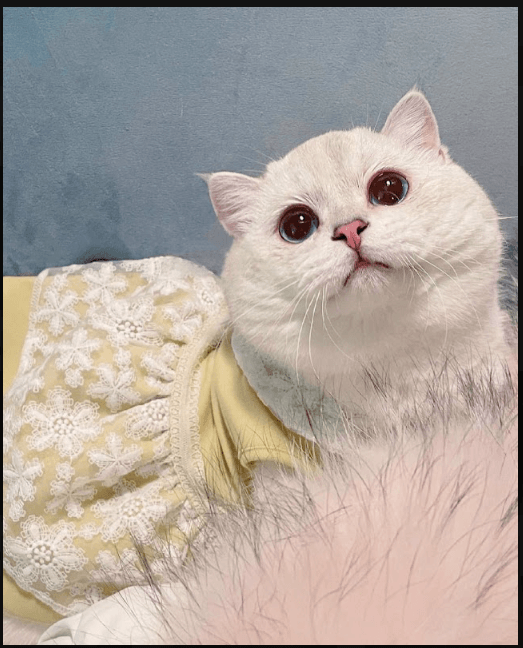
Warm indoor lighting pushes a silver towards cream and daylight drains the warmth out of a golden, so listings are an unreliable guide on their own. Ask for video in natural light, and ask to see the parents. Any British Shorthair kitten for sale in Toronto is also still developing, and tipping deepens well into the second year, which our British Shorthair pages illustrate across cats of different ages.
CatKing Cattery breeds all three shaded colours from TICA, CFA and WCF registered lines, with parent cats screened for HCM, PKD, PRA-PD and ALPS. As a UC Davis’s cat DNA testing panel lists what each of these screenings actually checks for. British Shorthair cattery in Toronto we send families photographs and live video across the whole reservation period so a coat can be watched as it develops.
Contact us and see which shades are currently available on our litter listings and compare them against the parents.
2026-09-26