



Understanding Color Genetics in British Shorthair and Longhair Cats
From: Catking Cattery
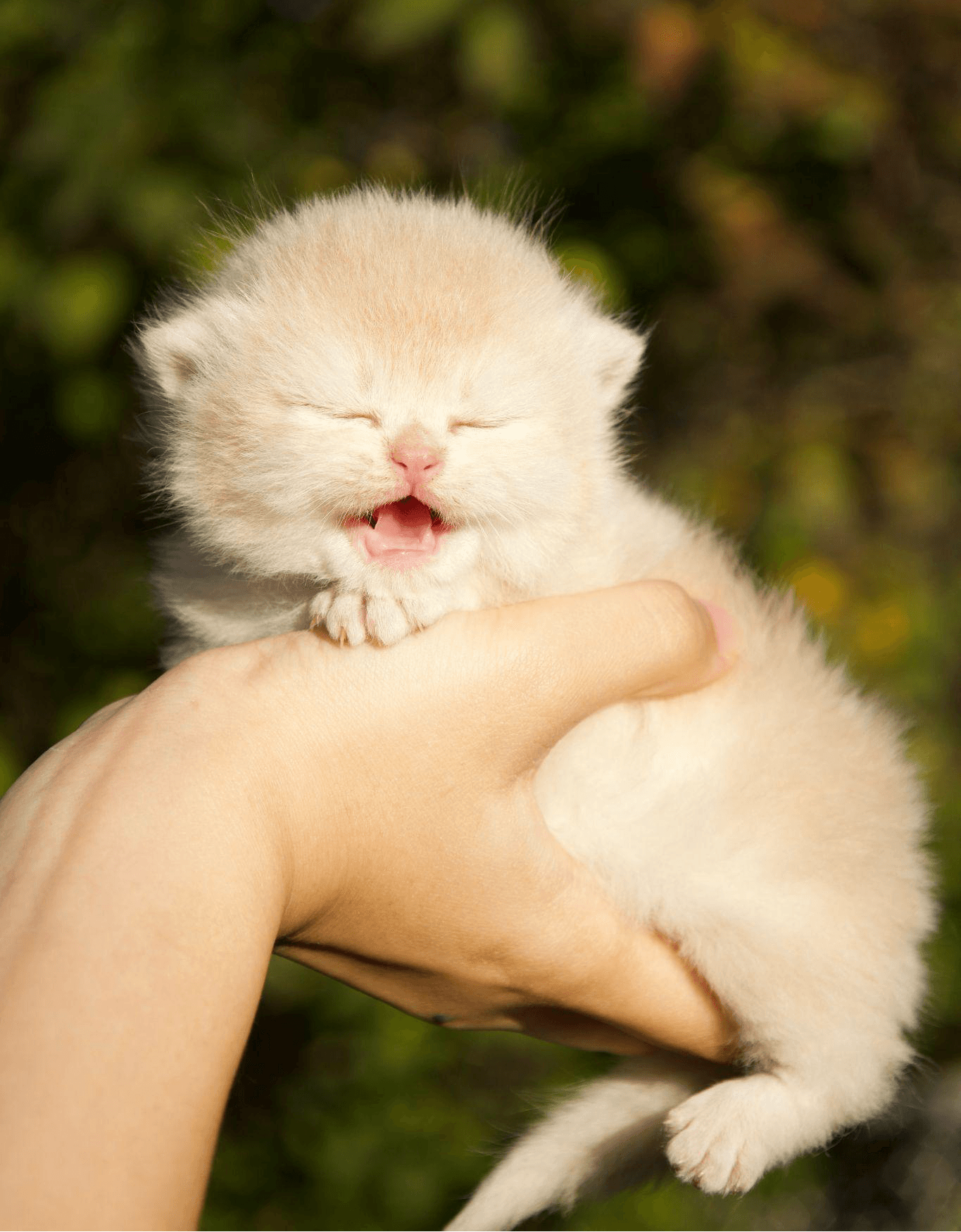
When you look at the plush coat of a British Shorthair or Longhair, with its velvet texture and rich hues, you’re seeing more than just beautiful fur; you’re seeing genetics in action. The science of color genetics in British Shorthair and Longhair Cats explains not only why these cats come in such varied shades and patterns but also why some colors are rarer and more prized than others.
For future owners confused by terms like “blue,” “shaded,” or “silver chinchilla,” this guide breaks it all down in a way that is simple, interesting, and backed by scientific insight.
The Basics: Pigments Power the Palette
At the heart of any cat’s coat color are two primary pigments: eumelanin and pheomelanin. Eumelanin produces darker tones such as black and brown, while pheomelanin generates red, cream, and related warm shades.
The combination and distribution of these pigments determine the wide range of colors seen in British Shorthairs and Longhairs.
Genes work as switches or modulators. For example, the Agouti gene influences whether a cat has banded hairs (creating tabby patterns) or a uniform “solid” color. When the agouti gene is inactive, cats often express a solid coat with no visible tabby markings.
Dominant vs. Recessive: Who Wears What?
Genes can be dominant or recessive, and this plays a huge role in what colors we see in kittens. Dominant genes express their traits even if only one copy is inherited from a parent. For instance, dominant genes can lead to traditional blue or black coats in British Shorthairs.
In contrast, recessive genes must come from both parents to show in the kitten; this is why rarer shades like chocolate, lilac, or cream are less common.
This genetic mechanism explains why breeders who aim for specific rarer colors must carefully select both parents: the chances of getting a chocolate or lilac kitten, for example, rise only when both parents carry those recessive genes.
Patterns: Not Just Color, But Design
Patterns like tabby, shaded, or bicolor are not simply aesthetic; they are genetic expressions too. The Agouti (A) gene gives hairs alternating light and dark bands, creating tabby patterns. Without the agouti gene, coats appear solid.
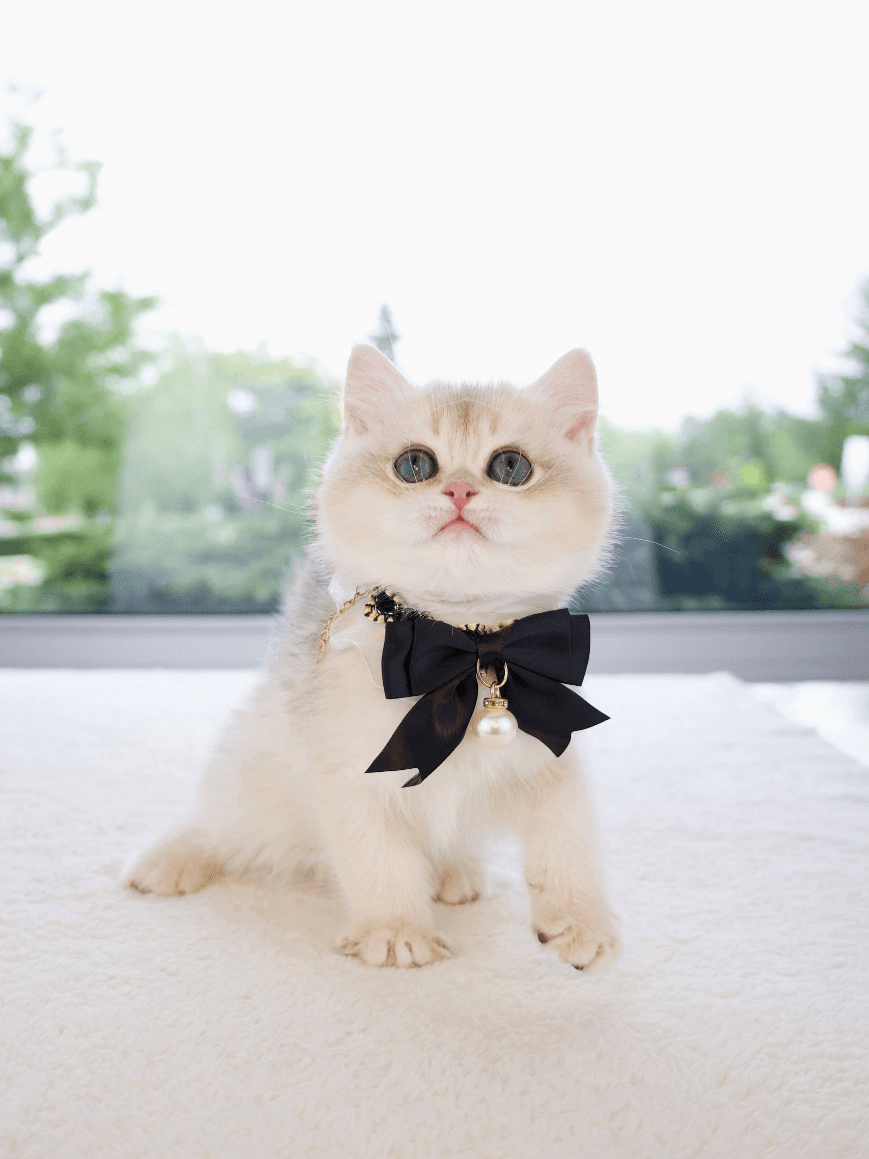
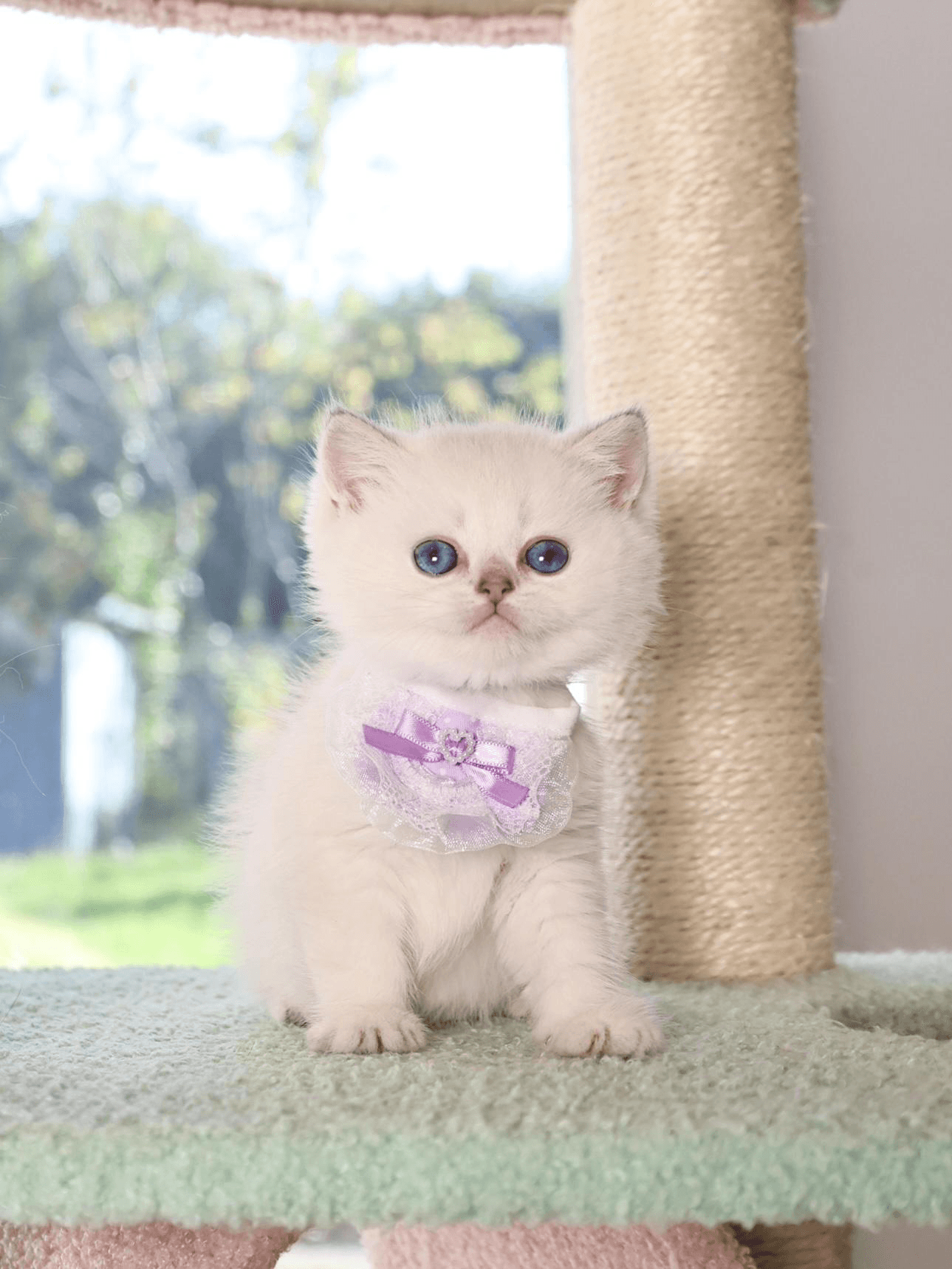
Another genetic player is the Inhibitor gene, which affects how pigment is distributed along the hair shaft. When present, it can result in shaded or silvery coats, where the base of the hair is lighter than the tips, adding depth and brilliance to the coat.
White patterns, including bicolor and “van” patterns (where color appears only on parts of the body), stem from the white spotting gene, which influences how color pigments migrate (or don’t) during development.
Coat Length: Shorthair vs. Longhair Genes
While this guide focuses on color, it’s worth noting that coat length itself is genetic. The gene for shorthair is dominant, meaning that if a kitten inherits at least one copy of the shorthair gene, it will have a short coat.
Longhair, like in British Longhair cats, is recessive; kittens need two copies of the longhair gene to express longer fur.
Common and Rare Colors Explained
Some colors and patterns are more familiar to cat lovers, but others are rarer, not because they’re less attractive, but because the genetics behind them are more complex.
Classic Blue (Gray): This iconic British Shorthair color results from the dilution of black pigment via the dilution gene. It’s one of the most common and breed-defining colors.
Black & Brown Shades: The trait for black or brown (such as chocolate) involves the B gene locus, where recessive alleles produce chocolate or cinnamon shades when inherited from both parents.
Red & Cream: These hues come from pheomelanin and are governed by the orange gene on the X chromosome, which is why orange cats tend to be male more often than female.
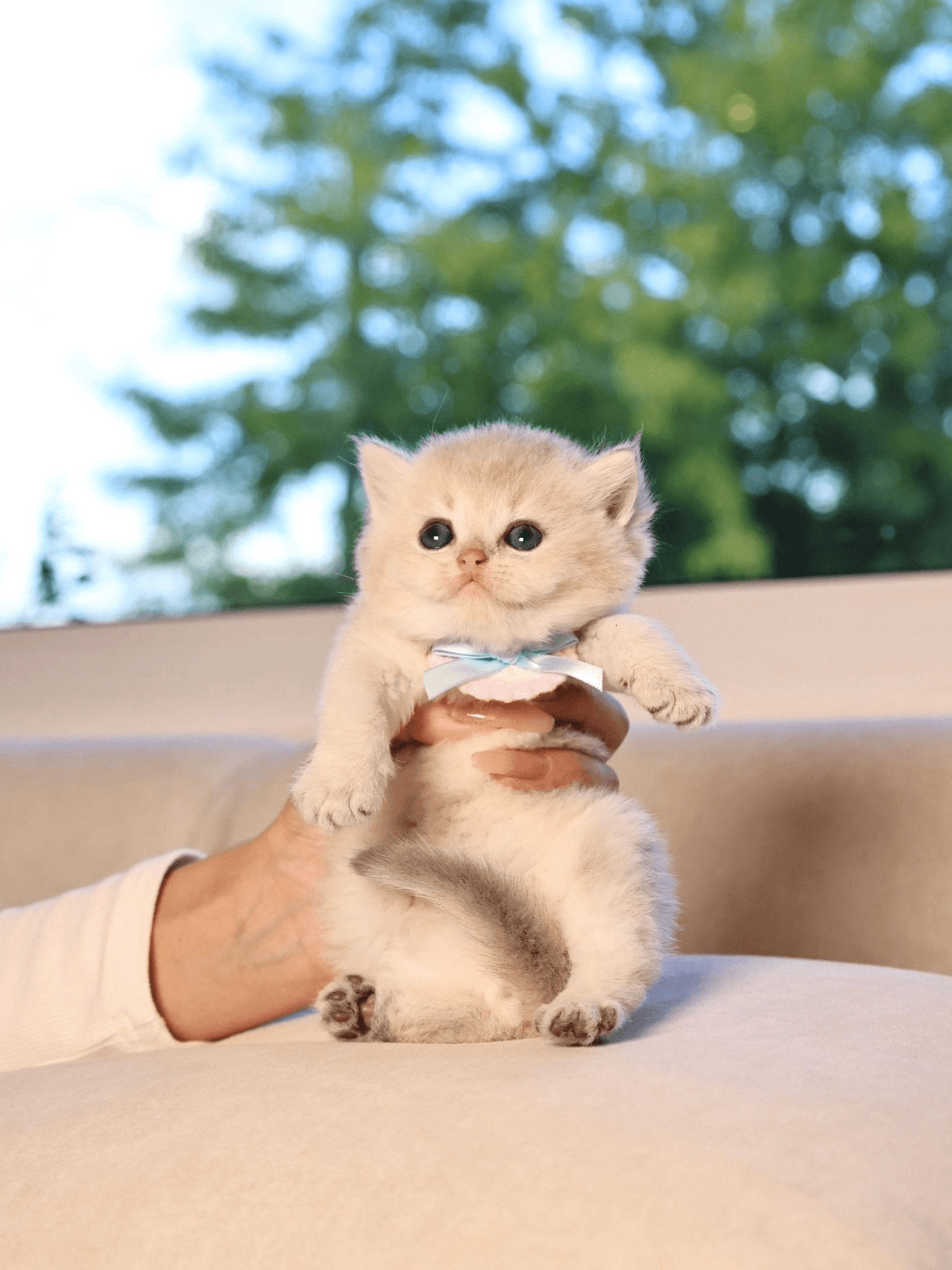
Silver & Shaded Coats: These ethereal patterns require the combination of multiple genes that limit pigment and alter how each hair is colored. These genes can create shimmering coats that are especially prized (and rarer) in the cat fancy community.
Why Does Color Matter to Owners?
For future owners, understanding color genetics can enhance appreciation of your cat’s unique look, but it also has practical implications. Certain colors can influence price or rarity, especially when dealing with breeders who specialize in particular hues.
For example, breeders aiming for silver, shaded, or other rare colors often invest years in careful pairing and responsible line planning.
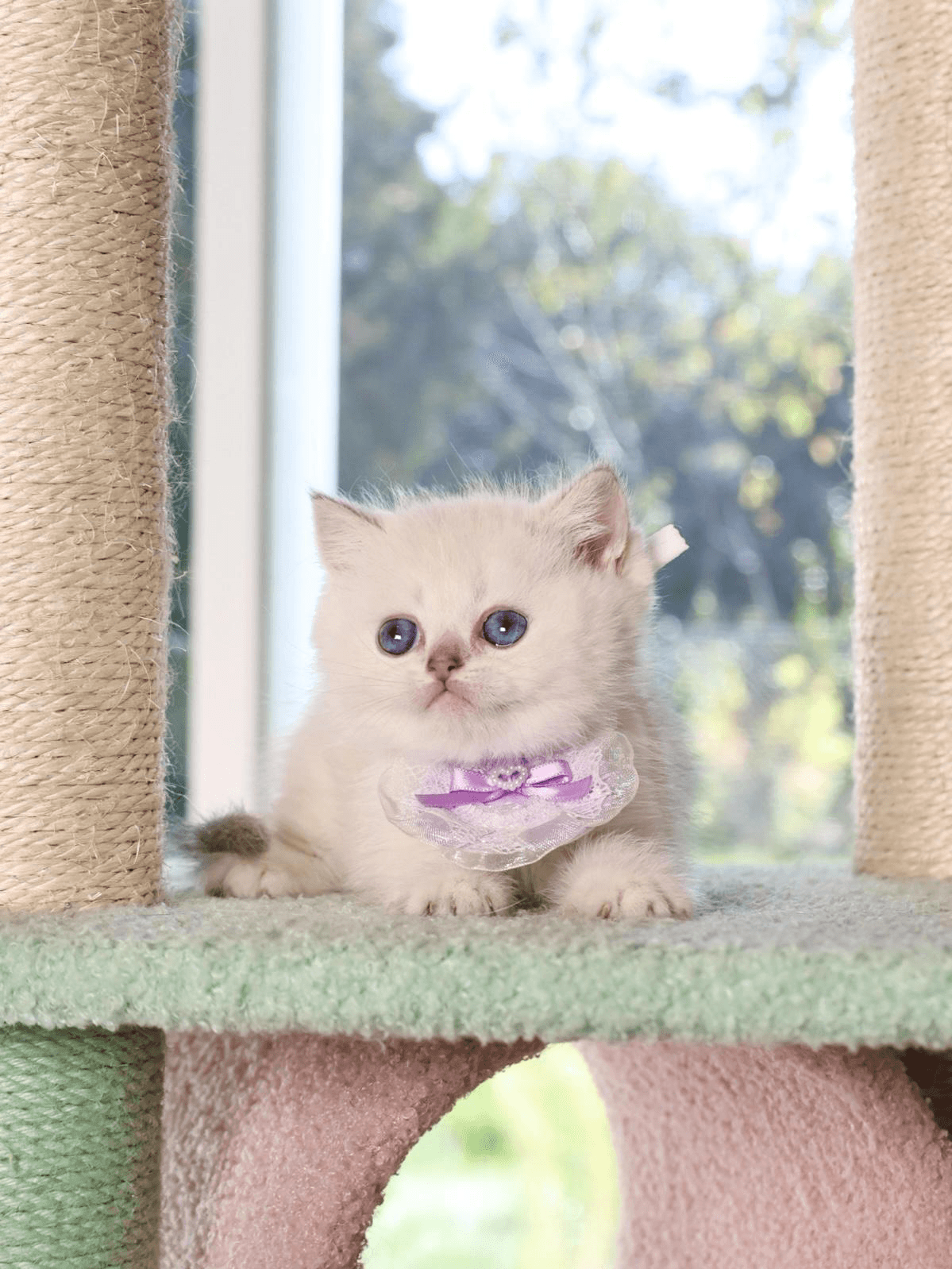
Understanding color genetics in British Shorthair and Longhair cats helps you appreciate why each kitten’s coat, pattern, and rarity are more than skin deep. When it comes to finding a kitten whose appearance and temperament reflect the beauty of that science, choosing a reputable source matters.
As a cat breeder in Canada and a legally registered cattery recognized by leading associations like TICA, CFA, and WCF, CatKing Cattery focuses on breeding healthy, well‑socialized British Shorthair and British Longhair kittens with exceptional physical traits and stable temperaments.
We emphasize comprehensive health screening, temperament shaping through early socialization, and lifelong support, ensuring you’re supported at every step. Ready to find a kitten whose genetics, beauty, and personality are all thoughtfully cultivated? Contact us today to explore available kittens.
2026-03-20