Backyard Breeders vs. Ethical Breeders: How to Tell the Difference
From: Catking Cattery
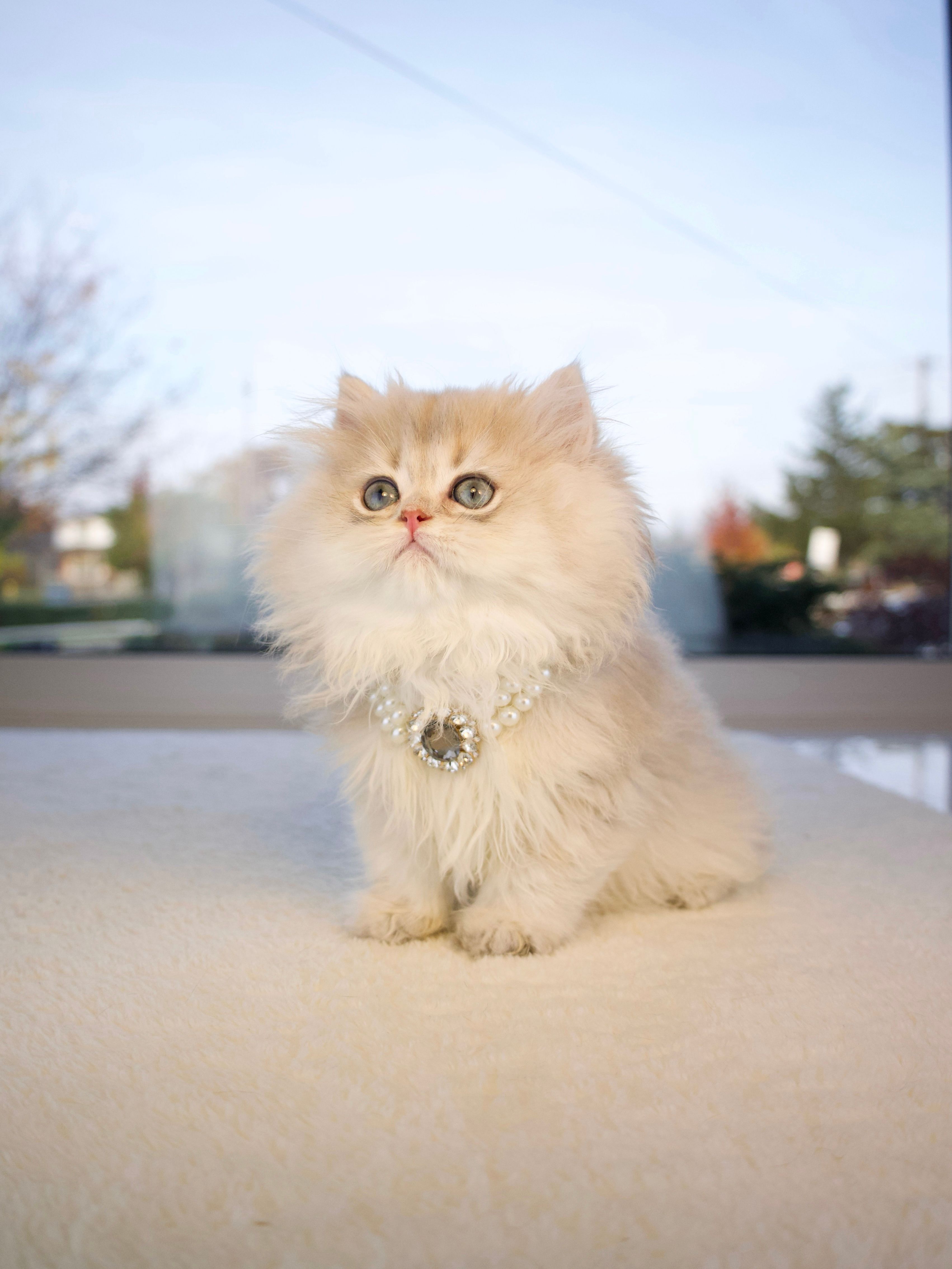
The difference between backyard breeders and ethical breeders extends far beyond appearances or price tags. It reflects values, responsibility, and respect for animal welfare. For those planning to buy British Shorthair kittens in NYC, understanding these distinctions ensures that their future companion comes from a caring environment, not an operation focused solely on profit.
Ethical breeders prioritize the health, temperament, and long-term well-being of their cats, while backyard breeders often lack the knowledge, resources, and ethics to maintain proper standards.
Understanding Backyard Breeders
Backyard breeders are individuals who breed cats without adequate experience, genetic testing, or adherence to breeding standards. While some may start with good intentions, their lack of understanding often results in unhealthy kittens and distressed mothers.
Their focus tends to be quick sales rather than animal welfare. These breeders may advertise kittens online, using appealing photos but offering little to no documentation about health, vaccinations, or lineage.
Kittens from such environments often face preventable health issues, including respiratory infections, parasites, and genetic disorders. The emotional cost is equally high, as cats raised without proper care or socialization can struggle with anxiety, fear, or aggression. Backyard breeding practices harm not only the animals involved but also the reputation of legitimate breeders who work tirelessly to uphold standards.
The Core Values of Ethical Breeders
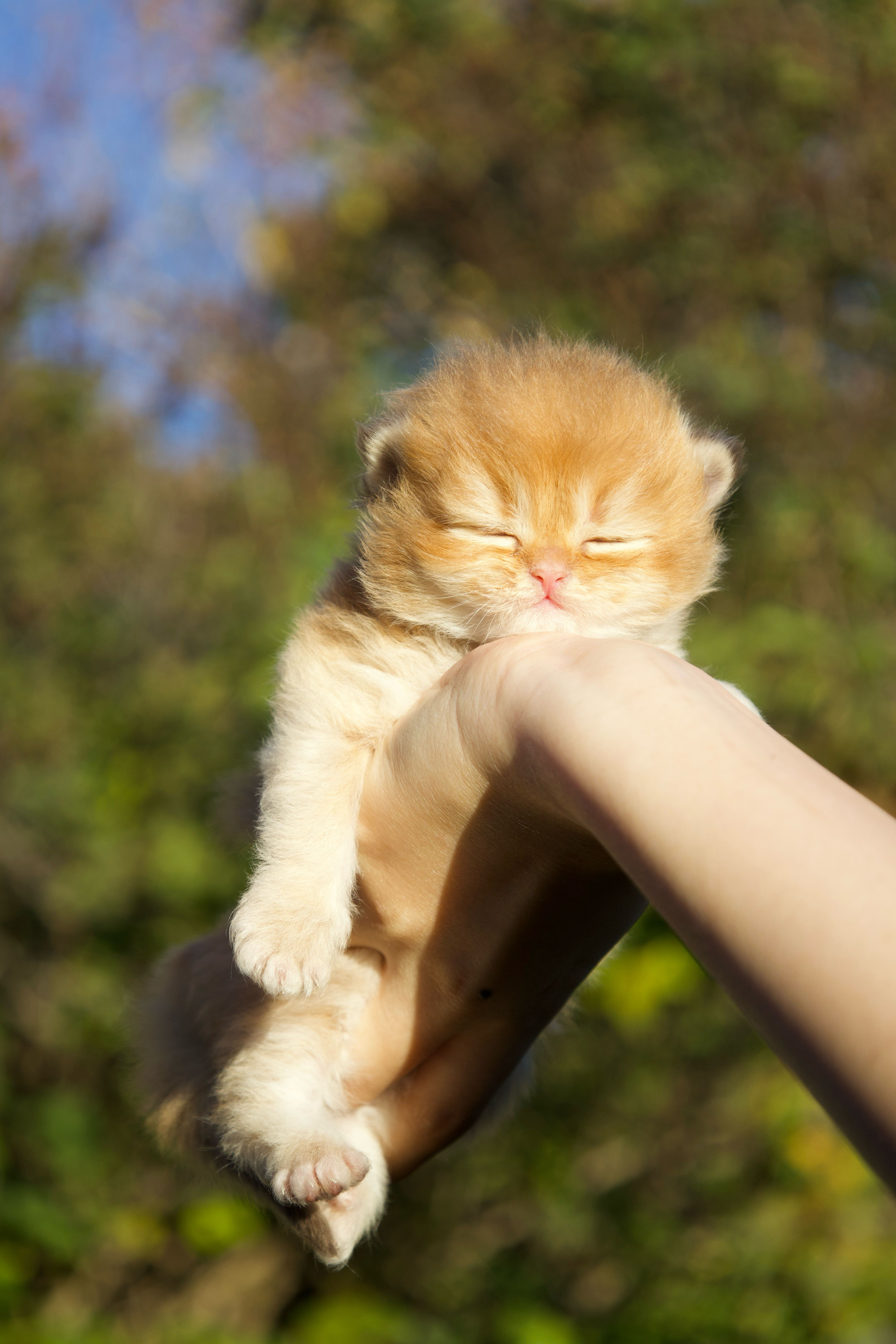
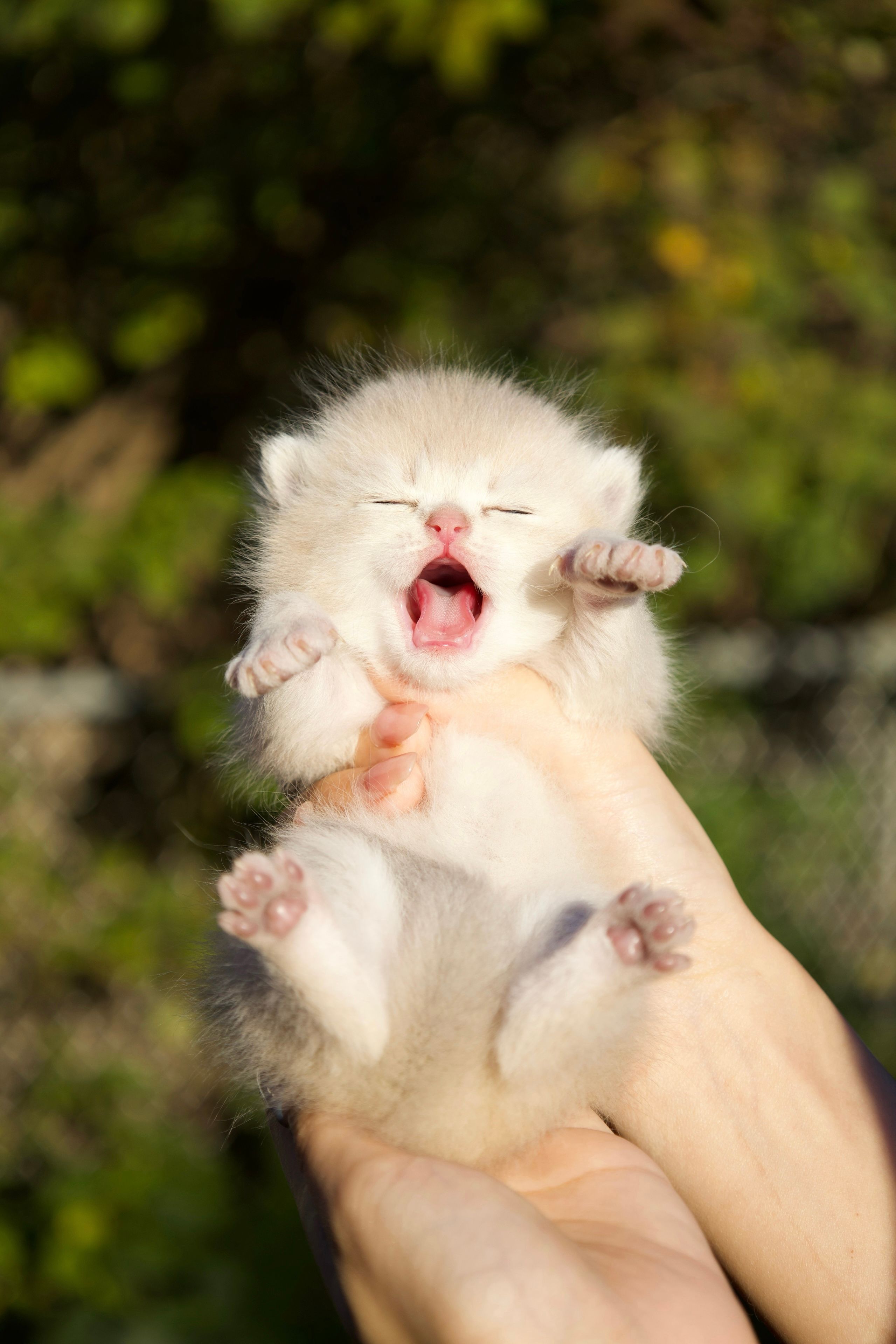
Ethical breeders operate from a foundation of integrity and responsibility. Their goal is to enhance the breed, not simply reproduce it. They invest time, knowledge, and resources to ensure that every litter improves in health, temperament, and structure. Such breeders carefully select parent cats based on medical history, behavior, and adherence to breed standards.
Transparency is one of their strongest principles. Ethical breeders provide full health documentation, including genetic testing results and vaccination records. They welcome potential buyers to visit their cattery, observe the cats’ environment, and ask questions. They often maintain lifelong communication with new owners, offering guidance and support long after adoption.
Red Flags That Indicate a Backyard Breeder
Recognizing warning signs can prevent heartbreak later. Prospective owners should watch for breeders who refuse home visits, rush transactions, or lack clear medical records. A breeder unwilling to show the mother cat or the living conditions is likely hiding something. Other red flags include selling kittens before eight weeks of age, avoiding written contracts, or offering “discounts” for quick purchases.
Ethical breeding is never about cutting corners. True breeders prioritize proper socialization, health checks, and a gradual transition to new homes. Any operation that treats kittens as disposable or mass-produced should be avoided entirely.
Why Ethical Breeding Matters for Long-Term Health
Ethical breeders ensure genetic testing to prevent hereditary diseases common in certain breeds. This careful selection results in kittens with stronger immune systems, stable temperaments, and longer lives. For example, responsible breeding of British Shorthair and British Longhair cats reduces the risk of conditions like hypertrophic cardiomyopathy (HCM) and polycystic kidney disease (PKD).
In contrast, backyard breeding often leads to unmonitored pairings, where inherited diseases are passed down through generations. Kittens may appear healthy at first, but develop serious conditions later in life, leaving owners with emotional and financial burdens.
The Role of Environment and Socialization
A cat’s early environment shapes its lifelong behavior. Ethical breeders raise kittens in clean, enriched settings with constant human interaction. They introduce gentle handling, toys, and normal household sounds to foster confidence and sociability. Backyard breeders, however, often keep kittens in cramped, unsanitary conditions with minimal interaction.
This lack of early socialization can result in fearful, withdrawn, or overly aggressive cats. When a kitten grows up in a nurturing home environment, it learns to trust humans, adapt to new surroundings, and develop balanced behaviors—qualities every loving pet owner seeks.
Certifications, Licensing, and Reputation
Ethical breeders operate under clear regulations. They are usually licensed cat breeders in New York or members of reputable breeding associations that enforce codes of conduct. Certification ensures accountability and demonstrates adherence to animal welfare laws
Backyard breeders often operate without oversight. They rarely participate in recognized breeding organizations, and many avoid veterinary supervision altogether. Prospective buyers can verify a breeder’s legitimacy by checking licensing credentials, online reviews, and referrals from other pet owners or veterinarians.
Why Price Shouldn’t Be the Only Factor
While purebred kittens from ethical breeders often cost more upfront, that investment supports responsible practices, quality healthcare, and the kitten’s long-term well-being. Backyard breeders may offer lower prices, but hidden costs—such as veterinary bills, behavioral issues, or emotional distress—can far outweigh the savings.
How to Choose the Right Breeder
Selecting a breeder requires research, observation, and intuition. Responsible breeders are open, patient, and happy to educate potential owners. They never pressure a sale and will ask questions to ensure their kittens are going to suitable homes.
Prospective owners should review contracts carefully, confirm vaccination and microchip details, and visit in person when possible. Meeting the breeder, the kittens, and the parents provides reassurance that the operation is ethical.
Choose Ethical Breeding for a Healthy, Happy Kitten
Understanding the difference between backyard breeders vs. ethical breeders protects not only cats but also the families who bring them home. Ethical breeders uphold compassion, care, and professionalism, ensuring that each kitten is a healthy and emotionally balanced companion.
For anyone seeking reputable sources such as British Longhair cats available, kittens from the best cattery, or an affordable cattery in NYC, choosing responsible breeding guarantees peace of mind and lifelong happiness. For those ready to welcome a well-raised feline into their home, CatKing Cattery exemplifies the values of ethical breeding. Contact us today.
2025-10-26