



British Longhair Cats: Temperament, Grooming, and Lifestyle
From: Catking Cattery
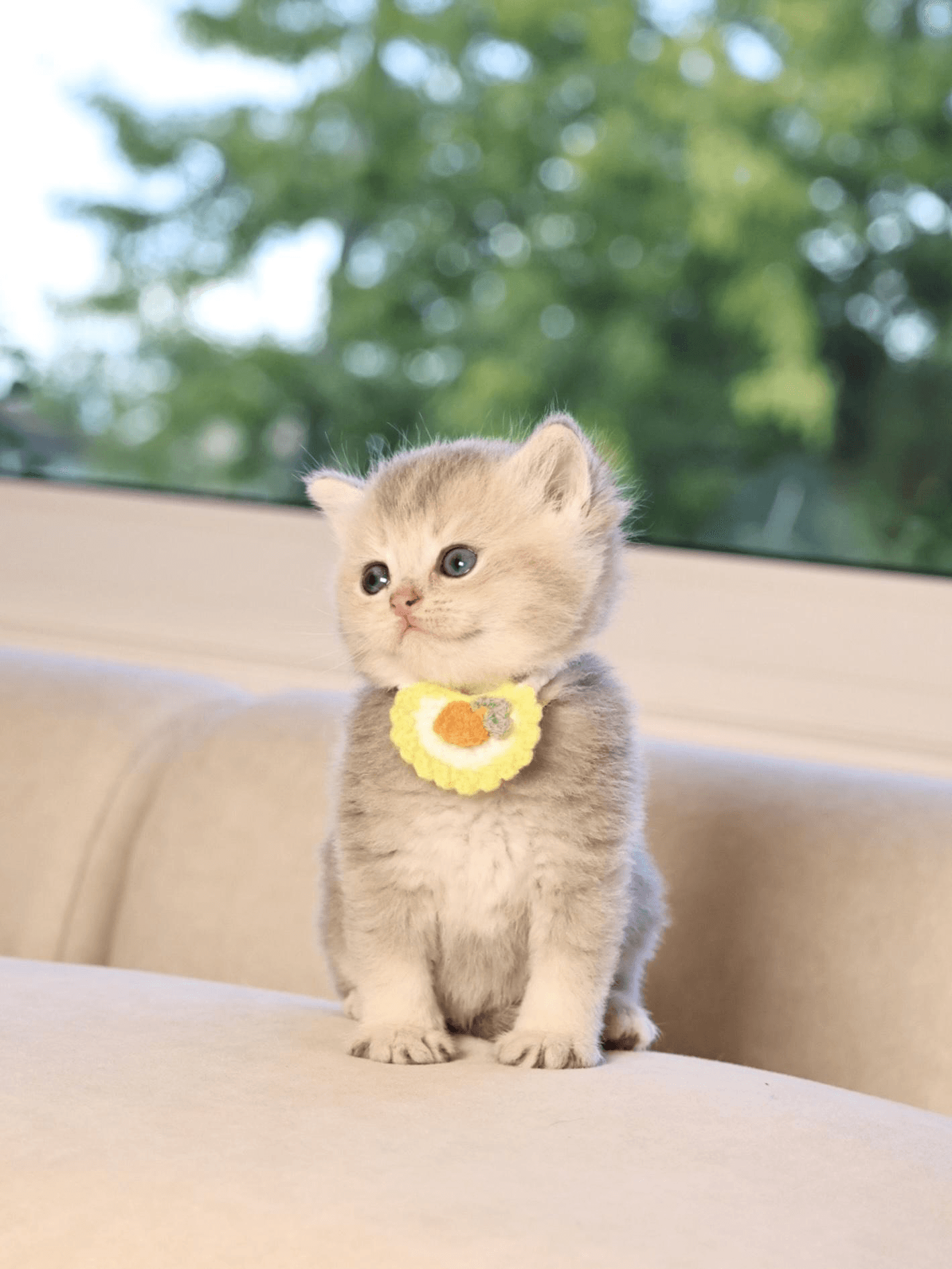
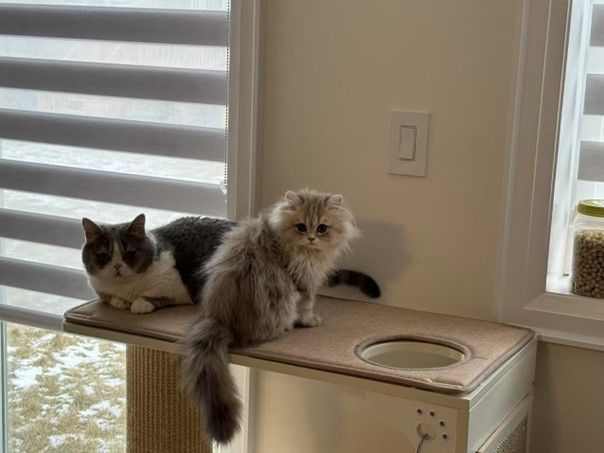
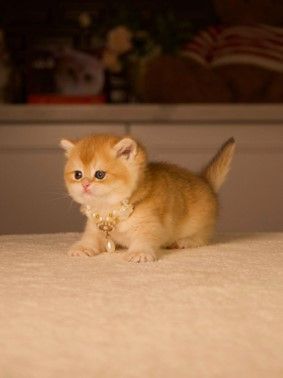
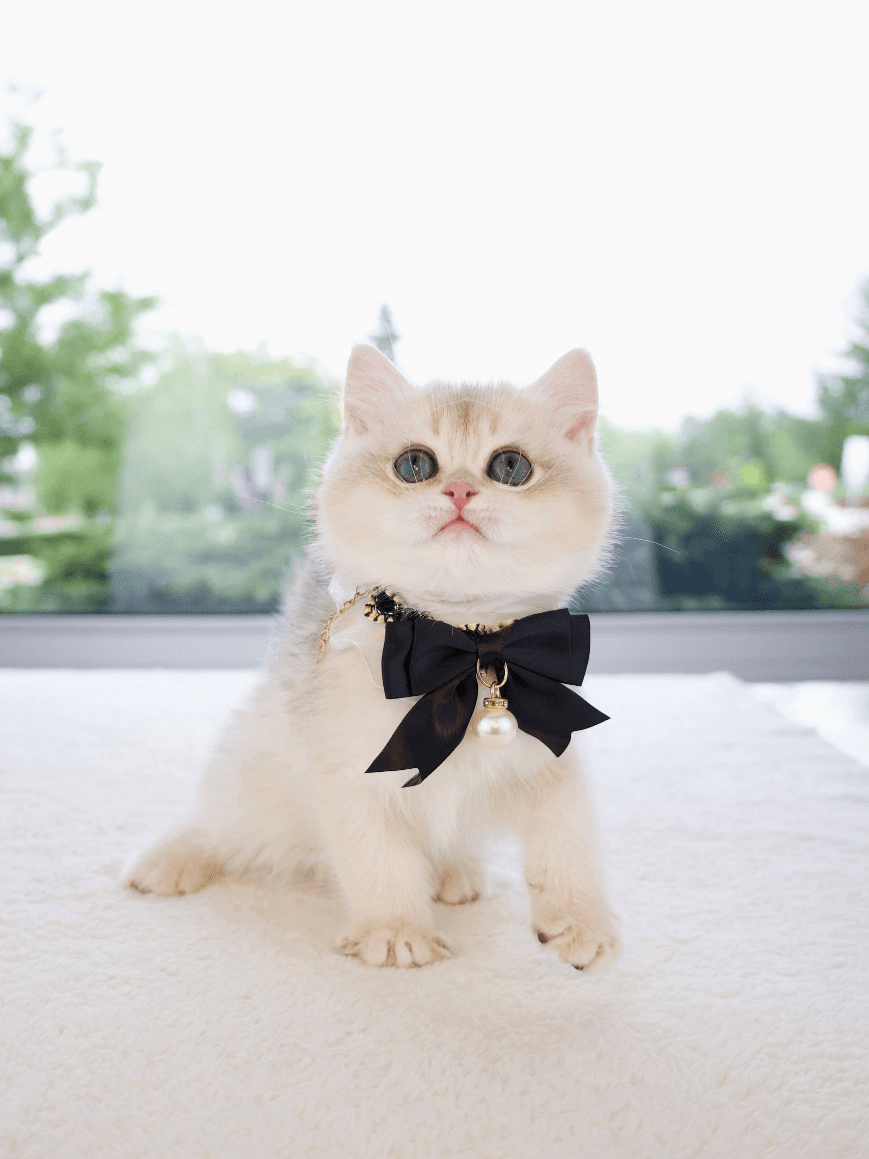
Long, plush, and impossibly soft, British Longhair cats in Buffalo have captured the hearts of cat lovers around the world. However, beyond their gorgeous coats lies a unique blend of temperament, adaptability, and easy-going charm that sets them apart among domestic felines.
Whether you’re considering adding one to your family or simply love learning about cat breeds, here are a few characteristics to appreciate in this dignified yet affectionate companion.
The Allure of British Longhairs
The personality traits of British Longhair cats make them stand out in the feline world. They are often described as calm, composed, and gentle, traits that come from their mixed heritage, combining the classic British Shorthair composure with a touch of Persian warmth.
Unlike breeds known for high energy or vocal demands, British Longhairs are comfortable with a relaxed pace of life.
They generally prefer to be near you, but they’re not likely to incessantly demand attention; this quiet temperament works beautifully for many households.
A Coat That Turns Heads (and Requires Care)
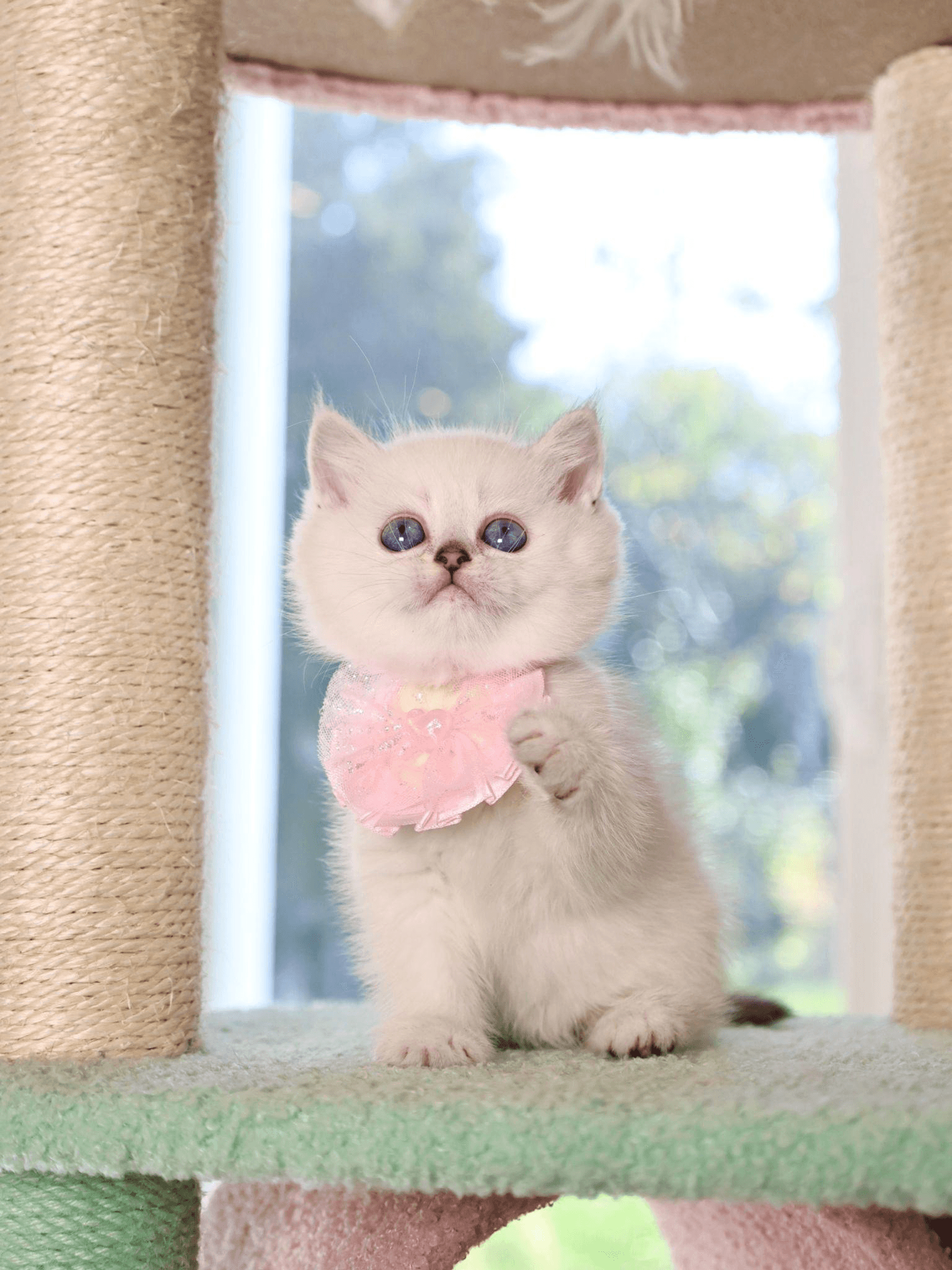
One of the first things you’ll notice about a British Longhair is its lush, dense semi-long coat. This plush cape isn’t just for show; it’s a defining trait that requires thoughtful grooming.
Although not as high-maintenance as the ultra-silky coats of Persians, the British Longhair’s fur benefits from regular brushing. A minimum of two to three times per week helps keep tangles and mats at bay and reduces shedding around the home.
During peak shedding seasons, typically spring and fall, consider increasing grooming frequency to daily sessions. Season-specific grooming not only manages loose fur but also reduces the likelihood of hairball formation, a common side-effect of long, dense fur.
Here’s a quick grooming checklist:
- Brushing: 2–3× weekly (more in shedding seasons) with a slicker brush and wide-tooth comb.
- Bathing: Rare, as most British Longhairs self-clean; only occasional bathing with cat-safe shampoo is needed.
- Nails & Teeth: Regular trimming and dental checks help keep overall health in check.
Temperament That Fits Many Lifestyles
British Longhairs strike a rare balance: affectionate without being needy, loyal without being clingy. They thrive in calm environments where routines are predictable.
These cats do well in:
- Families with children (gentle, respectful play is best).
- Multi-pet homes with dogs and other cats, if introductions are slow and respectful.
- Apartments or houses with moderate space and a safe territory.
British Longhair cats are not the most energetic breed; bursts of playfulness may occur, especially with brushes or interactive toys, but they quickly return to lounging or quiet companionship.
Health, Diet, and Lifespan
Generally, British Longhairs are healthy cats with a lifespan often ranging from 12 to 17 years when properly cared for. However, this laid-back lifestyle and hearty appetite make weight management and enrichment important.
Obesity can increase risks for diabetes, joint stress, and heart strain, so balanced feeding and regular low-impact play are essential.
Because of their Persian lineage, hereditary health conditions such as polycystic kidney disease (PKD) and hypertrophic cardiomyopathy (HCM) are common among British Longhairs. Responsible breeders screen for these conditions to reduce risks in kittens.
Mental Stimulation and Indoor Enrichment
While British Longhair cats are known for their relaxed nature, mental enrichment still plays a key role in their overall well-being. Studies have shown that environmental stimulation, such as puzzle feeders, vertical spaces, and interactive play, can reduce stress-related behaviors and support cognitive health, especially in indoor cats.
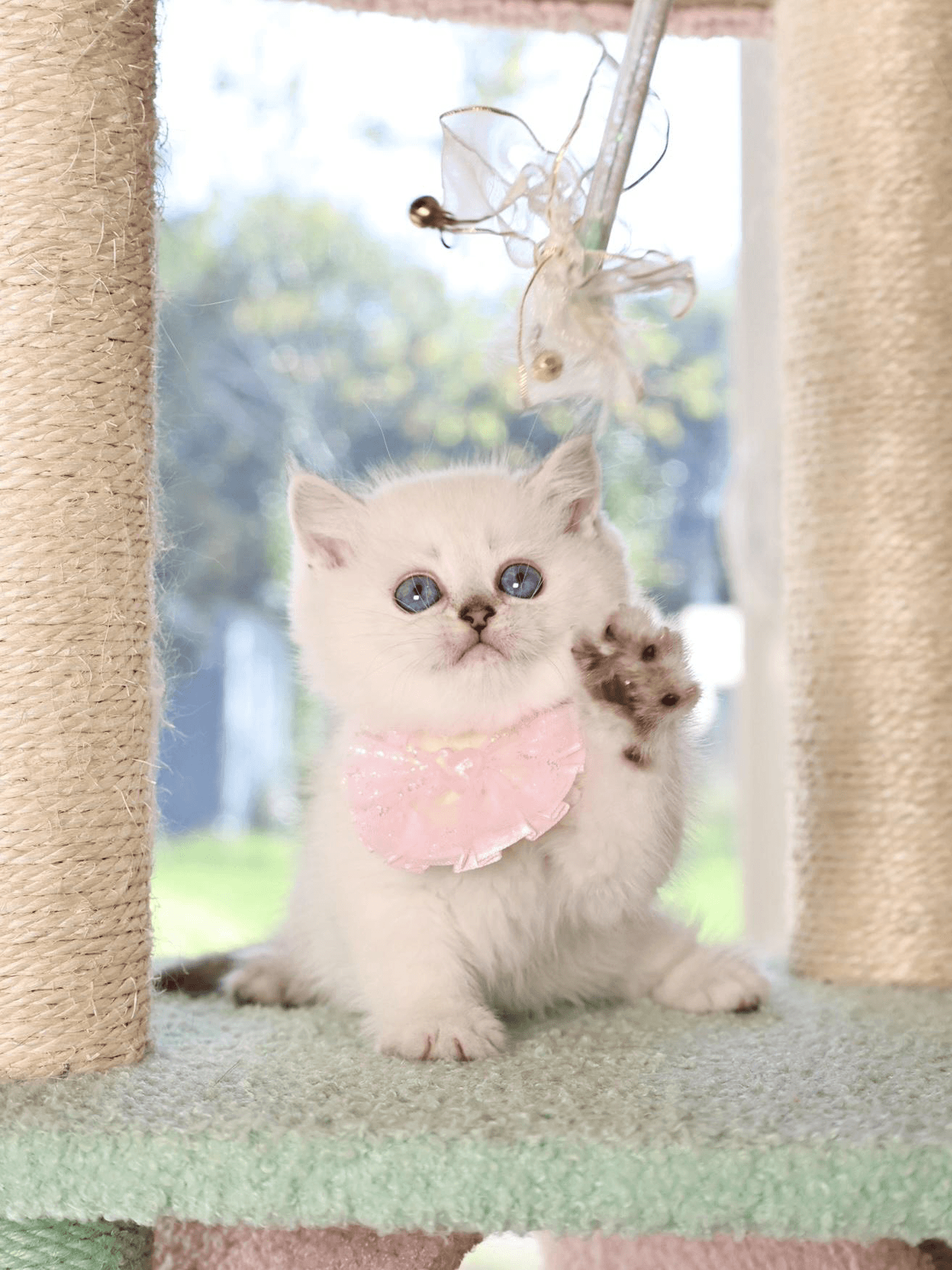
British Longhairs tend to prefer low-intensity engagement, making window perches, soft climbing towers, and short daily play sessions with wand toys ideal.
Rotating toys and offering food-based enrichment encourages natural hunting behaviors without overwhelming their calm temperament, helping maintain both mental sharpness and healthy weight over time.
Bringing a British Longhair Into Your Home
If you’re considering welcoming a British Longhair into your life, it’s worth depending on responsible sources to ensure healthy, well-socialized kittens with documented lineage.
Always be cautious of sellers offering cats without clear health histories or registration. Reputable breeders will openly share health screens, vaccination records, and breed standards. Look for references, review documented health testing, and ask breeders detailed questions before committing.
A Furry Friend Worth the Effort
The British Longhair cat isn’t just a pretty face. The personality traits of British Longhairs range from calm and confident to gentle and affectionate, making them a delightful companion for a wide range of homes.
While their luxurious coats require regular grooming and mindful care, the reward is a loving, steady presence that enriches daily life.
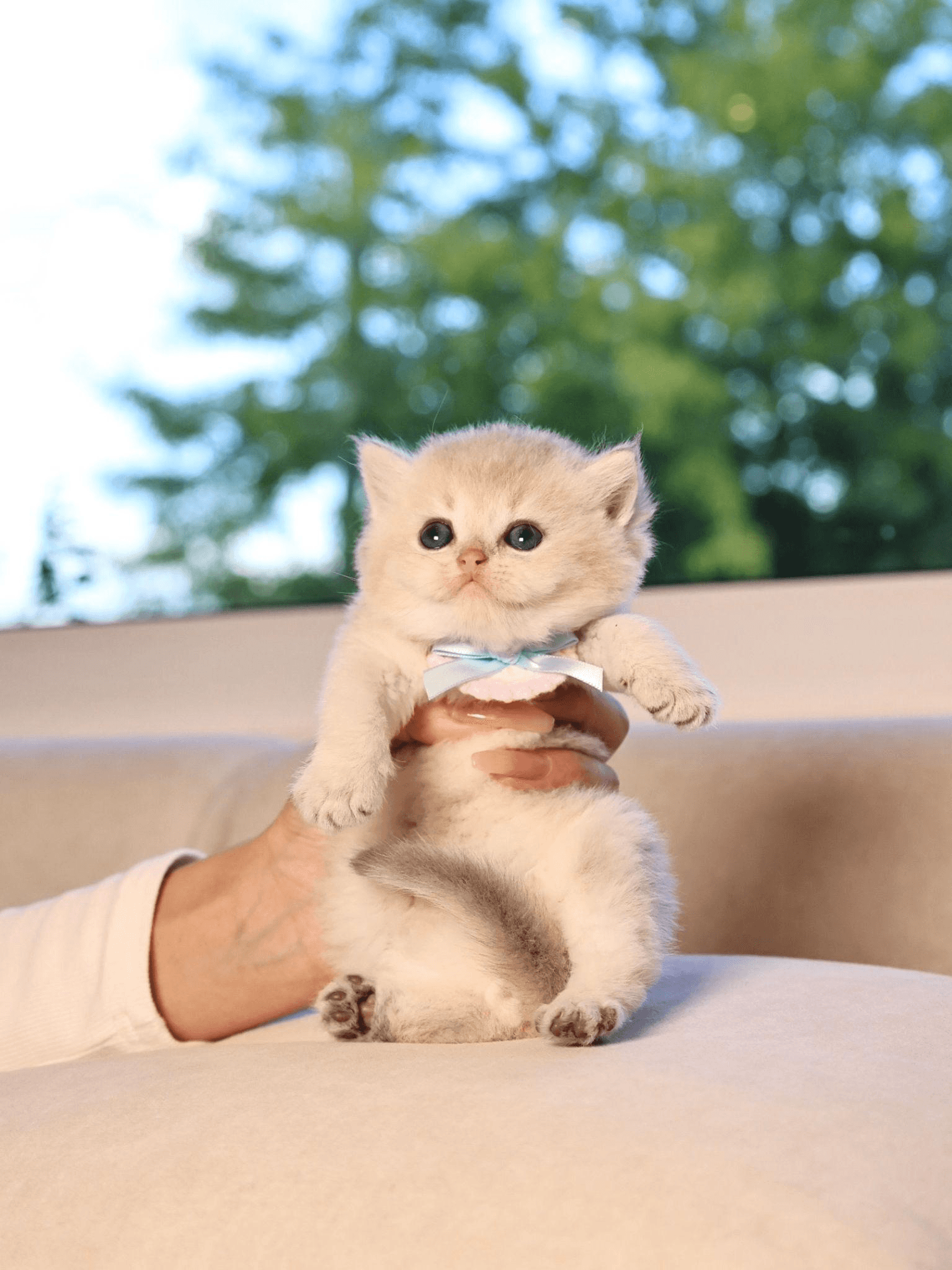
As you consider welcoming a British Longhair into your life, it’s clear that their gentle temperament, plush coats, and adaptable nature make them wonderful companions for families and individuals alike.
The right support, from health screening and temperament‑focused breeding to ongoing care advice, can make all the difference in ensuring your new feline friend thrives.
That’s where CatKing Cattery shines: as a legally registered breeder recognized by TICA, CFA, and WCF with a long track record of producing healthy, we offer well‑socialized British Longhair kittens in Buffalo raised in a nurturing environment and backed by thorough health guarantees and lifelong support for owners.
Take the first step toward lifelong companionship with a gentle, loving British Longhair; contact us today.
2026-01-10