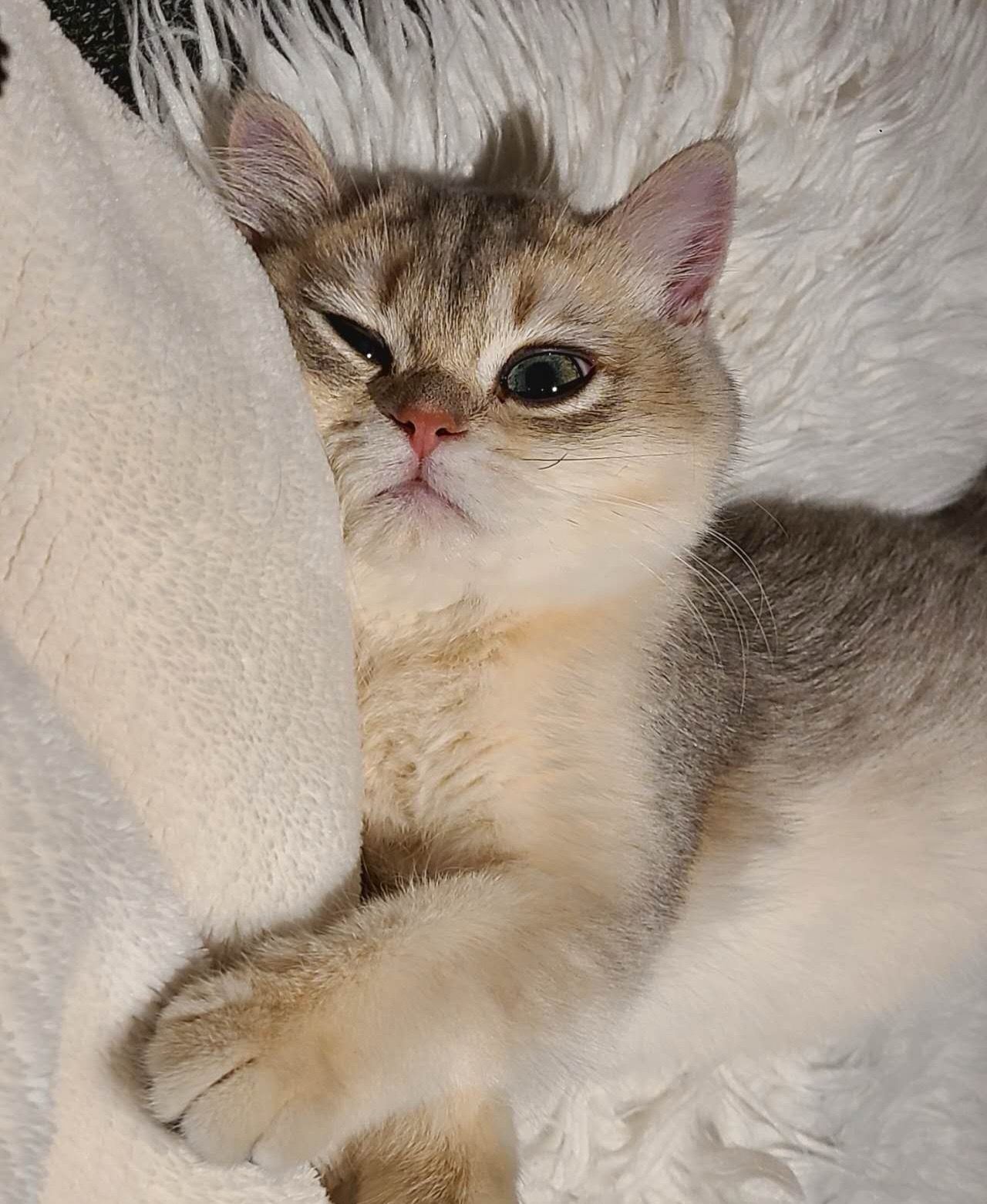
British Longhair Coat Genetics: Understanding Why Their Fur Is So Distinctive
From: Catking Cattery

British Longhair kittens are known for soft, full coats that give them a rounded, plush appearance. Understanding British Longhair coat genetics helps explain why their fur differs from the shorter coat of a British Shorthair.
Coat length, texture, density, and development are influenced by inherited traits, while age, nutrition, hormones, and overall health also affect how the finished coat looks.
For families considering British Longhair cats, learning about these inherited characteristics can make kitten development easier to understand.
The Genetics Behind Coat Length
One of the most important factors behind a British Longhair’s appearance is the gene responsible for hair length.
Cats carry genetic instructions that influence how long individual hairs continue growing before entering their next growth phase.
British Longhairs inherit variants associated with longer hair, while British Shorthairs generally carry the short-haired form.
Long hair is associated with a recessive genetic trait. This means a cat can carry the long-haired variant without displaying a long coat.
When a kitten receives the relevant variant from both parents, the longer coat can become visible. Responsible breeding therefore requires attention to pedigree, appearance, and genetic information when available.
Understanding Coat Texture
Length is only one part of a British Longhair’s coat. Texture also contributes to its recognizable appearance. Individual hairs can feel soft and plush, with the overall coat creating a thick, comfortable covering around the body. The texture is shaped by inherited characteristics involving the structure and behavior of each hair.
Genetics influence whether the coat feels fine, dense, soft, or somewhat fuller. However, texture is not determined by one simple factor.
Several inherited traits can contribute to the final result, and environmental conditions may affect how the coat appears at different stages of life.
Why Density Matters
A British Longhair’s dense coat helps create the breed’s full visual appearance. Density refers to how closely individual hairs are packed across the skin.
A kitten may appear fluffy without having reached its mature level of density, because the coat continues changing as the body develops.

Undercoat development also contributes to fullness. When a kitten has a substantial undercoat beneath its outer hairs, the coat can look thicker and more rounded. Regular grooming helps keep these layers clean and separated, allowing owners to see the coat’s natural volume more clearly.
How the Coat Develops During Kittenhood
A British Longhair kitten does not necessarily look like a miniature version of an adult.
Coat development happens gradually. Young kittens may have soft fur that changes in length, density, and texture as they mature.
During growth, the coat may appear uneven or change noticeably around the neck, tail, sides, and hindquarters. Seasonal changes can also influence shedding and fullness.
Hormonal changes associated with maturity may affect the coat as well. These changes are normal reasons not to judge a kitten’s final appearance solely by its earliest photographs.
The Role of Color Genetics
Coat color and pattern have their own genetic foundations. British Longhairs can display many colors and patterns, and these traits are inherited separately from the basic long-haired characteristic.
A kitten may therefore have long fur while inheriting genes responsible for a particular solid color, tabby pattern, bicolor pattern, or other recognized appearance.
Some visual differences can make one coat seem thicker or more textured than another, even when the underlying hair structure is similar. Lighting, grooming, and coat condition can also influence how color and pattern appear.

Genetics Versus Health and Care
Inherited traits establish much of a British Longhair’s potential coat, but genetics are not the only consideration. Nutrition provides the building blocks needed for normal hair growth.
A complete, age-appropriate diet supports the skin and coat, while fresh water helps maintain overall well-being.
Health issues, parasites, stress, and poor nutrition can affect coat condition. A kitten experiencing excessive shedding, bald areas, persistent itching, or a sudden change in fur should be assessed by a veterinarian.
Good grooming also matters. Gentle brushing can remove loose hairs and reduce mats, particularly as the coat becomes fuller.
Breeding for Healthy Coats
Breeding decisions should consider more than appearance. Healthy breeding programs assess temperament, overall health, family history, and known hereditary concerns alongside coat characteristics.
Genetic testing can provide useful information for some inherited conditions and can help breeders make informed pairing decisions.
A beautiful coat is appealing, but it should never be the only priority. Supporting healthy kittens with sound breeding practices gives families a better foundation for companionship.
What Owners Can Expect
As a British Longhair grows, owners may notice gradual changes rather than one dramatic transformation. The tail can become fuller, the ruff may develop more prominently, and the body coat can gain thickness. Regular brushing becomes increasingly important as the kitten approaches a fuller adult coat.
Patience is helpful because individual cats mature at different rates. Genetics provide the framework, but age and health influence when specific characteristics become noticeable.
Start Your British Longhair Search
British Longhair coat genetics help explain the breed’s long, dense, plush appearance, but each kitten develops its coat at its own pace. Understanding inherited traits can help owners set realistic expectations and provide appropriate nutrition and grooming.
If you are comparing British Longhair cats online in Buffalo, ask questions about parentage, health, coat development, and care routines. For guidance when choosing a British Longhair kitten and preparing for its grooming needs, reach out to CatKing Cattery.
Contact us today.
2026-09-12