British Shorthair vs British Longhair: Which Is Right for You?
From: Catking Cattery
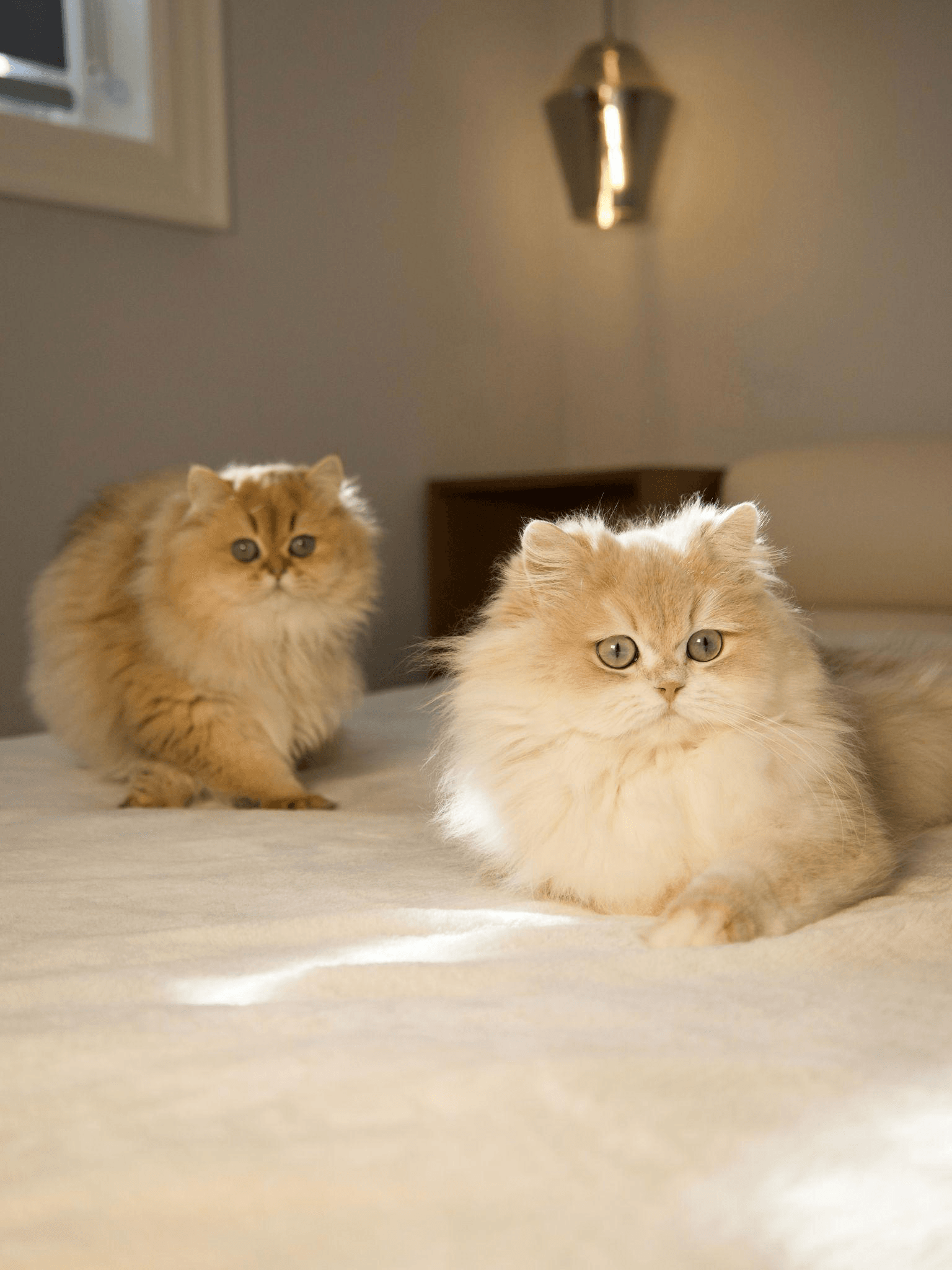
It is the question almost every family asks us, usually while looking at two kittens who are, genetically speaking, nearly the same cat. The British Shorthair and the British Longhair share the same breed standard, the same round face, the same calm temperament and the same colours. The real difference is one gene, the one that decides coat length, and everything that follows from it: how the cat feels in your arms, how much grooming your week includes, and how much cat hair your sofa signs up for.
We raise both breeds here in Toronto, so this comparison comes from daily life with them rather than a breed book.
The short answer
Choose the British Shorthair if you want the classic teddy-bear look with the least upkeep. Choose the British Longhair if you love a softer, cloud-like cat and are happy to brush a few times a week. On personality, you are not choosing between two temperaments, you are choosing between two coats.
Coat and appearance
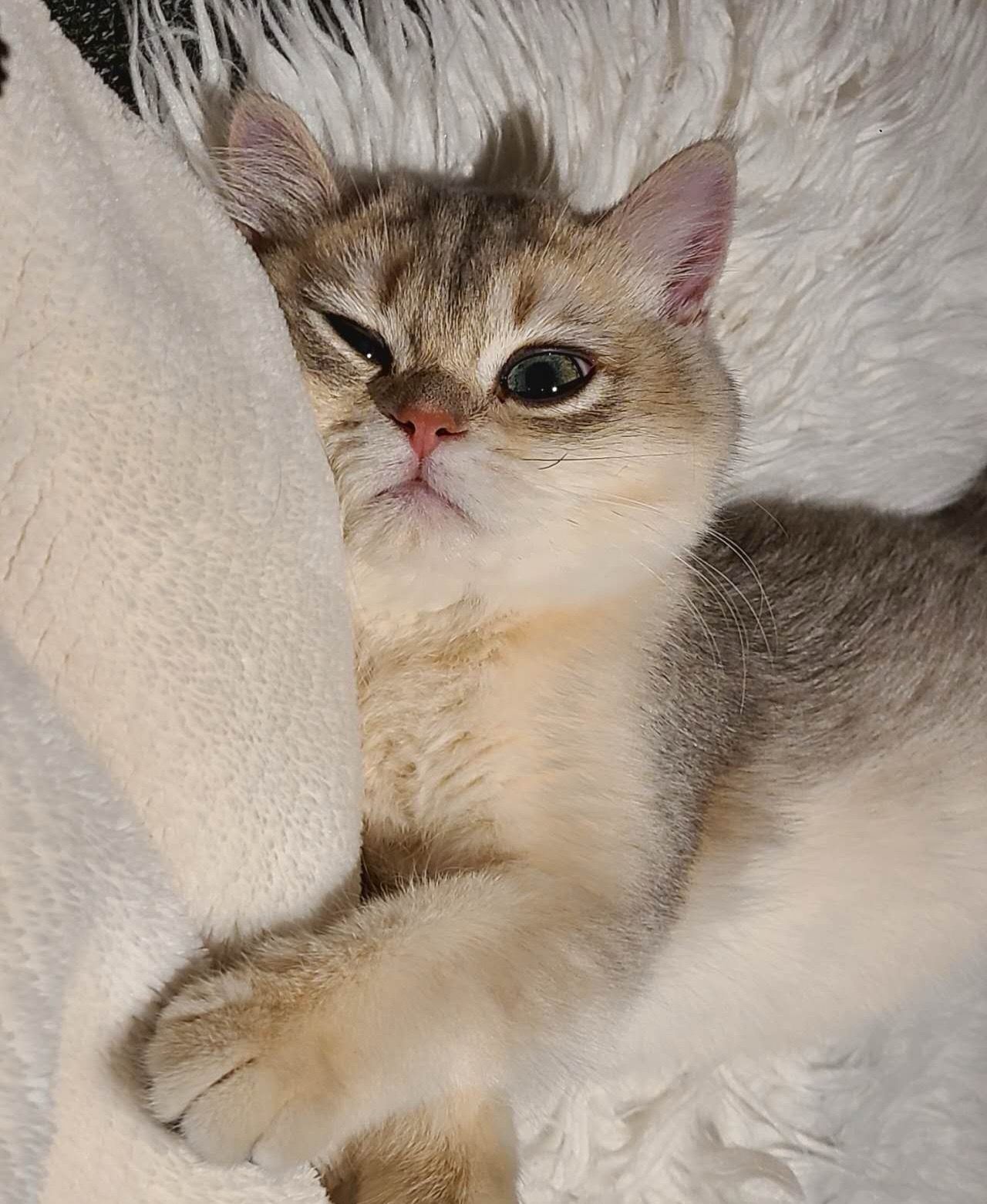
The British Shorthair wears a short, dense, plush coat that stands away from the body. Run your hand over it and it feels like velvet over firm muscle. That density is why Shorthairs look so round: the coat adds outline everywhere, from the full cheeks to the thick tail.
The British Longhair carries the same coat in a longer, silkier version. It is not as long or as prone to matting as a Persian's, but it is unmistakably flowing, with a fuller ruff around the neck, feathering on the tail and soft trousers on the back legs. Where a Shorthair looks like a teddy bear, a Longhair looks like the same teddy bear wearing a winter coat.
Both breeds come in the colours we breed: golden shaded, blue golden shaded, lilac golden shaded, silver shaded and point colour. One thing that surprises people: eye colour follows the coat pattern, not the hair length. Point colour cats keep their blue eyes for life, and every other colour matures to green eyes, in both breeds.
Grooming: the honest difference
This is where the two breeds genuinely part ways.
A British Shorthair needs a quick brush once a week, mainly to lift out loose undercoat. During the spring and autumn coat changes, two or three short sessions a week keep the shedding under control.
A British Longhair needs brushing two to three times a week as a routine, not a rescue mission. Five calm minutes with a steel comb, paying attention behind the ears, under the front legs and along the belly, prevents the tangles that turn into mats. Kittens who are brushed gently from eight weeks old grow into adults who treat it as cuddle time, which is exactly how we raise ours.
If the honest answer to "will I brush a cat three times a week?" is no, the Shorthair is the kinder choice for both of you.
Shedding
Both breeds shed, and both have a dense undercoat that turns over with the seasons. The Shorthair's shed hair is shorter and tends to sit on top of fabrics where it vacuums up easily. The Longhair's shed hair is longer and more visible on dark clothing, but it also tends to gather into soft tumbleweeds in corners rather than weaving itself into upholstery. Neither breed is low-shedding, and neither is anywhere near the heavy end of the longhair scale.
Personality
Here is the part the breed books overcomplicate: there is no reliable personality difference between the two. Both are calm, affectionate without being demanding, quietly playful as adults and famously tolerant family cats. Within any litter, the boldest kitten and the softest kitten may well be one of each coat length. What actually shapes temperament is the individual kitten, its parents, and how it is raised in its first weeks, which is why we profile every kitten's personality individually rather than asking families to choose by breed label.
Health
The two breeds share the same health profile and the same testing. Our breeding cats are tested for PKD, PRA-pd and ALPS, and every kitten, Shorthair or Longhair, goes home with the same package: TICA registration, age-appropriate vaccinations including both FVRCP shots, two veterinary exams, a microchip and our health guarantee. There is no "hardier" choice between them; the coat gene does not change the health picture.
Price
At CatKing, the price bands are the same for both breeds, from $3,250 to $4,250 CAD depending on colour. Many breeders add a premium of a few hundred dollars for longhair kittens. We do not charge a longhair surcharge: you are choosing the coat you love, not paying extra for it. (Full breakdown: British Shorthair and British Longhair kitten prices)
So, which one is right for you?
Pick the British Shorthair if you love the round plush look, want the simplest grooming routine, and prefer shed hair that lifts off clothes quickly.
Pick the British Longhair if you have always pictured a soft, flowing cat, you will genuinely enjoy a few brushing sessions a week, and you want the same steady British temperament in its most luxurious wrapping.
And if you are torn between them, come and meet both. Most families know within five minutes of holding one of each.
See who is available now: British Shorthair and British Longhair kittens for sale in Toronto
Are British Longhair cats harder to take care of than British Shorthairs?
Only in grooming. A Longhair needs brushing two to three times a week to prevent tangles; a Shorthair needs about once a week. Feeding, litter, veterinary care and temperament are the same.
Do British Longhairs shed more than British Shorthairs?
Both shed moderately, with heavier shedding during seasonal coat changes. Longhair shed hair is longer and more visible, while Shorthair hair is shorter and lifts off fabrics more easily.
Is there a personality difference between British Shorthair and British Longhair cats?
No reliable one. Both share the same calm, affectionate, family-friendly temperament. Individual kittens differ far more than the two coat types do.
Do British Longhair kittens cost more than British Shorthair kittens?
At CatKing the price bands are identical ($3,250–$4,250 CAD by colour) and we charge no longhair premium, although many breeders add one.
Can a British Shorthair litter produce a Longhair kitten?
Yes. The longhair gene is recessive, so two Shorthairs who both carry it can produce Longhair kittens, and Longhair parents can appear in a pedigree behind Shorthair kittens.
2026-11-12