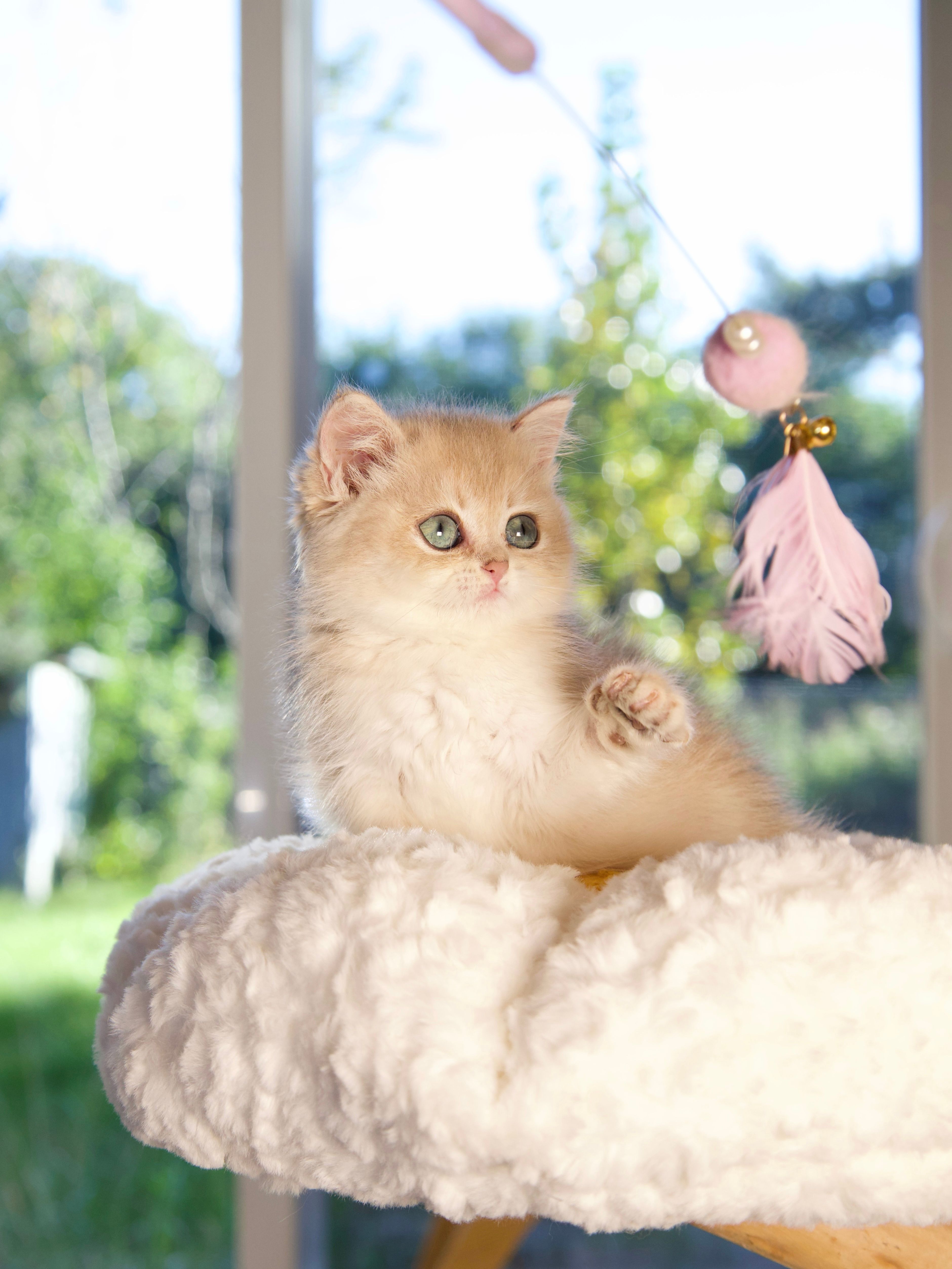
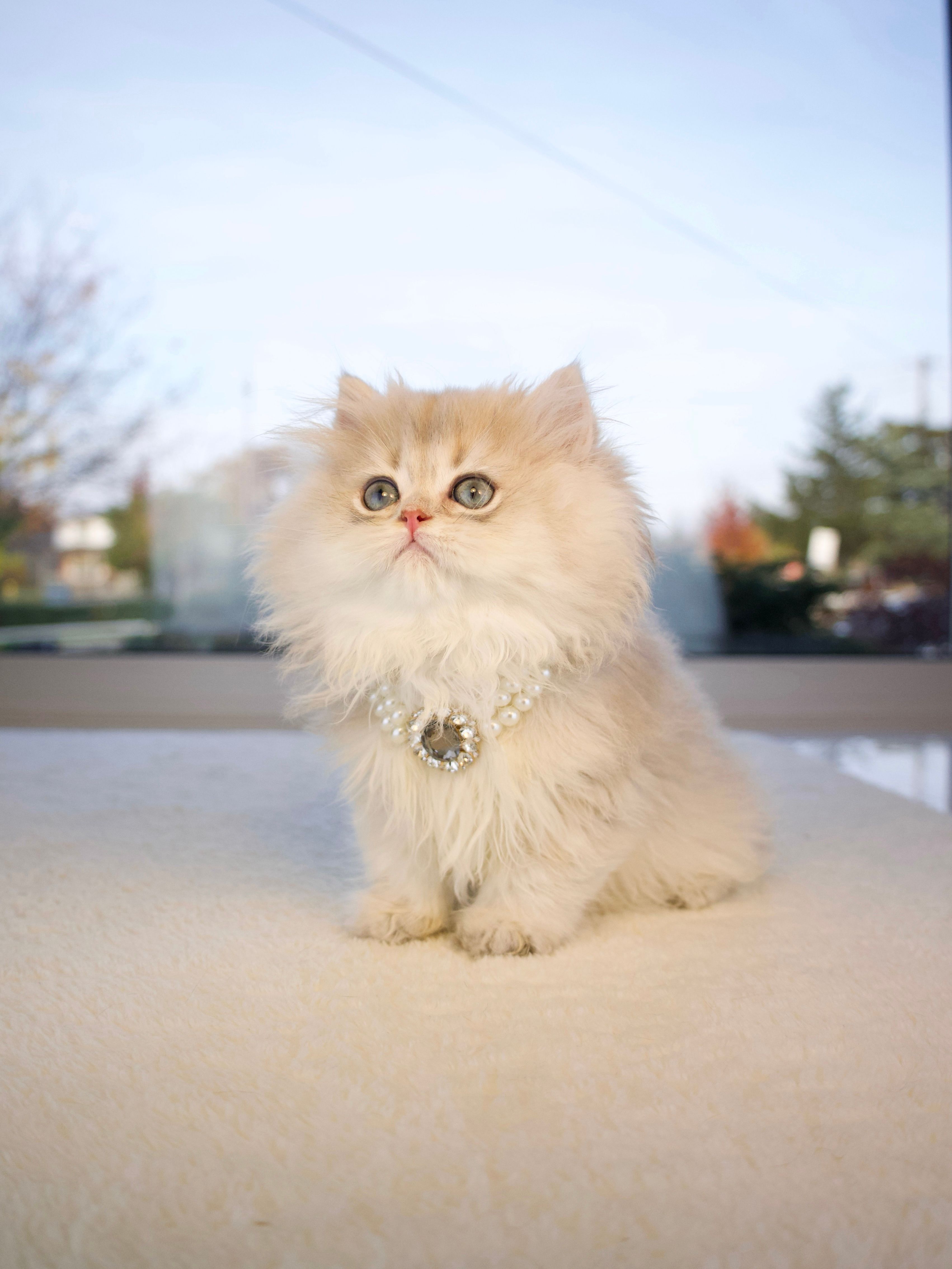
Colour Chronicles: Understanding British Longhair and Shorthair Coat Shades
From: Catking Cattery
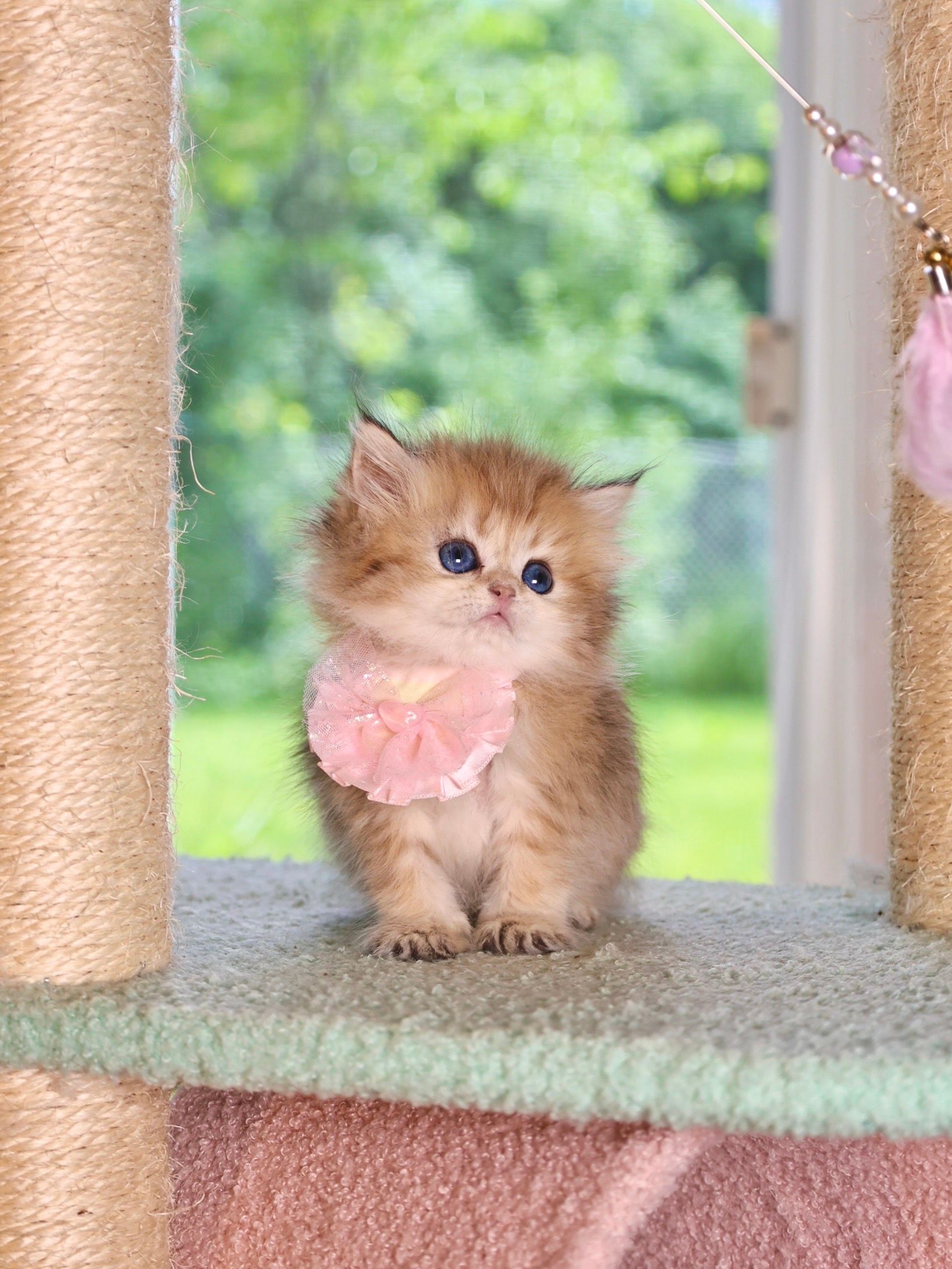
British cat breeds like the Shorthair and the Longhair have long captured the hearts of cat lovers around the world with their plush coats, rounded features, and dignified personalities. Whether it’s the ever-popular British Shorthair or the equally stunning British Longhair cat breed, one of the most fascinating aspects of these felines is their wide array of coat colours and patterns.
This guide will cover the most intricate and beautiful coat shades of British cats. For anyone searching for a British Shorthair for sale in Toronto or just learning more about this majestic breed, understanding these shades is an essential part of the journey.
Found a shade you love? See it on a real kitten: browse our available kittens to meet the golden shaded, blue golden shaded and lilac golden shaded kittens at CatKing right now, each with their own photos and personality notes.
The Genetics of British Cat Coat Shades
Coat shades of British cats are not only a matter of aesthetics; they reflect the breed’s complex genetic heritage and selective breeding. Every colour and pattern occurs from a complex interchange of genes that dictate pigment production, distribution, and intensity. The primary pigments in cats are eumelanin, responsible for black and brown tones, and phaeomelanin, which creates red and cream hues. Modifying genes then work their magic, diluting these primary colours, adding silver or golden tipping, or creating complex patterns.
We cover this in more detail in a guide to British Shorthair and Longhair coat colors and patterns.
For a closer look at this topic, see British Longhair coat genetics.
If you are still deciding, understanding British cat colors walks through what to expect.
What Makes The Shaded Pattern
The term “shaded” refers to a pattern where the tips of the fur are darker than the base, creating a gradient effect that gives the coat depth, dimension, and elegance. In shaded coats, typically only the ends of the hair shafts are coloured, giving the cat a luminous, glowy appearance.
The shaded pattern is the result of the “inhibitor” gene, which limits the spread of pigment along the hair shaft. When combined with the wide range of base colours like golden, cream, blue, or silver, this gene creates the distinct shimmering effect of shaded coats.
The colour of the tipping (black, blue, chocolate, etc.) and the base (apricot, white, etc.) are determined by additional genetic factors inherited from both parents. Leading British Shorthair and Longhair breeders, such as the CatKing Cattery in Toronto, carefully select parent cats to produce litters with predictable and high-quality coat colours, especially when aiming for show-standard animals.
The most popular shaded coat shades of British cats include golden shaded, blue golden shaded, and silver shaded. Each of these variations brings its own charm and distinctiveness to the breed.
Golden Shaded British Cats Bring Warmth and Radiance
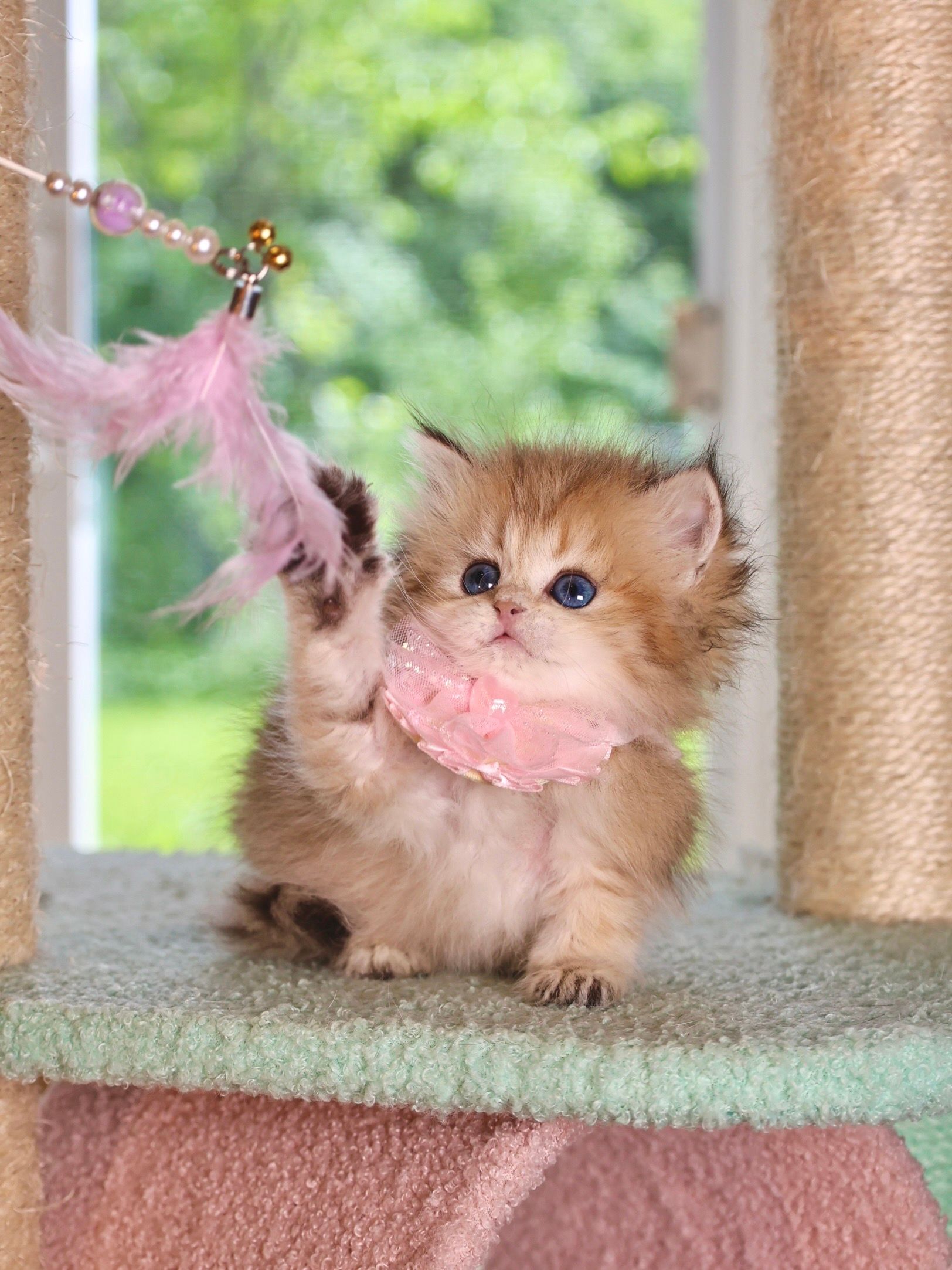
Golden shaded British Longhair and Shorthair cats carry a coat that glows with warm tones. Their undercoat is rich with golden or apricot hues, and the tips are lightly shaded with black or brown, producing a sparkling effect. This combination of light undercoat and darker tips gives the coat a sun-kissed look.
In British Shorthairs and the British Longhair cat breed alike, the Golden Shaded variation is admired for its regal appearance. The golden tone tends to stand out beautifully against the breed’s typically round face and large copper or green eyes. It’s also one of the more dynamic coat shades of British cats, appearing slightly different under natural or artificial lighting due to the way the fur catches and reflects light.
These cats are sometimes referred to as having a “warm” or “rich” colour palette, which pairs well with the thick, plush texture of their coat. This luxurious combination makes the golden shaded one of the most sought-after varieties, especially among cat breeders in Toronto and show enthusiasts.
This is one of the reasons we put together British Shorthair kitten colours and patterns explained.
We cover this in more detail in Why Responsible Cat Breeders Prioritize Temperament Alongside Appearance.
This is one of the reasons we put together golden shaded vs. silver shaded British cats.
Blue Golden Shaded Is A Rare and Dreamy Hue
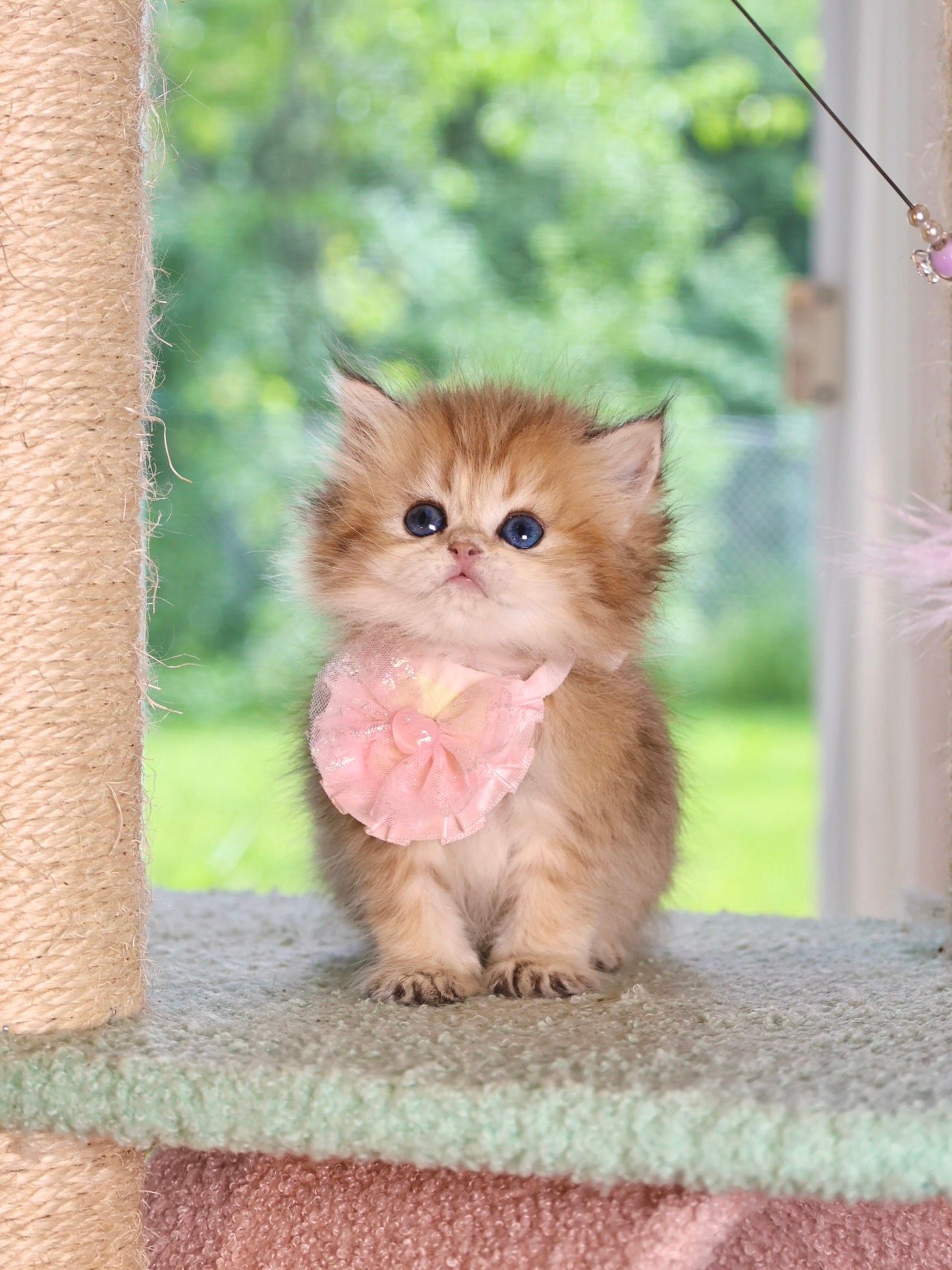
The blue golden shaded British cat coat shade variation adds a cool-toned twist to the classic golden shaded coat. In this pattern, the golden undercoat remains, but the tips are shaded in soft blue-grey rather than black or brown. This unique contrast creates a pastel-like effect, giving the cat a velvety, dreamy look.
Blue golden shaded British Shorthair and Longhair cats are less common than their golden or silver counterparts, making them particularly desirable for those searching for a cat for sale in Toronto that stands out. The blue golden shaded coat is subtle and sophisticated—ideal for people who love cooler tones but still appreciate the dimensionality that shaded coats provide.
These cats often have green or hazel eyes, which complement their cool-toned fur perfectly. The combination of their calm disposition and ethereal colouring makes them especially popular among families looking for a gentle and beautiful companion.
We cover this in more detail in Why Blue Golden Shaded British Shorthair Kittens Are Becoming One of Canada's.
This is one of the reasons we put together golden shaded, blue golden shaded, or silver shaded.
Silver Shaded Cats Exude Elegance in Every Strand
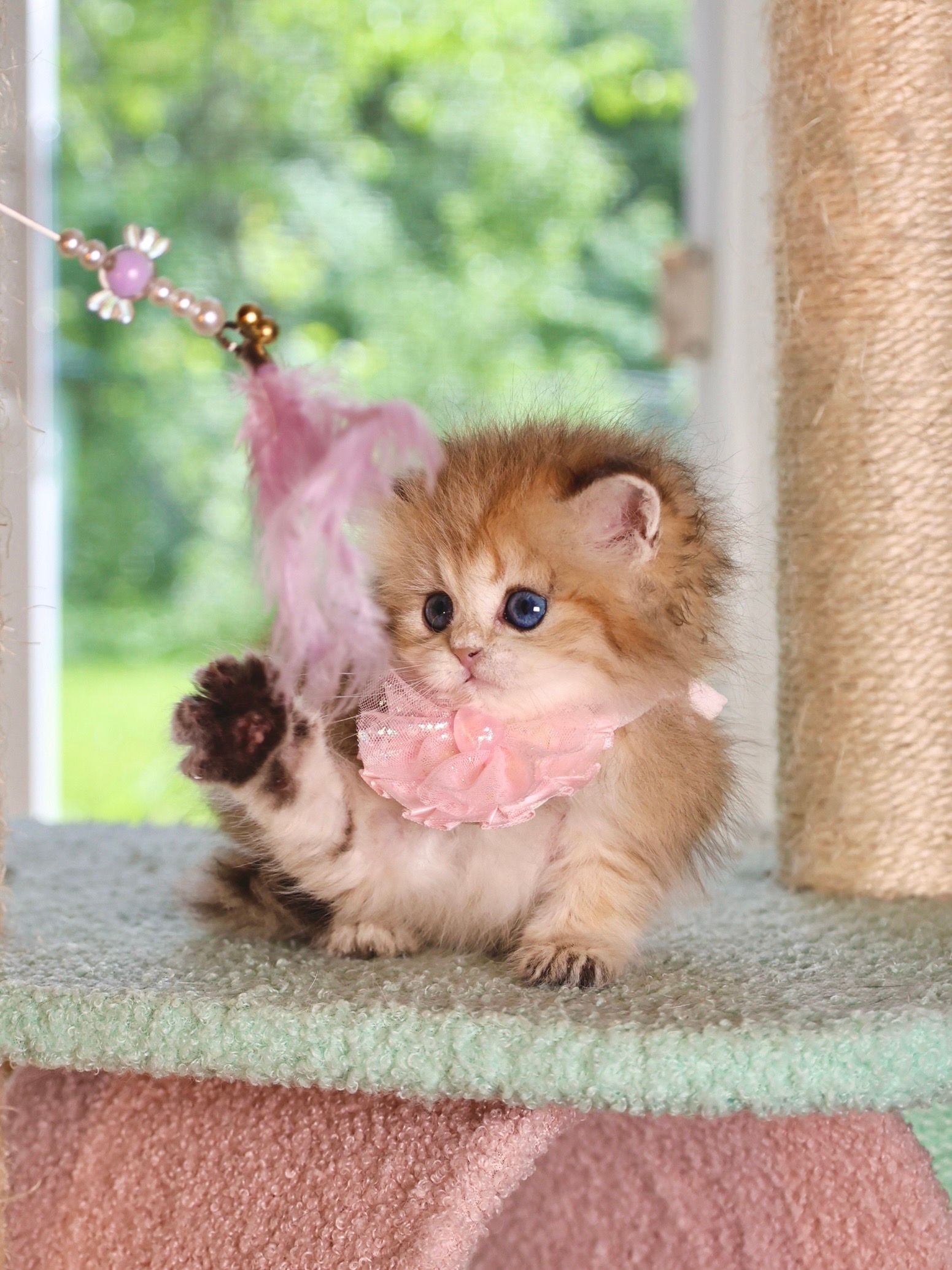
The silver shaded coat is one of the most classic and refined looks in both the British Shorthair and British Longhair cat breeds in Toronto. In this British cat coat shade variation, the undercoat is a clean, bright white or silver, while the tips are shaded with black, grey, or blue. The result is a striking contrast that gives the appearance of glimmering frost across the body.
These cats have a crisp and regal appearance. The shimmering coat is often paired with green or blue eyes, creating a vivid and expressive facial appearance. Silver shaded coats are particularly popular in cat shows and are frequently photographed for breed standards due to their pristine and polished look.
Despite their sophisticated appearance, silver shaded British cats maintain the same mild temperament that defines the breed. Their coats are soft and dense, and although they look high-maintenance, both the British Shorthair and the British Longhair cat breeds are known for being relatively low-effort when it comes to grooming, especially with regular brushing.
Solid Colours: The Classic British Look
Long before shaded coats became fashionable, the British breeds were solid cats, and the solid colours are still the backbone of the breed. In a solid coat, every hair is one even colour from root to tip. There is no pale undercoat, no dark tipping and no pattern, just depth and density. These are the colours the first British Shorthairs at the Crystal Palace show in 1871 were judged on.
Blue is the classic. The blue British Shorthair, once shown as its own variety under the name British Blue, carries an even blue-grey coat that looks almost plush velvet in good light. It remains the colour most people picture when they hear the breed's name.
Lilac is blue's softer cousin, produced when the chocolate gene is diluted. The result is a pale, pinkish dove-grey that changes with the light, warm in sunlight and cooler indoors. Lilac kittens are born very pale and deepen slightly as the adult coat comes in.
Chocolate and black are the deep end of the family. A good chocolate British is an even, warm brown from root to tip, while a black British carries a dense jet coat that should not show rusty tones except in the strongest sun. Both are less common in British lines than blue, because the breed's foundation stock was overwhelmingly blue.
Cream and white finish the set. Cream is the dilute of red, an even apricot-cream with no hot patches. White British cats are born pure white, although kittens sometimes carry a faint smudge of colour on the head that fades as they grow.
| Colour | How to recognize it at a glance |
|---|---|
| Blue | Even blue-grey coat, dense and crisp, the classic "British Blue" look |
| Lilac | Pale pinkish-grey, noticeably softer and lighter than blue |
| Chocolate | Rich, warm brown, even from root to tip |
| Black | Deep jet black with no rusty cast in daylight |
| Cream | Pale, even apricot-cream with no darker patches |
| White | Pure white; kittens may show a faint head smudge that fades |
Solid colours are part of the wider British family tree, and no guide to British coat shades is complete without them. Our own breeding program at CatKing focuses on the shaded and point colours covered in the rest of this guide, so the sections below return to the colours we know best.
One more thing connects the two families: the shaded colours in the rest of this guide are built on these solid foundations. Blue golden shaded begins with the blue gene, lilac golden shaded with lilac, and every shaded kitten's pedigree traces back through solid ancestors. Learn the solids first, and the shaded spectrum below becomes much easier to read.
Tabby, Bicolour and Tortie: The Patterned Coats
Not every British coat is a single even shade. The tabby patterns are the breed's oldest markings, inherited from those early farm cats, and they come in four forms: classic tabby, with bold swirls and a butterfly pattern across the shoulders; mackerel tabby, with narrow stripes running down the sides; spotted tabby, which breaks those stripes into spots; and ticked tabby, where each hair is banded and the body looks almost pattern-free until you spot the rings on the legs and tail. All tabbies share the same signatures: an "M" on the forehead, lined eyes, and a pale chin. In British cats you will meet tabby most often in silver and golden versions, where the pattern sits over a bright ground colour.
Bicolour cats pair any of these colours with white. The white usually appears on the chest, belly, legs and face, and breeders describe the balance with names such as bicolour (roughly half and half), harlequin (mostly white) and van (white with colour only on the head and tail). A bicolour kitten's markings are fixed from birth, so the kitten you choose is the pattern you keep.
Tortoiseshell, or tortie, mixes two pigments in one coat: black, blue or chocolate patched and mingled with red or cream. Because the pattern is carried on the X chromosome, torties are almost always female. In shaded lines the tortie pattern goes subtle and luxurious, the warm patches glowing through the tipping. Our own queen Milie is a golden tortie British Longhair, and her coat shows exactly that: gold and warm tortie shading woven through a long, plush coat rather than sitting in hard patches.
Point Colour: The Blue-Eyed Exception
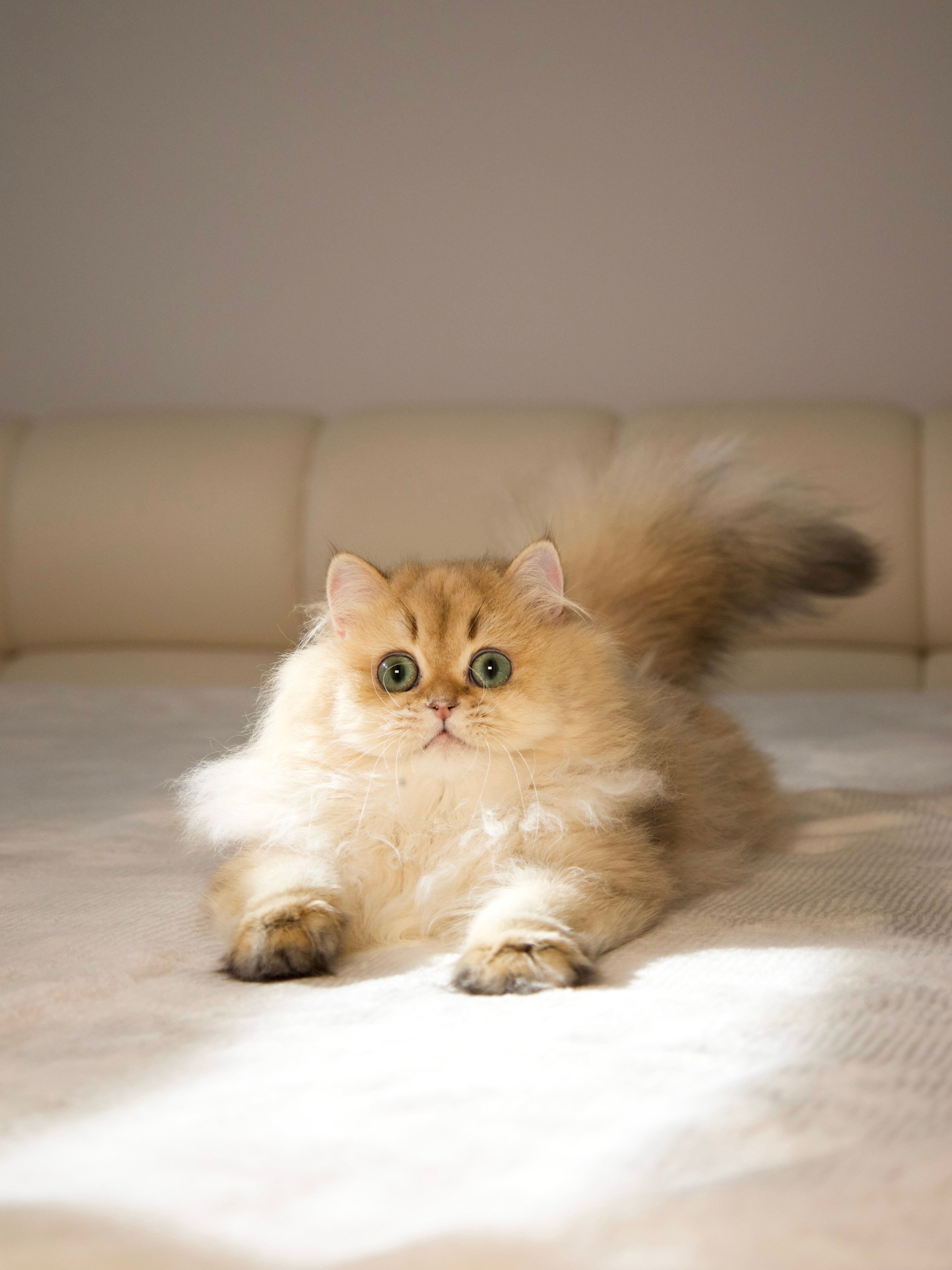
Point colour works by a completely different rule. The colourpoint gene is temperature-sensitive: pigment develops fully only on the cooler parts of the body, so the ears, face mask, legs and tail darken while the body stays pale. Point kittens are born almost white, and the points appear over the first weeks of life, then keep deepening for a year or more.
In British cats you will find seal point (deep brown points), blue point (soft blue-grey points), and the shaded points that our own lines specialize in, where the points carry the same shimmering tipping as a golden or silver shaded coat. A golden shaded point kitten, for example, has warm golden points over a cream body, an effect owners often describe as the cat wearing its colour only at the edges.
Point colour also comes with the breed's one great exception. It is the only British colour family whose adults keep blue eyes. Kittens of every colour are born with blue-grey eyes, but as they mature, every non-point colour settles to green eyes, while point cats stay blue-eyed for life. When you see an adult British cat with blue eyes, you are looking at a point.

Do Coat Colours Change as Kittens Grow?
Yes, and this surprises many new owners. The kitten you meet at eight weeks is wearing a first draft of their adult coat, not the final version.
Shaded kittens are born pale, sometimes almost cream all over. The dark tipping that creates the shaded effect emerges gradually over the first months, and a golden shaded kitten's warm glow deepens noticeably between two and six months. Point kittens change even more dramatically: born nearly white, they grow their points week by week, and the contrast between body and points keeps increasing through their first year. Silver shaded kittens change the least, staying bright, although the contrast of their tipping sharpens as the coat thickens.
Eye colour changes on the same schedule. All kittens start with blue-grey eyes. In non-point colours those eyes pass through a muddy in-between stage and settle to clear green by roughly four to six months, while point kittens keep the blue they were born with.
The full adult coat, especially in the British Longhair, can take eighteen months to two years to arrive. When you choose a kitten by colour, you are choosing the colour family and the pattern; the exact depth of the shade is something your cat finishes writing themselves.
Frequently Asked Questions About British Cat Colours
What colours do British Shorthair and Longhair cats come in?
Between the two breeds, the full spectrum covers solid blue, lilac, chocolate, black, cream and white; the tabby patterns; bicolour and tortie; the shaded family of golden, blue golden, lilac golden and silver; and the point colours. Shorthairs and Longhairs share the same colour genetics, so almost every colour exists in both coat lengths.
What is the rarest British cat colour?
Among the colours we work with, blue golden shaded and lilac golden shaded are the hardest to produce, because they need the dilute and golden genes to land together in one kitten. In the solid family, true chocolate and cinnamon British cats are also uncommon, since the breed's foundation lines were mostly blue.
Does coat colour affect a British cat's temperament?
No. Temperament in British cats comes from the breed itself, from the individual cat's lines, and from how well the kitten was socialized in its first weeks, never from the colour of its coat. A golden kitten and a blue kitten raised the same way will grow up with the same calm, loyal British personality. We walk through what actually shapes that personality in our British Shorthair and Longhair temperament guide.
What colour eyes will a golden shaded kitten have as an adult?
Green. Every kitten starts with blue-grey eyes, but in all non-point colours, including golden shaded, blue golden shaded and lilac golden shaded, the adult eye colour is green. Only point colour cats keep blue eyes as adults.
Do British Longhairs and Shorthairs come in the same colours?
Yes. The gene that makes a British cat a Longhair changes only the length and flow of the coat, not its colour. The same golden shaded kitten genetics can produce a short, plush Shorthair coat or a long, flowing Longhair one, and in the Longhair the tipping often looks even more dramatic because there is more coat for the light to move through.
Considering a new feline addition to your family? At CatKing Cattery in Toronto, we specialize in offering exquisite purebred British Longhair and Shorthair cats. Our commitment as a reputable British Shorthair and Longhair cat breeder ensures each kitten embodies the health, temperament, and breathtaking coat shades of British cats you've just explored.
If you're looking for a British Shorthair for sale or a luxurious British Longhair, we can help you find a perfect companion. Connect with us today to learn more about our available kittens and bring home the charm and elegance of a CatKing Cattery feline.
Reserve a kitten now or click here to call our representatives.
Keep exploring: British Shorthair kittens in Toronto · British Longhair kittens in Toronto · What a CatKing kitten costs
2025-07-26