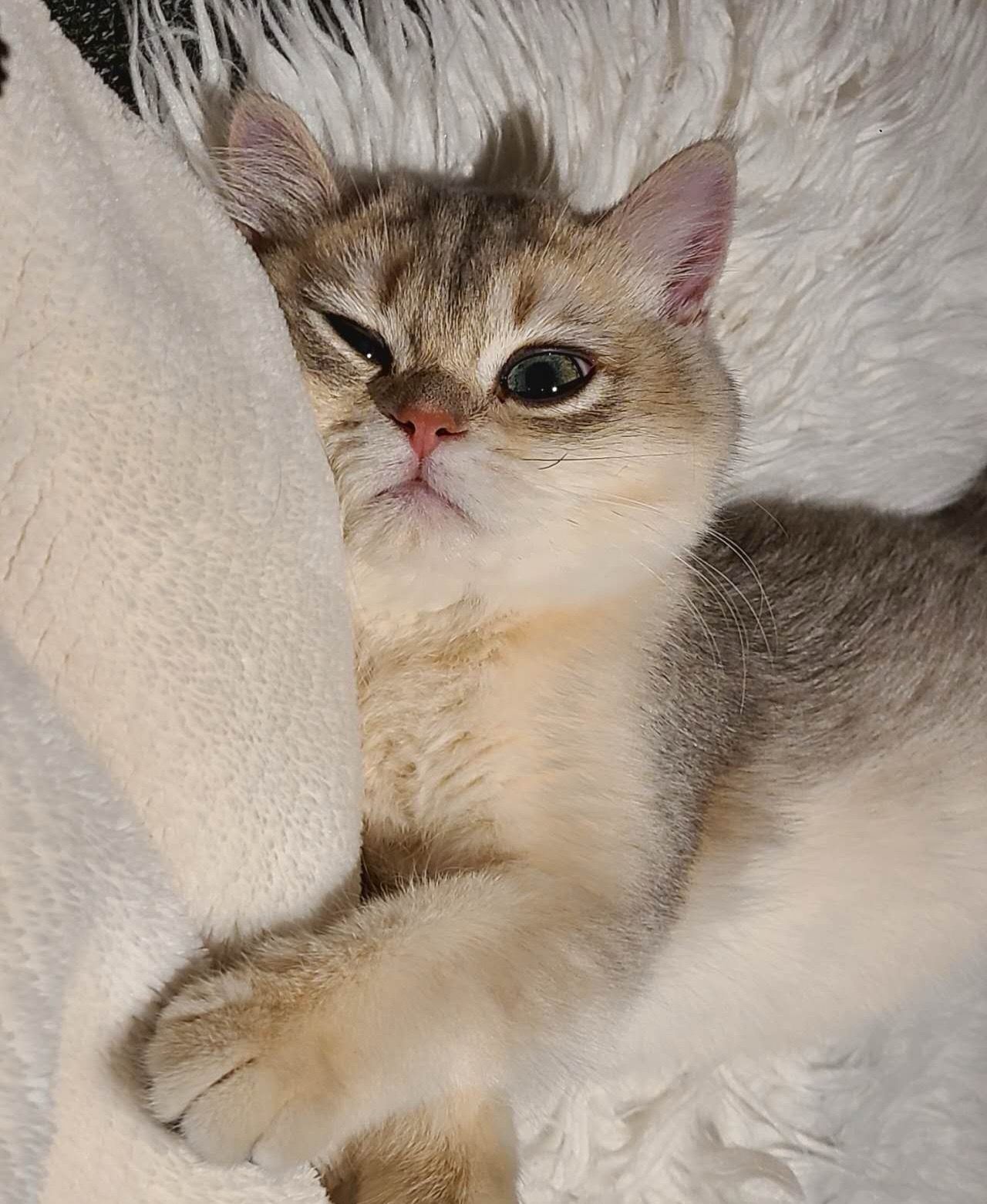
The Complete Step-by-Step Guide for First-Time British Longhair or Shorthair Owners
From: Catking Cattery
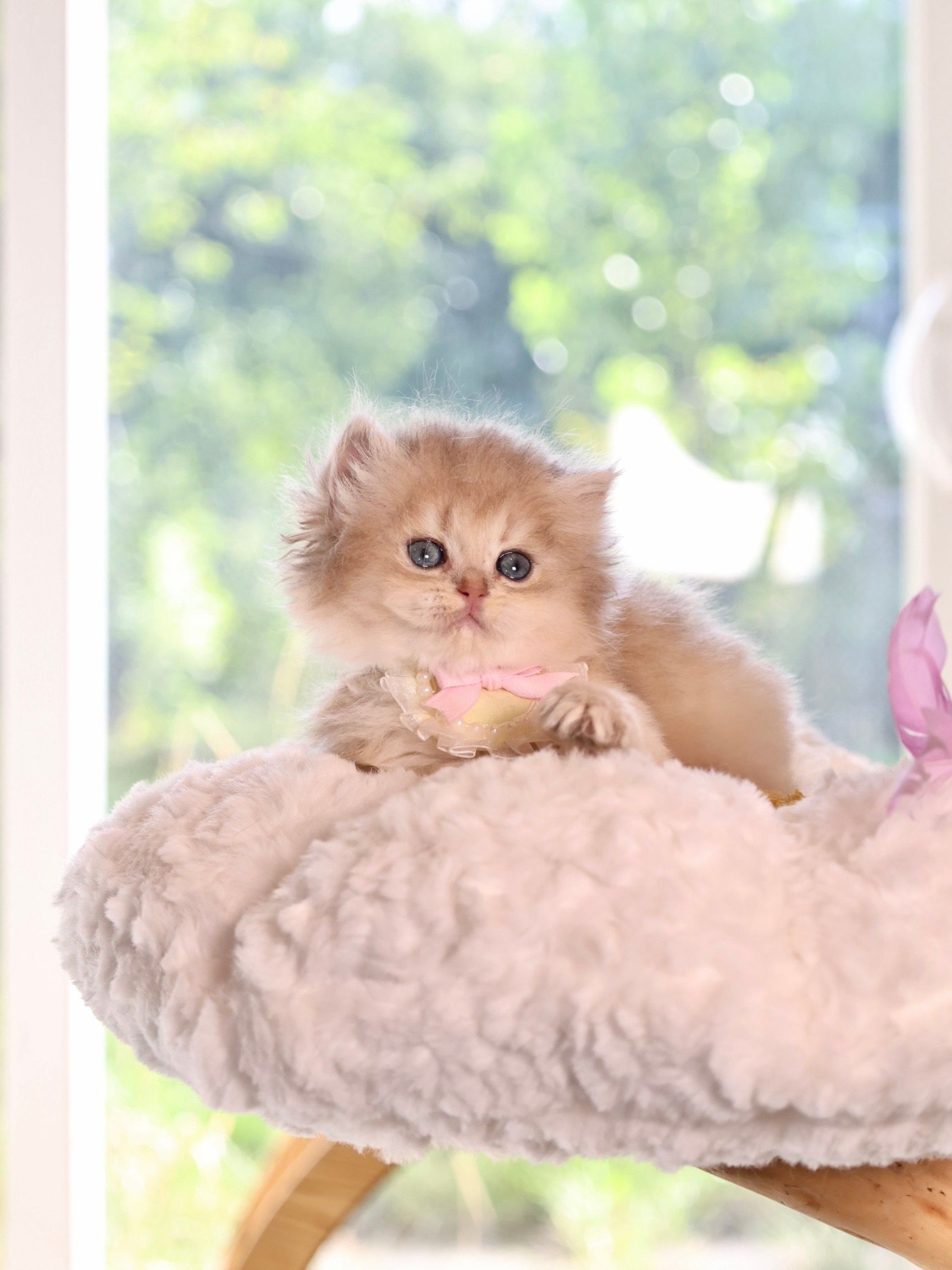
Becoming a first-time British cat owner is an exciting experience filled with joy and learning. Known for their affectionate personalities and plush coats, British Shorthairs and Longhairs are among the most popular breeds for families and individuals alike.
Those planning to buy British Shorthair kittens in Pennsylvania or other regions can benefit from understanding how to prepare, care, and nurture these gentle companions properly.
Preparing the Home Environment
Before bringing a kitten home, setting up a safe and comfortable environment is the first step. British breeds are naturally curious but prefer calm surroundings. A separate room or quiet area works best for the initial adjustment period. Provide essentials such as a soft bed, scratching post, litter box, and a few safe toys to keep them engaged.
Avoid overwhelming the kitten with too much space at once. Gradual access to different rooms allows the pet to build confidence. Safety measures such as securing electrical cords, removing small choking hazards, and ensuring windows are closed or screened can prevent accidents.
Choosing the Right Supplies
Quality supplies make a noticeable difference in a kitten’s comfort and development. A sturdy litter box, preferably with high sides, supports healthy bathroom habits. For food and water, use stainless steel or ceramic bowls to maintain cleanliness. Plastic bowls can retain odors or cause chin acne.
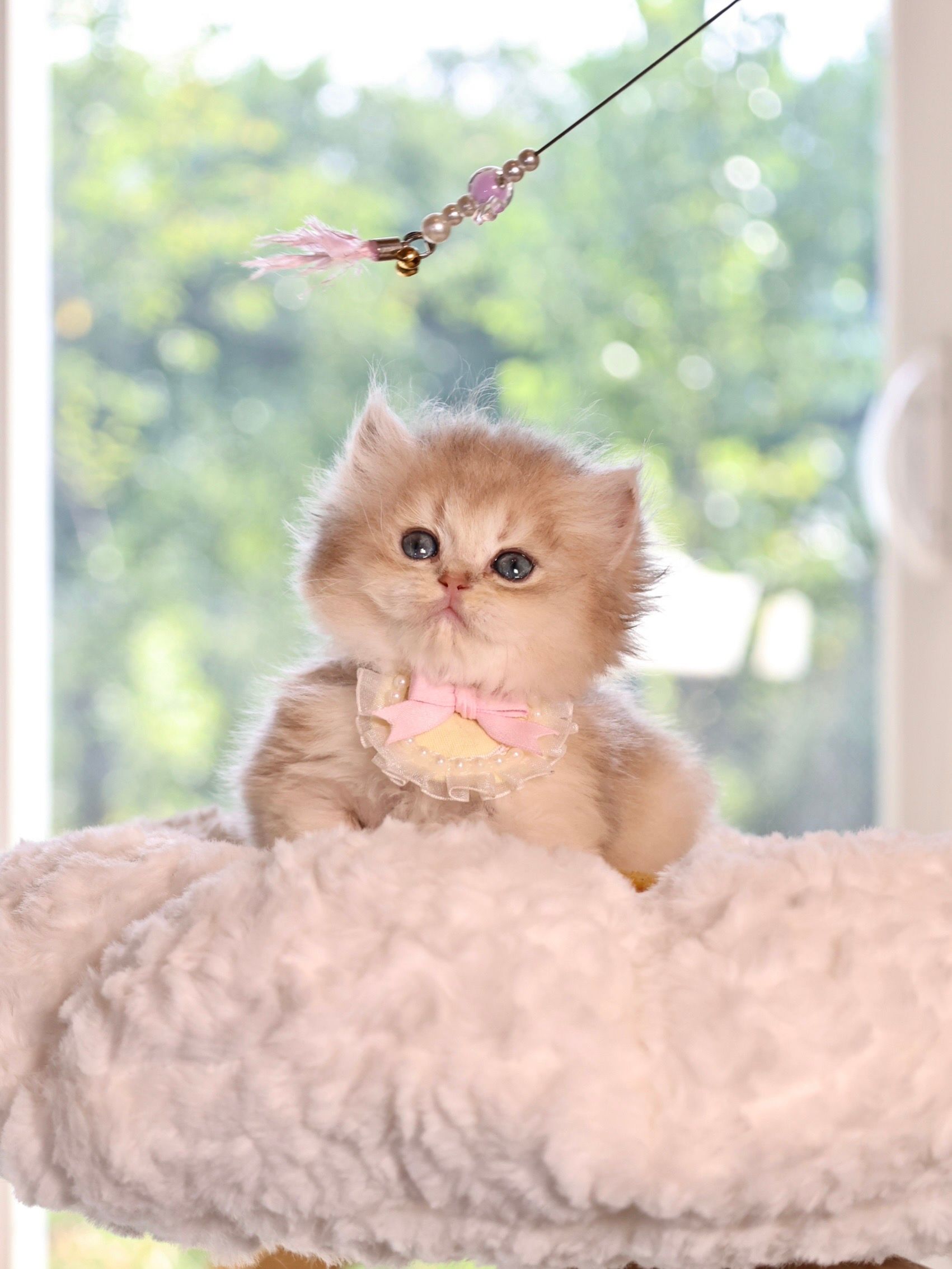
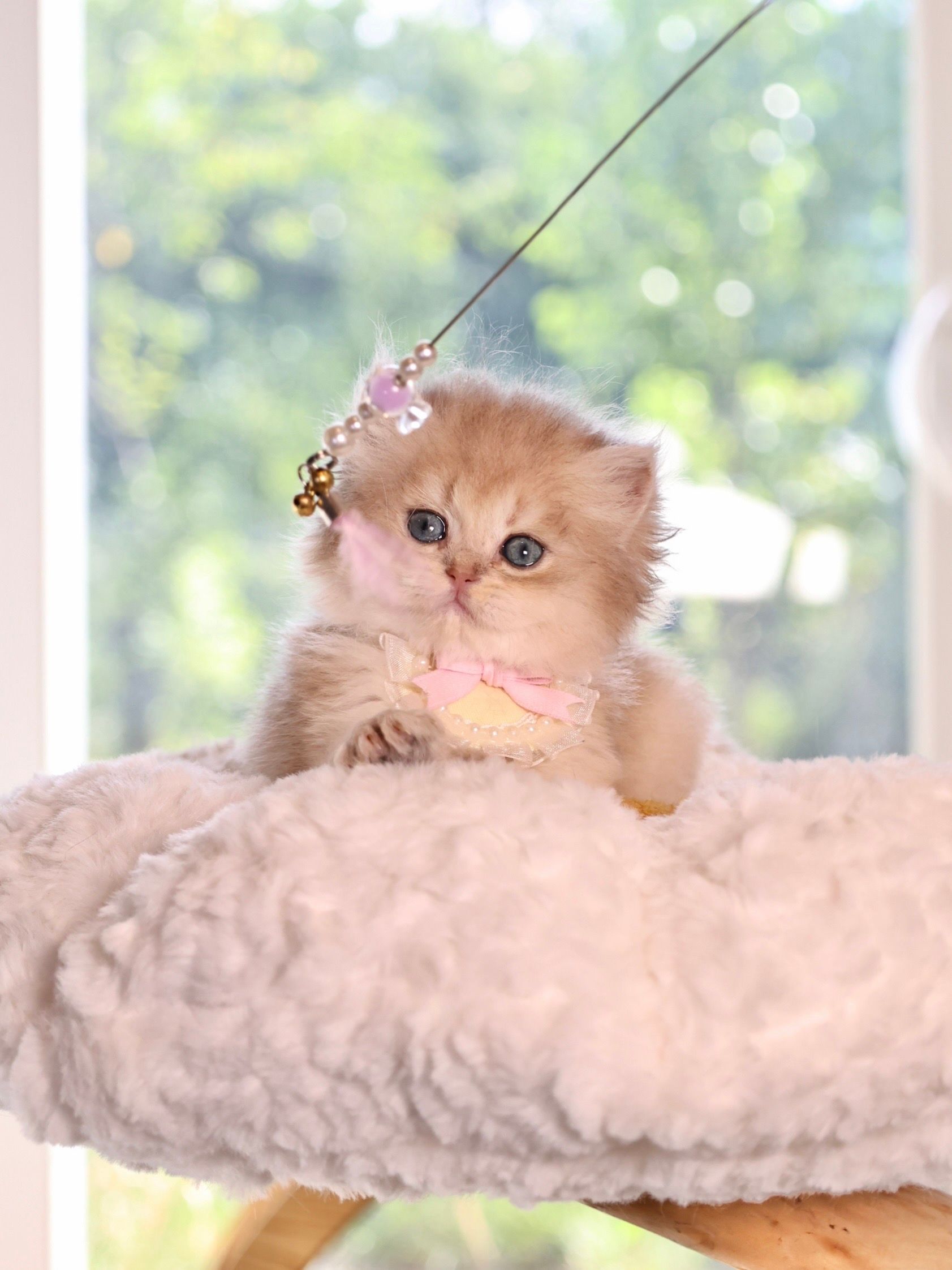
When selecting toys, prioritize soft materials and variety. Interactive toys, such as feather wands or rolling balls, help British kittens build coordination and relieve boredom. A durable scratching post or cat tree encourages natural scratching behavior and provides exercise opportunities.
Nutrition and Feeding Habits
Balanced nutrition plays a vital role in the health of both British Longhair cats and British Shorthairs. These breeds tend to gain weight easily, so portion control and scheduled feeding are essential.
High-quality kitten food, rich in protein and essential fatty acids, supports coat development and strong muscles. Dry food helps dental health, while wet food maintains hydration. Gradually transition between food brands to avoid digestive discomfort. Always provide fresh water and avoid overfeeding treats. Consulting a veterinarian can help tailor meal portions based on age, weight, and activity level, ensuring long-term wellness.
Early Socialization and Bonding
The first few weeks in a new home shape a kitten’s personality and trust. British breeds are affectionate yet independent, meaning they enjoy companionship without excessive attention. Gentle handling, soft voice interaction, and consistent routines help them feel secure.
Introduce family members slowly and avoid forcing interaction. When meeting other pets, short supervised sessions help prevent territorial stress. Positive reinforcement—such as offering treats or gentle praise—teaches desirable behavior and builds trust.
Litter Training and Cleanliness
Most kittens learn litter box habits early, but consistent reinforcement ensures success. Place the box in a quiet, accessible corner and keep it clean by scooping daily. Avoid strong-scented litters that may discourage use.
If accidents occur, clean the area thoroughly with an enzyme-based cleaner to remove odors. Cats are more likely to use clean, well-placed boxes consistently when they feel safe and comfortable. Grooming also plays an important role, especially for British Longhairs.
Health Care and Vet Visits
Veterinary visits are essential to track growth, vaccination schedules, and overall health. Responsible owners of British Longhair kittens in Harrisburg often schedule their first appointment within days of adoption. A trusted vet will perform a full health check, provide guidance on parasite prevention, and discuss vaccination timelines.
Spaying or neutering at the appropriate age helps control unwanted breeding and supports long-term health. Annual checkups, dental care, and monitoring weight ensure early detection of potential issues.
Understanding Breed Traits
British breeds are known for their calm and adaptable temperaments. Shorthairs are sturdy and loyal, often forming close bonds with family members. Longhairs, on the other hand, bring a touch of elegance with their soft, flowing coats and affectionate personalities.
While both breeds are intelligent and easy to train, they prefer structured environments and predictability. They thrive on affection, soft play, and consistent routines, making them ideal companions for households with children or other pets.
Creating Enrichment and Routine
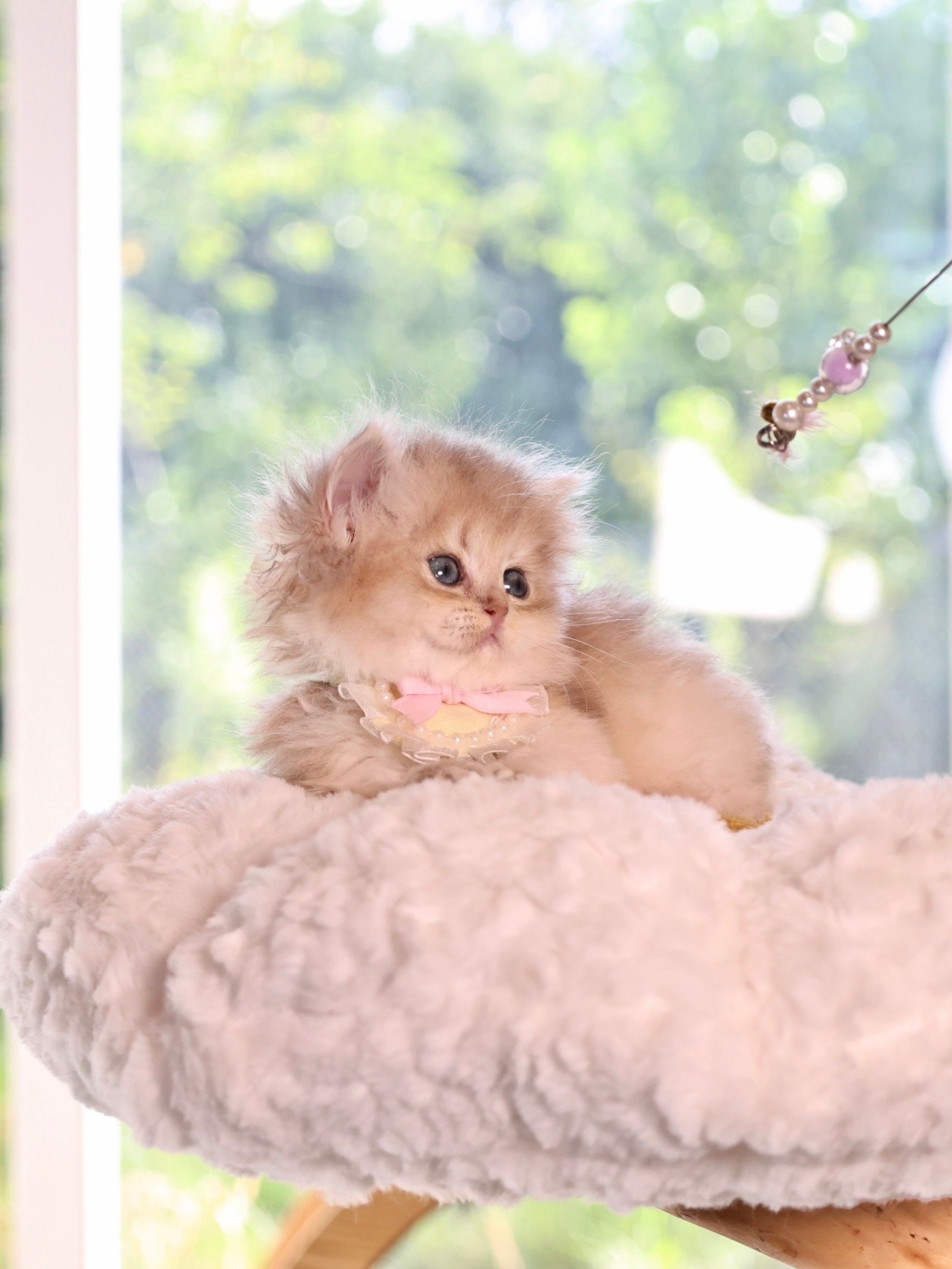
A happy cat is one that stays mentally and physically active. Rotate toys regularly, provide climbing spaces, and introduce puzzle feeders for stimulation. These activities prevent boredom and behavioral issues.
British cats love observing their surroundings, so a cozy perch near a window can offer hours of quiet entertainment. Keeping a regular schedule for meals, playtime, and rest promotes a sense of stability and comfort.
Building Trust Through Patience
For first-time owners, patience is the key to forming a strong bond. Every kitten adapts at its own pace. Consistency in tone, care, and affection allows trust to grow naturally. Over time, shy kittens become affectionate companions who enjoy quiet companionship and gentle affection.
Owners should also pay attention to body language. Slow blinks, soft purring, and relaxed postures indicate contentment. Respecting personal space during the early days sets the foundation for a lasting bond.
Raising a Confident and Healthy Companion
For those hoping to bring home a loving feline companion, trusted options like buying British Shorthair cats, British Longhair cats online, and the best cat breeders in Pennsylvania ensure every kitten begins life with the care it deserves. CatKing Cattery provides guidance and support for new owners ready to welcome a purebred kitten with confidence and care. Contact us today.
2025-10-31