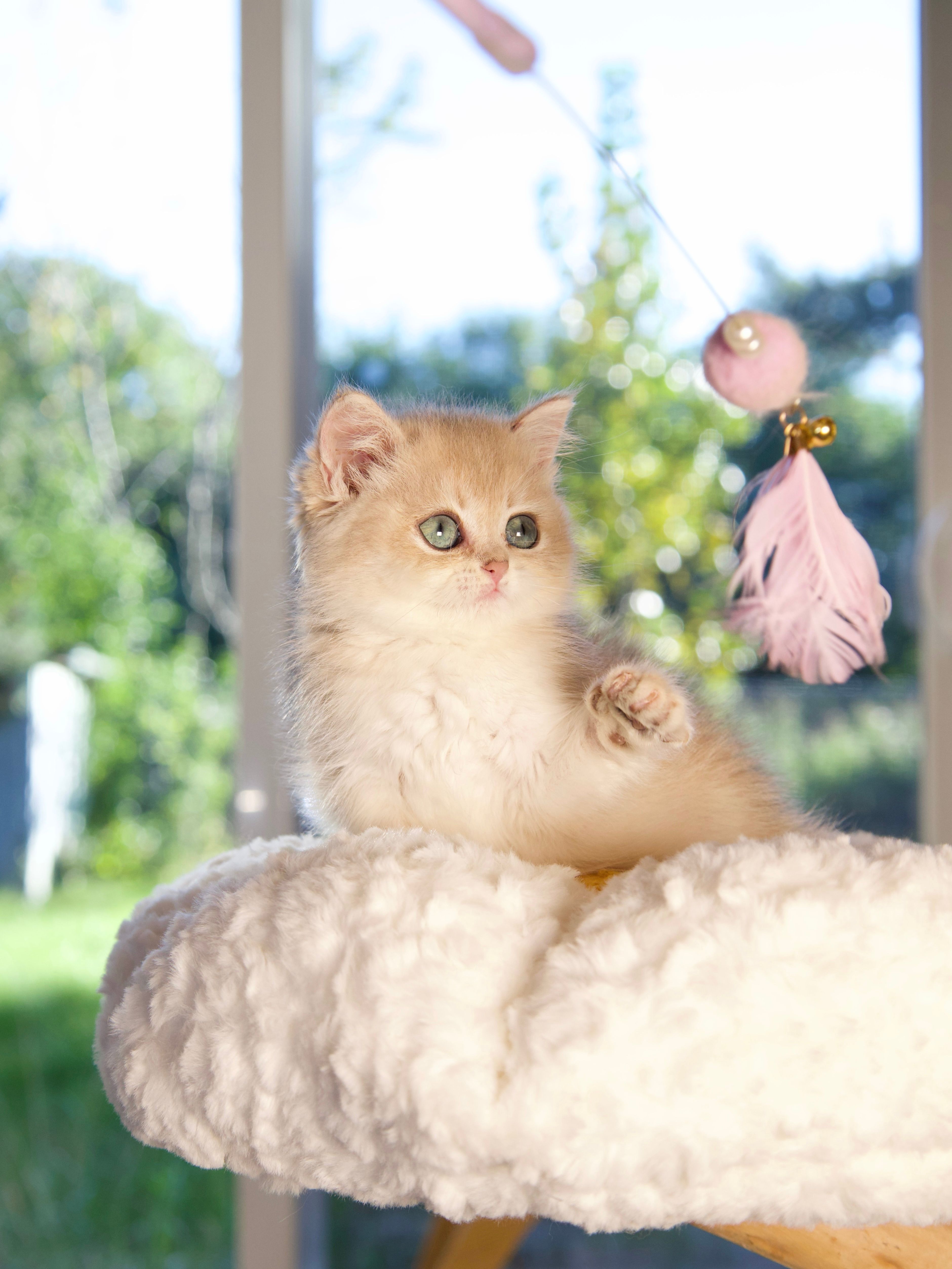
Creating a Cat-Friendly Home: Essential Indoor Spaces for British Cats
From: Catking Cattery
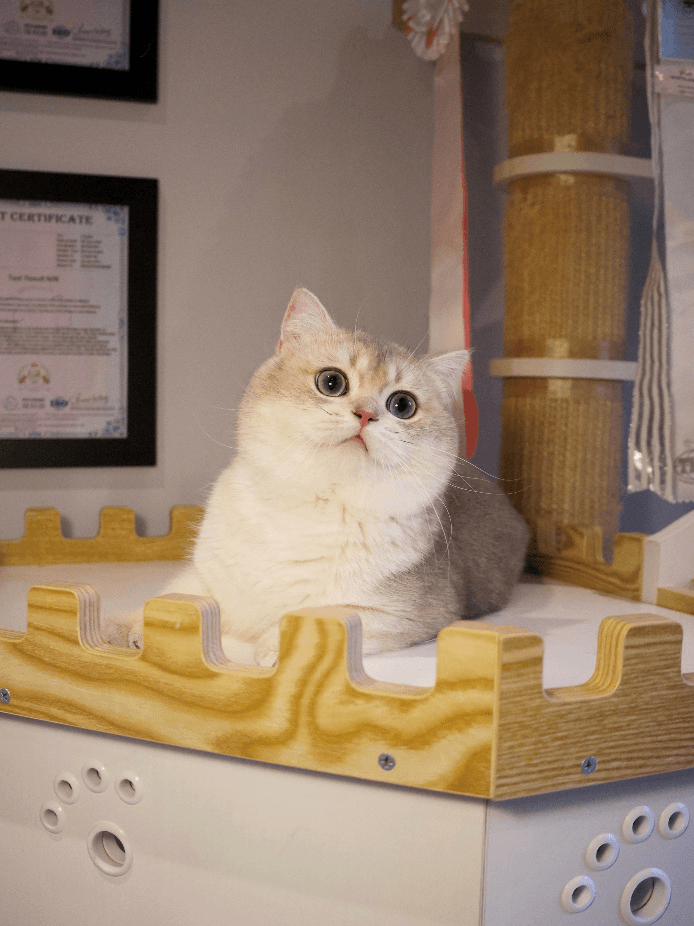
A home can look comfortable to people and still leave a cat short of places to climb, scratch, hide and rest. Cats notice height, privacy and escape routes long before they notice the sofa. A thoughtful indoor environment for British cats starts with seeing your space from that angle, and a few well-placed additions can change how the whole house feels.
1. Climbing Spaces and Window Perches
Cats feel more secure when they can watch what is happening around them. Veterinary guidelines on feline environmental needs describe raised perches as a way to monitor surroundings, so a sturdy cat tree, wall shelf or cleared bookcase top is worth having.
Choose perches wide enough for a full stretch, check the weight rating for larger cats, and add steps or a ramp for kittens and older cats. Place one perch by a window. Birds, neighbours and falling snow give an indoor cat plenty to follow. Keep windows closed or securely screened.
2. Scratching Areas Where Life Happens
Scratching is not misbehaviour. It maintains claws, stretches the back and shoulders, and leaves scent from paw glands, which helps a cat feel at home, as the RSPCA explains.
Place posts where your cat already spends time, such as beside the sofa or next to a spot that is being scratched. Choose one tall and heavy enough not to tip, and add a flat pad to see which your cat prefers.
3. Hiding Spots and Quiet Resting Zones
Hiding is a coping behaviour, not shyness. A cat that can slip away when guests arrive feels more in control. A cardboard box on its side, or an open carrier draped with a blanket, works well. Place a few in different rooms.
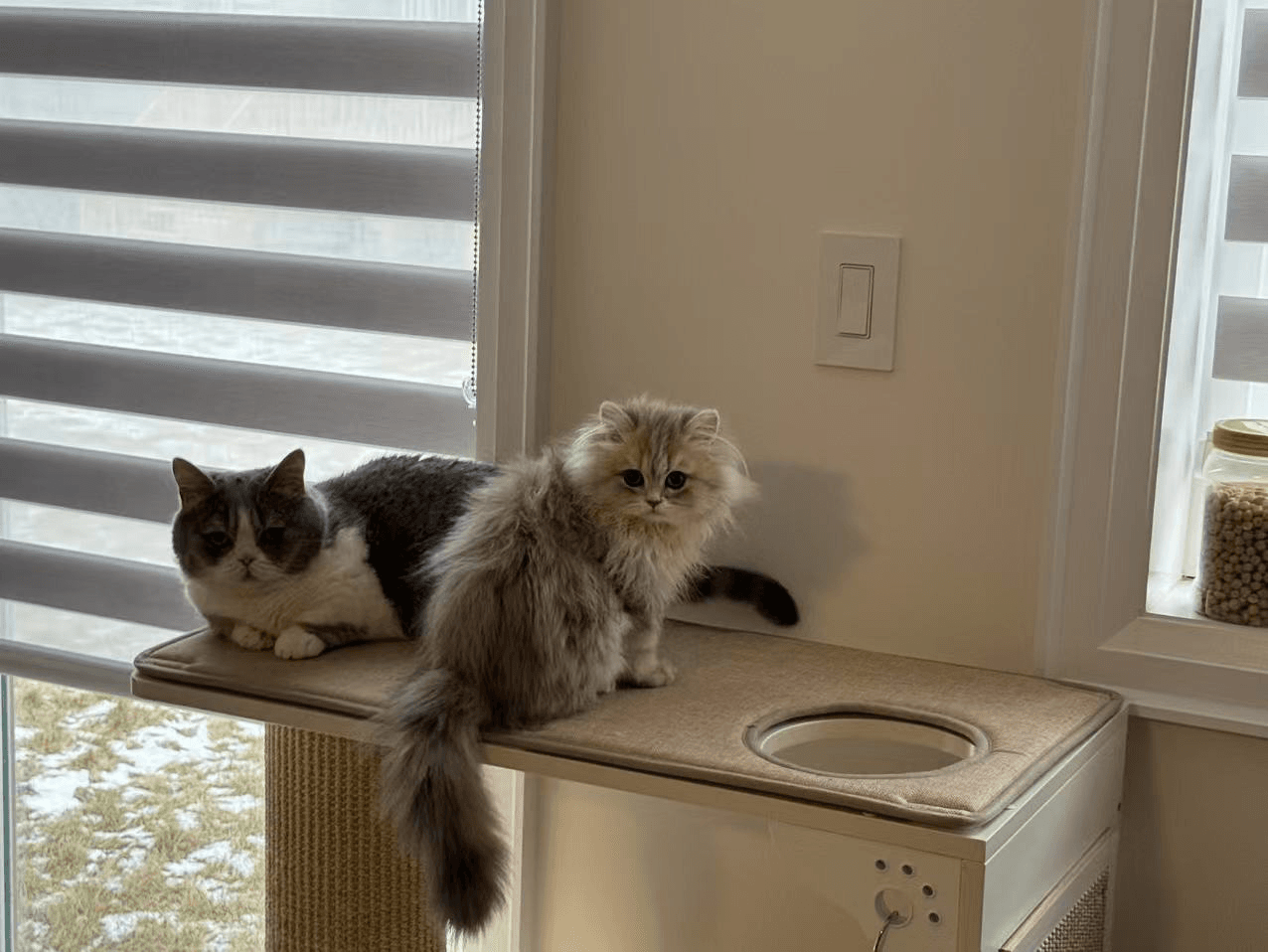
Offer several beds in quiet corners, away from televisions and busy doorways, since cats like to rotate where they sleep. Wash bedding in turns so some always smells familiar.
4. Litter Box Placement and a Well-Organised Home
Cats prefer privacy in the litter box. Cats Protection advises a quiet spot with room around it, away from food and water bowls. Scoop daily, and avoid strongly scented litter and cleaners, which can put cats off. Spread food, water, litter, scratching and rest areas into separate spots rather than clustering them, and add a spare litter box elsewhere so your cat has a choice.
5. Bringing Home a British Cat to a Well-Prepared Space
A cat-friendly home does not need to be elaborate. Height, scratching, hiding places, quiet rest and a private litter box cover most needs, and each can be adjusted as you learn your cat’s preferences, since individual cats differ.
If you are planning to bring home a British Shorthair or British Longhair in NYC, setting up these spaces first makes the early days gentler. Learn about CatKing Cattery, a Toronto-based breeder, explore available kittens, or contact the team about the reservation process.
2026-11-22