How British Cats Communicate: Decoding Meows, Purrs, and Body Language
From: Catking Cattery

Understanding how cats communicate is essential for building strong bonds and ensuring their well-being. British cats, including the British Shorthair and British Longhair, have unique ways of expressing their emotions, needs, and intentions. Their communication is subtle, often combining vocalizations with body language, facial expressions, and behavior.
For owners of British Shorthair and British Longhair cats, learning to interpret these signals can improve interaction, reduce stress, and strengthen the human-cat relationship. Observing their nuanced communication patterns allows you to respond appropriately and ensure a healthy, happy home for your feline companions.
The Role of Vocalizations in Communication
Cats use vocalizations to express emotions, attract attention, or convey needs. Among British cats, common vocalizations include meows, purrs, chirps, and hisses. Each sound has a distinct purpose and context.
Meows
Meowing is primarily directed at humans. British Shorthair and British Longhair cats often meow to greet their owners, request food, or signal a desire for attention. The tone, pitch, and frequency can indicate urgency or emotion. For example, a short, soft meow might be a simple greeting, while repeated or loud meows may indicate hunger or distress.

Purring
Purring is often associated with contentment, but its meaning can vary. Cats may purr when relaxed and happy, such as while sitting on their owner’s lap, or when feeling anxious or unwell, as a self-soothing mechanism. Understanding the context of a purr is key to interpreting its true meaning.
Other Sounds
Chirps and trills are used to get attention or express excitement, often when seeing birds or toys. Hissing, growling, or spitting are clear signals of fear or aggression. British cats tend to be less vocal than some breeds, but each sound carries important information about their emotional state.
Body Language: Tail Signals
A cat’s tail is a powerful indicator of mood. British Shorthair and British Longhair cats communicate many emotions through tail movements.
- Upright Tail: Indicates confidence and friendliness.
- Tail Tucked: Shows fear or submission.
- Tail Flicking: Often signals irritation or focus, especially when hunting or playing.
- Slow Swishing: Can suggest contentment or mild curiosity.
Observing tail position and movement helps owners gauge whether a cat feels comfortable or stressed in a situation.
Ear and Eye Cues
The position of a cat’s ears and the expression of its eyes provide additional communication cues.
- Ears Forward: Indicates curiosity, attentiveness, or friendliness.
- Ears Flattened: Signals fear, anxiety, or aggression.
- Dilated Pupils: Can indicate excitement, stress, or fear.
- Slow Blinking: Often a sign of trust and affection in British cats, inviting calm interaction.
Understanding these subtle signals allows owners to respond in ways that reduce stress and encourage positive engagement.

Posture and Body Position
A cat’s overall posture conveys information about its emotional state and intentions.
- Relaxed Body: Indicates comfort and contentment.
- Crouched Position: May suggest fear, caution, or readiness to flee.
- Arched Back with Fur Raised: A defensive or aggressive stance.
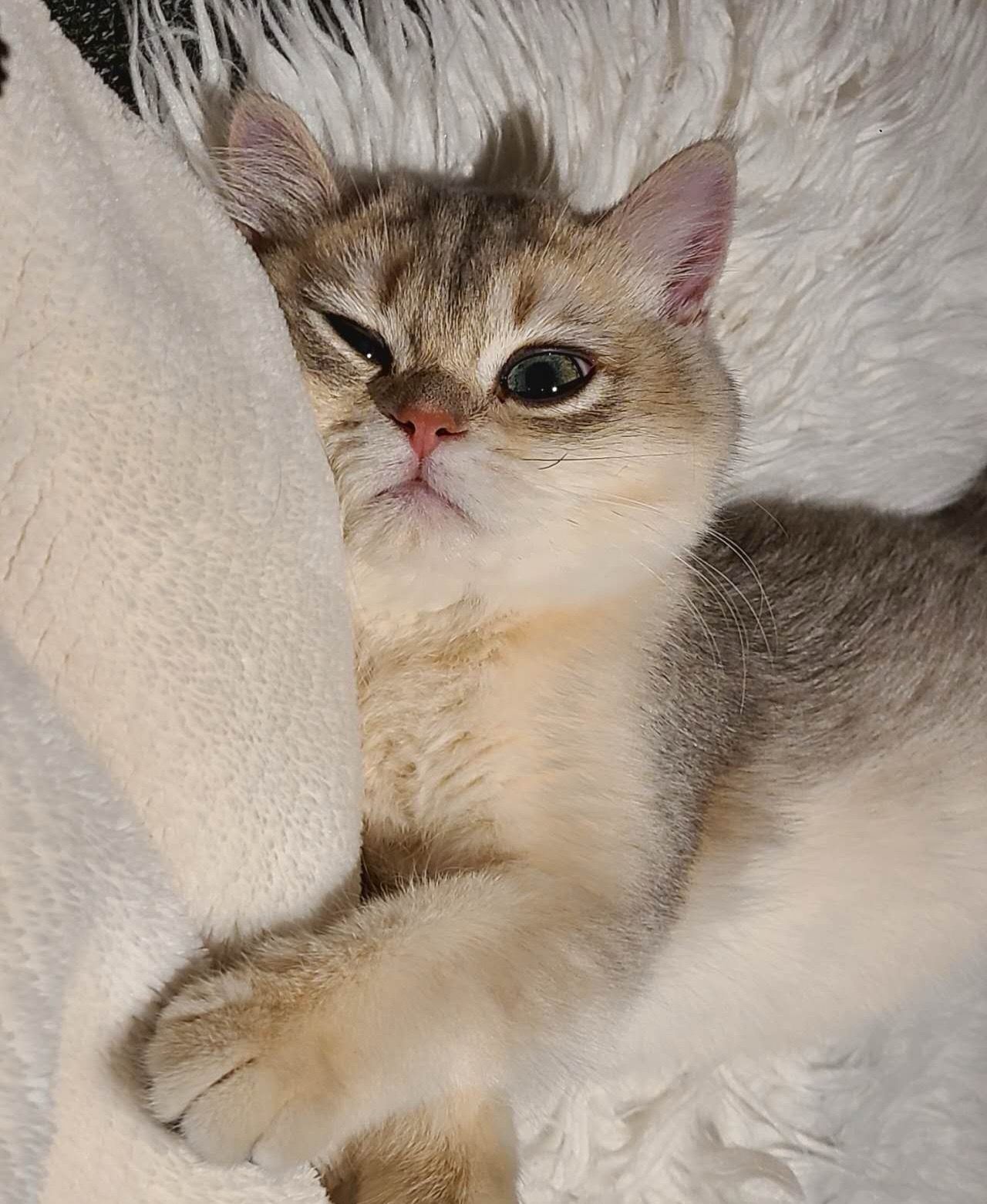
- Rolling on Back: Can signal trust and comfort, though it may also be a defensive strategy to expose claws if threatened.
British Shorthair and British Longhair cats are generally calm and composed, so sudden changes in posture are important signals to observe.
Social Signals and Interaction
Cats communicate with humans and other animals through a combination of vocalizations, body language, and scent. Recognizing these cues helps prevent miscommunication.
- Head Bunting: Rubbing the head against people or objects signals affection and marking territory.
- Kneading: Pressing paws on a surface may indicate contentment or a way to stretch and mark scent.
- Tail Wraps: Wrapping the tail around a person or another cat is a sign of trust or companionship.
British cats are sociable but not overly demanding, often combining gentle signals with calm behavior to indicate affection or attention-seeking.
Interpreting Stress and Discomfort
Even calm breeds like British Shorthair and British Longhair experience stress. Recognizing signs early is crucial.
- Hiding or Avoidance: Indicates fear or overstimulation.
- Excessive Grooming: Can be a stress response.
- Hissing or Swatting: Clear signs of discomfort or irritation.
Responding appropriately—providing space, quiet, or environmental enrichment—helps maintain a healthy emotional balance.
Play and Communication
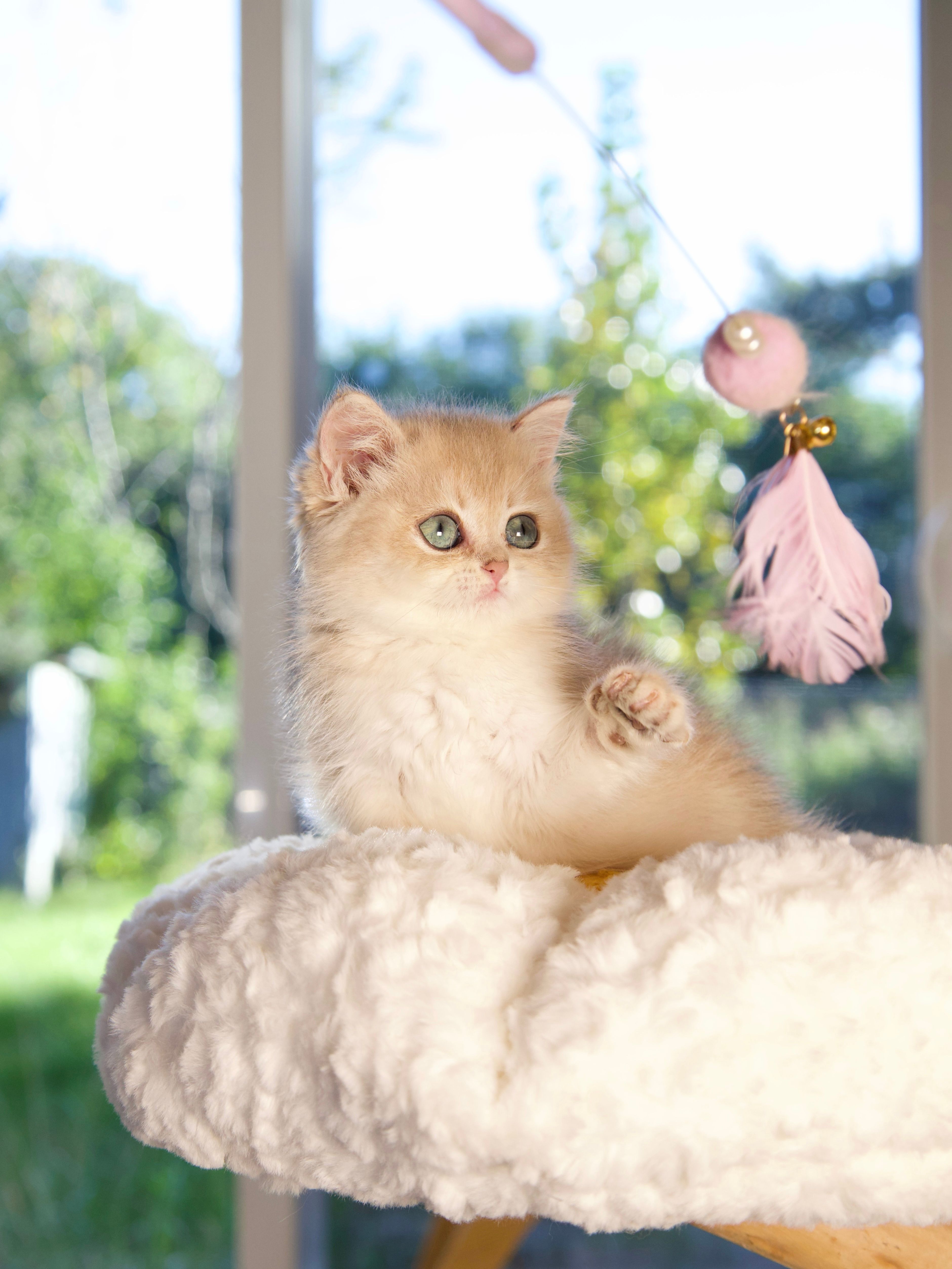
Playtime is a form of communication and an important outlet for natural instincts. Interactive games simulate hunting behaviors, allowing cats to express energy, curiosity, and skill.
British cats may prefer slower, deliberate play rather than high-intensity sessions. Observing their preferences and responding to subtle cues ensures the play is enjoyable and stress-free.
Communicating with Multiple Cats
In homes with more than one British cat, communication helps establish boundaries and maintain harmony.
- Staring or Avoidance: Used to establish personal space.
- Chasing and Mock Fighting: Normal social play that develops coordination and social skills.
- Grooming Each Other: Signals trust and strengthens social bonds.
Understanding these behaviors ensures that multi-cat households remain peaceful and that social dynamics are respected.
Tips for Strengthening Communication
Owners can enhance communication with their British cats through observation and consistent interaction:
- Learn the Signals: Pay attention to vocalizations, tail, ear, and eye cues.
- Respect Boundaries: Give cats space when they show stress signals.
- Engage in Play: Use interactive toys to encourage natural behaviors.
- Positive Reinforcement: Reward calm, social, or playful behavior to encourage trust.
- Create a Safe Environment: Provide resting spots, perches, and hiding places to support emotional well-being.

By observing and responding appropriately, owners can foster a trusting and rewarding relationship with their cats.
Conclusion
British Shorthair and British Longhair cats communicate through a rich combination of sounds, body language, and social behaviors. Understanding these signals is key to ensuring their physical and emotional well-being. By decoding meows, purrs, and subtle postures, owners can strengthen bonds, reduce stress, and create a harmonious home environment.
Proper observation, respect for personal space, and consistent interaction are essential strategies for nurturing positive communication. Engaging in play, providing mental stimulation, and recognizing stress cues all contribute to a happy, well-adjusted British cat.
Discover Your Perfect British Cat with CatKing Cattery
Looking to bring home a British Shorthair or British Longhair? CatKing Cattery offers healthy, well-socialized kittens for sale in Pittsburgh and across Pennsylvania. Connect with top cat breeders and find your perfect feline companion today.
2026-03-28