How British Shorthair Kittens Change Physically From 8 Weeks to 12 Months
From: Catking Cattery

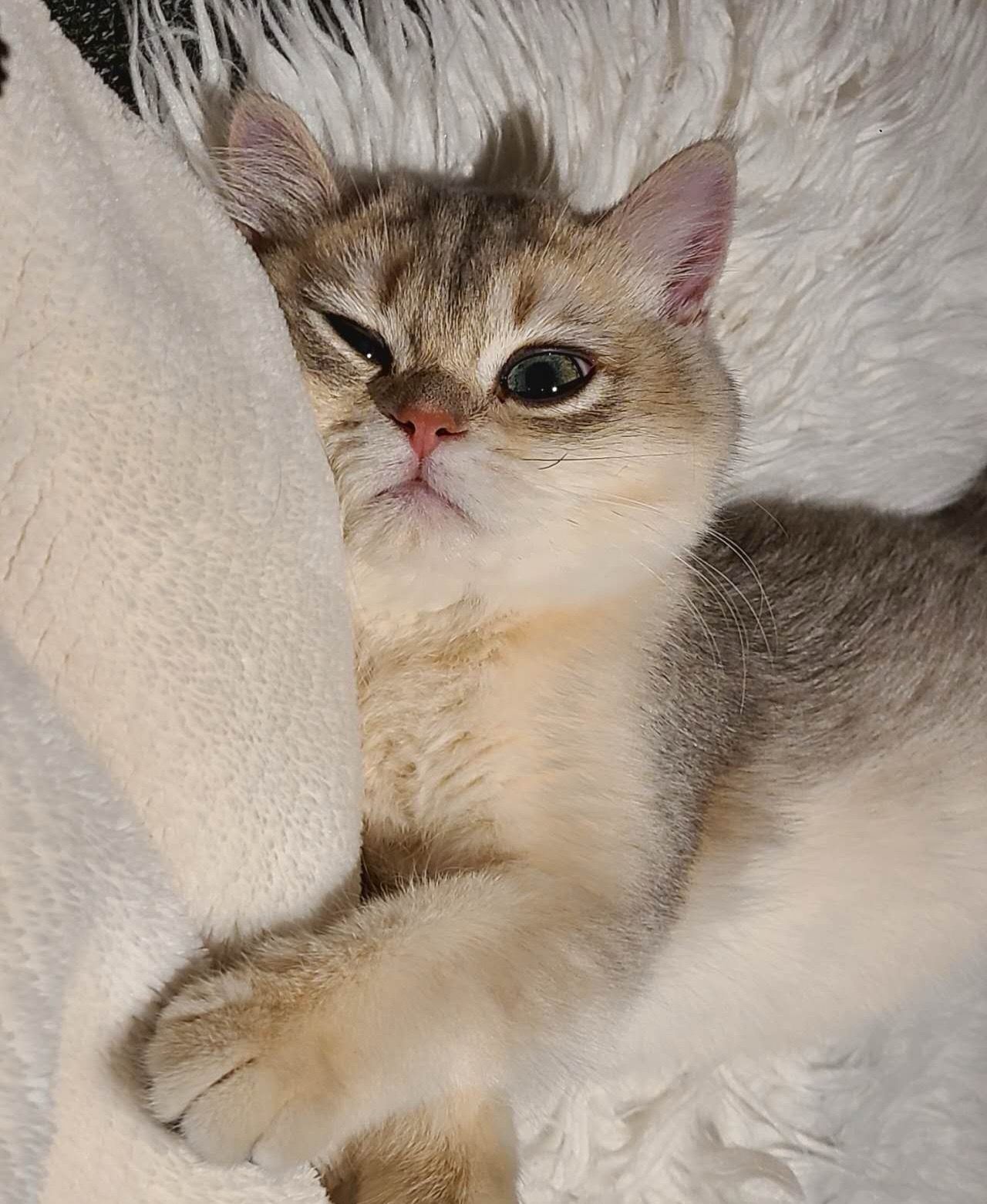
The first year of a British Shorthair kitten’s life is marked by steady and noticeable physical development. While the breed is known for its “teddy bear” look as an adult, that signature appearance does not fully exist at eight weeks. Instead, it develops gradually through structured growth stages.
Understanding the changes in British Shorthair kittens from 8 weeks to 12 months helps owners distinguish normal development from unnecessary concern. Body structure, coat density, and facial features all evolve at different rates, and each stage has its own characteristics. Below is a clear, stage-by-stage breakdown of what to expect during the kitten’s first year.
8 to 12 Weeks: The Early Transition Stage
At around 8 weeks, British Shorthair kittens are still very young and delicate. This is typically the stage when they begin transitioning into new homes.
Body Structure
At this age, kittens are:
- Small and lightweight
- Slender compared to adult proportions
- Still developing muscle tone
- Coordinated, but slightly clumsy at times
They do not yet display the broad, dense body typical of adult British Shorthairs.
Coat Development
The coat is:
- Soft and fluffy
- Still relatively fine in texture
- Lighter in density than adult fur
Colour patterns are usually visible, but shading and depth may still refine over time.
Facial Features
The face is:
- Slightly narrow
- Large-eyed in proportion to the head
- Less rounded than adulthood
The signature “chipmunk cheeks” are not yet developed.
At this stage, the most important focus is nutrition, stability, and gentle handling to support healthy growth.
3 to 5 Months: Rapid Growth and Structure Formation
This is one of the most active physical development phases in the changes in British Shorthair kittens.
Body Structure
During this stage:
- Weight increases noticeably
- Bone structure begins to widen
- Legs become sturdier
- The overall frame starts looking more balanced
Kittens may look slightly “longer” before they fill out.
Coat Development
The coat begins to:
- Increase in density
- Feel slightly thicker and plusher
- Show more defined texture
British Shorthairs start developing the plush coat that later becomes their trademark.
Facial Features
- Cheeks begin to round subtly
- Jawline becomes broader
- Expression becomes more structured and less “baby-like”
Even though they are still kittens, the breed type starts becoming more visible.
6 to 8 Months: The “Teenage” Stage
This stage often brings noticeable but sometimes uneven growth.
Body Structure
At this point:
- Growth may appear slightly disproportionate
- The body becomes longer and stronger
- Muscle development increases
- Energy levels may still be high, but physically, they look more mature
Some kittens go through a lean phase before filling out again.
Coat Development
The coat becomes:
- Noticeably denser
- More resistant and plush
- Better defined in texture
Seasonal shedding may also begin depending on the environment and climate.
Facial Features
- Cheeks become fuller
- Head shape becomes rounder
- Nose and muzzle proportions balance out
This is the phase where many owners start seeing the “British Shorthair look” emerging clearly.

9 to 12 Months: Near-Adult Formation
By the time a British Shorthair reaches one year, most of the visible structure is established, although full maturity takes longer.
Body Structure
At this stage:
- The body becomes more solid and rounded
- Chest widens significantly
- Legs appear thick and sturdy
- Weight stabilizes but may still increase gradually
They begin to resemble a smaller version of an adult cat.
Coat Development
The coat is:
- Much denser and fuller
- Soft yet heavy in texture
- Even in appearance across the body
The plush “double coat” characteristic of the breed becomes more apparent.
Facial Features
- Fully rounded face shape
- Prominent cheeks
- Balanced proportions between eyes, nose, and muzzle
This is when the breed’s signature teddy bear expression becomes clearly visible.
Key Factors That Influence Physical Development
While the timeline is fairly consistent, several factors influence how the changes in British Shorthair kittens appear in individual cats.
Genetics
Bloodlines play a major role in:
- Coat density
- Facial roundness
- Body structure
Some kittens mature earlier or later, depending on lineage.
Nutrition
A balanced diet supports:
- Bone strength
- Muscle development
- Coat quality
Poor nutrition can delay or weaken visible development.
Activity Level
Moderate play helps:
- Muscle formation
- Healthy weight gain
- Coordination development
Environment
Stress-free environments often support more stable and predictable growth patterns.
When Do British Shorthairs Fully Mature?
Although most visible changes occur within the first year, British Shorthairs are a slow-maturing breed. Full physical maturity usually occurs between:
- 2 to 3 years of age
This includes:
- Final coat density
- Complete facial roundness
- Maximum body mass
So, a 12-month-old cat is still technically developing, even if they already look quite adult-like.
What Owners Should Watch For
Understanding normal development helps owners avoid unnecessary concern. However, it is important to monitor:
- Sudden weight loss or gain
- Uneven growth that persists
- Lack of appetite during key growth phases
- Excessive lethargy unrelated to normal rest
Most variation is normal, but consistent monitoring ensures healthy development.
Final Thoughts
The first year of life is a structured and gradual transformation for British Shorthairs. From delicate 8-week-old kittens to near-adult cats at 12 months, every stage contributes to their final appearance and temperament. The changes in British Shorthair kittens are not sudden but layered, with each phase building on the last. Body structure strengthens, coats deepen in texture, and facial features gradually develop into the breed’s iconic rounded expression.
Understanding this progression allows owners to appreciate the natural development process without expecting immediate adult proportions too early.

At CatKing Cattery, we closely observe the changes in British Shorthair kittens so families understand how their kitten evolves from 8 weeks to 12 months in a healthy, predictable way. We operate as a registered British Shorthair cat breeder in Canada, focusing on structure, temperament, and coat development that reflects true breed standards.
Every British Shorthair kitten for sale is raised in a controlled, socially enriched environment to support stable physical growth and confidence. Families looking for a kitten for sale can explore our available British Shorthairs and British Longhairs, each carefully evaluated for balanced development before placement.
As trusted cat breeders in Canada, we emphasize ethical practices and long-term well-being over quantity, ensuring every kitten receives proper care from birth. Contact us now.
2026-07-03