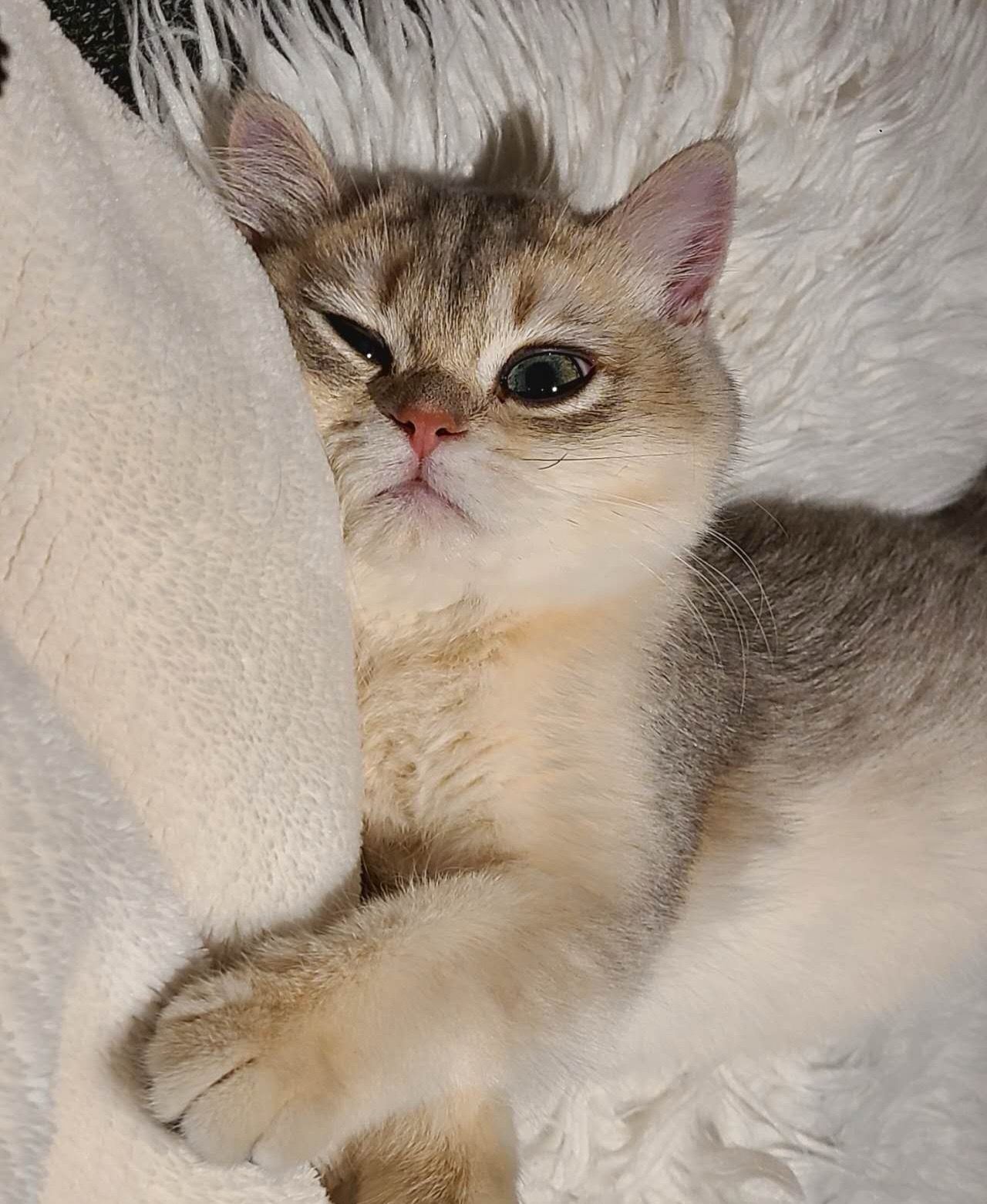
How British Shorthair Kittens Respond to New People vs New Environments
From: Catking Cattery

Bringing home a British Shorthair kitten is exciting, but the first few days often come with questions about behaviour. Some kittens immediately approach family members with curiosity, while others quietly observe from a distance. A kitten may appear relaxed around people, yet become nervous in a different room. Another may handle travel well but hesitate around unfamiliar visitors.
These reactions are completely normal. Like people, kittens respond differently to social changes and environmental changes. Understanding that difference is especially important when helping Toronto British Shorthair kittens in new environments to adjust comfortably and confidently.
British Shorthairs are known for their calm personalities and balanced temperament, but they are still sensitive to major changes during kittenhood. Learning how they process unfamiliar surroundings and new social interactions can help owners support a smoother transition into home life.
Social Stress vs Environmental Stress in Kittens
Many people assume that all nervous behaviour in kittens comes from fear of humans. In reality, social stress and environmental stress are often very different experiences.
Social Stress
Social stress relates to:
- New people
- Unfamiliar voices
- Handling
- Sudden attention
- Different smells from humans or animals
This type of stress affects how a kitten interacts socially.
Environmental Stress
Environmental stress relates to:
- New homes
- Different layouts
- Strange sounds
- Unfamiliar scents
- New furniture
- Travel
- Different lighting or routines
This type of stress affects how safe and predictable the environment feels. A British Shorthair kitten may feel comfortable with people but still become overwhelmed by unfamiliar surroundings. On the other hand, some kittens adapt quickly to new spaces but need extra time to trust unfamiliar individuals.
Recognizing the difference allows owners to respond more appropriately rather than assuming every quiet behaviour means the same thing.
How British Shorthair Kittens Usually Respond to New People
British Shorthairs are often described as gentle, observant, and emotionally balanced cats. Even as kittens, many prefer to quietly assess situations before fully engaging. When introduced to new people, British Shorthair kittens commonly:
- Watch from a short distance first
- Approach gradually
- Avoid sudden physical contact
- Become more social after observing calmly
- Prefer gentle voices and slow movements
Unlike highly outgoing breeds that immediately seek attention, British Shorthairs often build trust more carefully. This cautious approach should not be mistaken for fearfulness or poor temperament. In many cases, kittens become affectionate once they feel emotionally secure.
Why Socialization Still Matters
Even naturally calm breeds need healthy socialization during kittenhood. Positive exposure to different people helps kittens become more confident adults. Well-socialized British Shorthair kittens are often:
- More adaptable
- Easier to handle
- Less reactive to guests
- More emotionally stable
- Comfortable in family environments
Responsible breeders play an important role by raising kittens in environments with regular human interaction and positive experiences.

How British Shorthair Kittens React to New Environments
For many kittens, environmental stress can feel more intense than meeting new people. A completely unfamiliar environment introduces:
- New smells
- New sounds
- Unknown hiding places
- Different routines
- Unfamiliar surfaces
- Absence of littermate scents
Even confident kittens may temporarily become quieter during this adjustment period. Owners of British Shorthair kittens often notice behaviours such as:
- Hiding under furniture
- Eating less during the first day
- Sleeping more than usual
- Exploring mainly at night
- Staying close to walls or corners
- Quiet observation before interaction
These behaviours are generally temporary and are often part of the kitten’s process of understanding whether the new space is safe. British Shorthairs tend to prefer stability and predictability, so sudden environmental changes may affect them more than people expect.
Why Some Kittens Adjust Faster Than Others
Not all kittens adapt at the same pace. Several factors influence how comfortably kittens respond to new situations.
Early Socialization
Kittens exposed to varied sounds, people, and handling during early development often adapt more smoothly. Personality Some kittens are naturally outgoing, while others are more cautious and observant.
Breeding Environment
Kittens raised in calm, structured, and interactive environments often develop stronger confidence.
Age at Transition
Very young kittens may become overwhelmed more easily, while older kittens sometimes adjust faster because they are more physically and emotionally developed.
Household Atmosphere
Quiet, patient households often help kittens settle more comfortably than chaotic or overstimulating environments.
Helping British Shorthair Kittens Adjust More Comfortably
Supporting British Shorthair kittens in new environments requires patience and consistency more than constant stimulation.

Start With One Smaller Space
Many kittens feel safer adjusting to one quiet room first before exploring the entire home.
Maintain Predictable Routines
Consistent feeding times, calm interaction, and stable sleeping arrangements help kittens feel secure.
Avoid Overwhelming Introductions
Large groups of visitors or excessive handling during the first days may increase stress unnecessarily.
Allow Voluntary Exploration
Kittens build confidence more naturally when they can explore at their own pace.
Use Familiar Items
Blankets or toys carrying familiar scents can provide comfort during transitions.
Speak Calmly
British Shorthairs often respond well to soft voices and gentle interaction.
When Adjustment Becomes Easier
Many owners notice significant improvement within the first one to two weeks. As kittens grow familiar with their surroundings, they usually become:
- More playful
- More affectionate
- More curious
- More confident socially
- More comfortable exploring openly
British Shorthairs often develop strong emotional stability once they feel secure in their environment. Their calm personality is one reason the breed adapts well to indoor living and family life when introduced thoughtfully.
Understanding Behaviour Leads to Better Transitions
The behaviour of British Shorthair kittens in new environments is not simply about being shy or outgoing. Social stress and environmental stress affect kittens differently, and understanding those differences helps owners respond with more patience and confidence. A kitten that hides during the first few days is not necessarily unfriendly. Likewise, a kitten that accepts handling quickly may still feel uncertain about its surroundings.
British Shorthairs are naturally thoughtful and observant cats. Given time, consistency, and gentle support, most settle into their new homes beautifully and develop into calm, affectionate companions. Creating a stable and respectful transition experience allows their true personality to emerge naturally over time.
At CatKing Cattery, we’ve seen how early environment and handling shape the long-term confidence of every kitten, especially when it comes to British Shorthair kittens. As a registered Royal British Cattery in Canada, we focus on raising kittens that transition smoothly into family life with steady temperaments and proper early socialization. If you’re looking for a British Shorthair kitten for sale, we encourage you to contact us and see how thoughtful breeding makes a real difference in behaviour and adjustment. Get in touch now to buy a kitten.
2026-06-25