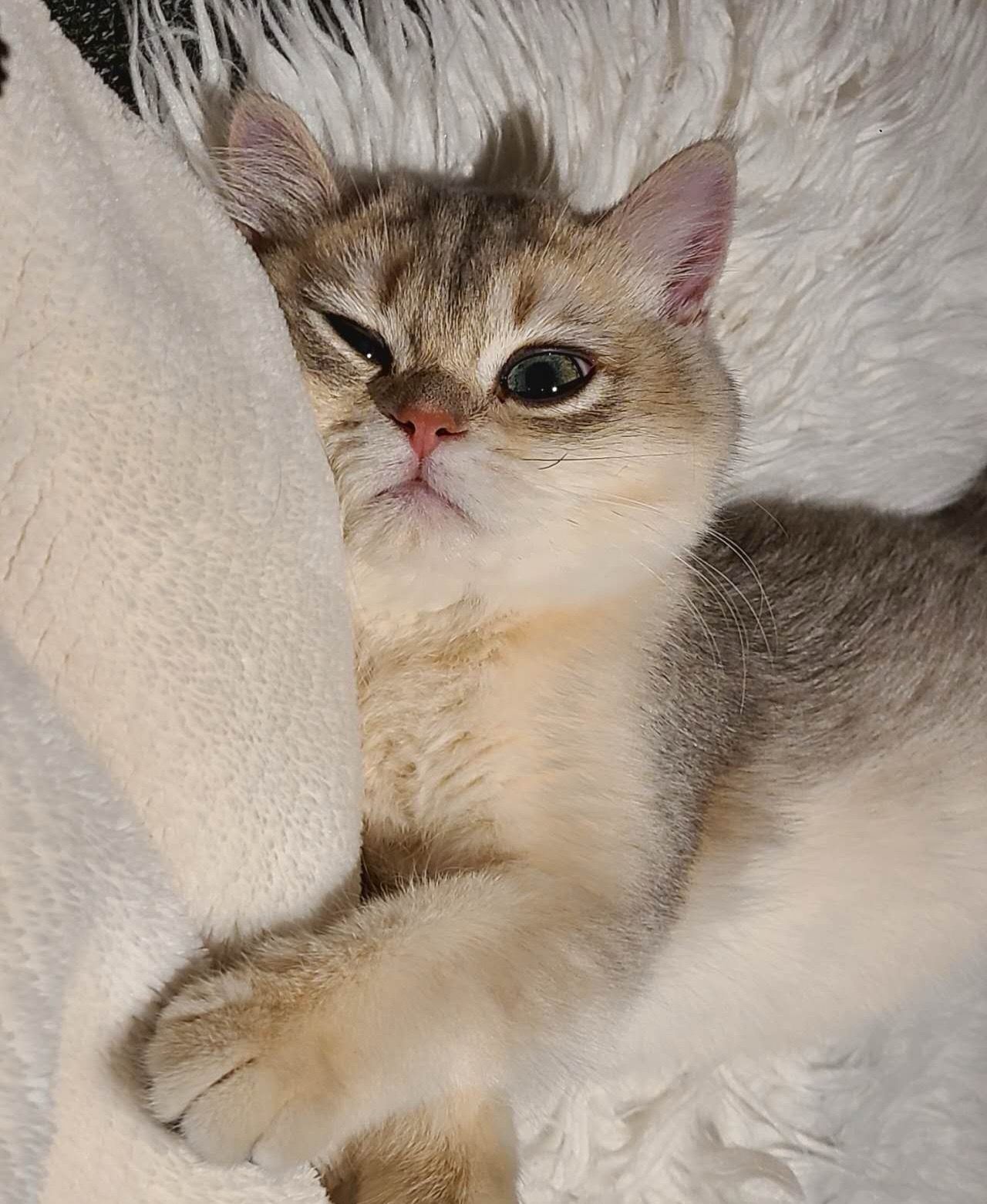
How to Choose a Reputable British Shorthair Breeder in Canada
From: Catking Cattery
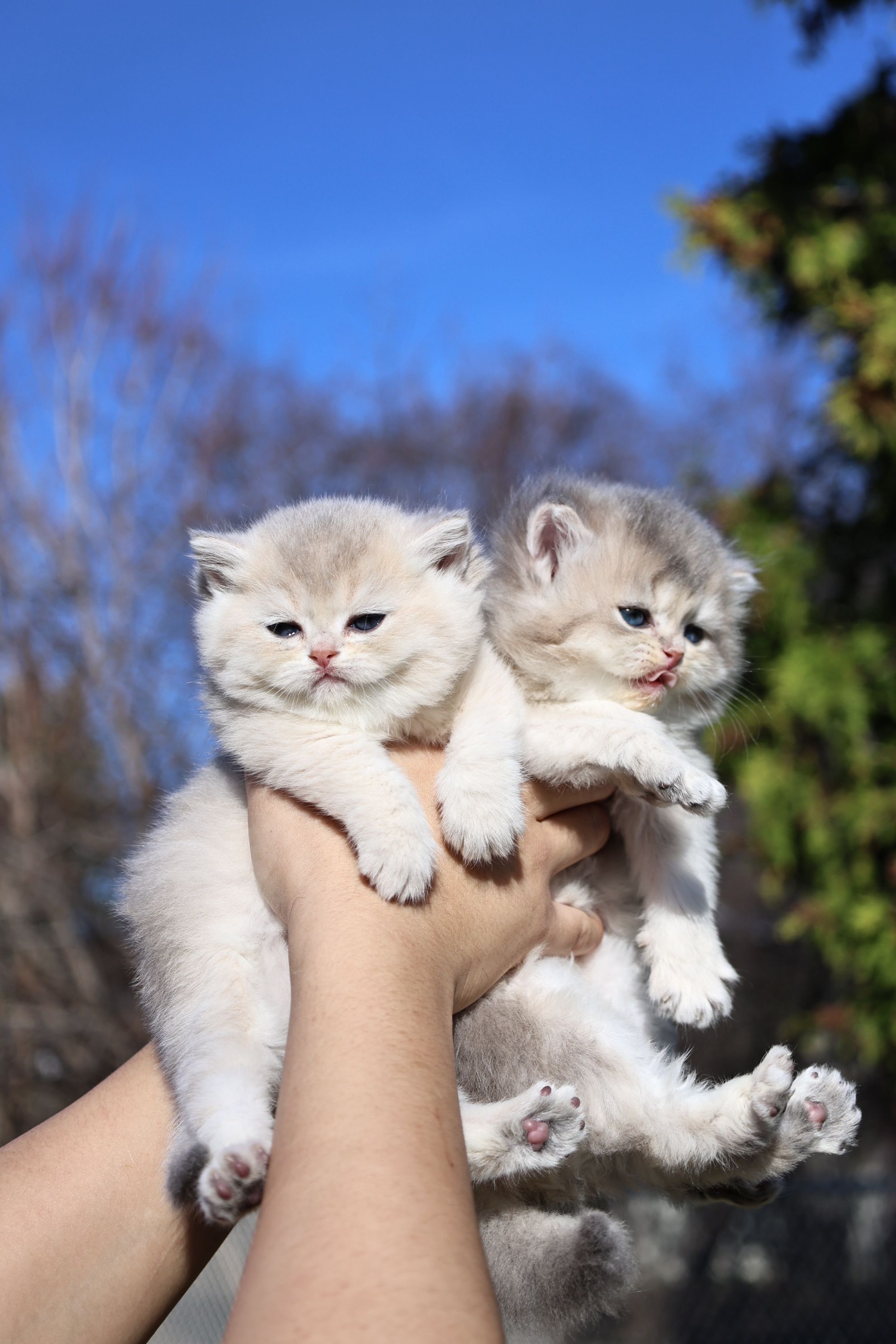
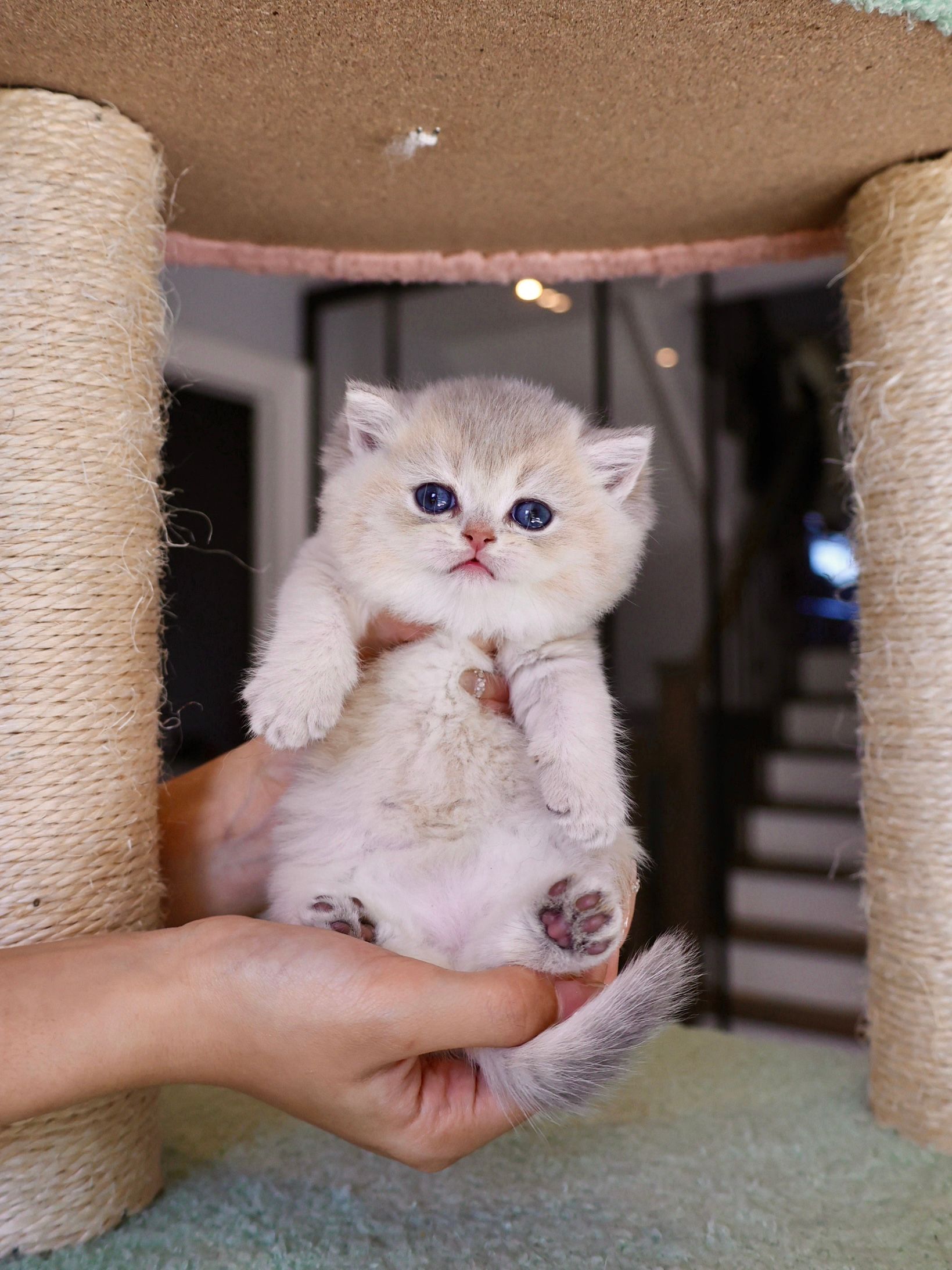
Most searches begin with photographs. A round face, a plush coat, a pair of copper eyes, and the decision feels settled before a single question has been asked. Choosing a British Shorthair breeder in Canada based on photographs alone can mean overlooking important questions about health, registration, socialisation, and documentation.
There are plenty of cat breeders in Canada to compare, but the important differences often appear in the records and policies behind the kittens. Here is what we provide to families who reserve with us and what buyers should ask any cattery to provide before making a decision. Start With Registration, Not Photographs
Registration is the first filter and the easiest to run. A legitimate cattery holds a registered cattery name with an association such as TICA, CFA or WCF, and that name appears on every pedigree it issues. Ask which associations the cattery belongs to, then ask for the cattery name as recorded.
Registry bodies publish buyer guidance listing warning signs worth taking seriously, including sellers who avoid written contracts or push for payment before a kitten has been chosen. Check the business itself as well. A cattery registered as a corporation in its province has an accountable legal entity behind the sale. A seller who cannot name a registering association has answered the question.
Ask to See the Health Testing, Not Just the Health Claim
Many catteries describe their kittens as healthy, but buyers should ask what was tested, which cat was tested, and when. Health screening should focus on the parent cats because hereditary conditions can come from the breeding pair.
For British Shorthairs, the screening that matters covers polycystic kidney disease, progressive retinal atrophy, and autoimmune lymphoproliferative syndrome, and every result carries a date. Ask for the date rather than accepting the word tested on its own.
The kitten needs its own file too, covering vaccinations, veterinary examinations and deworming. Guidance from Cornell on choosing and caring for a new cat recommends asking about vaccinations, nutrition and parasite control before the kitten leaves.
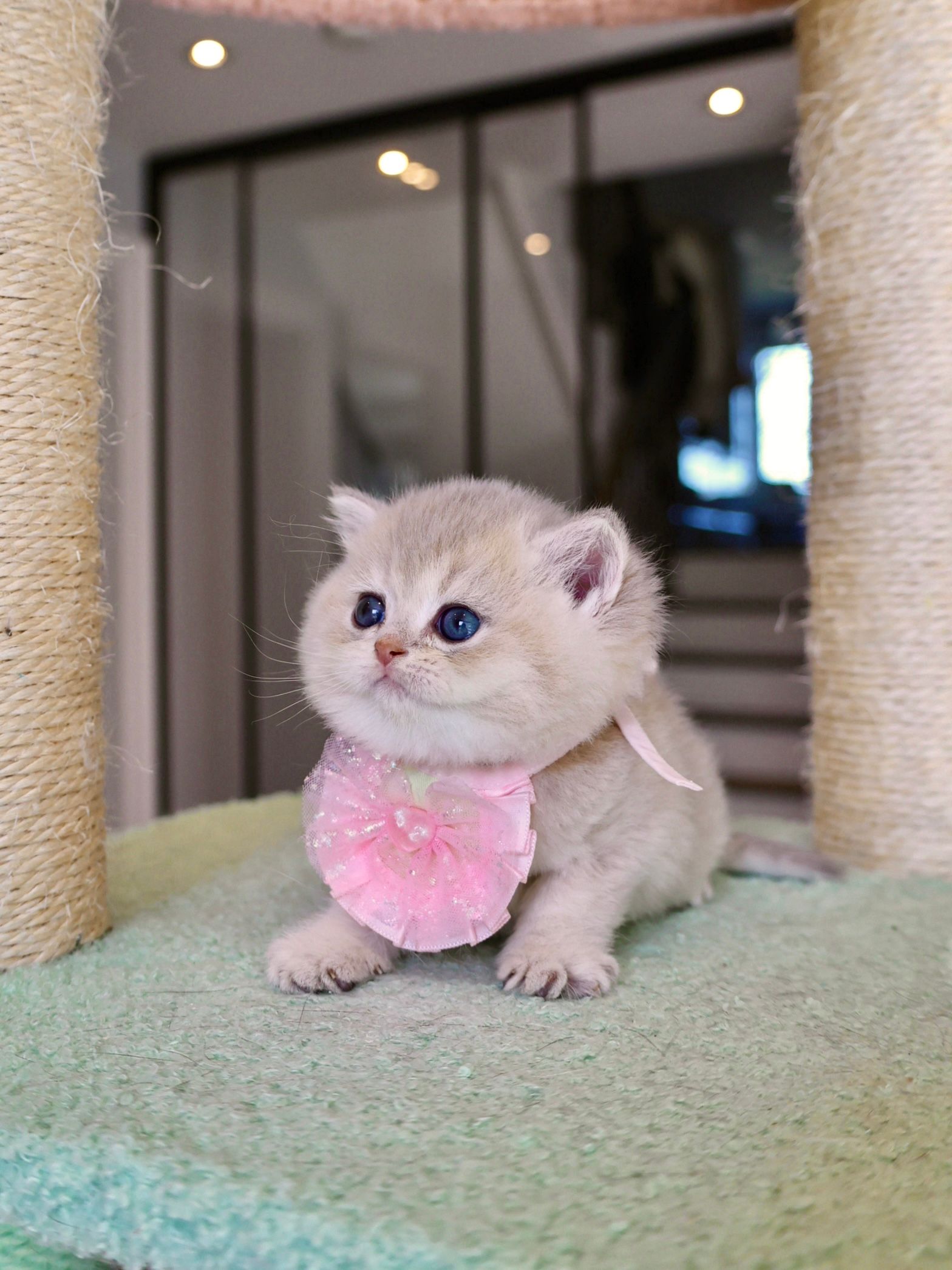
A reputable British Shorthair cat breeder in Canada should be able to provide this information before you place a deposit.
How to Verify a Cattery When You Cannot Walk Through the Door
Many established catteries, ours included, do not run in-person viewings. Biosecurity is one reason. Kittens with developing immune systems can be exposed to germs through the footwear, clothing, and hands of visitors who may have recently been around other cats.
You can still ask questions and see the cats remotely. A live video call can allow you to see the parent cats and the space where the kittens are raised. Ask for a live call rather than a pre-recorded clip, and ask to see the room during the same call.
Regular photo and video updates between reservation and pickup are the second signal. A cattery that sends them unprompted is comfortable being watched.
Questions Worth Asking on a Video Call
Ask how many litters the cattery produces a year, how old kittens are before they leave, what they are fed, and how a health problem in the first fortnight is handled. Then ask for two recent references and call them.
Read the Contract Before the Deposit
A written contract is an important part of the process. Read it before making any payment and make sure you understand what it covers. Review the health guarantee and how long it runs, including whether genetic conditions are covered for life or for a fixed period. Find out what happens if a serious health problem appears during the first few days at home and what proof is required. Also, make sure you understand which part of the deposit is refundable and when.
Neutering and spaying also deserve a careful read. Some catteries include the procedure in a paid package before rehoming, while others allow buyers to arrange it with their own veterinarian after rehoming. In either case, the contract should clearly explain the available option, any associated deposit, and the conditions for a refund. Both are legitimate. What matters is that the contract states which one applies to your kitten. The Canadian Veterinary Medical Association sets out the responsibilities of ownership, a reminder that this is a fifteen-year commitment rather than a transaction.
Warning Signs That Should End the Conversation
Some warning signs are worth taking seriously. Be cautious if a seller cannot name a registering association, does not provide a written contract, asks for payment in full before you have chosen a kitten, or requests payment by wire transfer or gift card.
Volume is the other. A cattery producing several breeds at once, or advertising kittens available all year round, is not running a small selective programme. Neither is a seller priced far below everyone else without a solid explanation.
Pressure is another warning sign. Good litters can be reserved quickly, but a buyer should have time to review the information and make an informed decision.
What a Careful Choice Buys You
These steps take some time, but they can help you make a more informed choice. You can confirm that the parents have been screened, the paperwork matches the kitten, and the cattery has clear policies for after the reservation. Those details can tell you more than photographs alone.
CatKing Cattery is a TICA, CFA, and WCF-registered British Shorthair and British Longhair cattery, operating as a legally registered corporation in Ontario with parent cats screened for PKD, PRA-PD, and ALPS. Every kitten leaves with a lifetime genetic disease warranty, four core vaccines, three veterinary examinations, and lifetime consulting, which is more than most kitten breeders in Toronto are willing to put in writing.
Browse our available British Shorthair kittens and see how each one is documented before you commit to anything. Contact us for more information.
2026-08-31