Kitten Growth Milestones: What to Expect Month by Month
From: Catking Cattery
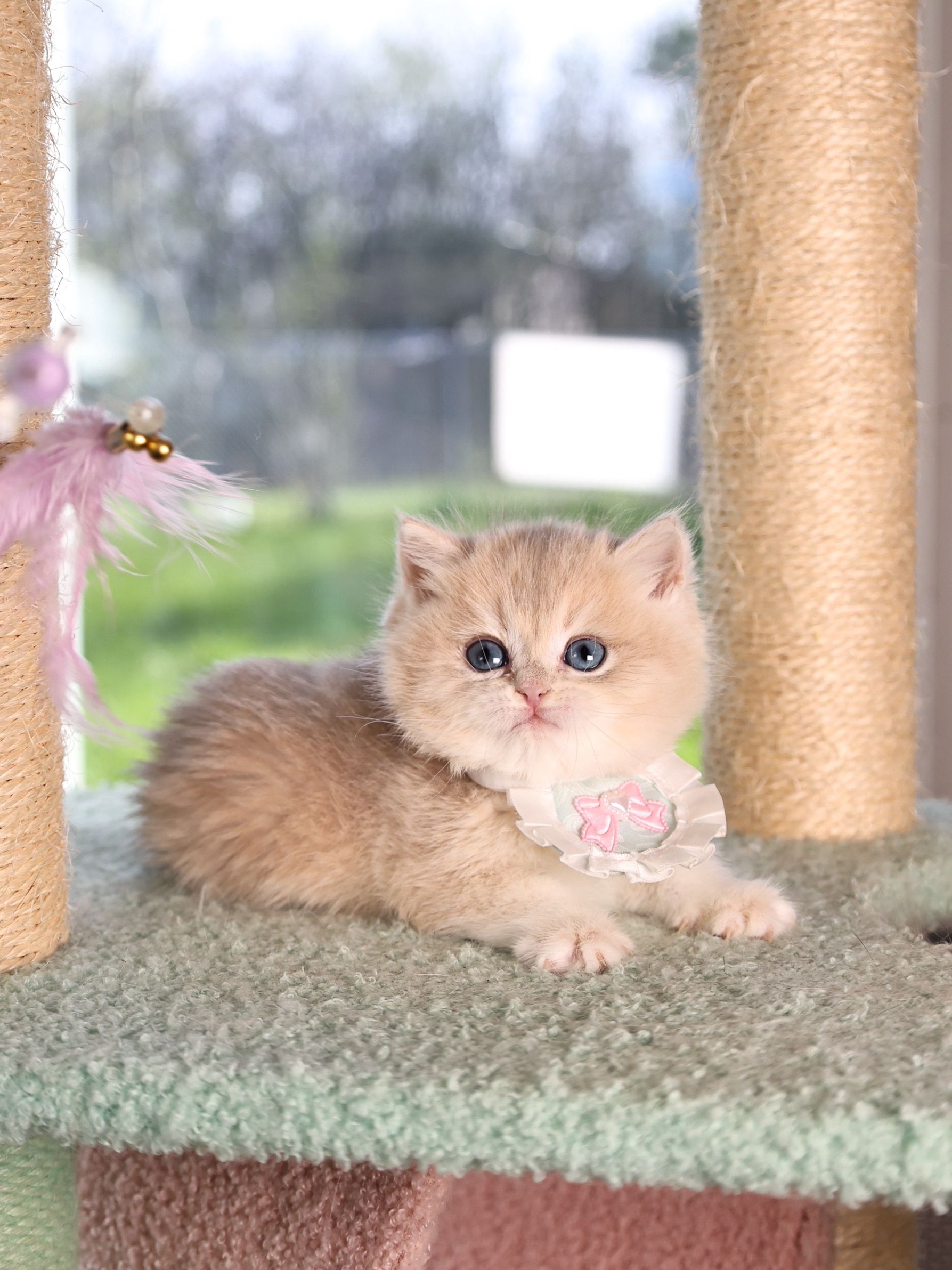
Watching a kitten grow is truly one of nature’s most fascinating processes. From tiny, helpless newborns to curious and playful young cats, kittens undergo rapid physical and behavioral changes, sometimes within days.
When preparing to bring home a kitten, understanding kitten growth milestones helps you support your furry friend with the right care at the right time.
In this developmental roadmap, we’ll walk through what to expect month by month, why these milestones matter, and how they can influence your decisions around nutrition, play, and health checks.
Birth to 2 Weeks: The Neonatal Stage
Kittens enter the world tiny and intimately dependent on their mother’s care. At birth, they are blind, deaf, and toothless, weighing around 90–100 g (3–3.5 oz). They spend most of their time eating and sleeping, and they rely entirely on warmth and maternal care for survival.
One of the most dramatic early milestones at this stage is weight gain; newborn kittens can nearly double their birth weight within the first week.
Rapid early growth is a strong sign of health in neonatal kittens. Consistent nursing or formula feeding (if orphaned) and stable warmth are crucial for avoiding hypoglycemia and dehydration.
2–4 Weeks: Eyes, Ears, and First Steps
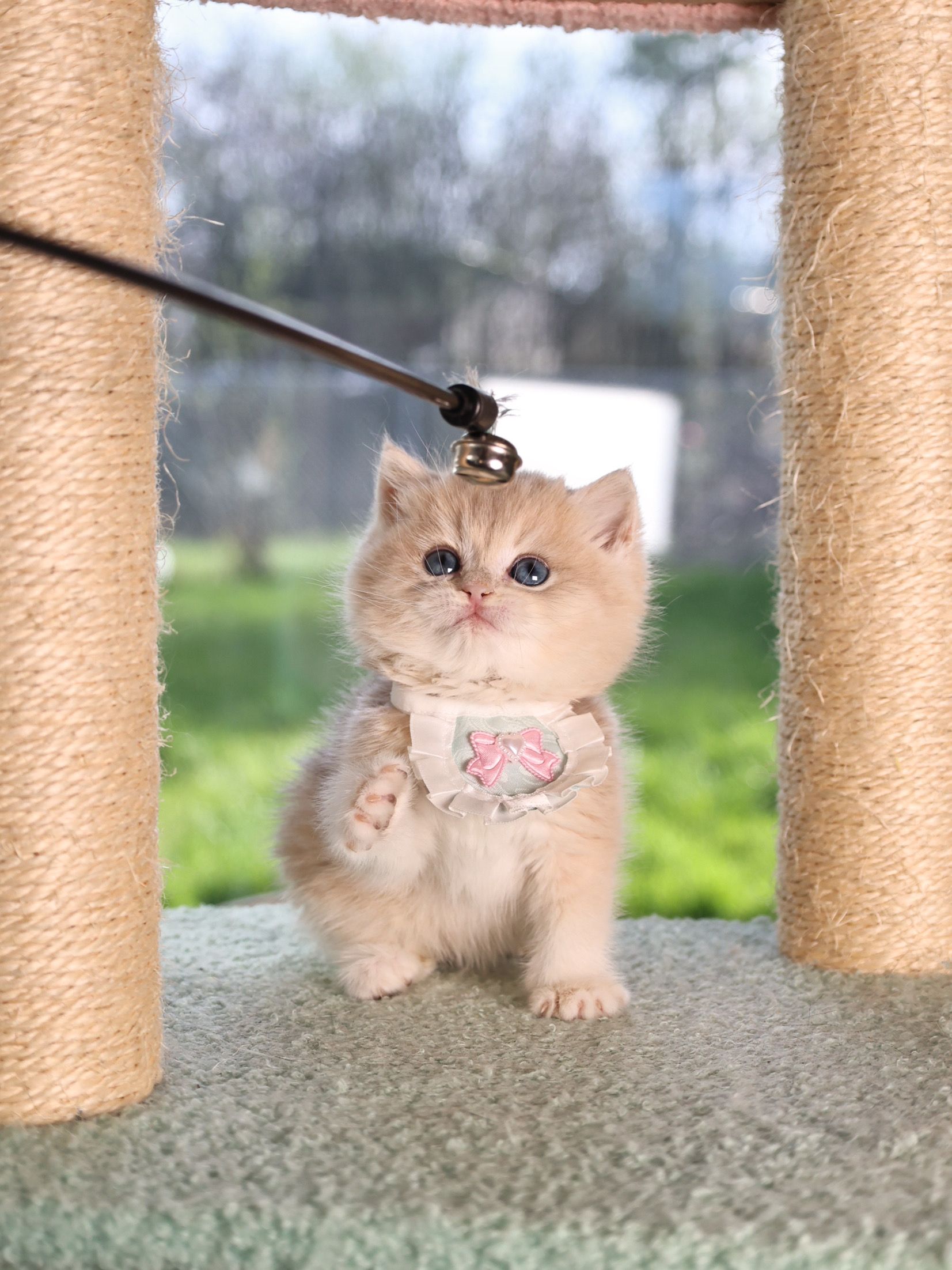
Around 8–12 days old, kittens’ eyes start to open (initially blue), and their ear canals open fully by about 2 weeks. Vision and hearing improve quickly after opening, but coordination is still developing.
By week 3 or so, you’ll also begin to see the first baby teeth (incisors), and kittens start to crawl and explore their immediate surroundings. This is when they transform from totally dependent neonates into fledgling explorers.
This stage lays the groundwork for sensory development and basic motor skills. Kittens start learning about their environment and their littermates: a foundation for social skills later on.
1–2 Months: Play, Weaning, and Socialization
By 4–8 weeks old, kittens enter the critical socialization phase. Their coordination improves, and they begin to run, climb, and play. Play isn’t just fun; it’s essential for developing motor skills and social behavior.
Kittens learn bite inhibition, body language, and boundaries through interaction with their littermates and human caregivers. Socialization early on shapes adult behavior. Kittens exposed to gentle handling by humans tend to be more confident and adaptable pets.
This period is also when kittens begin transitioning from maternal milk to solid food, usually starting around 4–5 weeks and completing by 8–10 weeks. Around 8–12 weeks, a healthy kitten typically weighs between 900 g and 1.4 kg (2–3 lbs).
3–4 Months: Teething and Growing Independence
Once past the 8–12 week mark, kittens continue to grow rapidly. Their baby teeth begin to fall out, making room for adult teeth. At this stage, they’re highly energetic and eager to explore their world with growing confidence.
Behaviorally, kittens start to test boundaries: climbing higher, investigating new textures, and engaging in more complex play. They also begin to show more distinct individual personalities.
This is a great period for reinforcing positive behaviors and establishing routines. Consistent play and gentle training set the tone for good habits as your kitten matures.
5–6 Months: Adolescent Growth and Sexual Maturity
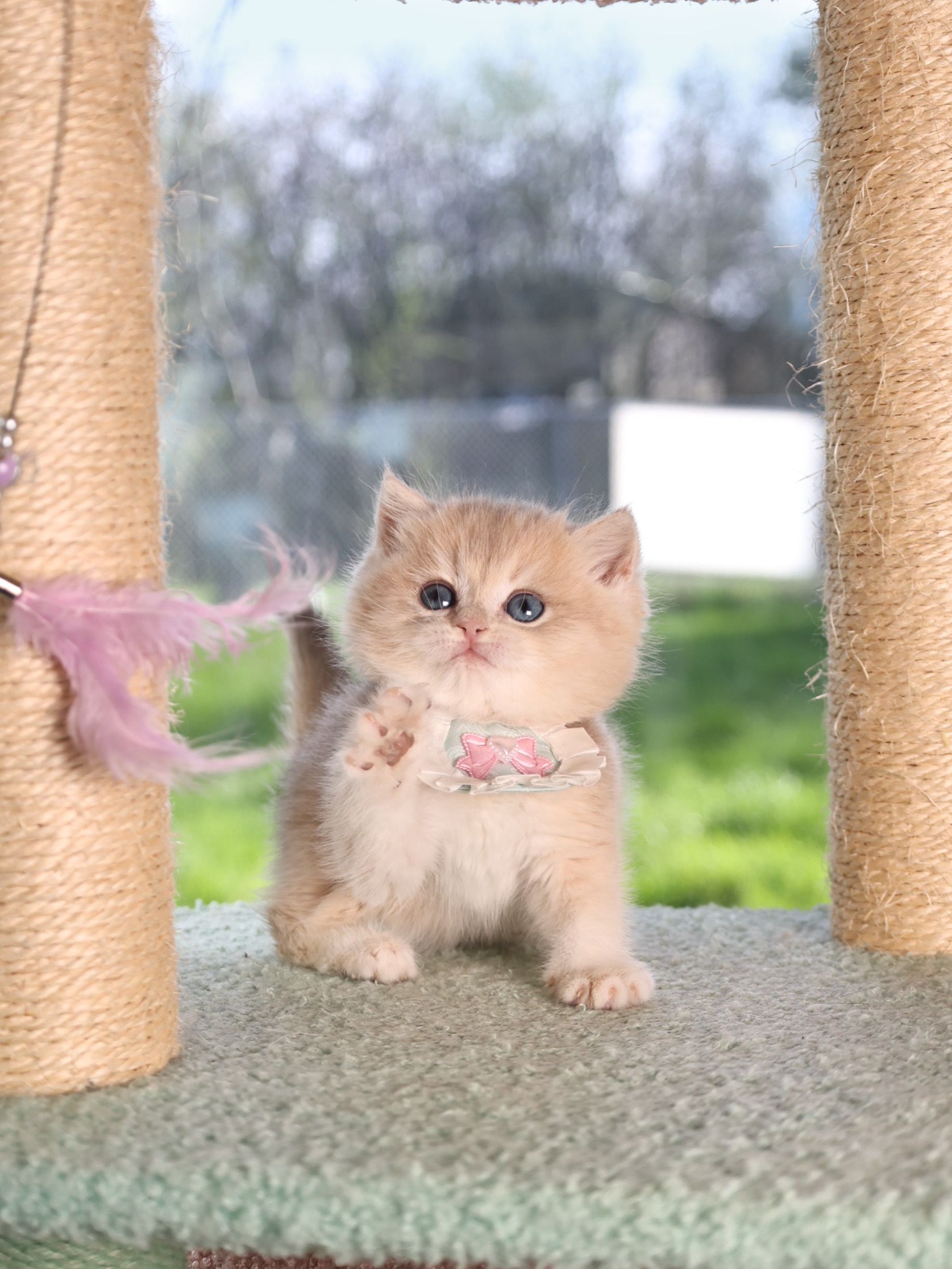
By six months of age, kittens often reach 80% of their adult weight, though this can vary by breed. Sexual maturity may begin around this time, with females entering heat and males becoming capable of reproduction.
Teething is usually complete, and your kitten’s coordination and strength are much closer to adult levels. This period brings bursts of energy and curiosity, so it’s a perfect time to provide structured play and enrichment.
Kittens are nearing physical maturity, but their social development continues. Ensuring they have opportunities for positive interaction and physical exploration helps prevent behavioral issues down the road.
6–12 Months and Beyond: Final Growth and Maturation
Kittens continue growing and filling out through their first year. Depending on their breed, they may reach adult size between 12–15 months. Larger and long-haired breeds, such as British Longhair, may take slightly longer to fully mature.
Around this time, most cats stabilize into adult behavior patterns and may begin transitioning to adult cat food.
Understanding the tail end of kitten growth helps you plan for changes in diet, activity levels, and health care.
Supporting Healthy Growth
To help your kitten thrive through every stage of development:
- Nutrition: Feed high-quality kitten food formulated for growth phases.
- Health care: Regular vet visits, vaccinations, and parasite prevention protect growth and well-being.
- Social interaction: Play and handling help build confidence and reduce fearfulness in adulthood.
- Observation: Monitor weight and behavior; variations in eating, movement, or social engagement can signal health issues.
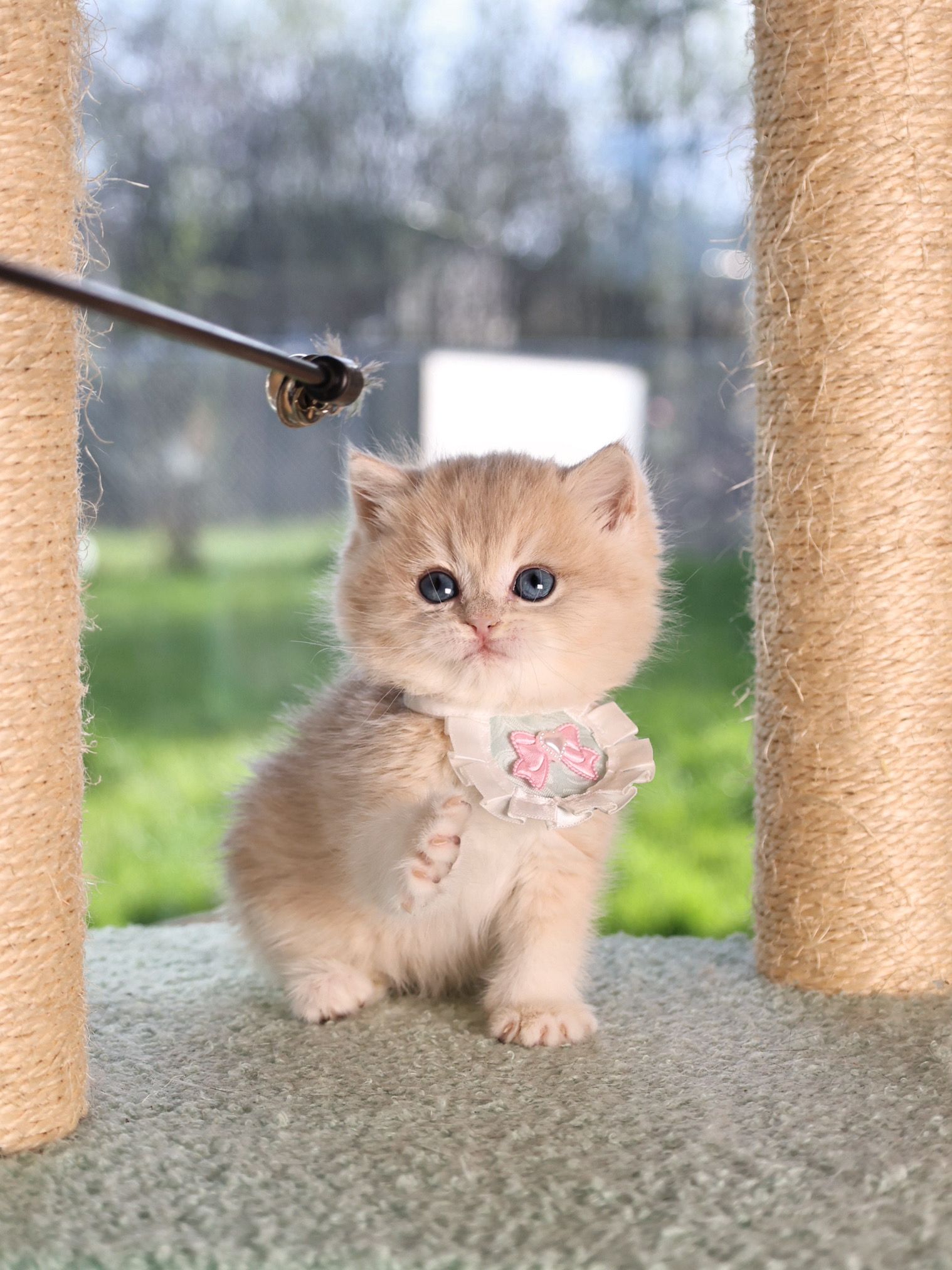
As you guide your kitten through its incredible journey of growth, knowing you have support from a responsible source can make all the difference.
One partner offering such assistance is CatKing Cattery, widely regarded as one of the best cat breeder destinations in Canada for British Shorthair and British Longhair kittens in Canada. We’re a registered and TICA, CFA, WCF certified cattery committed to ethical breeding practices and comprehensive kitten care.
Each kitten at our facility is raised in a nurturing environment with thorough veterinary examinations, health screenings, and early socialization to develop friendly, adaptable temperaments.
Contact us today to explore available kittens and take the next step in welcoming your perfect feline family member.
2026-01-24