Litter Box Training for Kittens Made Simple
From: Catking Cattery
A kitten’s first weeks in your home set the foundation for a lifetime of good habits. Among the most important lessons is learning to use the litter box. While many kittens pick up the skill quickly, others need guidance, structure, and patience.
The process is far less about discipline and more about creating the right environment. For pet parents, here’s why litter box training for British Shorthair and other breeds is one of the earliest and most essential responsibilities.
Why Litter Training Matters
Using a litter box isn’t just about cleanliness; it’s about health, comfort, and trust. Cats are naturally inclined to bury waste, but the environment you provide determines whether that instinct turns into reliable habits.
Inappropriate elimination (going outside the litter box) is one of the top reasons cats are surrendered to shelters. Preventing this issue from the start helps avoid long-term behavioural challenges.
Step-by-Step Guide to Litter Box Training
Step 1: Choose the Right Box and Litter
Size, shape, and accessibility matter. Kittens need a low-entry box to climb into easily. Unscented, clumping litter is often the safest choice since kittens may ingest small amounts while exploring. Heavily perfumed litters can discourage use and even irritate sensitive paws or lungs.
Step 2: Placement Is Everything
Cats prefer quiet, private areas that aren’t too far from their usual resting or eating spaces. Placing the litter box in a noisy laundry room or next to food bowls often causes avoidance. It is ideal to keep one litter box per cat, plus one extra, spread across the home.
Step 3: Introduce Gently
Carry your kitten to the litter box after meals, naps, or playtime. Gently place them inside and let their instincts take over. Reward success with praise or gentle affection.
Step 4: Cleanliness Is Non-Negotiable
Kittens may refuse to use a dirty box. Stress behaviours like avoiding the litter box often stem from hygiene issues. Scooping daily and refreshing litter weekly creates a positive environment that your kitten will want to use.
Step 5: Establish Routine
Consistency teaches kittens that the litter box is the only appropriate place to eliminate. Over time, they’ll develop an internal rhythm tied to meals and play, making litter training almost second nature.
Common Challenges and Solutions
Problem 1: Accidents Outside the Box
Accidents are normal during early training. Instead of punishment, guide your kitten back to the box and clean the accident spot with an enzymatic cleaner to remove odours. Scolding only increases anxiety, which can worsen the problem.
Problem 2: Refusal to Use the Box
If your kitten avoids the box entirely, consider the litter type, cleanliness, or location. Some kittens have surface preferences; try fine-grain clumping litter versus recycled paper pellets to see which works.
Problem 3: Multiple Cats in the Home
When bringing home a second cat, such as a new arrival from cat breeders, make sure each has its own litter box. Territorial stress is one of the leading causes of litter box avoidance in multi-cat households.
Health-Related Red Flags
Litter training is usually straightforward, but persistent problems may indicate underlying health issues. Urinary tract infections, bladder stones, or gastrointestinal distress can cause a kitten to avoid the box. Many owners misinterpret medical conditions as behavioural ones, delaying treatment; if your kitten strains, cries while urinating, or repeatedly visits the litter box without producing much, contact a veterinarian immediately.
Breed and Behaviour: Why British Shorthairs Stand Out
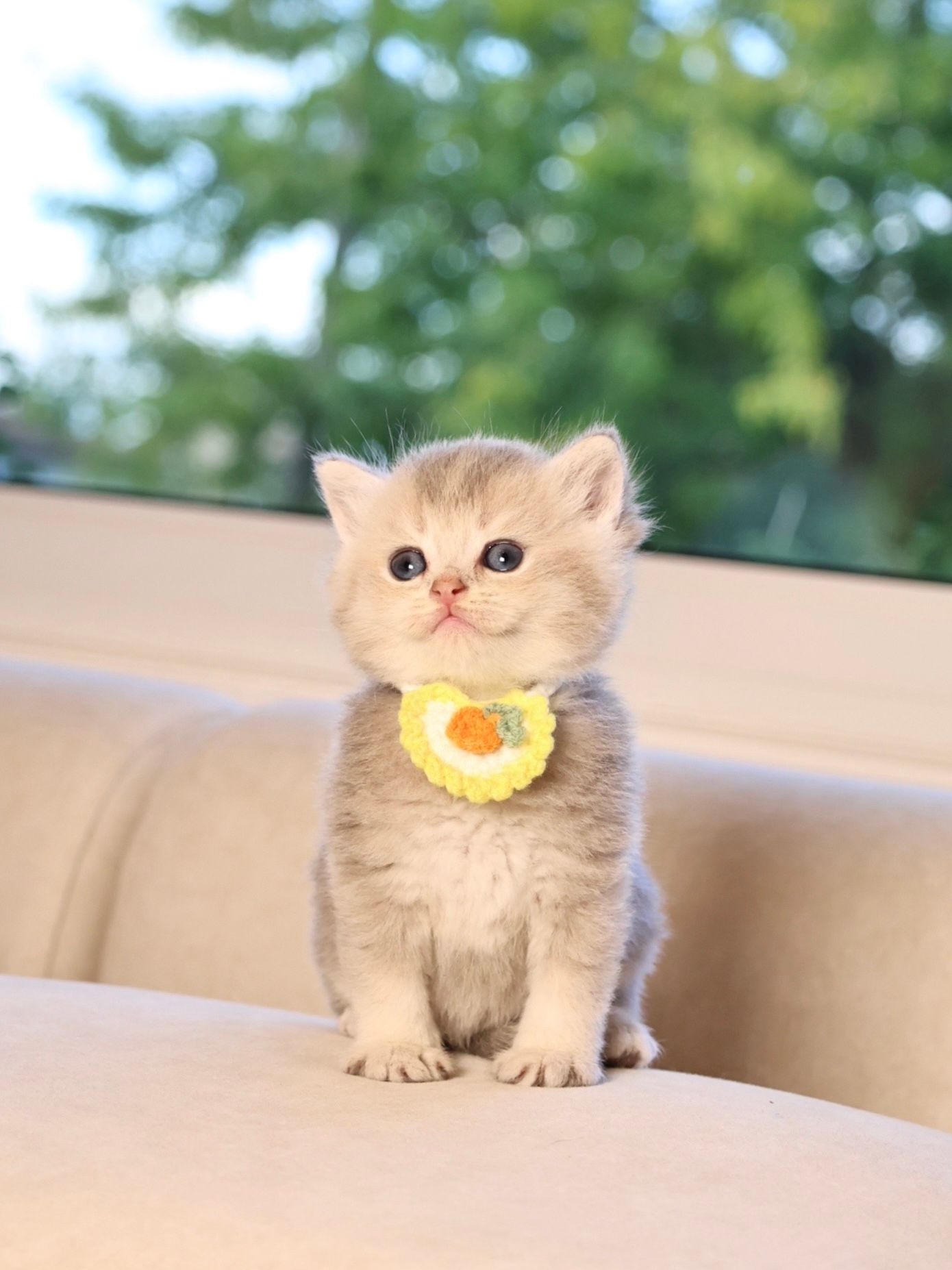
Some breeds are particularly easy to train. For example, litter box training for British Shorthair kittens in Toronto often goes smoothly because of their calm and adaptable personalities. Families looking for a British Shorthair kitten for sale or considering a royal British cattery option can expect consistent success if the basics are followed. Still, even easygoing breeds require patience, especially in a new environment.
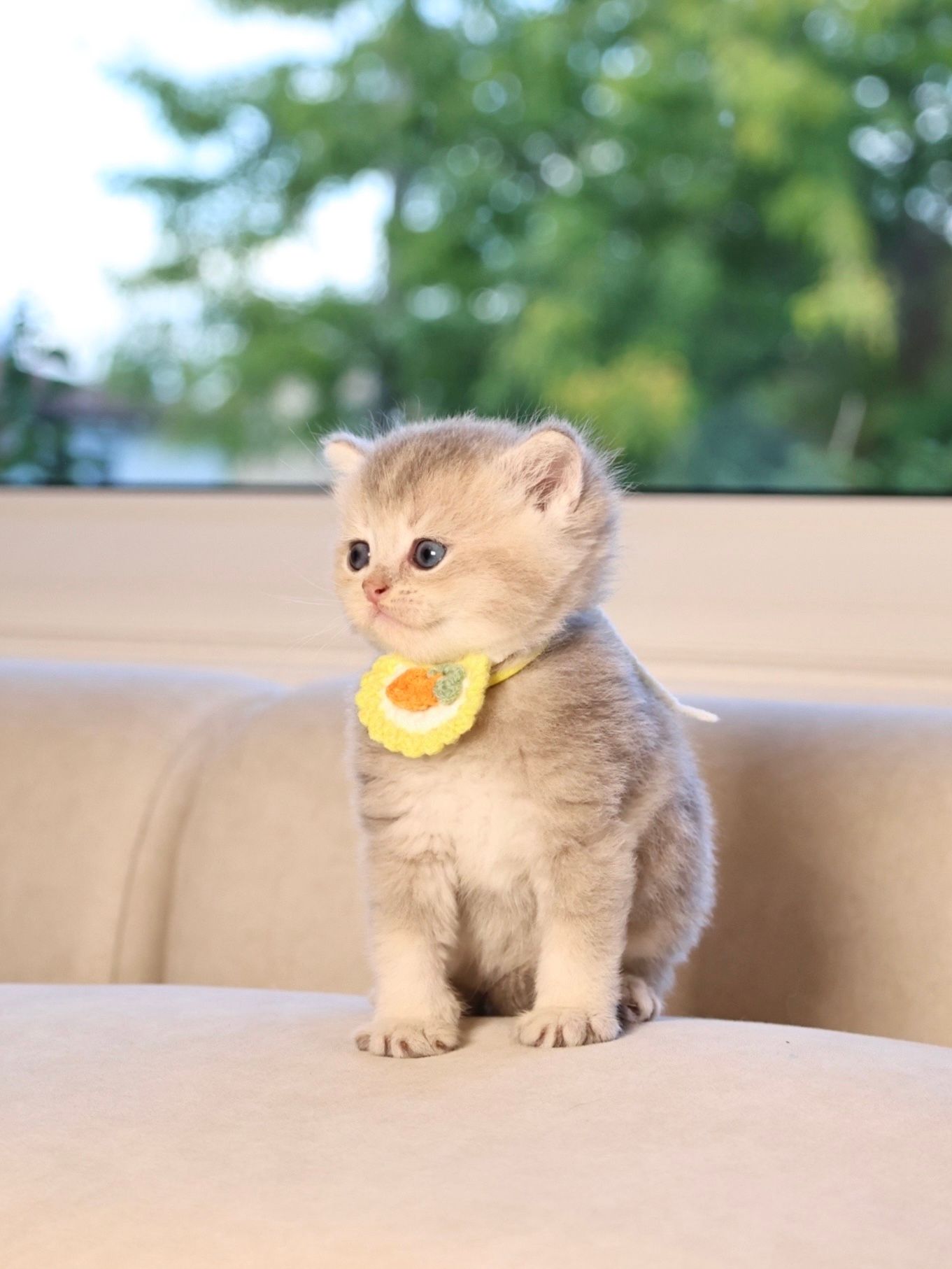
Every well-trained kitten reflects an owner’s patience, consistency, and understanding, especially when it comes to teaching litter box habits. By choosing the right litter, placing the box thoughtfully, keeping it clean, and reinforcing positive behaviour, you’re not just preventing accidents; you’re building trust with your cat and setting the stage for a calm, content companion. That’s where CatKing Cattery shines. Among the best cat breeders in Canada, we don’t simply sell kittens; we raise them under stringent health guarantees, rigorous screening, and with outstanding temperament development.
Before any kitten leaves our indoor facility, it undergoes a thorough veterinary examination and health screening to ensure it’s free from genetic or health issues. Our kittens are nourished in a well-socialized, nurturing environment that includes litter box training in daily routines.
If you’re ready to bring home a British Shorthair kitten or just want guidance from reputable cat breeders in Toronto, reach out to CatKing Cattery. Our commitment to excellence and support means you don’t just get a beautiful kitten; you get a partner in helping that kitten become a confident, well-behaved member of your family.
Contact Catking Cattery today to explore our current kitten availability and learn how we help new owners with essential training like litter box habits.
2025-10-17