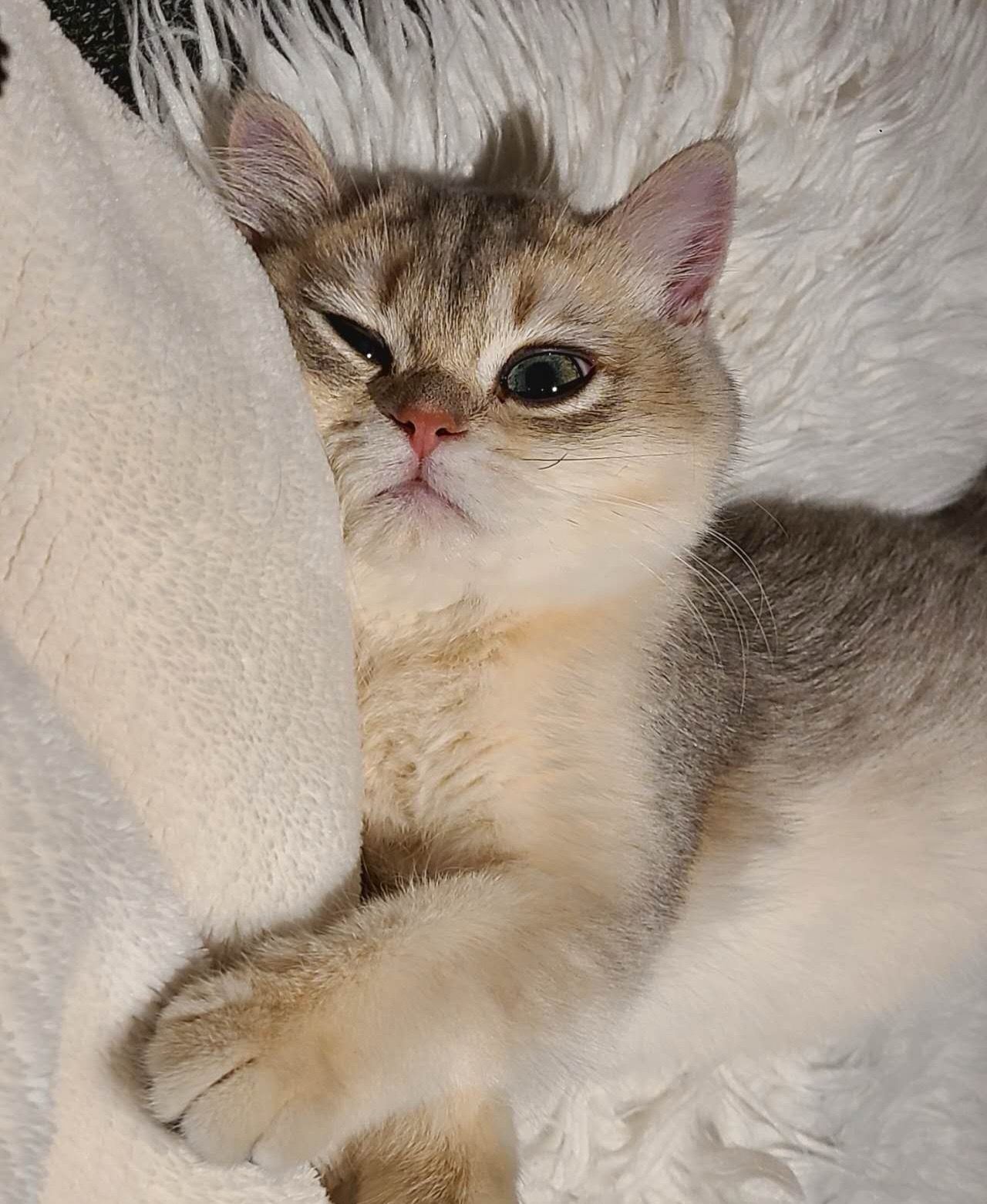
Owning a Kitten for the First Time? Here’s Everything You Need to Know
From: Catking Cattery
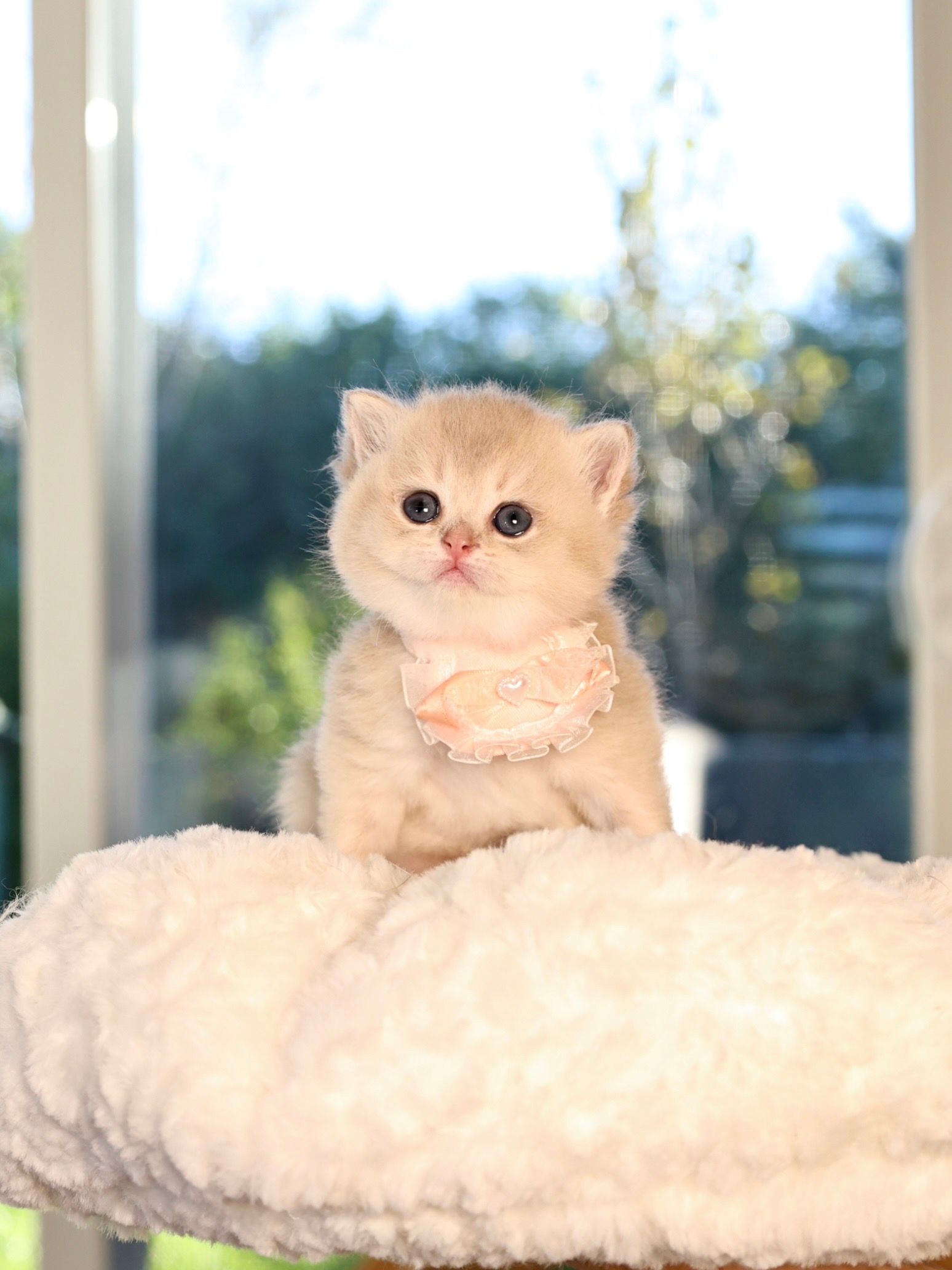
Bringing a tiny, purring ball of fluff into your home is an incredibly exciting experience. Kittens bring boundless joy, endless entertainment, and a unique form of companionship. However, if you're a first-time kitten owner, the prospect can also feel a little daunting. Where do you even begin? From preparing your home to understanding their quirky habits and ensuring their well-being, there's a lot to learn. This comprehensive guide is designed to equip you with the knowledge and confidence to embark on this wonderful journey, setting you and your new furry friend up for a lifetime of happiness.
Choosing the Right Companion: Breed and Temperament
Before you even bring a kitten home, consider what kind of feline companion best suits your lifestyle. While every cat has its unique personality, certain breeds have predictable temperaments that can be particularly appealing for a first-time kitten owner.
For instance, breeds like the British Shorthair and British Longhair are often recommended for new pet parents. They are renowned for their calm, adaptable, and affectionate nature. British Shorthairs are typically independent and laid-back, content to observe and offer quiet companionship, making them ideal for busy individuals or quieter households.
If you choose to buy British Shorthair kittens in Harrisburg, you'll find them generally less demanding of constant attention. British Longhairs, while sharing the gentle disposition, might be slightly more playful and enjoy interactive moments, often retaining their kitten-like curiosity into adulthood.
Both breeds are known for being excellent with children and other pets when properly socialized, making them fantastic family additions. Considering buying British Longhair kittens online in Harrisburg could be a great option for a harmonious household.
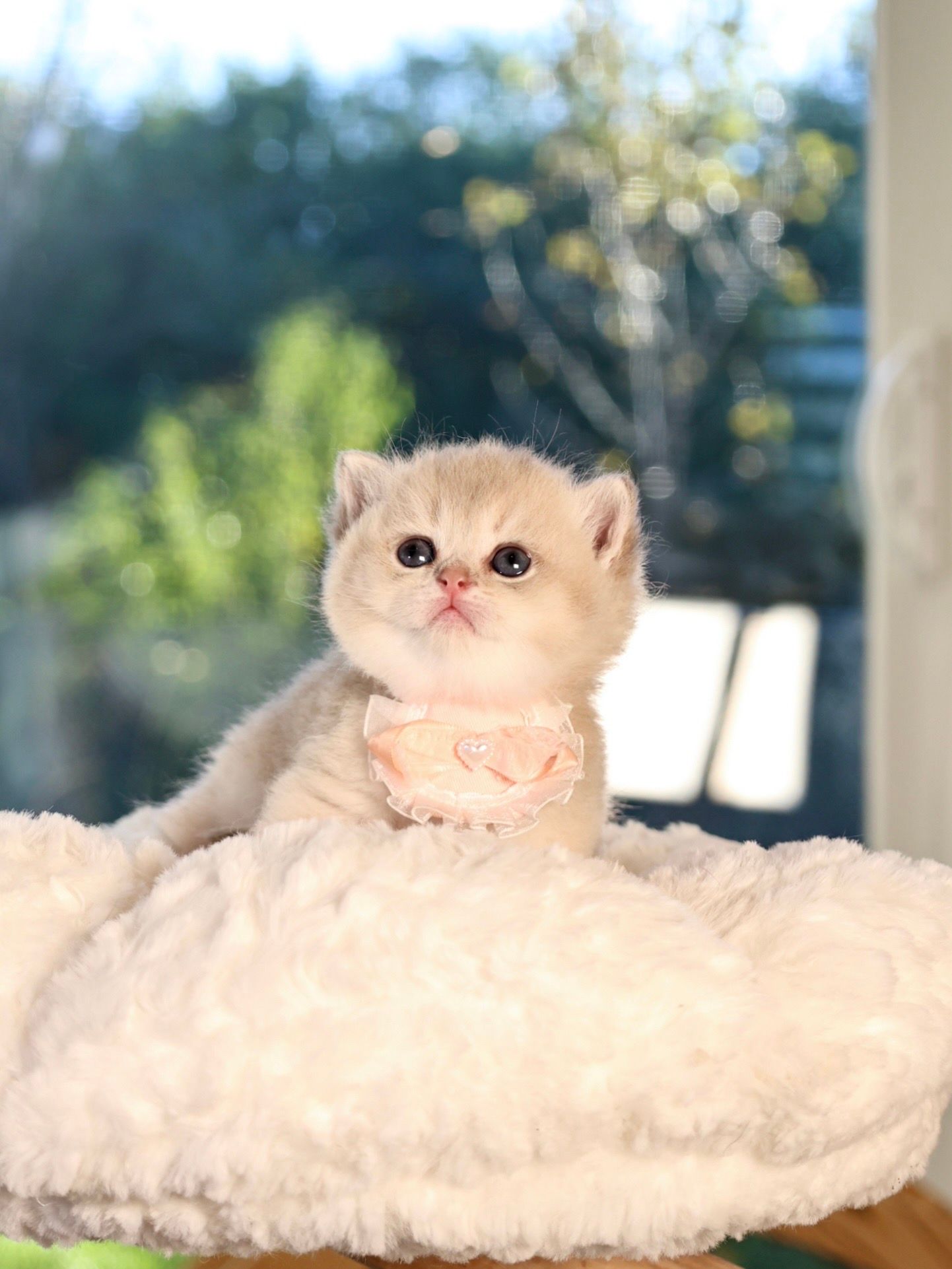
Preparing Your Home: The Kitten-Proofing Checklist
Once you've chosen your kitten, it's time to make your home a safe and welcoming haven. Think like a curious, tiny explorer!
Hazard Removal: Secure loose wires, put away small objects that could be swallowed (rubber bands, hair ties, string), and store all medications, cleaning supplies, and toxic plants out of reach. Lilies, for example, are highly toxic to cats.
Safe Space: Set up a dedicated "kitten zone" – a quiet room or a large playpen with their bed, litter box, food, water, and toys. This gives them a secure base to acclimate before exploring the entire house.
Essential Supplies:
Food and Water Bowls: Stainless steel or ceramic are best for hygiene.
Litter Box and Litter: Opt for an unscented, clumping litter. Provide at least one litter box per cat, plus one extra.
Food: Choose high-quality kitten-specific food (wet or dry, or a combination) appropriate for their age. Consult your vet for recommendations.
Scratching Posts/Pads: Provide various types (vertical, horizontal, cardboard, sisal) to encourage appropriate scratching behavior and protect your furniture.
Toys: A variety of toys, including interactive wand toys, crinkle balls, and puzzle feeders, will keep them entertained and mentally stimulated.
Carrier: Essential for vet visits and safe transport.
Grooming Tools: A soft brush and nail clippers.
Feeding and Litter Box Habits: Establishing Routine
Establishing a consistent routine is key to your experience as a first-time kitten owner.
- Feeding: Kittens need frequent, small meals due to their rapid growth. Follow the feeding guidelines on your chosen kitten food, adjusting as they grow. Always have fresh water available. Avoid feeding them human food, especially dairy, chocolate, and onions, which can be harmful.
- Litter Training: Most kittens instinctively use a litter box. Place your kitten in the litter box after they wake up, after meals, and before bed. If they have an accident outside the box, clean it thoroughly with an enzymatic cleaner to eliminate odors that might attract them back to the same spot. Never punish a kitten for an accident; this can lead to fear and further issues.
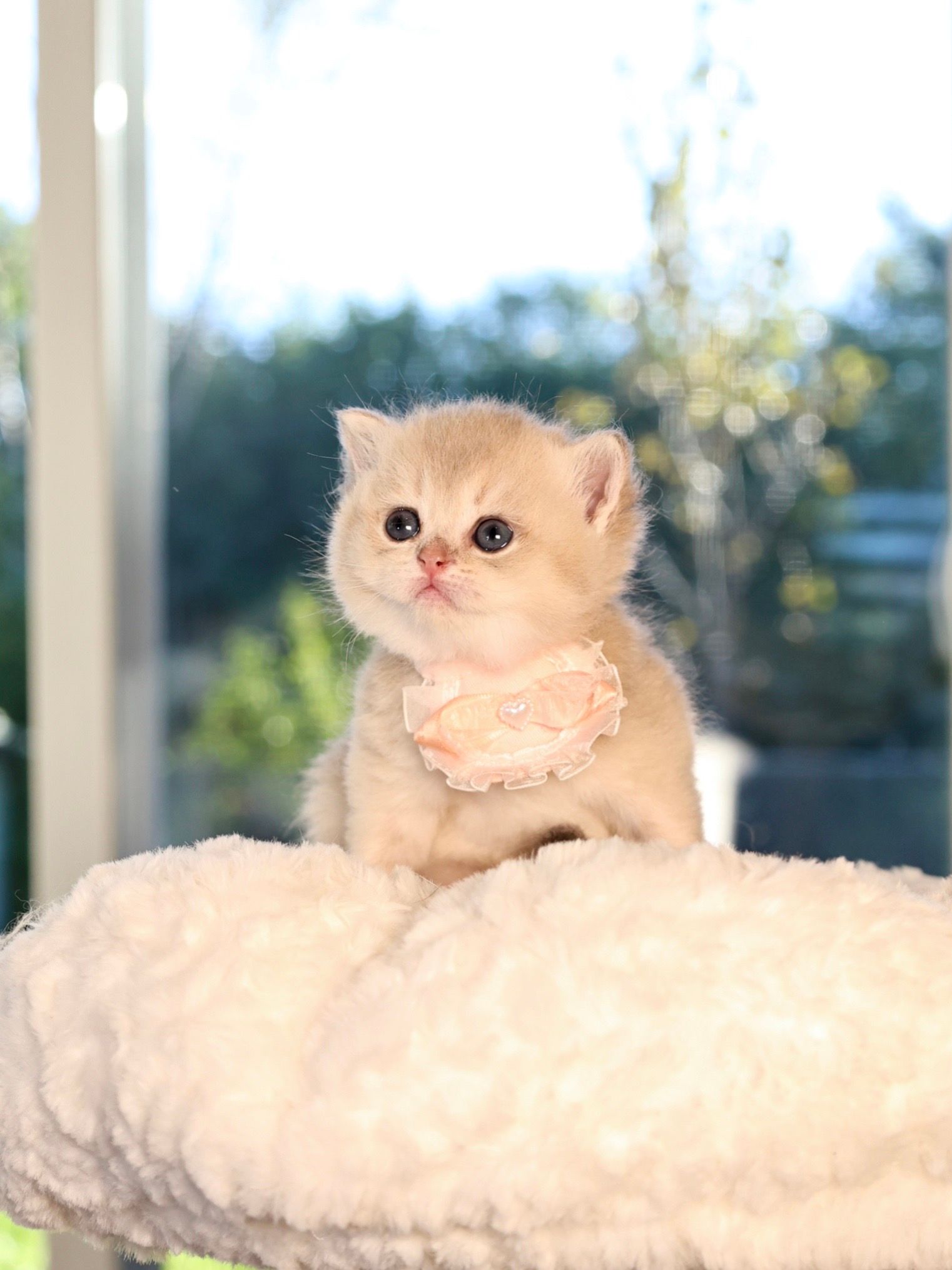
Early Socialization and Play: Building Confidence and Bonds
Early socialization is crucial for developing a well-adjusted cat. Expose your kitten to various sights, sounds, people, and gentle handling from a young age.
- Gentle Handling: Handle your kitten frequently and gently, touching their paws, ears, and tail. This makes future grooming and vet visits less stressful.
- Playtime: Engage in interactive play daily. Wand toys are excellent for mimicking prey and building their confidence. Play helps burn off excess energy and strengthens your bond. Avoid using your hands as toys, as this teaches them that biting and scratching humans is acceptable.
- Introducing Others: Gradually introduce your kitten to new people and friendly, vaccinated pets in a controlled and positive manner.
The Basics of Veterinary Care: A Healthy Start
Your kitten's first vet visit is one of the most important steps for a first-time kitten owner.
- Initial Check-up: Schedule a vet visit within a few days of bringing your kitten home. The vet will perform a full examination, check for parasites, and discuss vaccination schedules, deworming, and flea prevention.
- Vaccinations: Kittens require a series of vaccinations to protect against common feline diseases like FVRCP (Feline Viral Rhinotracheitis, Calicivirus, Panleukopenia) and Rabies.
- Spaying/Neutering: Discuss spaying or neutering with your vet. This routine procedure prevents unwanted litters, reduces the risk of certain health problems, and often mitigates behavioral issues like spraying or roaming.
- Microchipping: Consider microchipping your kitten. This small, permanent identifier dramatically increases the chances of being reunited if your cat ever gets lost.
The Emotional Rollercoaster: Bonding and Adjusting
Owning a kitten is an emotional journey, and it’s important to understand what to expect.
- Bonding: The bond you form with your kitten will be incredibly rewarding. It develops through consistent positive interactions, gentle handling, feeding, and play. Some kittens are naturally more affectionate, while others may take time to warm up. Be patient and respectful of their boundaries.
- Clinginess or Aloofness: Kittens, much like humans, have varying personalities. Some may be incredibly clingy, seeking constant attention, while others might be more independent or aloof. Understand that both are normal and embrace your kitten's unique character.
- Adjusting Your Routine: A kitten will undoubtedly impact your daily routine. You'll need to dedicate time to feeding, playing, cleaning the litter box, and simply enjoying their presence. Be prepared for early morning wake-up calls, playful pounces, and endless purrs.
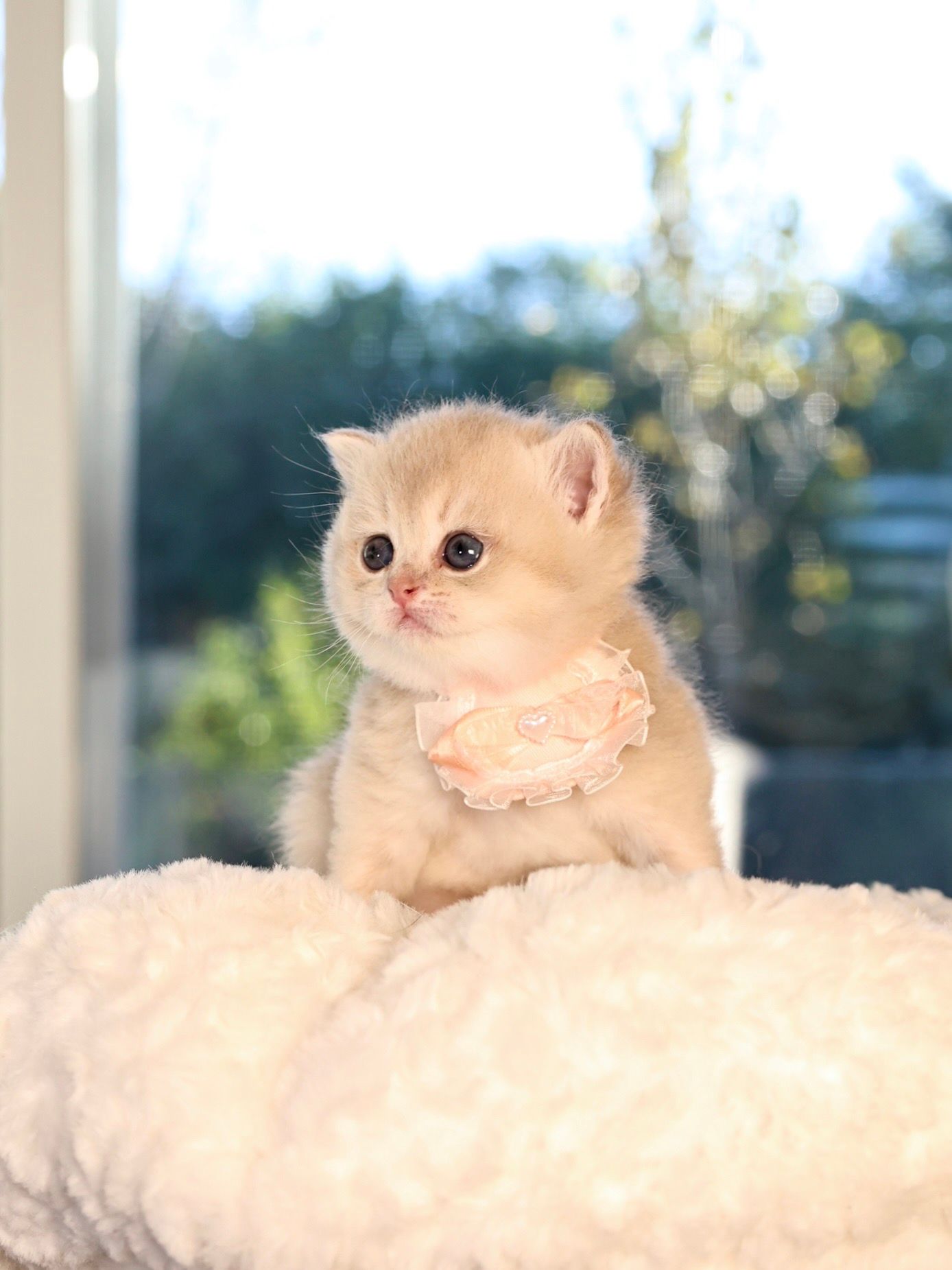
Ready to welcome a purebred kitten into your family? At CatKing Cattery, you can buy British Shorthair kittens or British Longhair kittens online in Harrisburg. As top cat breeders, we prioritize the health, temperament, and socialization of our cats, ensuring you bring home a well-adjusted and loving companion. Contact us today to find your purr-fect match!
2025-08-03