



Protecting Your British Longhair from Common Health Risks: A Care Guide
From: Catking Cattery
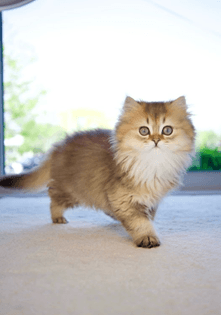
British Longhair cats are not only stunning but also have a distinct personality that can make them the perfect companion for many households. However, as with any breed, British Longhair cats are susceptible to specific health risks that can affect their well-being throughout their life. Being proactive about these potential health concerns can ensure your British Longhair lives a long, happy, and healthy life. In this care guide, we will cover some of the most common health risks and provide tips on how to protect your British Longhair from these issues.
Understanding Common Health Risks for British Longhair Cats
Like all purebred cats, British Longhair cats are prone to specific health risks due to genetic factors. These risks can vary in severity, but regular vet check-ups, a healthy diet, and proper care can go a long way in reducing the likelihood of these problems. Here are some of the most common health risks for British Longhair cats:
1. Obesity
Obesity is a growing concern for many cats, including the British Longhair breed. Due to their stocky build and laid-back temperament, British Longhairs can easily become overweight. Being overweight can lead to several health problems, including diabetes, heart disease, and joint problems.
How to Prevent Obesity:
- Proper Diet: Ensure you’re feeding your British Longhair a well-balanced, high-quality diet tailored to their age, weight, and health needs.
- Portion Control: Overfeeding is a common cause of obesity, so it's essential to measure your cat's food.
- Regular Exercise: While British Longhairs are known for their calm nature, they still enjoy playing and engaging in light exercise.
By maintaining a healthy weight, your British Longhair can avoid many of the health problems associated with obesity.
2. Dental Disease
Dental issues, such as periodontal disease, are another significant health risk for British Longhair cats. The breed is not necessarily more prone to dental disease than other cats, but it is important to monitor their oral health regularly. How to Prevent Dental Disease:
- Regular Brushing: Brush your British Longhair’s teeth regularly with cat-friendly toothpaste.
- Dental Treats and Toys: Provide dental chews and toys that help keep teeth clean and gums healthy.
- Routine Veterinary Check-ups: Schedule annual vet visits that include a dental check-up to ensure your cat’s teeth and gums remain in good condition.
Preventing dental issues is key to maintaining your British Longhair’s overall health and preventing other serious conditions, such as kidney disease, that can stem from untreated oral infections.
3. Hypertrophic Cardiomyopathy (HCM)
Hypertrophic cardiomyopathy (HCM) is a common heart condition in British Longhairs. HCM is a genetic disorder that causes the heart muscle to thicken, reducing its ability to pump blood effectively. It’s a leading cause of heart failure in cats. How to Prevent HCM:
- Genetic Screening: Before adopting a British Longhair, ensure the breeder performs genetic screenings to rule out any heart issues in the cat’s lineage.
- Monitor for Symptoms: Watch for signs of heart disease, such as lethargy, difficulty breathing, or loss of appetite. Early detection can help manage the condition before it worsens.
- Routine Vet Visits: Annual check-ups with your vet are critical for monitoring heart health. If HCM is detected early, your vet can implement a treatment plan to manage the condition.
While HCM can be a health risk, regular vet visits and genetic screening can help identify and manage the condition before it leads to more serious health concerns.
4. Kidney Disease
Chronic kidney disease (CKD) is a progressive condition that affects many older British Longhair cats. CKD can lead to kidney failure if left untreated, which is why early diagnosis and management are essential. How to Prevent Kidney Disease:
- Adequate Hydration: British Longhairs, like many cats, can be prone to dehydration. Ensure your cat always has access to fresh water, and consider feeding wet food to help with hydration.
- Regular Vet Check-ups: Regular urine tests and bloodwork can help detect kidney disease in its early stages before it progresses.
- Diet and Supplements: Special diets and supplements may help manage kidney disease. Consult with your vet to see if a kidney-friendly diet is necessary.
CKD is more common in older cats, but by ensuring your British Longhair stays hydrated and receives regular veterinary care, you can catch the disease early and help your cat live a longer, healthier life.
5. Allergies and Sensitivities
Some British Longhair cats may experience allergies, which can affect their skin or digestive system. Food allergies, environmental allergens (like pollen or dust mites), and flea allergies are common issues for cats in general. How to Prevent Allergies:
- Avoid Known Triggers: If you know your cat is allergic to specific foods or substances, eliminate those from their environment or diet.
- High-Quality Diet: Choose a high-quality, well-balanced diet to reduce the risk of food allergies.
- Regular Flea Control: Use flea prevention methods to avoid flea infestations, which can lead to allergic reactions.
While allergies may not always be preventable, keeping your British Longhair in an allergen-free environment can reduce their risk of developing allergic reactions.
Grooming Tips to Prevent Health Risks
One of the unique features of the British Longhair is its beautiful, thick coat. Regular grooming is essential to maintaining the health of their fur and skin, and it can also help reduce the risk of other health issues, such as hairballs and matting.
Grooming Essentials:
- Regular Brushing: British Longhairs require regular brushing (at least 2-3 times a week) to prevent their long hair from becoming matted.
- Bathing: Occasional baths can help keep your cat’s coat in top condition, but be sure to use cat-safe shampoos.
- Ear and Eye Care: Clean your cat's ears and eyes regularly to prevent infections. Longhair cats can be more prone to eye discharge and earwax buildup.
Proper grooming not only ensures your British Longhair looks their best, but it also keeps them comfortable and free from potential health risks associated with poor hygiene.
How CatKing Cattery Can Help
At CatKing Cattery, we are committed to providing the best care for our cats. As responsible British Longhair breeders in Canada, we ensure that all our kittens undergo health screenings and are raised in a safe, clean environment to give them the best start in life. If you're looking to purchase a British Longhair cat or have questions about health risks, we can help. Our experienced team is available to answer all your queries about British Longhair care, and we provide ongoing support to ensure you and your new cat enjoy a happy, healthy life together. Whether you're looking for a kitten for sale in Toronto or have questions about cat adoption in Canada, CatKing Cattery is here to help. Buy your British Longhair kitten today and give them the best chance at a healthy life.
2025-05-16