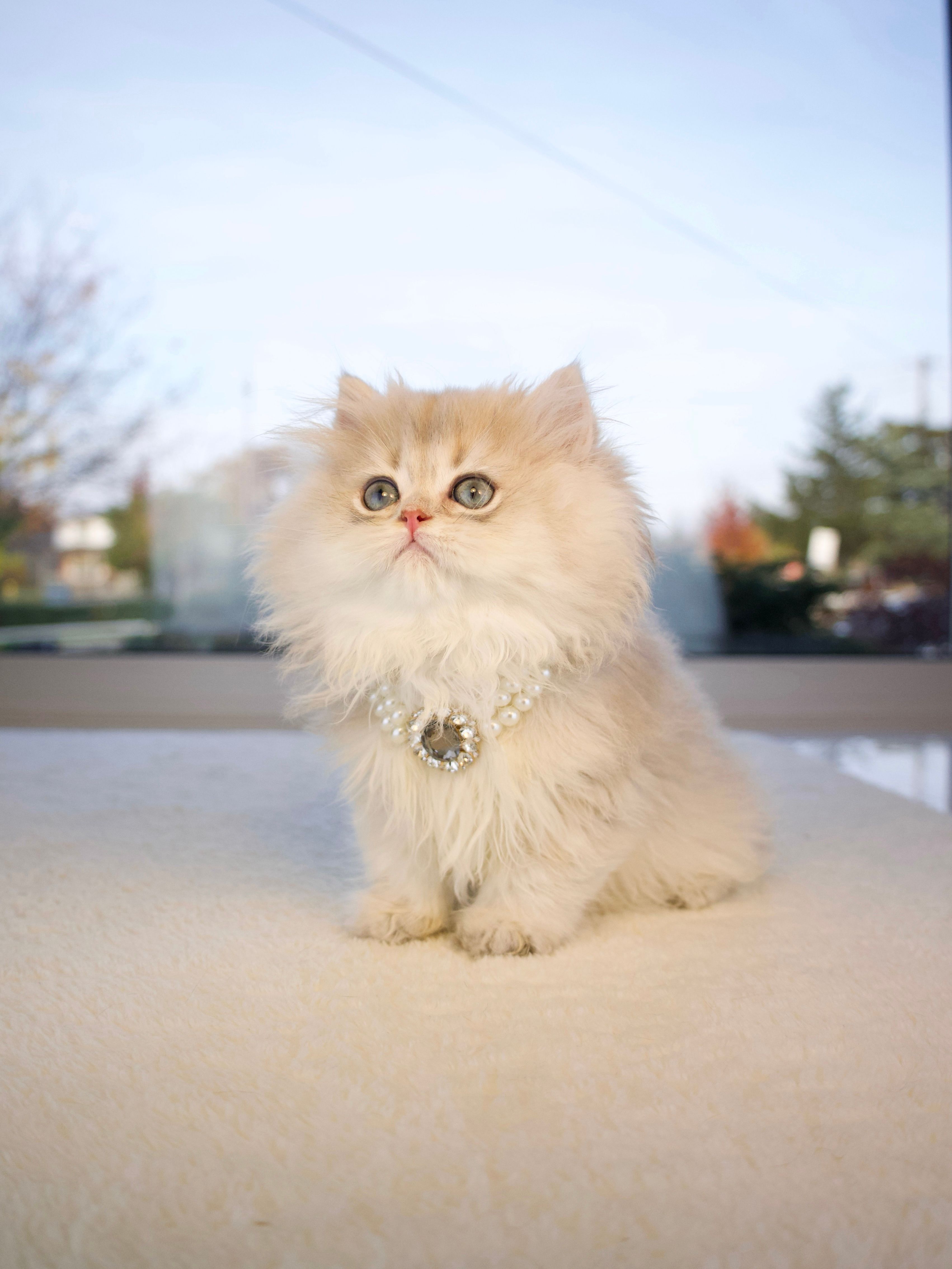
Signs Your Cat May Have Allergies
From:
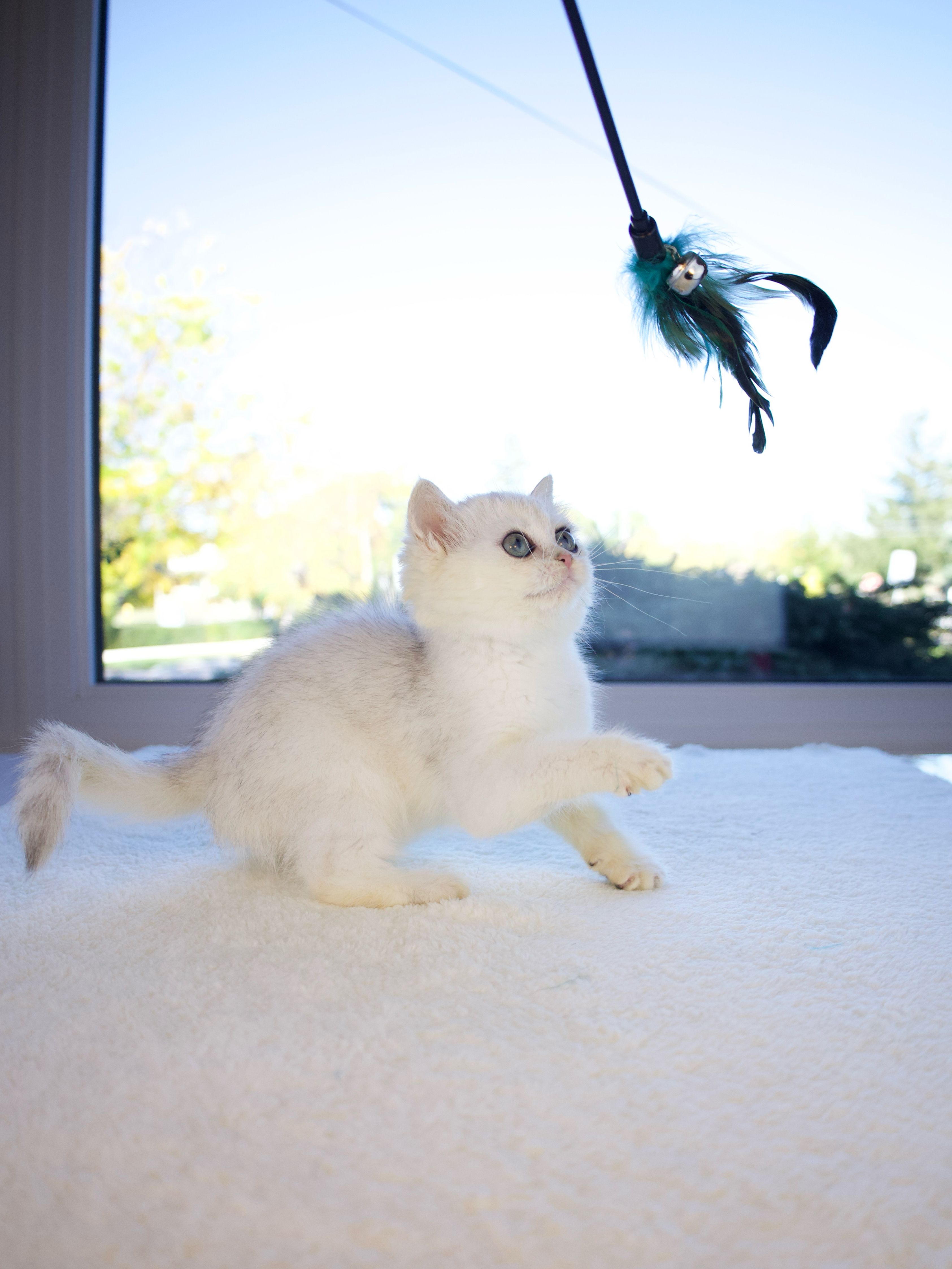
You notice your cat scratching more than usual, or maybe there’s a sudden bout of sneezing that doesn’t quite fit the pattern. These little changes often get brushed aside, but they can be the first signs of feline allergies. Understanding what to look for can save your cat from long-term discomfort.
In this guide, we’ll break down the most common allergy symptoms in cats, from itchy skin to digestive upset, and share practical ways to manage them so your feline can stay comfortable and healthy.
Common Types of Feline Allergies
There are several main allergy categories in cats: flea allergies, food allergies, environmental allergies (like pollen, dust mites, mold), and contact allergies (to cleaners or materials).
Signs & Symptoms to Watch For
Here are the symptoms that often point to feline allergies. Not every cat will show all of them; pay attention to patterns over time.
- Itchy Skin, Redness, Over-Grooming: Cats will scratch, lick, or chew themselves, sometimes till they lose fur or have raw patches. Particularly around the ears, paws, and belly.
- Skin Lesions, Crusts, Scabs: Some allergy types, like flea allergy or contact allergies, show up as bump-like rashes or “miliary dermatitis” (tiny bumps) or localized crusty sores.
- Ear Problems: Recurrent ear infections or irritation, often with odor or discharge. If your cat keeps shaking its head, scratching its ears, that’s a sign.
- Respiratory Signs: Sneezing, coughing, wheezing, runny nose or eyes. Sometimes discharge from the eyes. These point toward environmental allergies.
- Digestive Upset: Vomiting, diarrhea, or loose stool, especially when food allergies are involved. Also seen when changing foods or exposing the cat to a new protein.
Why Early Detection Matters
Unchecked allergies can lead to secondary problems: skin infections, chronic wounds, worsening respiratory issues, poor coat quality, and weight loss. While itchy skin is the most visible sign of food allergy, about 10-15% of affected cats also show gastrointestinal signs (vomiting, diarrhea).
Also, worldwide, environmental triggers seem to be rising (dust, pollen, mold), so cats who once had mild or no symptoms may develop more severe reactions over time.
Managing Allergies: What You Can Do
Here are practical steps to help your cat reduce discomfort and improve its quality of life.
- Veterinary Diagnosis Don’t try guessing — a vet can help with skin tests, elimination diets for suspected food allergies, or check for fleas/contact triggers.
- Flea Control Even one flea bite can trigger severe reactions in sensitive cats. Year-round flea prevention is key.
- Environmental Management Reduce dust and pollen: regular vacuuming, changing air filters, keeping windows closed in high pollen seasons, and using unscented or mild cleaning products.
- Medications / Treatments For some cats, vets may prescribe corticosteroids (short-term or carefully managed), antihistamines, topical treatments for skin, or even immune therapies in certain cases.
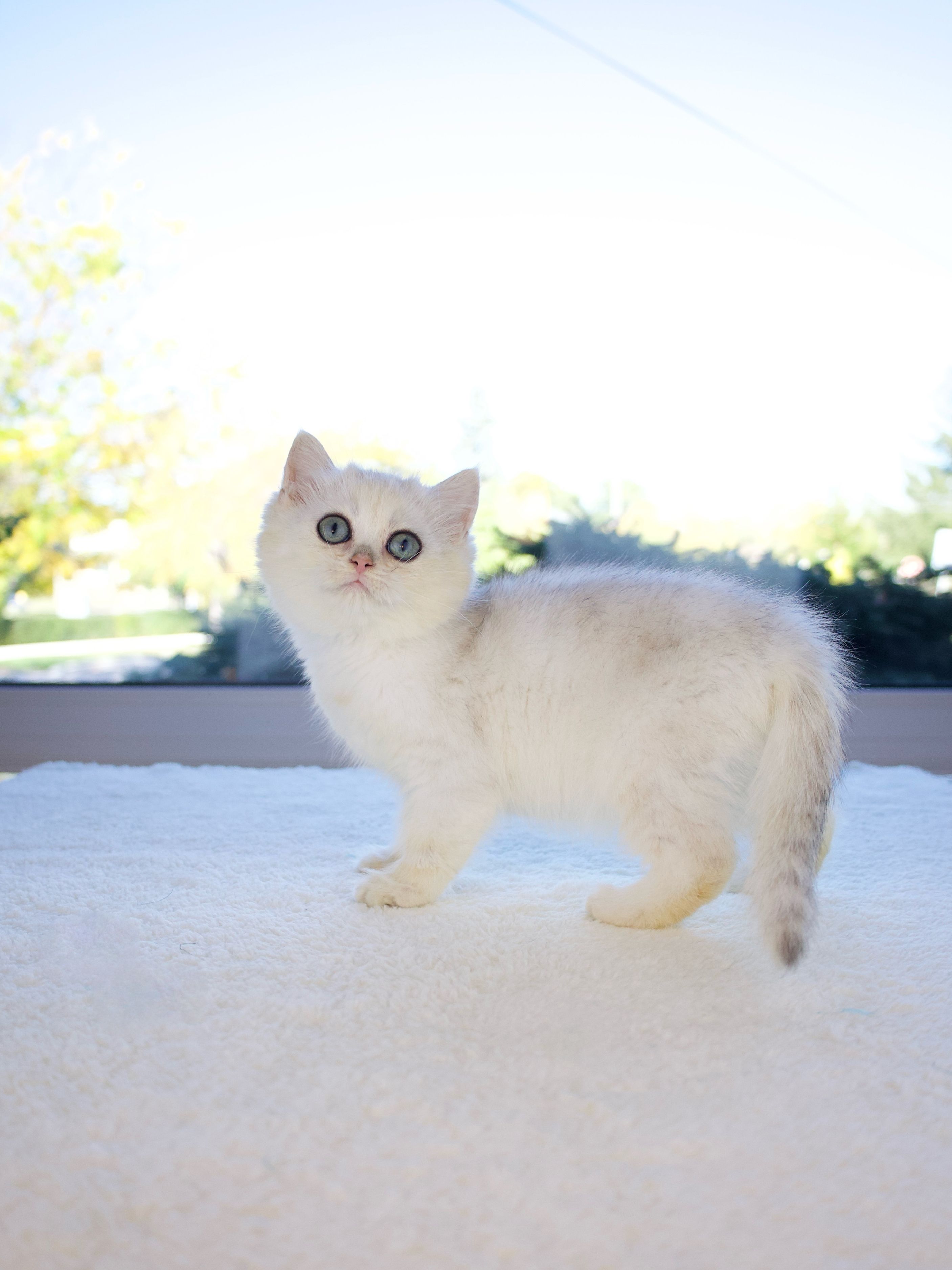
Supporting Your Cat’s Health With the Right Care
Managing feline allergies takes patience and the right support. That’s why choosing a responsible breeder is just as important as treatment and home care.
At CatKing Cattery, a trusted Toronto cat breeder, you’ll find healthy, well-raised kittens in a nurturing environment. Known for British Shorthair kittens for sale, we focus on premium care, nutrition, and socialization, helping ensure our cats are resilient and well-adjusted.
If you’re ready to buy a kitten from one of the best cattery in Canada, we offer the guidance and quality you can trust. Contact us today to meet your future feline companion.
2025-09-28