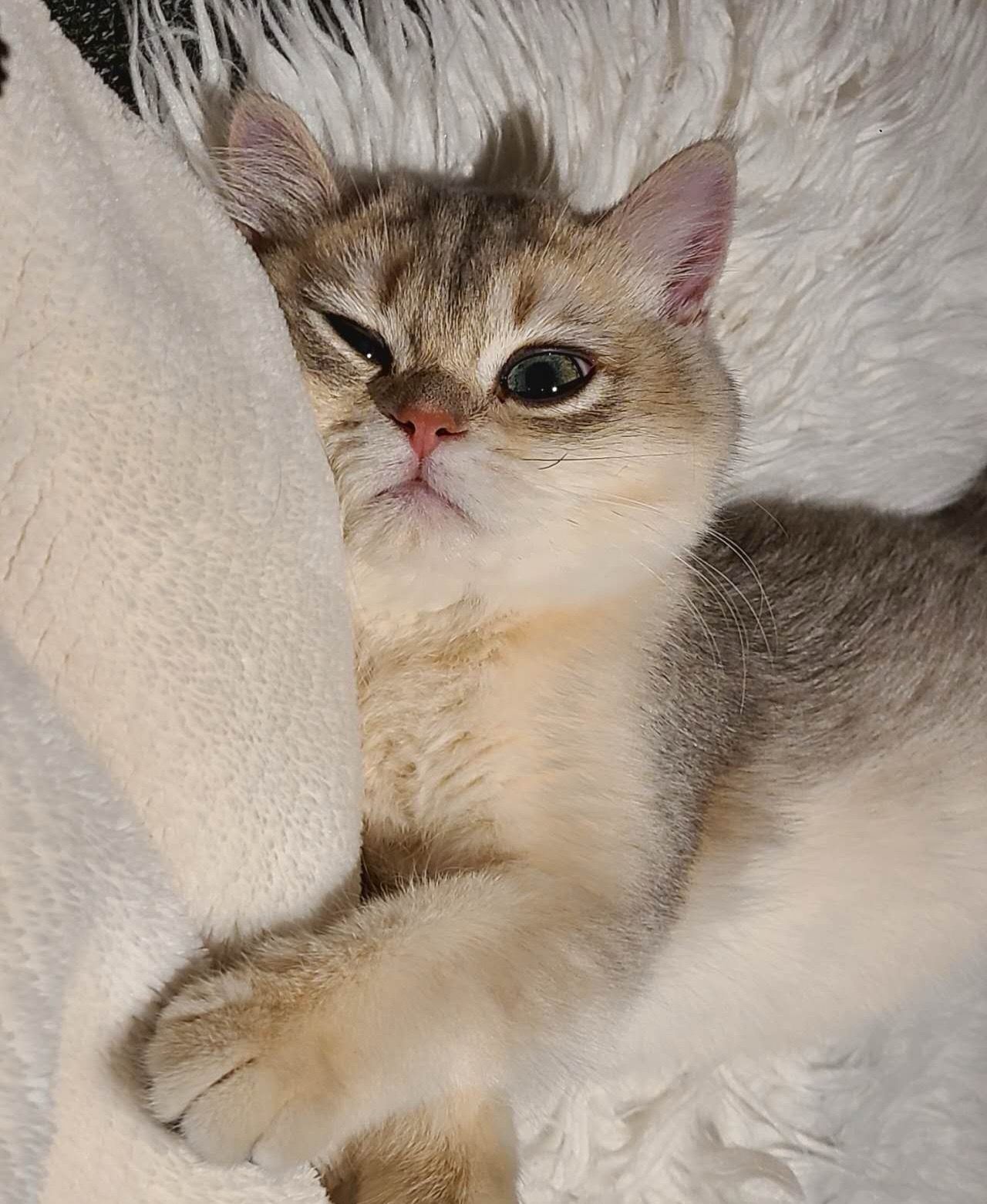
The History and Legacy of British Shorthair and Longhair Cats: From Royalty to Modern-Day Companions
From: Catking Cattery
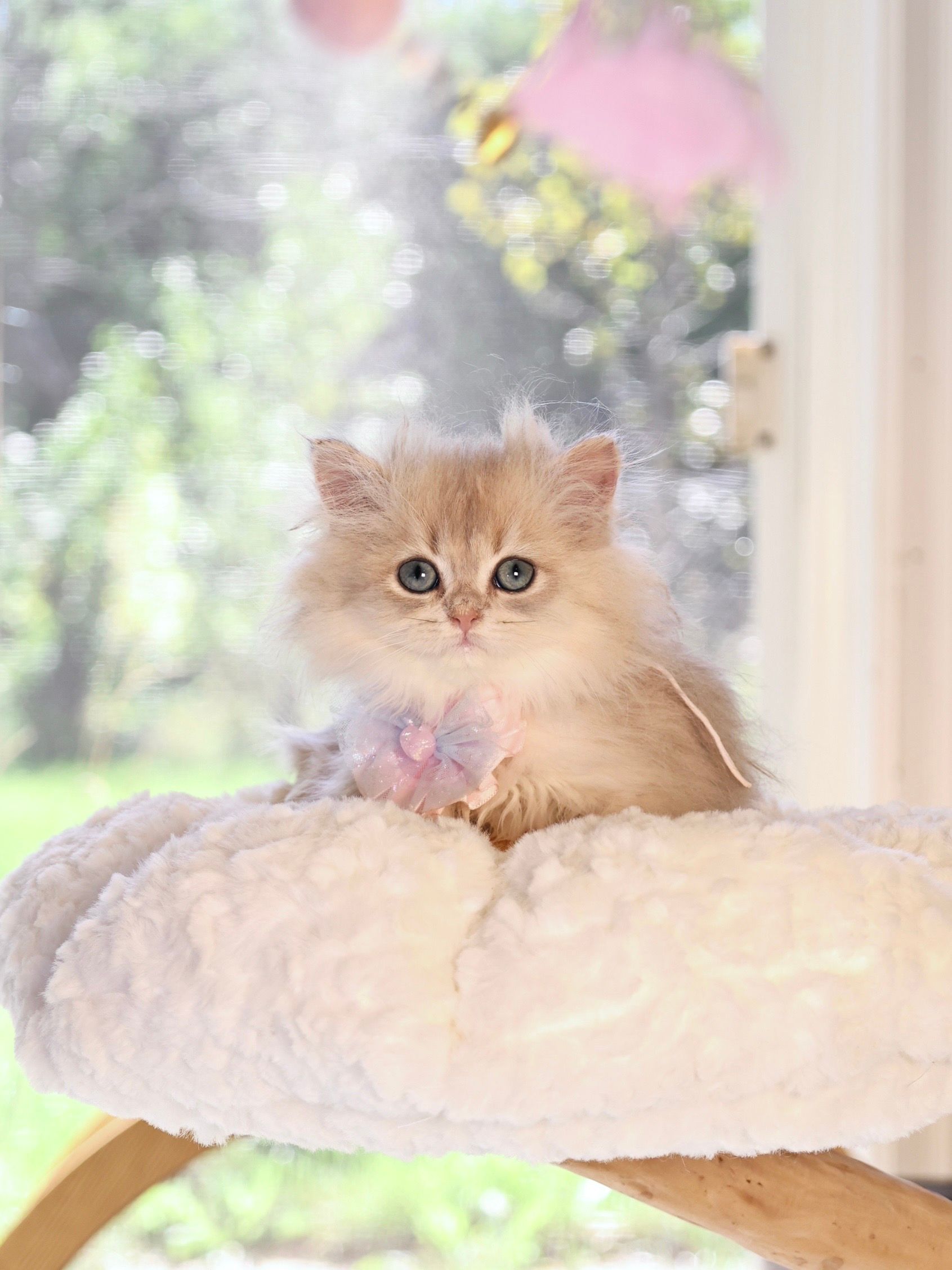
Cats have been part of human history for thousands of years, but few breeds carry the same air of tradition, charm, and quiet dignity as the British Shorthair and its close relative, the British Longhair. These cats are more than just pets. They’re living links to centuries of culture, storytelling, and even royalty.
Tracing the history of British cats means stepping into a timeline where ancient Romans, medieval royalty, and Victorian breeders all played a part in shaping the cats we admire today.
Here’s what you need to know.
From Roman Soldiers to English Gardens
Let’s start at the beginning of the history of British cats. The roots of the British Shorthair stretch back nearly two millennia. When Roman soldiers marched into Britain, they didn’t come alone. Alongside their legions, they brought cats to protect food supplies from rodents. These early cats were sturdy, muscular, and good hunters. These traits would eventually become defining features of the breed. Over time, they bred with local wildcats, creating a foundation for what we now call the British Shorthair.
Life in Britain was not easy for animals, and only the toughest cats survived. This natural selection gave them a dense coat to endure cold winters and a solid build that set them apart from other domestic cats. By the Middle Ages, they had become common farm and household companions, loved for their hunting abilities and quiet loyalty.
A Cat Fit for Royalty
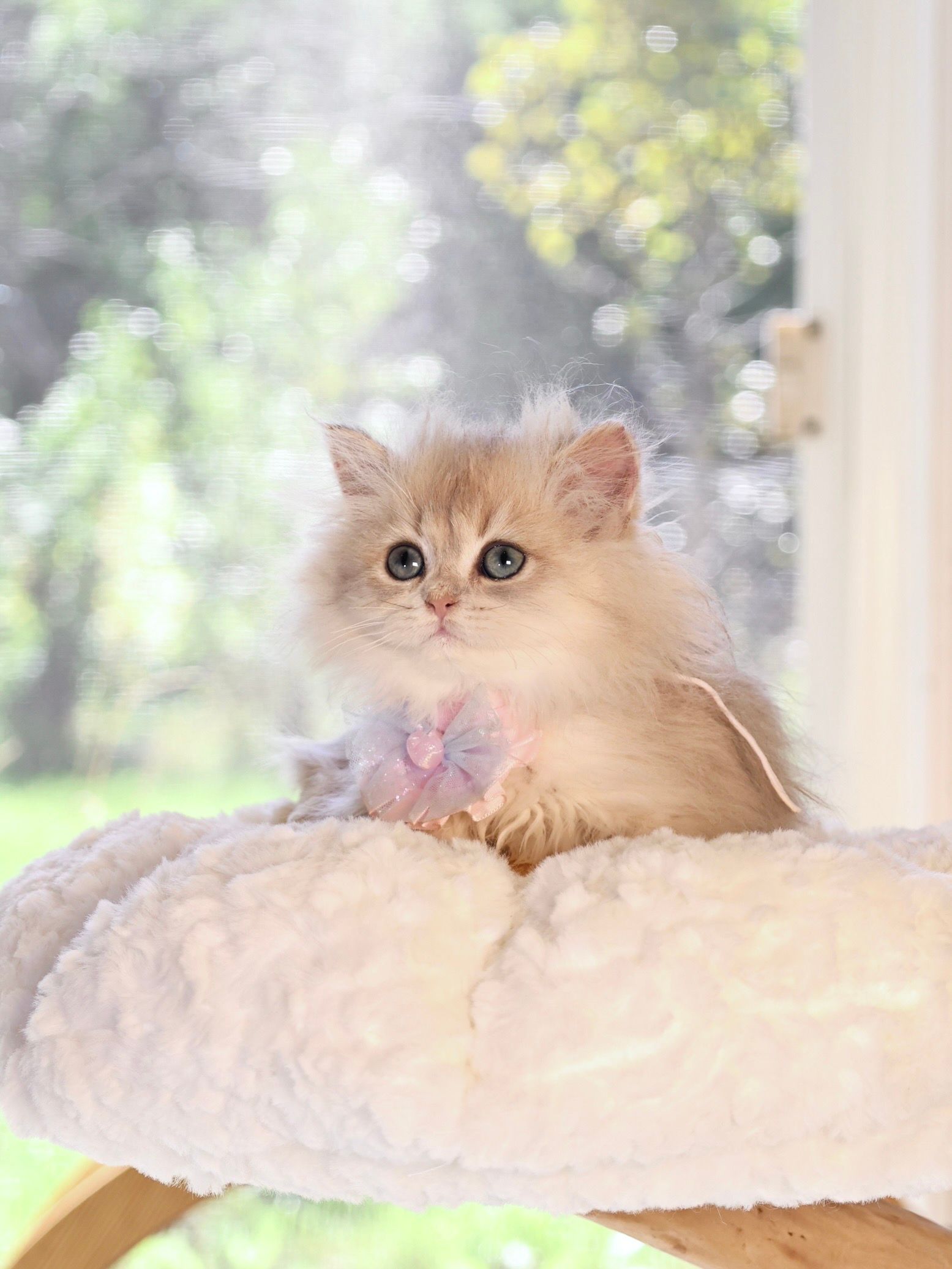
The turning point in the history of British cats came during the Victorian era. Cat shows were gaining popularity, and people began to look at cats not only as working animals but also as elegant companions. In 1871, a remarkable event took place at the Crystal Palace in London: the world’s first organized cat show. Among the stars of that show was the British Shorthair, already admired for its round face, plush coat, and gentle presence.
Queen Victoria herself had a well-known fondness for cats, which helped push the breed further into the spotlight. With royal approval, the British Shorthair quickly became a symbol of refinement and status. Its calm, affectionate nature fit seamlessly into Victorian homes, where cats began to hold a place not just in barns but in parlors.
The Rise of the British Longhair
The story of the British Longhair is directly tied to its Shorthair cousin. In the early 20th century, breeders introduced Persian cats into Shorthair bloodlines to strengthen certain traits. While this gave the British Shorthair a broader range of coat colors, it also produced kittens with longer, silkier coats. Instead of being discarded as “off-types,” these cats developed their own following, eventually recognized as a distinct breed.
Today, British Longhair kittens are celebrated for their luxurious coats and the same sturdy, rounded features that make their Shorthair relatives so iconic. They share the same calm and affectionate personality but bring a touch of glamour with their soft, flowing fur.
Challenges and Revival
Like many breeds, British cats faced challenges during the world wars. Food shortages and difficult living conditions meant that breeding programs suffered, and numbers declined dramatically. But dedicated enthusiasts stepped in to preserve the bloodlines. Through careful breeding and protection, the history of British cats took a hopeful turn, and the breeds bounced back stronger than ever.
This revival ensured that both the Shorthair and Longhair would not only survive but thrive, adapting beautifully to modern family life while still holding on to their centuries-old legacy.
Distinctive Traits That Stand the Test of Time
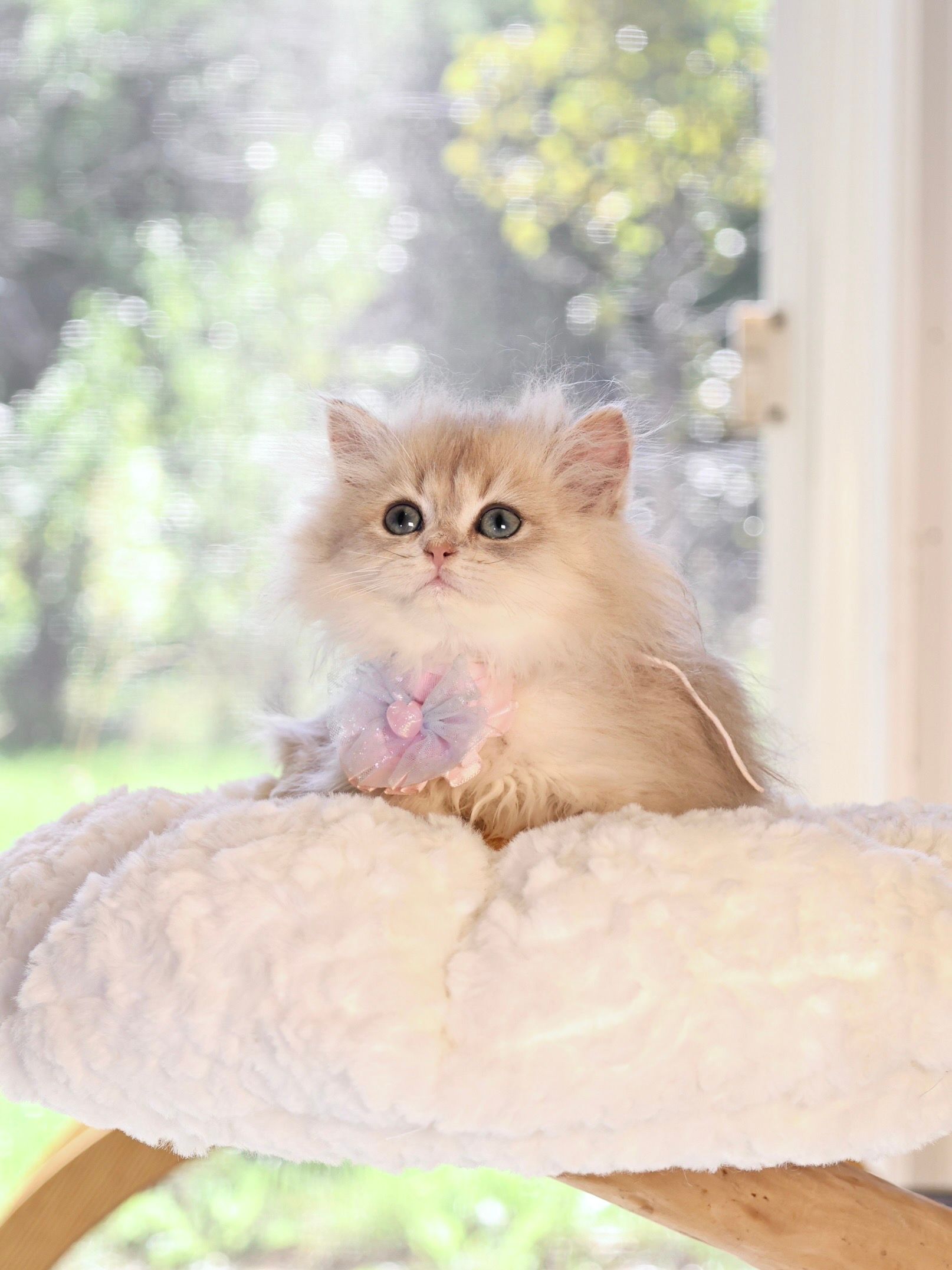
One of the reasons these cats remain so beloved is their unmistakable appearance. The British Shorthair, with its broad chest, thick tail, and round “teddy bear” face, has a timeless charm. Its dense coat comes in a wide variety of colors, including the iconic golden, blue-golden, and silver shades.
The British Longhair Cats in NYC shares these features but with a dramatic coat that flows around the body like a mane. Both breeds move with a sense of quiet strength and elegance, never rushed, always composed.
But looks are only part of the story. Their personality is just as distinctive. Both breeds are affectionate without being overly demanding. They are independent yet deeply loyal to their families. They adapt well to calm households, enjoying a mix of quiet companionship and gentle play.
From Pedigree to Household Favorite
The legacy of these cats continues today in homes around the world. People drawn to their charm often look to buy British Shorthair cats for their blend of sturdiness, beauty, and steady temperament. Families who want something equally affectionate but a little more eye-catching often fall in love with British Longhair kittens, whose coats give them a soft, almost regal presence.
Both breeds carry centuries of history within their round faces and steady gaze. Whether lounging by the fireplace or curling up beside you on the sofa, they are more than pets. They are companions shaped by history, cherished by royalty, and still adored in modern homes.
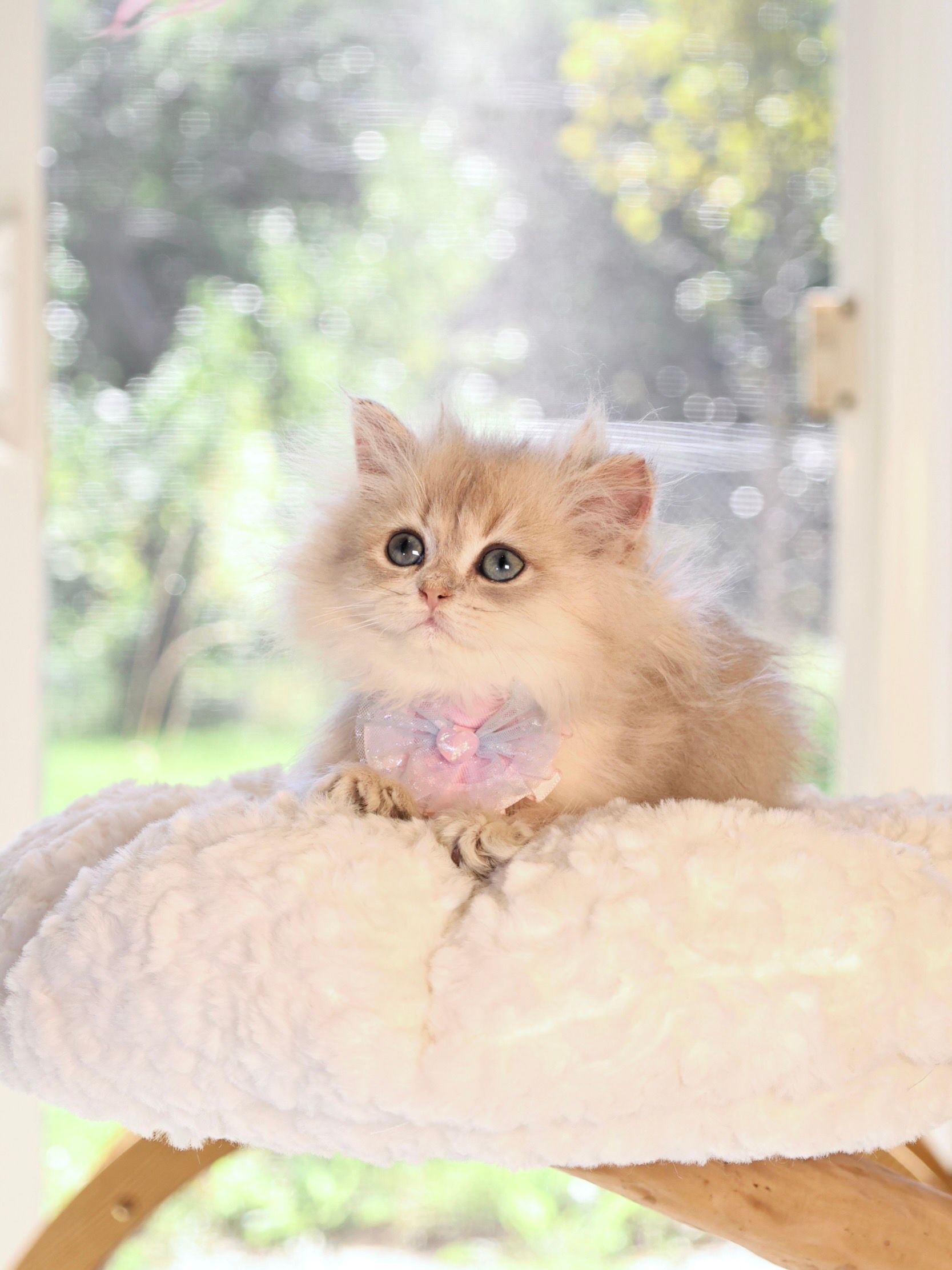
Ready to welcome a piece of living history into your home? At CatKing Cattery, we honor the rich history of British cats by dedicating ourselves to the ethical and loving breeding of exceptional British Shorthair and British Longhair kittens. We take immense pride in every kitten we raise, ensuring they are not just healthy and beautiful, but also well-socialized and ready to become a cherished member of your family.
Our cattery focuses on temperament, health, and a commitment to preserving the wonderful qualities that make these breeds so special. If you're looking to buy British Shorthair kittens in NYC or are searching for the perfect fluffy companion among our British Longhair kittens, choose our litters.
2025-09-05