



What Makes a British Shorthair’s Personality So Exceptionally Balanced
From: Catking Cattery
The balanced personality of British Shorthairs isn’t a fluke; it’s the product of centuries of selective breeding, genetics, and temperament traits that combine calm composure with affectionate loyalty. Cat lovers consistently describe this breed as one of the most serene and adaptable companions available.
Whether you’re considering a British Shorthair kitten for your family, searching for the perfect pet as a single adult, or looking to enrich a multi-pet household, this blog explores the temperament traits that make British Shorthairs stand out.
A Measured Temperament Rooted in Feline Science
Personality in cats, like in humans, isn’t random. Scientific research shows that feline temperament is influenced by genetics, early-life socialization, and breed-specific traits.
Temperament encompasses stable, heritable differences in behavior, such as sociability, boldness, and aggression, which significantly impact human–animal relationships and welfare.
British Shorthairs cluster among the least active and least aggressive breeds, suggesting that their temperament leans toward calm and predictable patterns compared with more boisterous breeds like Bengals or Cornish Rexes.
This scientific backdrop underpins many of the personality traits for which British Shorthairs are famous: predictability, stability, and adaptability.
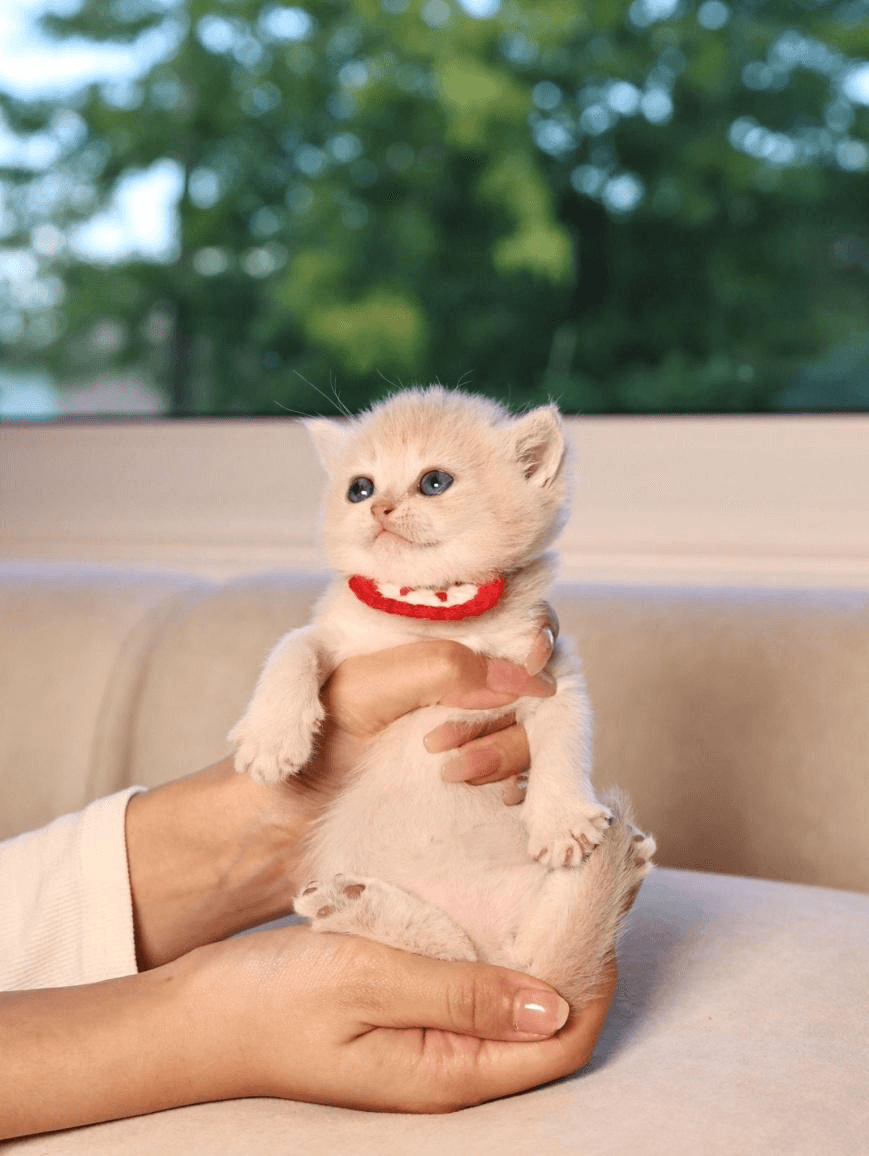
The Calm Demeanor Everyone Notices
Perhaps the most defining feature of the British Shorthair temperament is a calm, easygoing nature. Reliable sources describe them as affectionate yet not needy, allowing for gentle companionship without constant attention or anxiety.
- Quiet but present: These cats typically don’t meow excessively or demand attention. They enjoy being near their human family without being clingy.
- Adaptable: British Shorthairs handle changes in their environment, like new furniture or visitors, with minimal stress, making them suitable for a range of living situations from apartments to busy homes.
- Moderate activity: They enjoy short, intentional bursts of play rather than high-energy sessions, which suits households that want a playful companion without the chaos of an athletic breed.
This calm disposition also means that British Shorthairs can be left alone during work hours without developing separation anxiety, a trait that’s especially appealing to busy professionals and families alike.
Affectionate Without Being Overbearing
One of the beauties of the British Shorthair’s personality is that they display affection on their terms, creating bonds that feel natural rather than demanding.
- Respectful affection: They often enjoy your presence by sitting nearby, observing your activities, and occasionally rubbing against you, but they’re not typically lap cats.
- Independent socializing: While deeply loyal, they bond without dependency, which means they can be affectionate without requiring constant contact.
- Gentle even with kids: Their patience and tolerance usually make them good companions for respectful children and calm environments, contributing to why many families feel a British is an ideal household cat.
Perfect for Homes of All Kinds
What’s remarkable about this breed is how well they adapt to different family dynamics:
- Families: Their calm nature fits neatly into family life. They’re tolerant of well-behaved kids and can integrate with other pets when introductions are handled thoughtfully.
- Singles & Professionals: Their ability to be alone without distress makes them a top pick for people who work long hours or have busy schedules.
- Multi-Pet Homes: British Shorthairs generally get along with other cats and even dogs, especially when socialized early, helping them cohabit peacefully in diverse animal households.
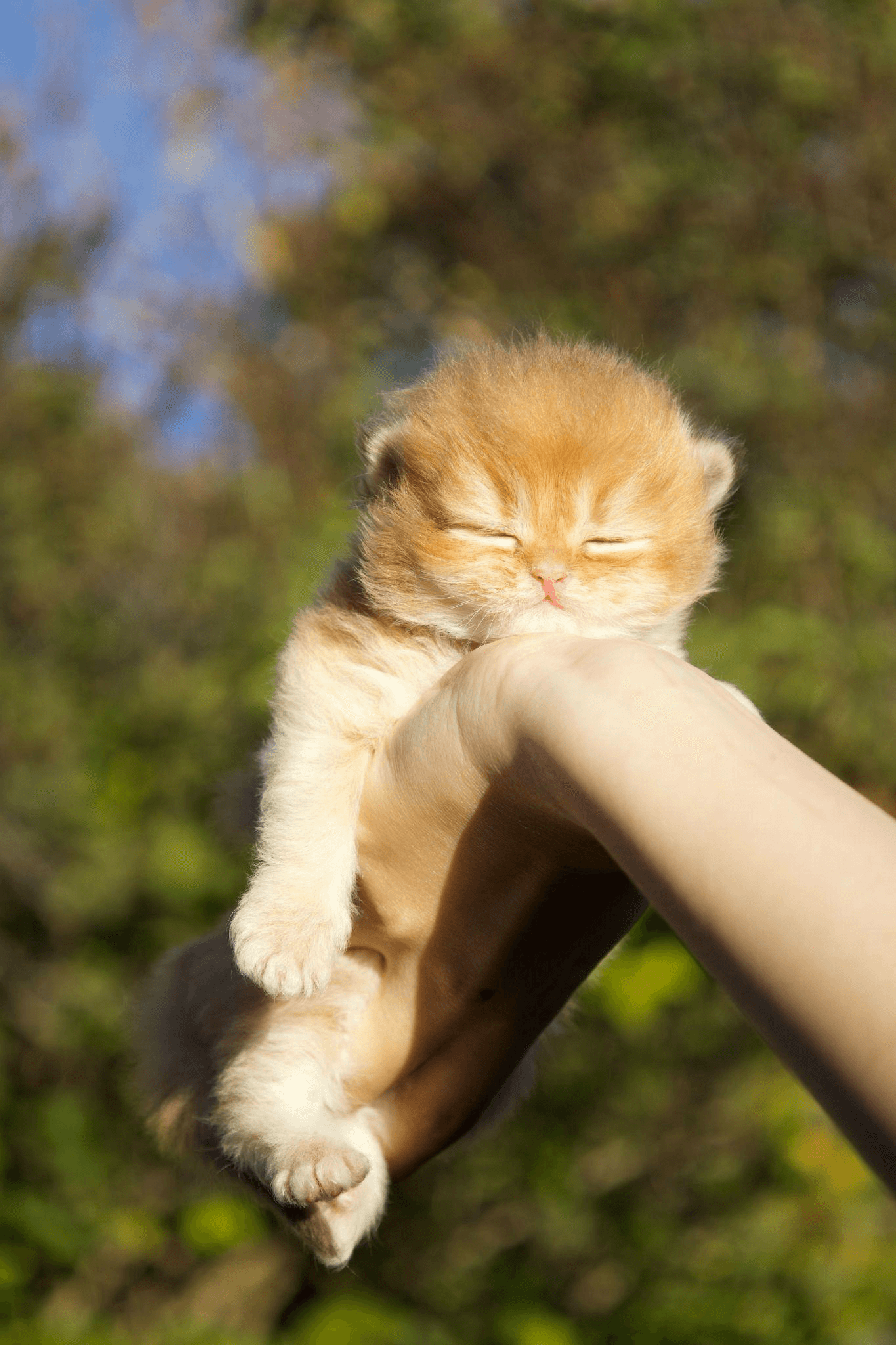
What This Means for Potential Owners
If you’re considering a British Shorthair, it’s worth knowing precisely what you’re inviting into your home.
Here’s how their temperament can translate into everyday life:
Low Attention Demand
Unlike breeds that demand constant play or physical contact, British Shorthairs are affectionate but balanced. You’ll notice them nearby more often than in your lap, and that’s perfectly normal.
Independent Companionship
They enjoy alone time and adapt well when left at home during the day. This doesn’t mean they’re aloof; they simply don’t spiral into anxiety when left by themselves.
Sociable but Not Clingy
They form strong bonds with people of all ages and tend to handle new family members or pets without dramatic reactions.
Finding Your Ideal British Shorthair
Because temperament matters deeply, it’s worth connecting with reputable sources when you’re thinking about bringing a British Shorthair into your life. If you’re searching for a British Shorthair cat breeder, make sure to look for breeders who prioritize socialization and temperament as much as health and standards.
Responsible breeders often raise kittens in enriched environments that support early socialization, which is critical to nurturing that calm, balanced nature.
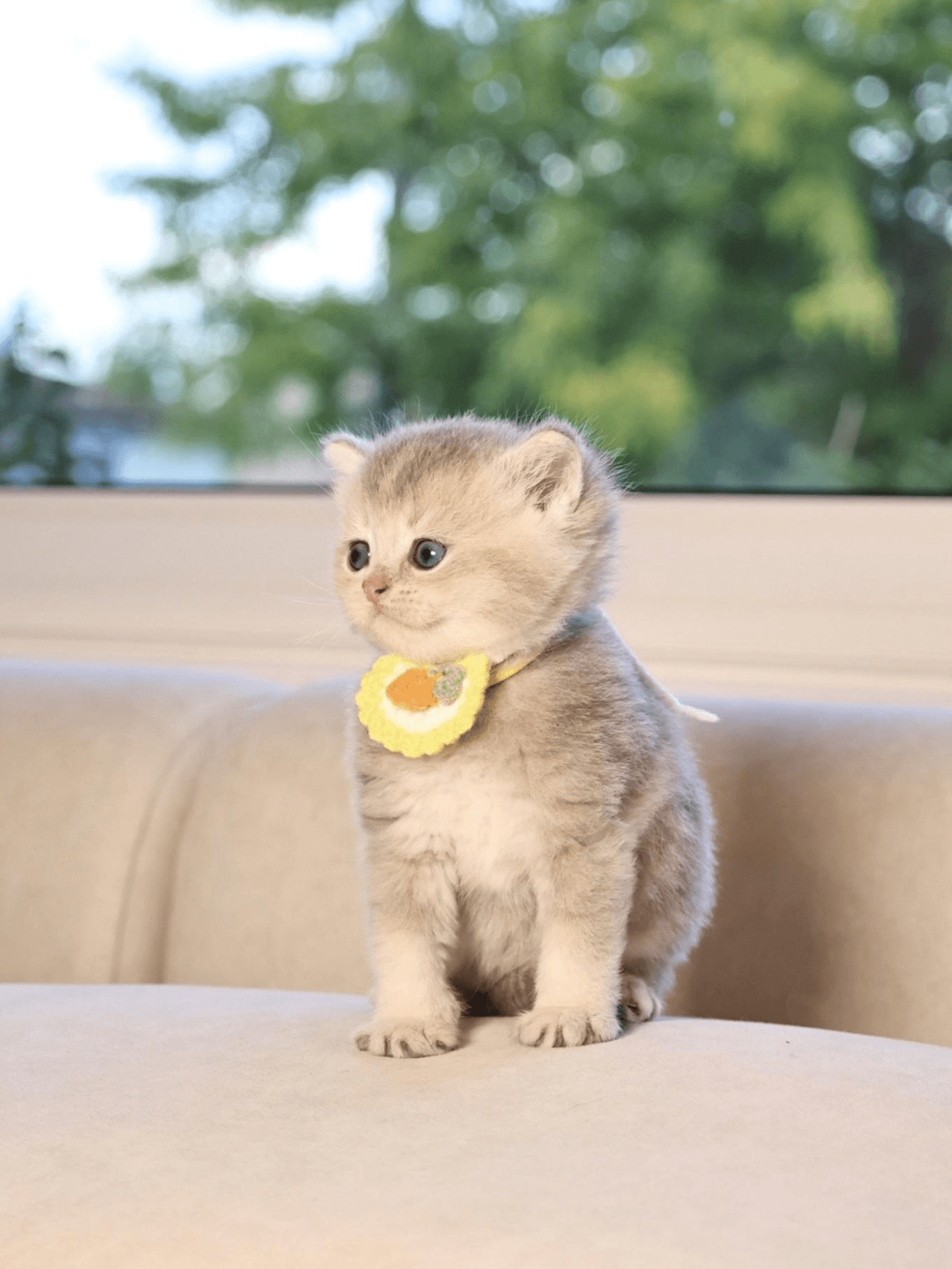
A balanced personality in British Shorthairs is rooted in their temperament traits. Their calm composure, affectionate yet independent nature, and adaptability make them ideal companions for families, singles, and multi-pet homes alike. If you’re ready to bring one of these wonderful cats into your life, partnering with a reputable and responsible breeder can make all the difference.
That’s where CatKing Cattery comes in. As one of the most respected British Shorthair cat breeders Canada has to offer, we focus on breeding British Shorthair and British Longhair kittens that are healthy, well-socialized, and temperament-tested from the very start of life.
We operate as a legally registered cattery in Ontario with affiliations to major feline associations like TICA, CFA, and WCF, ensuring transparency, high standards, and peace of mind for prospective owners.
Ready to meet your future feline companion? Contact us today to learn more about available kittens and begin your journey toward a loving, lifelong friendship.
2026-03-16