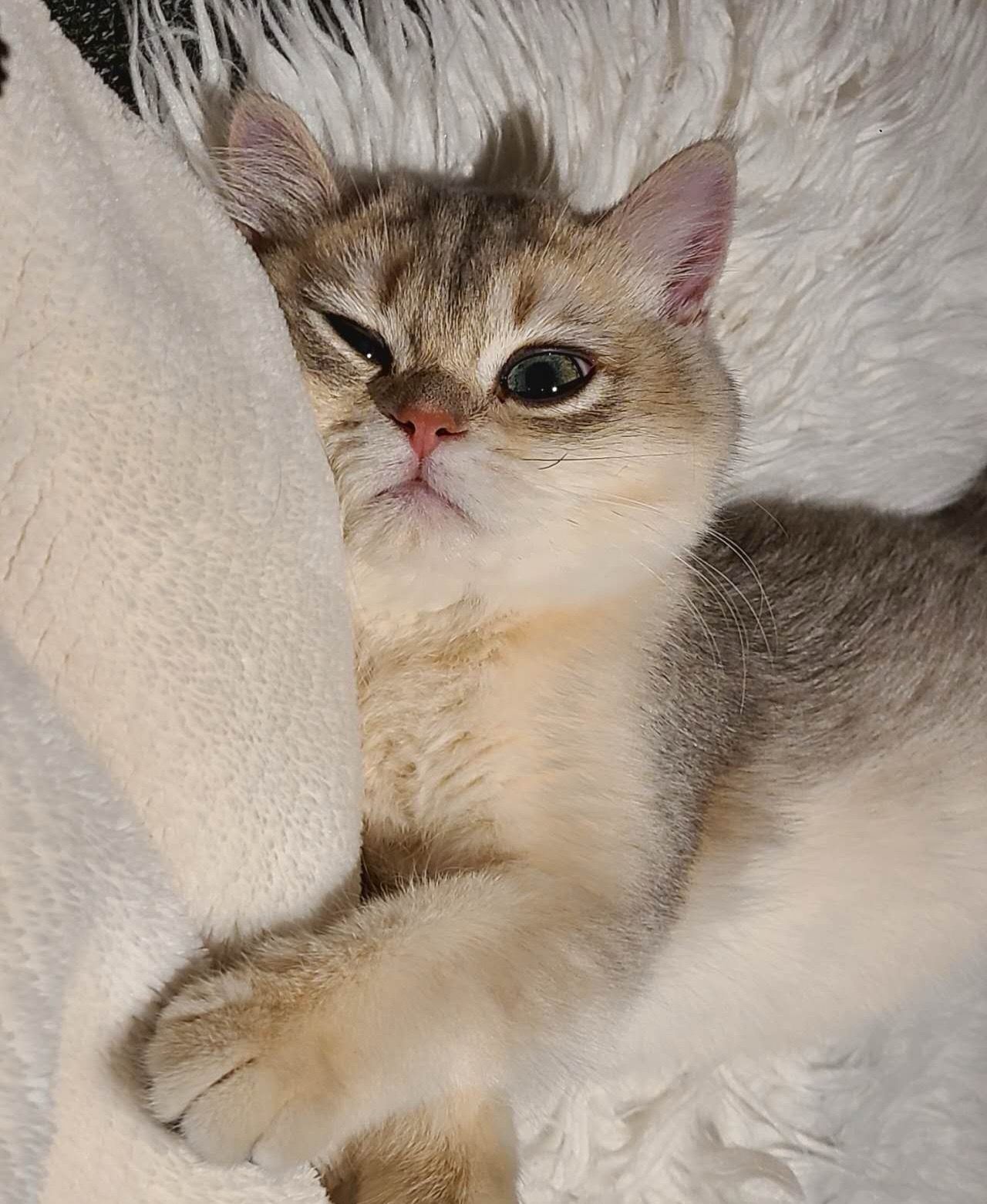
Why Blue Golden Shaded British Shorthair Kittens Are Becoming One of Canada's Most Desired Cats
From: Catking Cattery
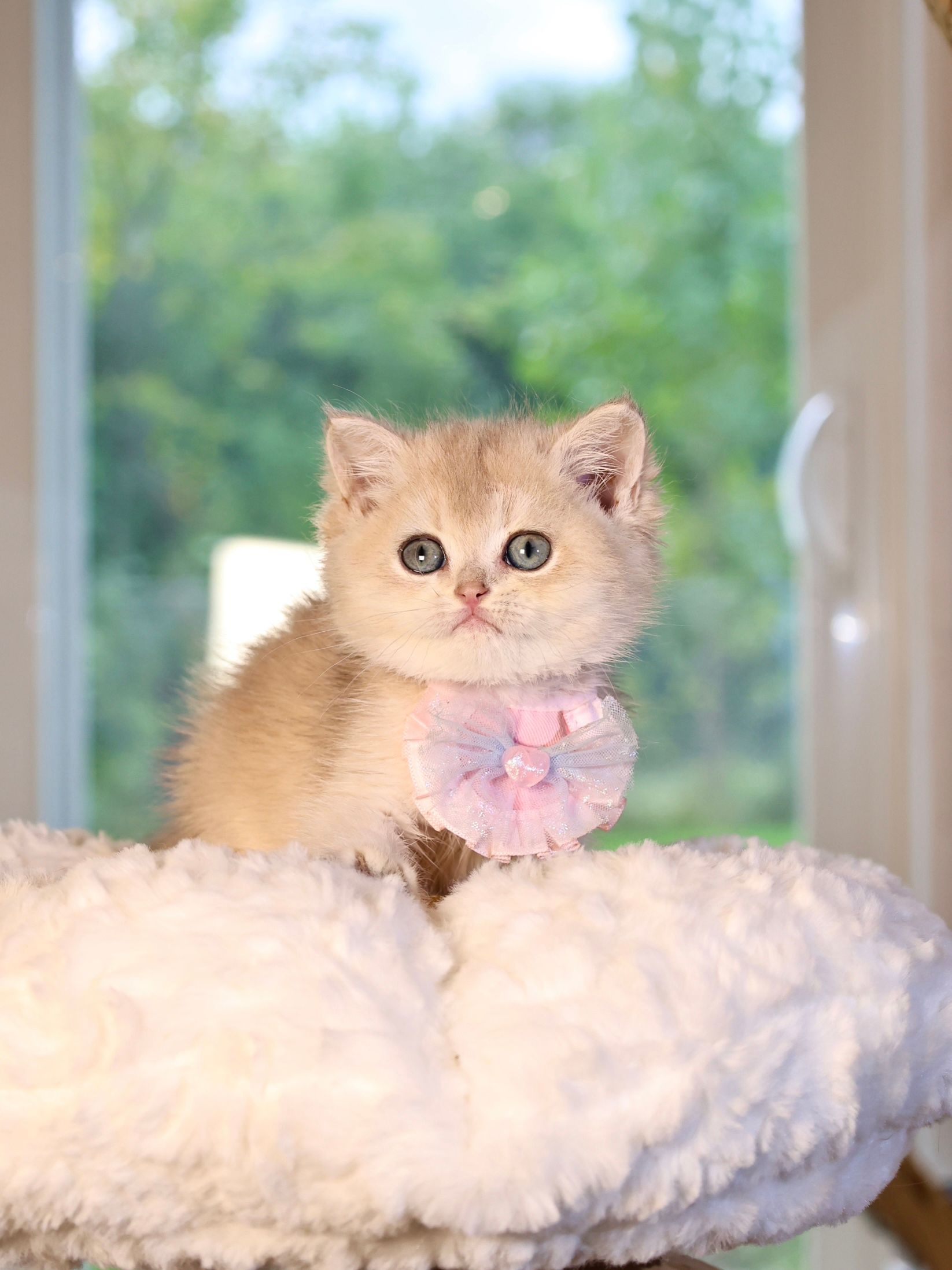
Five years ago, most enquiries we received named a colour: blue. Today a growing share of them ask for something more specific. The Blue Golden Shaded British Shorthair has moved from a niche request to one of the first colours Canadian buyers ask about by name, and waiting lists have lengthened accordingly.
The interest is not accidental, and it is not purely aesthetic. As a British Shorthair cattery in Toronto that has bred this colour for years, we can point to three things driving it: how the coat reads on camera, how few litters produce it well, and how the shade behaves as a kitten matures. Our British Shorthair pages show the colour on several cats at different ages.
What Buyers Notice First
The appeal comes from a contrast rather than a colour. A pale undercoat sits beneath tipping of a cooler, dilute tone, and the two layers read differently depending on how the light falls. The result is a coat that appears to shift as the cat moves, which is unusual in a breed known for solid, uniform colour.
The breed itself supplies the rest. The dense, plush coat described in the TICA breed profile holds the tipping upright rather than letting it lie flat, so the shading stays visible across the whole body. Add the round face and wide-set eyes and the effect photographs unusually well, which matters more than breeders once liked to admit.
Why Demand Has Climbed in Canada
Social platforms did most of the work. A colour that photographs well travels quickly, and Canadian buyers who had never heard the term five years ago now arrive already knowing what they want. Enquiries that name a specific colour rather than a breed have become routine.
Show results reinforced it. As shaded British cats began placing consistently at international level, the colour picked up a credibility that no amount of social media alone would have given it. Buyers reasonably read strong show placement as evidence that a cattery understands what it is producing.
Supply has not kept up, and that is the part most buyers underestimate. Anyone comparing British Shorthair kittens for sale in Canada will notice that shaded litters appear far less often than blue ones, and that they are usually spoken for early.
Why This Colour Is Difficult to Breed Well
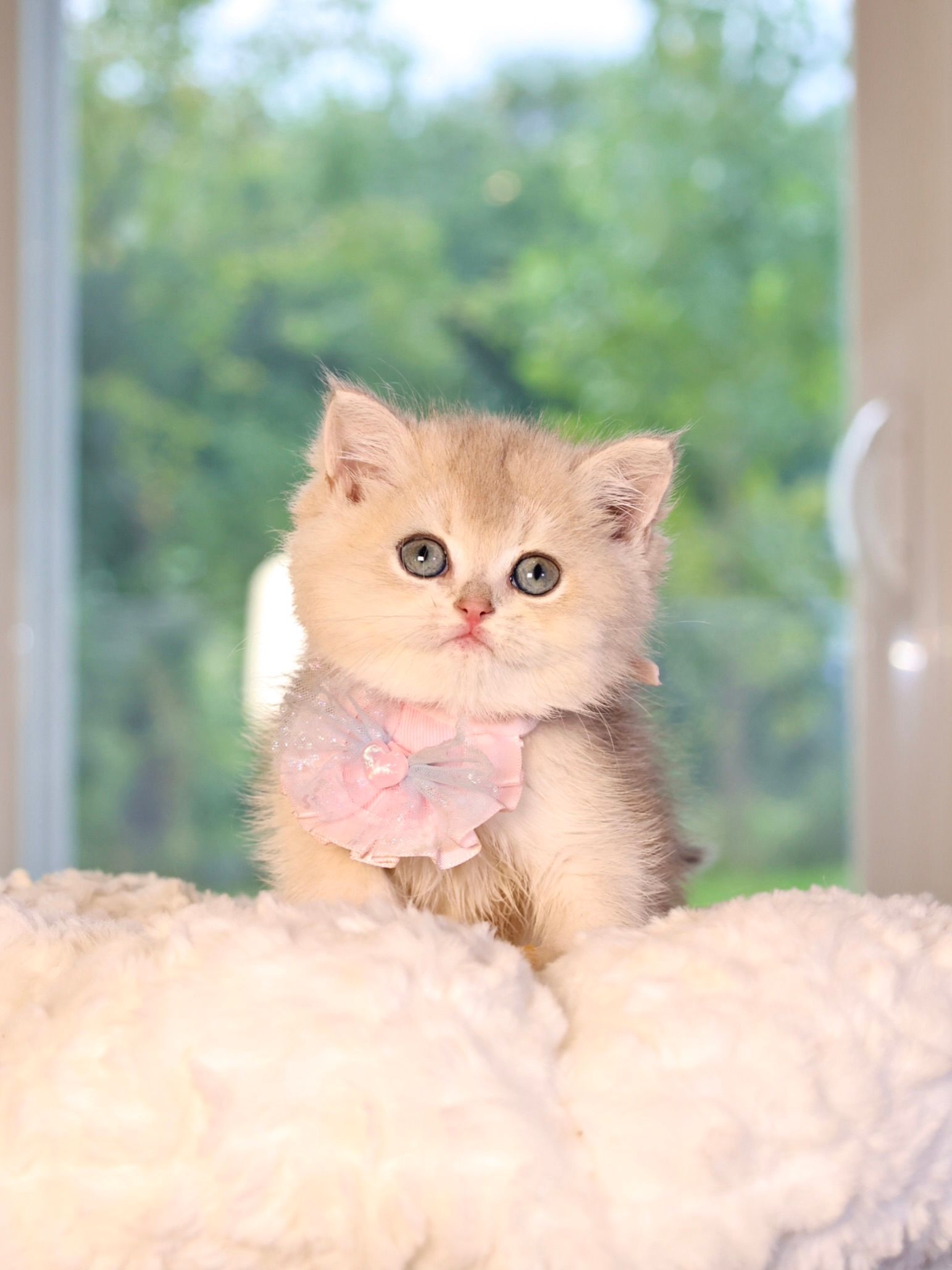
Producing the colour is straightforward. Producing it to standard is not. The published British Shorthair and Longhair breed standard sets expectations for undercoat clarity and evenness of tipping, and a cat can carry the right genetics while still falling short of both.
The common faults are visible to anyone who has compared a few cats. Tipping that runs too deep, so the cat reads as a tabby rather than a shaded cat. Undercoat that carries residual warmth where it should be clean. Tipping that concentrates along the spine and thins out across the flanks.
Correcting those faults takes several generations of careful pairing, and each pairing produces a small number of kittens. That arithmetic, rather than any artificial scarcity, is why the waiting lists exist.
How the Coat Changes From Kitten to Adult
Shaded coats are not finished at twelve weeks. Tipping deepens, the undercoat clears, and the contrast between the two usually improves over the first year and continues settling into the second. A kitten photograph shows you the starting point, not the destination, which is why buyers who reserve on looks alone are sometimes surprised in either direction.
Temperament Does Not Change With Colour
This is worth saying plainly, because the volume of colour-led enquiries suggests some buyers have started to believe otherwise. Coat colour carries no temperament information. A shaded kitten is not calmer, more affectionate, or more delicate than a blue one from the same programme.
What does shape temperament is how the kitten was raised. Handling from the first weeks, exposure to household noise, contact with other cats, and the age at which the kitten leaves its litter all matter far more than colour genetics. Guidance on everyday care makes the same point about coat type generally.
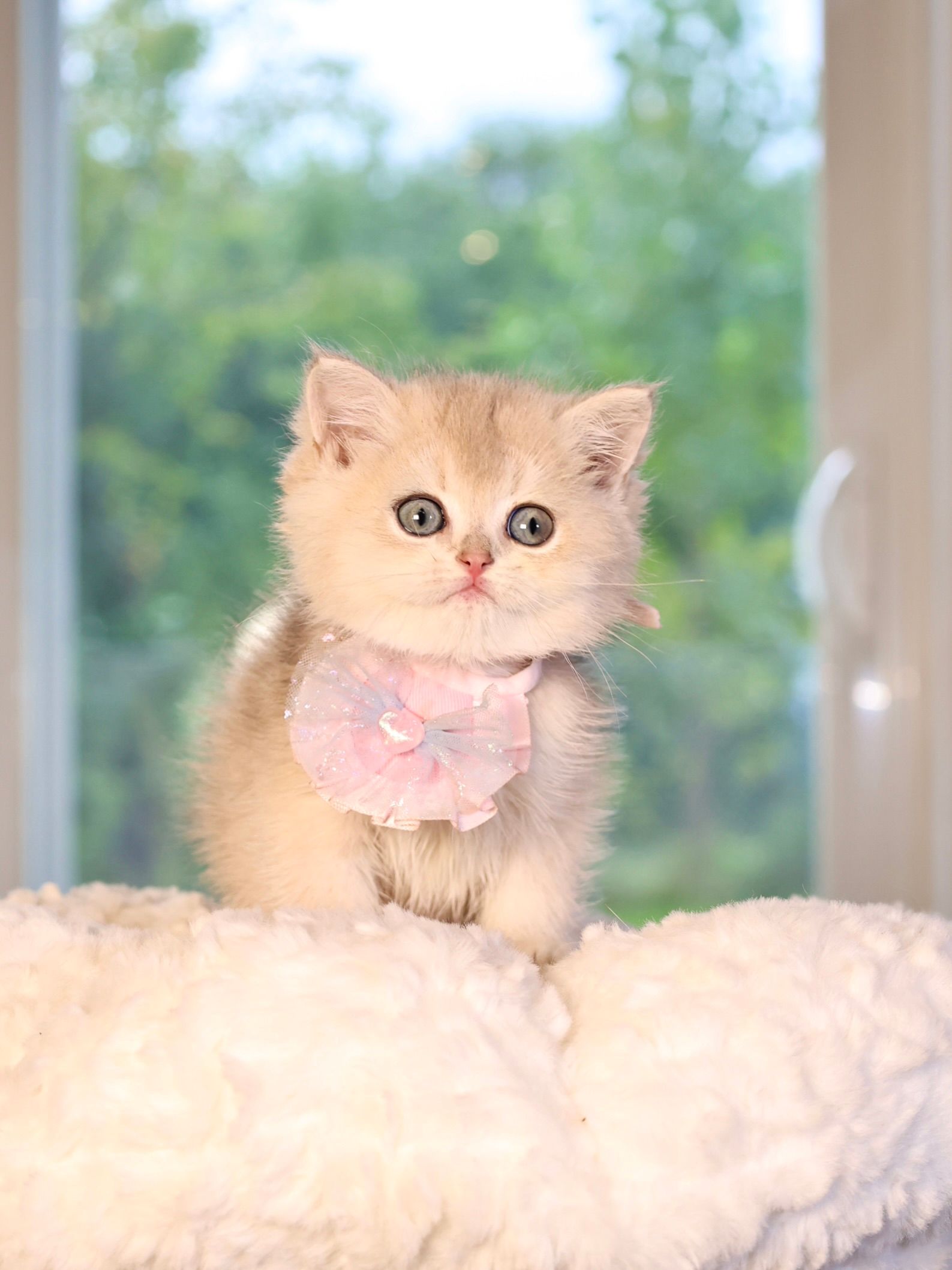
Buy the colour you like. Just do not expect it to tell you anything about the cat who will be sitting on your sofa in a year.
Why These Litters Fill So Quickly
A colour that is hard to produce well, photographs beautifully, and comes from a breed with a settled temperament was always going to be in demand. The shortage is genuine rather than manufactured, which is why families who wait for the right litter usually end up happier than those who take the first one available from an unfamiliar British Shorthair breeder in Toronto.
CatKing Cattery breeds Golden Shaded, Blue Golden Shaded and Silver Shaded British Shorthairs and Longhairs from TICA, CFA and WCF registered lines, with parent cats screened for PKD, PRA-PD and ALPS. Our cats have placed at an international level, and our breeding programme explains how a small litter count keeps that standard consistent, which is part of why families keep returning to what many call the best cattery in Canada.
Reserve a place on our current and upcoming litters if a shaded kitten is what you have been waiting for.
2026-09-04