Why British Shorthair Cats Prefer Routine And What Happens When It Changes
From: Catking Cattery
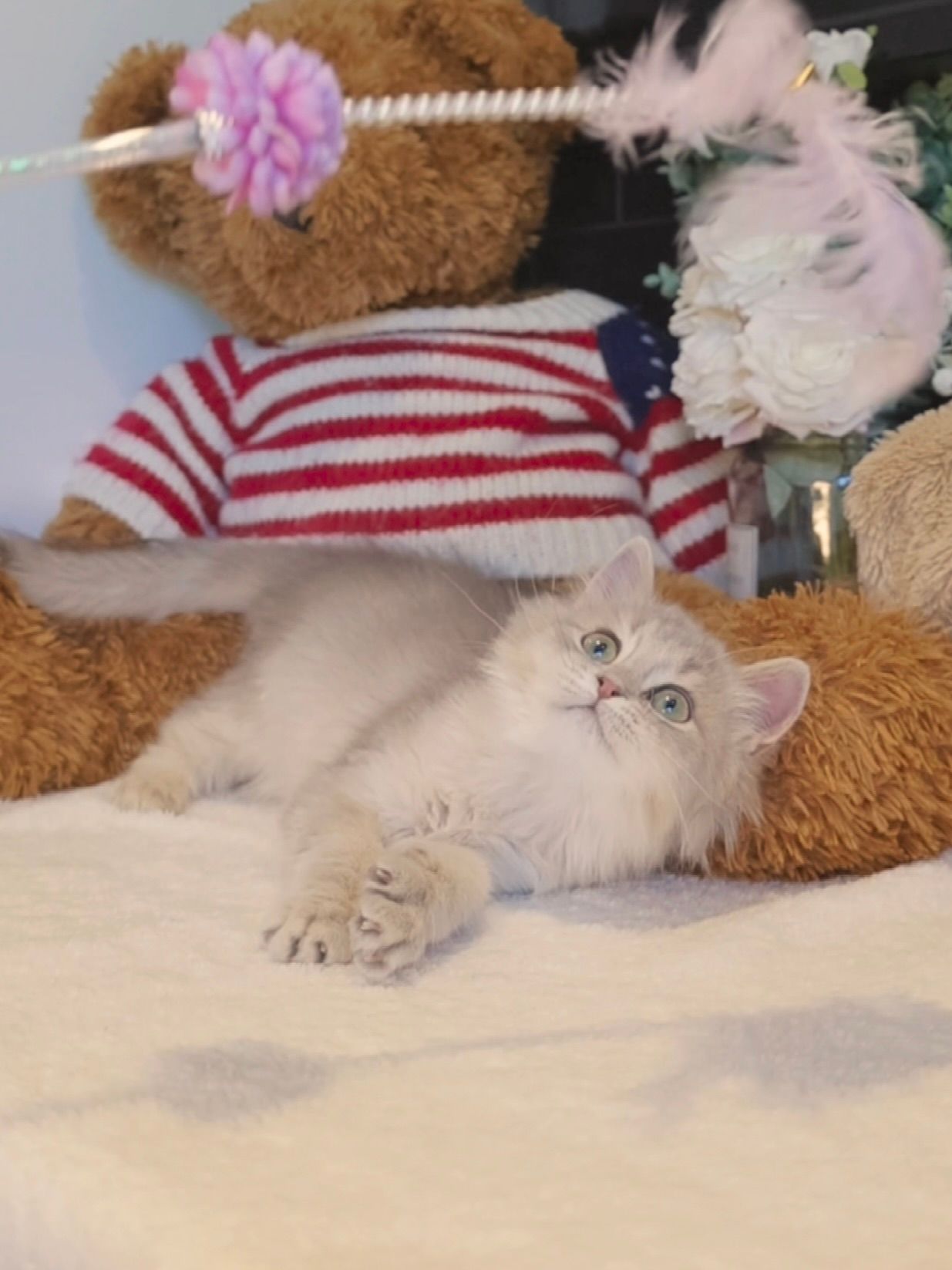
British Shorthair cats are often admired for their calm personalities, balanced temperament, and easygoing nature. Many owners describe them as steady companions who enjoy peaceful environments and predictable daily habits. While every cat has a unique personality, British Shorthairs are generally known for appreciating consistency in their surroundings.
One important aspect of their behaviour is their strong preference for routine. From feeding schedules to sleeping spots, these cats often feel most comfortable when daily life follows familiar patterns. Understanding the importance of a proper routine for British Shorthair cats in Canada can help owners create a more stable and stress-free environment for their feline companions. At the same time, sudden changes to routines may affect their mood, behaviour, and overall comfort more than some people expect.
Why Routine Matters So Much to British Shorthair Cats
Cats naturally rely on habits and environmental familiarity to feel secure. In the wild, predictability helps animals understand where food, shelter, and safety are located. Domestic cats still carry many of those instincts today.
British Shorthairs, in particular, tend to thrive in stable environments. Their personalities are usually calm and observant rather than impulsive or highly adventurous. Because of this, they often form strong attachments to familiar schedules and daily patterns.
Many owners notice that their British Shorthair:
- Waits near the kitchen before mealtime
- Sleeps in the same location each day
- Expects playtime at a certain hour
- Follows consistent morning or evening habits
- Prefers familiar household arrangements
This does not mean the breed cannot adapt to change. However, they usually prefer gradual transitions instead of sudden disruptions. A consistent routine for British Shorthair cats helps build confidence and emotional stability, especially for indoor cats who depend heavily on their home environment.
Feeding Schedules and Behavioural Stability
Feeding routines are often one of the most important parts of a cat’s daily life. British Shorthairs generally respond well to predictable meal times. Consistent feeding schedules can help support:
- Better digestion
- Healthier eating habits
- Reduced anxiety around food
- Weight management
- Stronger daily structure
When feeding times constantly change, some cats may become restless or vocal. Others may begin begging for food more frequently because they are unsure when the next meal will arrive. Because British Shorthairs are naturally sturdy cats with a tendency to gain weight if overfed, stable meal routines can also support healthier long-term body condition.
Many experienced owners prefer dividing meals into scheduled portions rather than leaving unlimited food available all day. This approach often creates more structure while helping owners monitor appetite and overall health more effectively.
How Changes in Playtime Affect Mood and Activity
Playtime is another important part of maintaining a healthy routine for British Shorthair cats. Although British Shorthairs are calmer than some breeds, they still need regular mental and physical stimulation. Interactive play supports:
- Exercise
- Mental engagement
- Confidence
- Bonding with owners
- Healthy behaviour patterns
Cats that become used to daily interaction may notice when those routines suddenly disappear. For example, if an owner usually spends time playing every evening but suddenly stops because of a busy schedule, the cat may respond with:
- Increased nighttime activity
- Attention-seeking behaviour
- Restlessness
- Scratching furniture
- Reduced interest in interaction
British Shorthairs are not usually considered overly demanding cats, but they still value reliable interaction with their owners. Even short but consistent play sessions can make a significant difference.

Environmental Changes Can Feel Stressful
One of the biggest routine disruptions for cats involves changes within the home itself. British Shorthairs often become attached to familiar spaces, scents, and layouts. Rearranging furniture, moving homes, introducing new pets, or hosting frequent visitors may temporarily affect their behaviour. Some common reactions to environmental changes include:
- Hiding more often
- Reduced appetite
- Avoiding certain rooms
- Increased sleeping
- Becoming quieter than usual
- Temporary clinginess or distance
These reactions are not necessarily signs of a serious problem. Many cats simply need time to adjust and rebuild their sense of security. Because British Shorthairs are generally observant and emotionally balanced, they often recover well when changes are introduced gradually and calmly.
Travel and Schedule Changes
Owners sometimes underestimate how much cats notice human routines. Changes such as:
- New work schedules
- Extended vacations
- Frequent travel
- Different sleeping hours
- Moving furniture regularly can influence a cat’s sense of predictability.
British Shorthairs often enjoy quiet companionship and become familiar with household rhythms. When those rhythms suddenly shift, some cats may appear confused or unsettled for a short period. Maintaining familiar feeding times, sleeping spaces, and interaction routines during busy periods can help reduce stress significantly.
Signs Your British Shorthair Is Struggling With Change
Every cat responds differently to disruptions, but there are some common behavioural signs owners should watch for. A British Shorthair experiencing stress from routine changes may:
- Eat less or more than usual
- Become withdrawn
- Vocalize more frequently
- Avoid interaction
- Groom excessively
- Display unusual nighttime activity
- Stop using favourite resting areas
In most cases, these behaviours improve once stability returns. However, if changes become severe or continue for long periods, owners should consult a veterinarian to rule out possible health concerns.
How to Introduce Changes More Smoothly
While British Shorthairs appreciate consistency, life changes are unavoidable. Fortunately, there are ways to help cats adapt more comfortably.
Make Changes Gradually
Whenever possible, introduce adjustments slowly rather than all at once. Small transitions are usually easier for cats to accept.
Keep Core Routines Stable
Even during busy periods, try to maintain:
- Feeding times
- Sleeping arrangements
- Daily interaction
- Litter box placement These familiar elements provide reassurance.
Provide Safe Spaces
Cats often feel more secure when they have quiet areas to retreat to during stressful situations.
Use Familiar Scents
Blankets, beds, and toys carrying familiar scents can help comfort cats during environmental changes.
Continue Daily Interaction
Even brief periods of calm attention and play can help maintain emotional stability. A structured environment often brings out the best in their personalities.
At CatKing Cattery, we believe that understanding the ideal routine for British Shorthair cats helps families build healthier and happier relationships with their companions. As a trusted British Shorthair breeder in Canada, we focus on raising kittens with calm temperaments, strong socialization, and balanced personalities. When you are searching for a British Shorthair kitten for sale, you can buy kittens in Canada from our British Shorthair cattery. We are committed to responsible breeding and long-term support for every family. Contact us.
2026-06-21