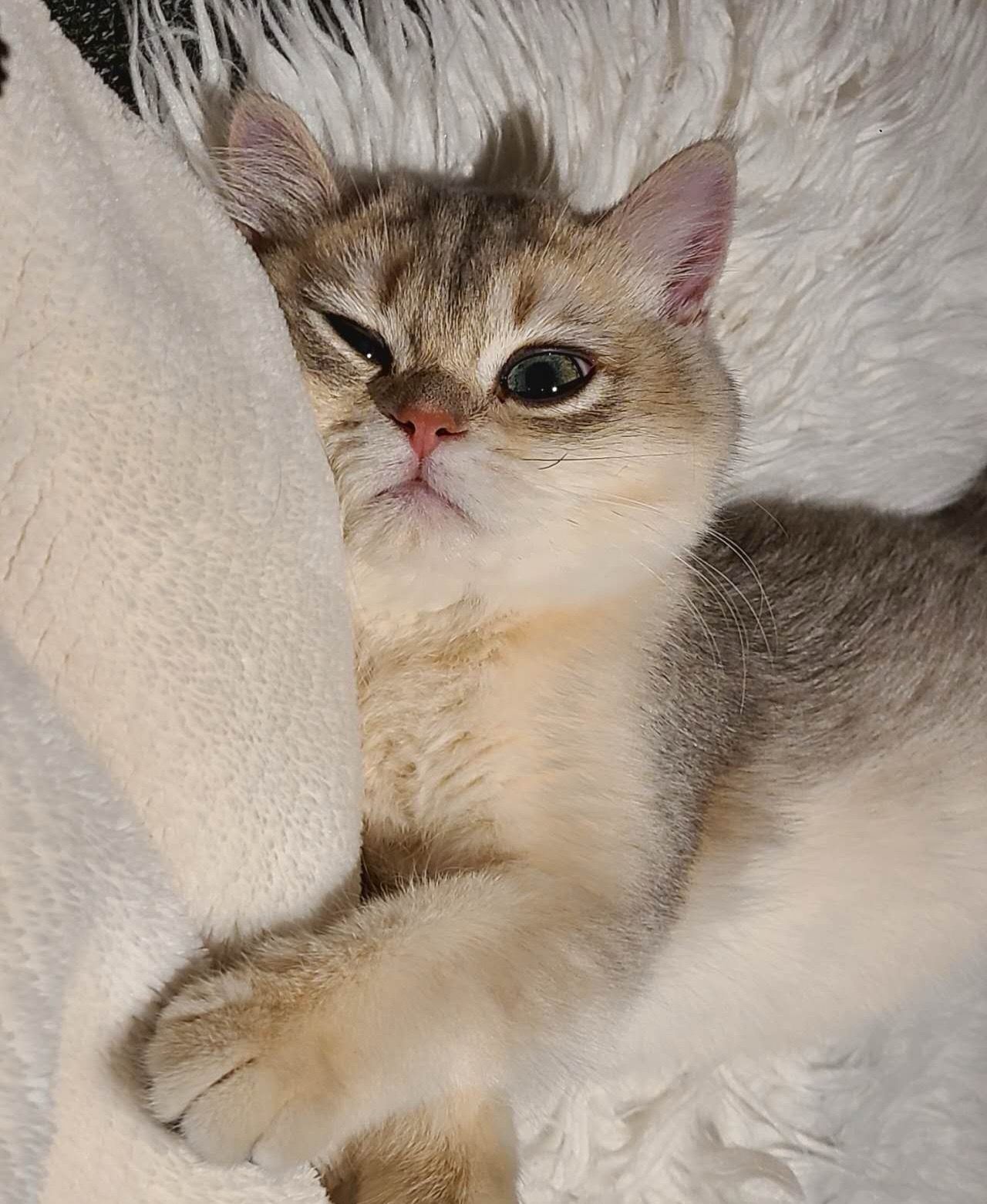
Bathing Cats: Do They Really Need It?
From:
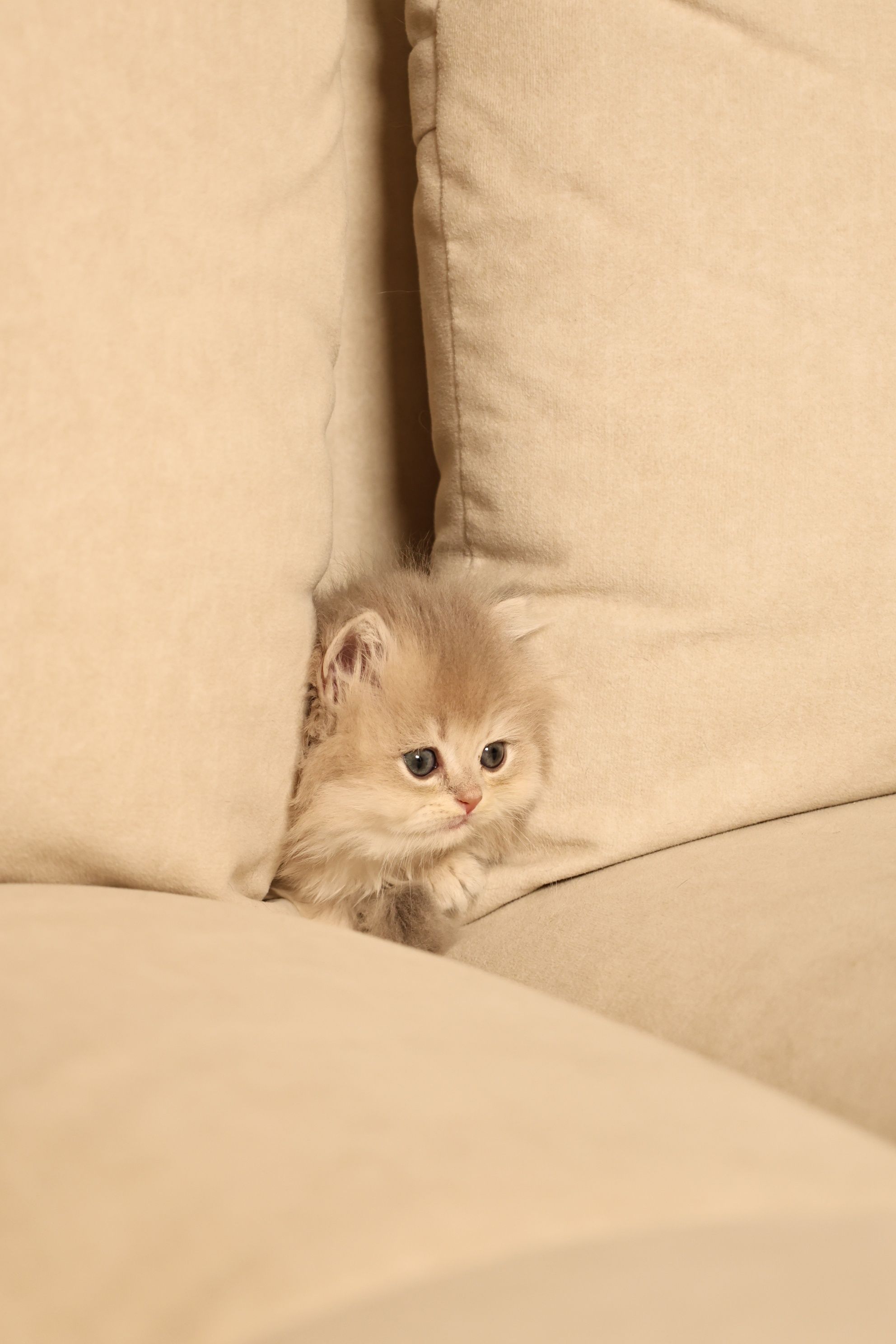
Cats are generally excellent self-groomers. Their tongue, paws, and behavior keep them surprisingly clean. However, that doesn’t mean never bathing; under certain conditions, a bath isn’t just helpful, it’s necessary.
Here’s why knowing when to bathe, how to do it safely, and what breeds may need extra care makes all the difference for your cat’s comfort and health
When Is a Bath Really Needed?
Here are common reasons you should consider bathing your cat:
- Substances they can’t clean off themselves: If your cat gets into something like grease, paint, sticky stuff, or even a chemical they might lick off, a bath is necessary.
- Health or mobility issues: Older cats, overweight cats, or those with arthritis might be unable to reach certain areas. Arthritic or overweight cats with difficulty grooming need occasional baths to remove loose hair and objectionable odors.
- Skin conditions: If your vet prescribes a medicated shampoo for allergies, fungal infections, fleas, or other dermatologic issues, regular baths may be part of treatment.
- Long-haired breeds and coat problems: British Longhairs and similar fluffy cats can get dirt, debris, mats, or knots, especially in hard-to-reach zones like under armpits and behind ears. Occasional bathing can help when grooming alone isn’t enough.
Risks of Bathing Too Often
Bathing more than necessary can cause trouble:
- Stripping natural oils from skin and fur, causing dryness and irritation.
- Stress to your cat: many cats dislike being wet, loud noises (blow-dryers), or slippery surfaces.
- Risk of mats becoming worse if the coat isn’t fully dry or brushed properly afterwards.
How to Bathe a Cat Safely
If you decide a bath is needed, here are the best practices:
- Brush first: Especially for British Longhairs cat in Canada, remove mats and tangles before wetting the coat.
- Use cat-specific, mild shampoo: Human or dog shampoos are often too harsh. Similarly, medicated shampoos must only be used under vet advice.
- Warm water, secure footing: Lukewarm water, non-slip mat, a calm environment. Avoid the face; wash it separately with a damp cloth.
- Dry thoroughly: Towels first, then, if acceptable to your cat, low-heat dryer; ensure fully dry to avoid skin issues or mildew smell.
Breed-Specific Tips
- For British Longhairs: Their coat is dense, lush, with a heavy undercoat. Regular brushing (several times a week) is essential. Bathing only when grooming and brushing can’t keep up. Use lightweight and detangling tools. If mats form, deal with them before they worsen. Bathing after detangling helps, not before.
Expert Care and the Right Start
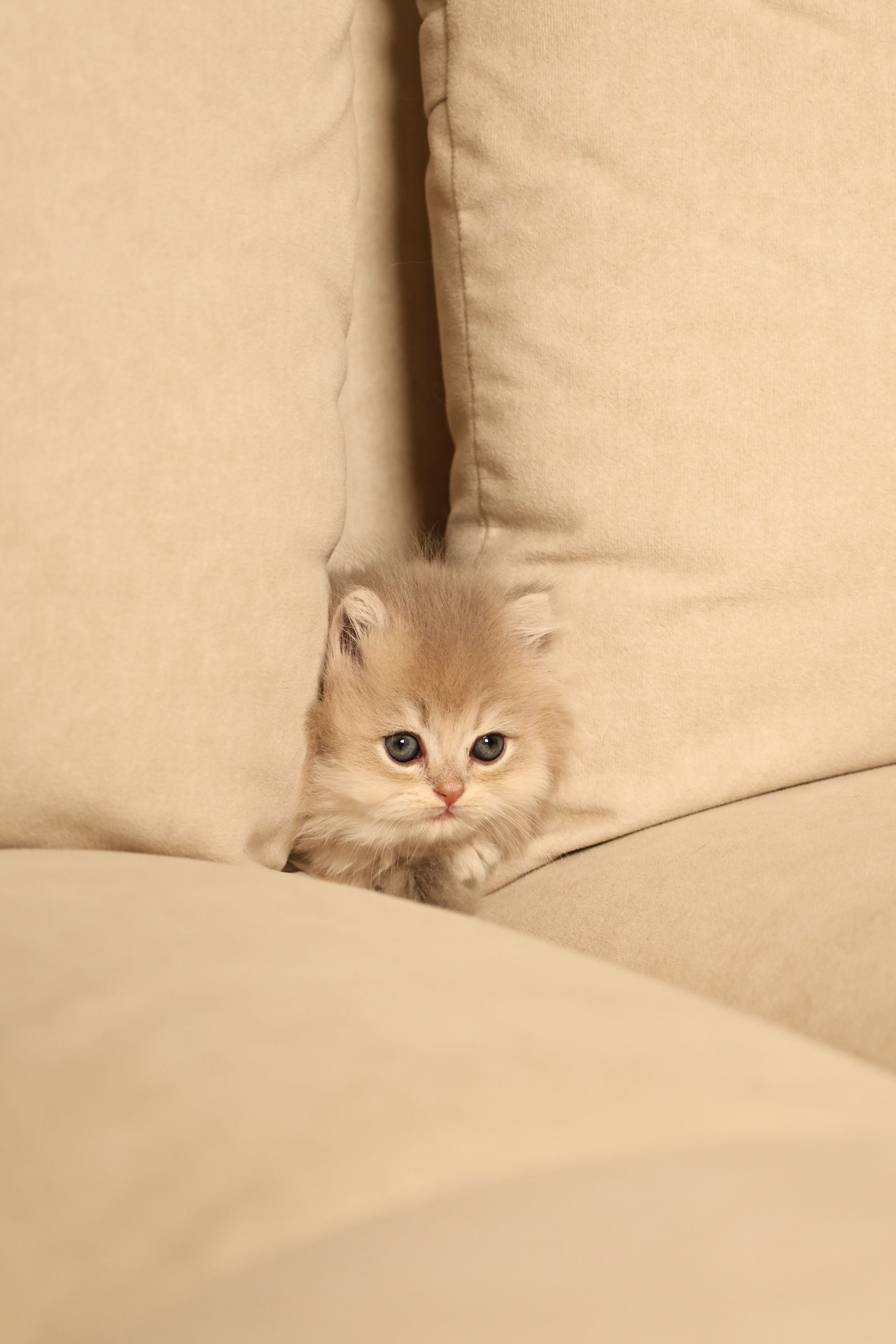
While most cats rarely need baths, certain breeds like British Longhairs benefit from occasional grooming support. Understanding when bathing is truly necessary helps prevent stress and ensures healthier coats. Starting these habits early makes the process smoother for both cats and their owners.
That’s where CatKing Cattery stands out as a trusted Toronto cat breeder. We specialize in raising British Shorthairs and British Longhairs with exceptional care, ensuring kittens are introduced to grooming routines from the beginning. Our expertise as one of the best cattery options in Canada means every kitten is handled gently, groomed regularly, and socialized for stress-free transitions into their new homes.
Choosing a cat breeder in Canada who prioritizes health and grooming can make all the difference. Contact CatKing Cattery today and give your future companion the royal care they deserve.
2025-10-01