Behavioural Changes That Could Indicate Health Issues
From: Catking Cattery
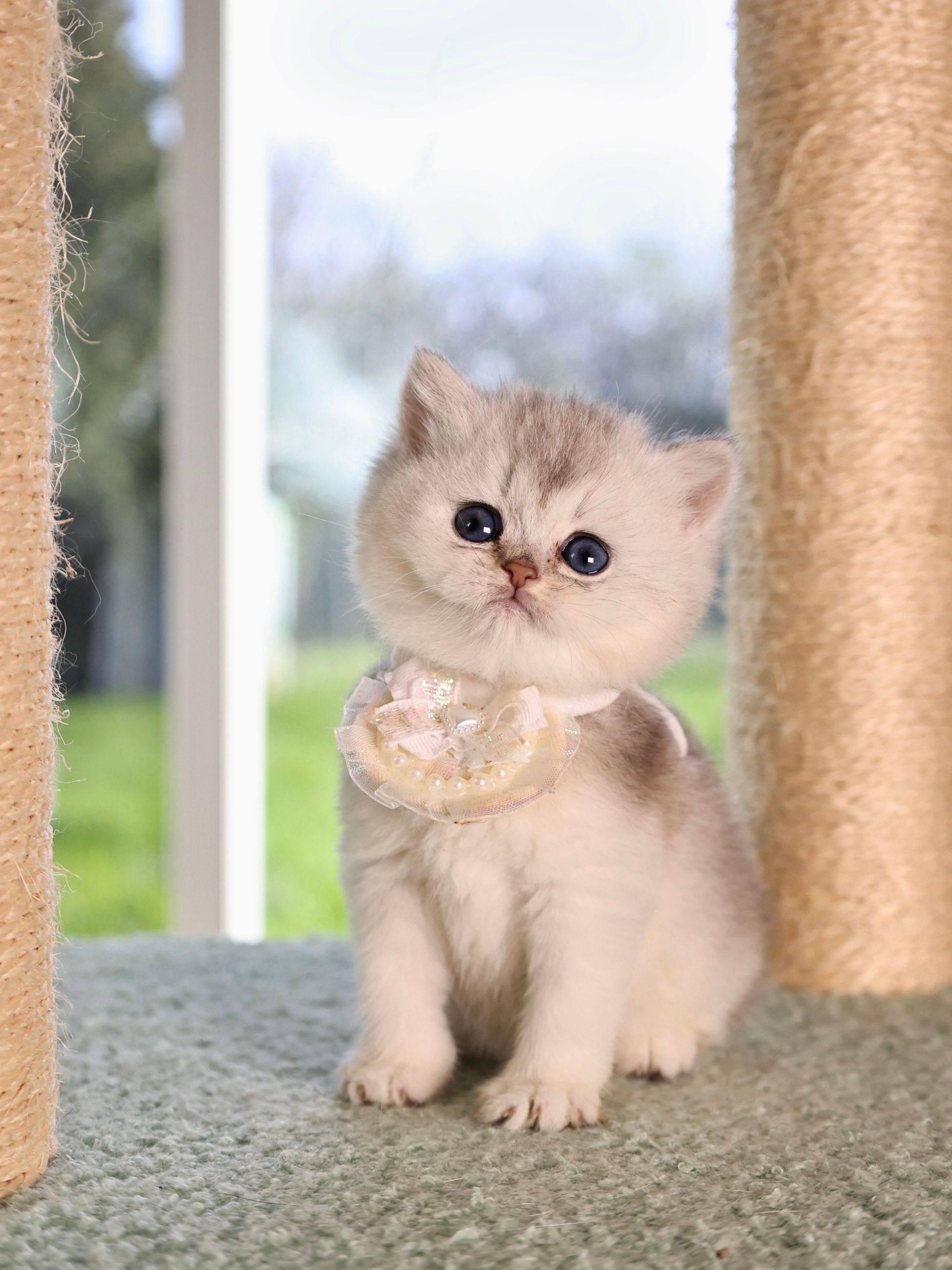
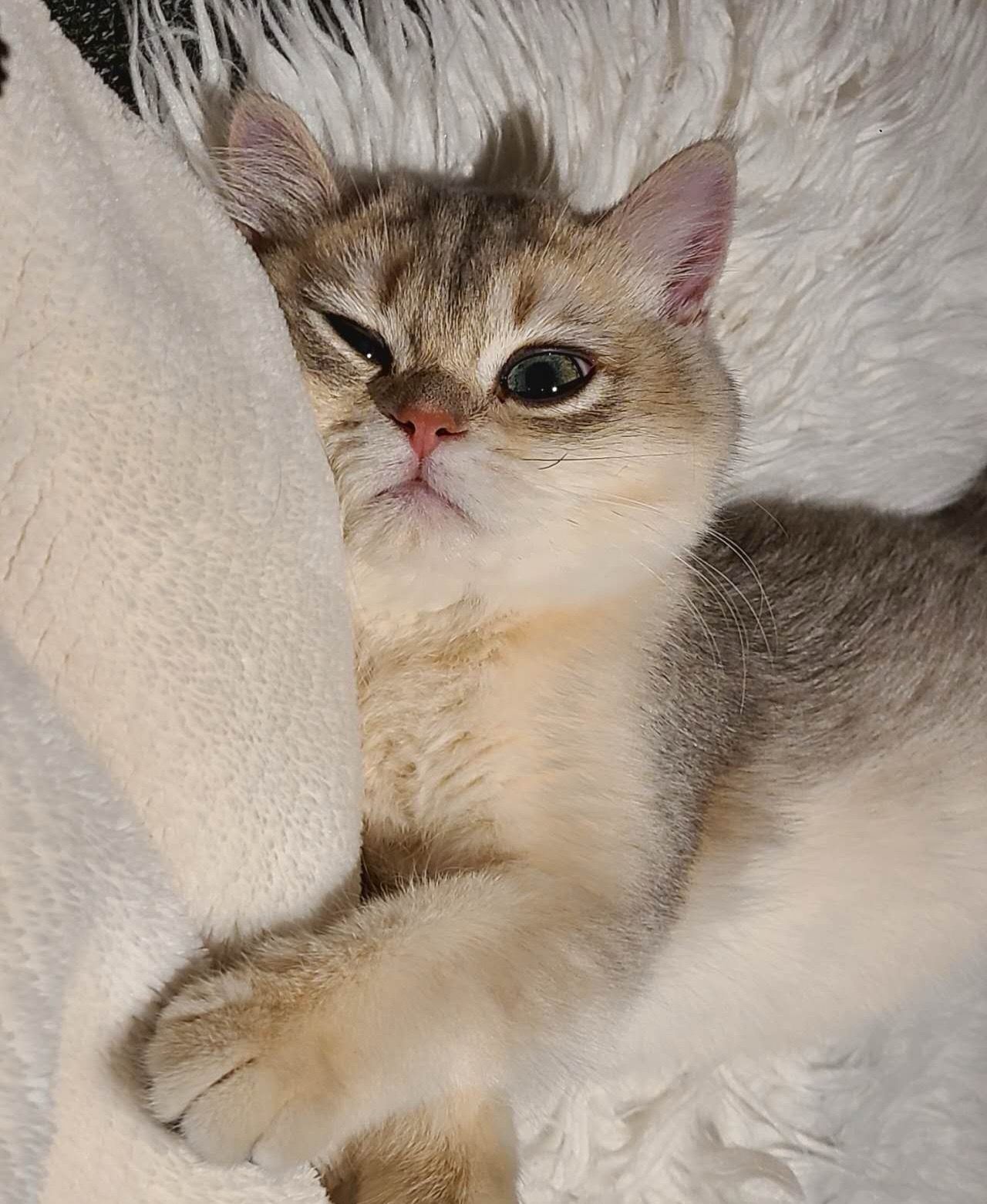
Cats have a language of their own. They rarely “complain” in obvious ways, so much of their well-being is reflected in how they act. A cat that once greeted you at the door but now hides under the bed, or one that suddenly starts avoiding the litter box, isn’t just being moody.
These behavioural changes in British Shorthair cats, or any breed, may be the first signal of an underlying health problem. Here’s why recognizing those subtle shifts early can make all the difference between quick treatment and long-term complications.
Why Behaviour Is Often the First Clue
Unlike dogs, cats are experts at masking pain or discomfort. This instinct comes from their survival-driven ancestry, showing that weakness could make them vulnerable. Studies find that many cats with chronic illness showed behaviour shifts weeks before any physical symptoms were noticed. Owners who pick up on these early cues often catch health issues before they escalate.
Common Behavioural Changes That Should Raise Concern
Sudden Aggression or Irritability
A gentle, affectionate cat that becomes snappy or withdrawn may not simply be in a bad mood. According to research, aggression in cats is often linked to hidden pain, such as dental disease, arthritis, or internal discomfort. For example, a British Shorthair with aching joints may swat when touched instead of seeking cuddles.
Withdrawal and Hiding
Cats naturally enjoy private spaces, but prolonged isolation can indicate illness. Feline depression and stress are often tied to underlying physical issues, including thyroid disease or kidney problems. If your cat suddenly avoids social interaction, it’s time to investigate further.
Changes in Appetite
Skipping meals or eating excessively both warrant concern. Weight loss paired with poor appetite could indicate diabetes, while overeating may point to hyperthyroidism. If you’ve just welcomed a kitten, tracking feeding behaviour helps establish a healthy baseline.
Litter Box Avoidance
Cats are naturally clean animals. If your British Shorthair avoids the litter box, it could signal urinary tract infections, kidney disease, or digestive problems.

When to Seek Veterinary Advice
It can be tempting to dismiss changes as quirks, but consistency matters. A cat that shows a new behaviour for more than a few days should be evaluated. Veterinary professionals recommend annual exams at a minimum, though senior cats or those with known conditions may need more frequent visits.
For new pet parents, a baseline vet check is crucial. It not only establishes trust between your cat and the vet but also helps owners learn what normal behaviour looks like for their companion.
The Role of Breeders
Reputable breeders can set the stage for lifelong health. For example, choosing from cat breeders in Canada who provide thorough health screenings ensures kittens start life with fewer risks. Similarly, shelters across the country emphasize vetting before placement, so when you’re dealing with a reputable cat breeder, you’re stepping into a process designed to protect feline health.
Genetics, Lifestyle, and Behaviour
Some behaviours stem not just from illness but from genetics. British Shorthairs, for example, are known for calm, affectionate personalities. A marked shift from that baseline can be especially telling. This is why experts recommend learning your breed’s “typical” traits.
Lifestyle also plays a role. Cats raised in a structured cattery environment may adapt differently from cats from rescues. Still, across all backgrounds, sudden changes in mood, appetite, or activity deserve attention.
Supporting a Healthy Life at Home
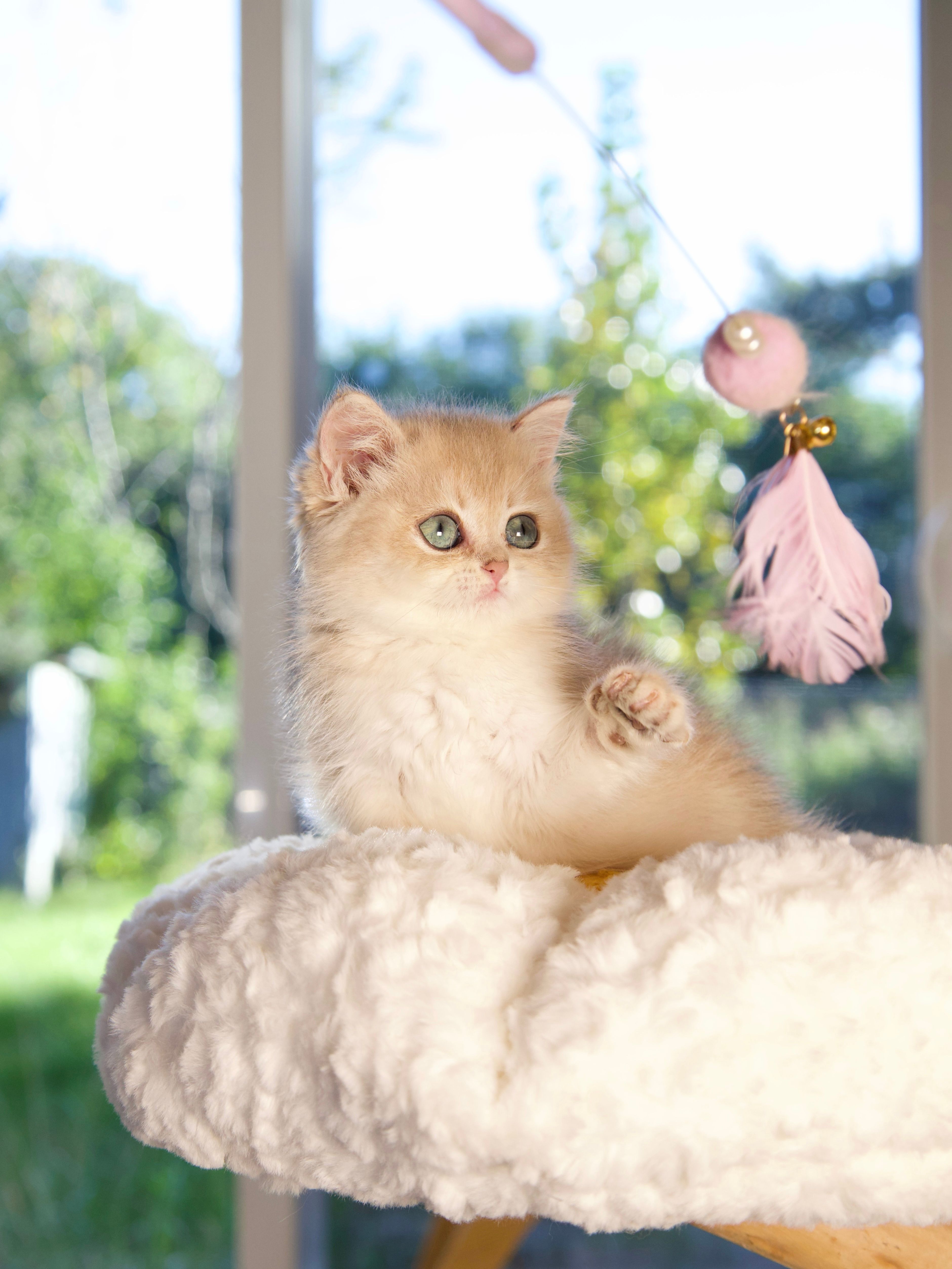
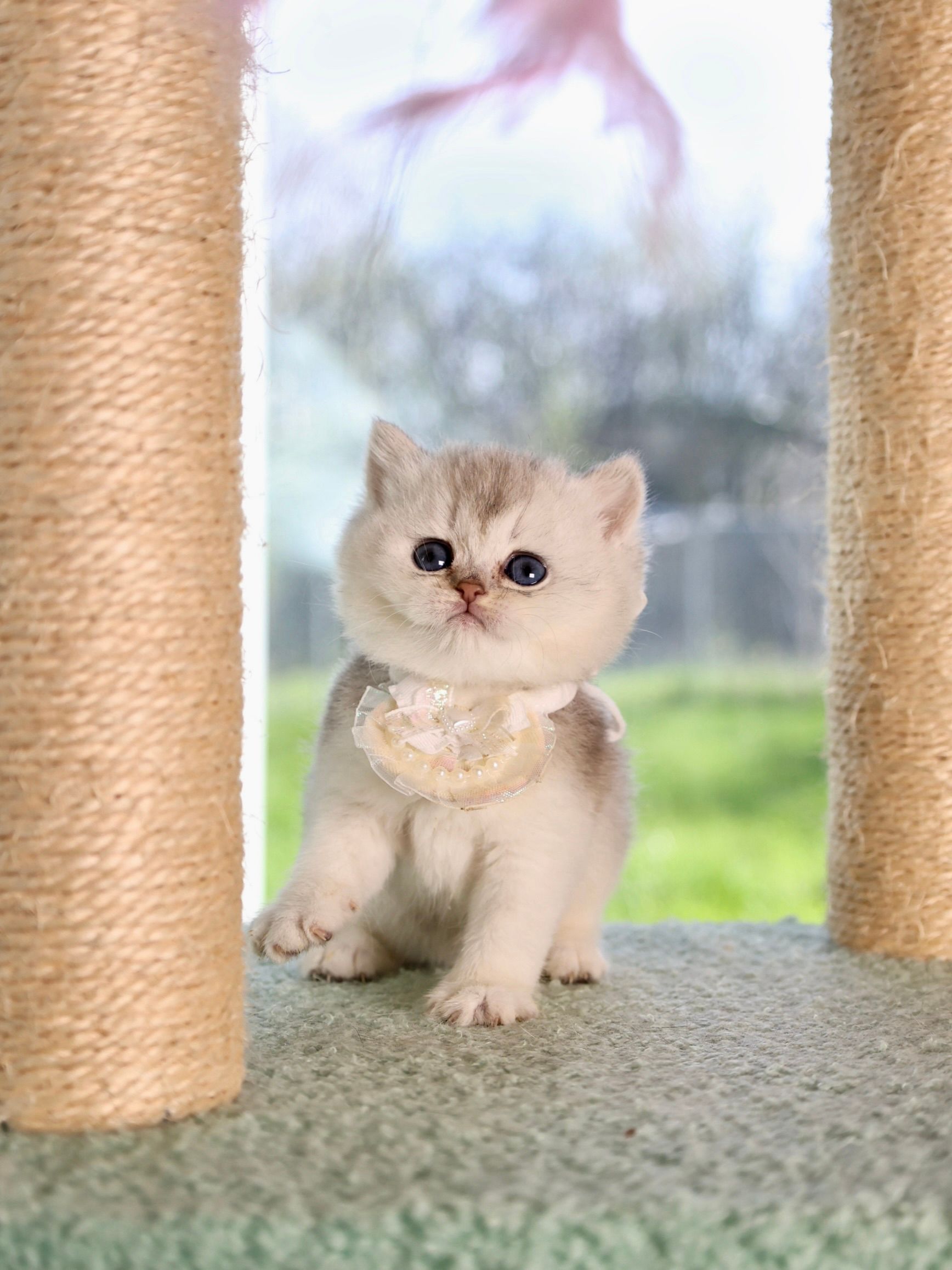
While regular vet care is essential, owners can also create environments that minimize stress and help track changes. Consistent feeding schedules, enriching toys, scratching posts, and quiet resting areas all contribute to overall well-being. Cats thrive on routine, so noticing disruptions to that routine is often the first step toward intervention.
For those exploring options for a British Shorthair kitten for sale, starting these routines early is invaluable. The sooner a kitten learns safe habits and gains its owner's attention, the easier it is to detect shifts later in life.
Every weird hiss, sudden hiding, refusal to eat; these aren’t just quirks. They might be your cat’s way of signalling discomfort, pain, or illness. Paying attention now, responding with care, and acting early can protect your feline’s quality of life in ways that go well beyond just treating symptoms.
That’s exactly what CatKing Cattery does differently. Ranked among the best cat breeders in Canada, we breed British Shorthair cats under rigorous health-screening protocols. Before any kitten leaves their home, it undergoes a thorough veterinary examination and health screenings to filter out genetic disorders or hidden health problems.
Our kittens are raised in a nurturing, legally registered facility, with socialization that helps them develop stable, loving temperaments, so unusual behavioural changes are less likely to emerge suddenly.
If you’ve noticed shifts in mood, appetite, grooming, or social behaviour, don’t wait. Reach out to us to see how our health guarantees and after-sales support can give you confidence in both kitten temperament and well-being. Contact Catking Cattery now and learn how we partner with new pet parents in spotting health concerns early.
2025-10-13