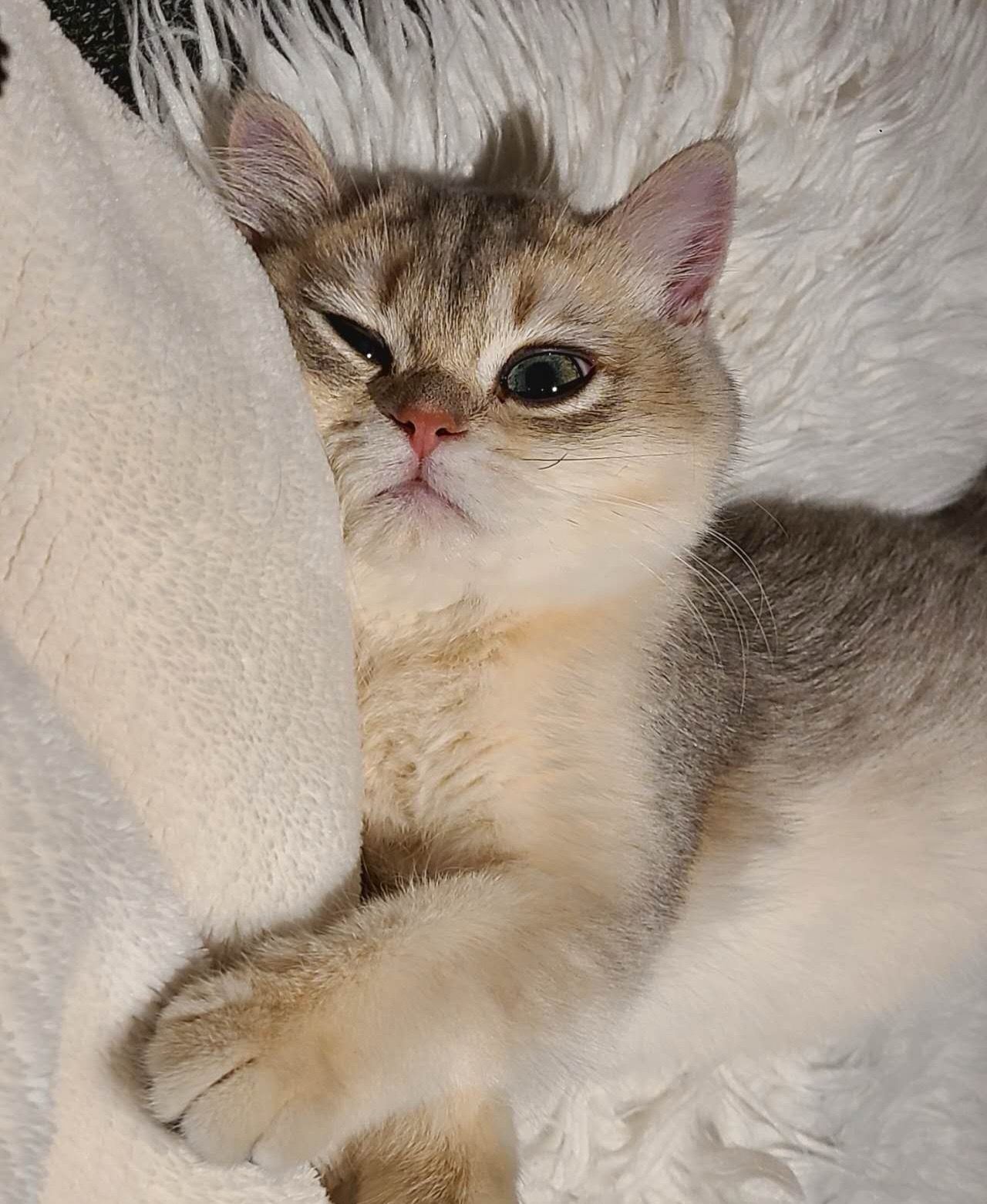
British Cat Behavior: Understanding Common Habits and Body Language
From: Catking Cattery

Understanding British Cat behavior can help owners build stronger relationships with their companions. Cats communicate through sounds, movements, posture, and everyday habits. While every cat has an individual personality, learning what common behaviors may mean can make it easier to recognize comfort, curiosity, stress, or a desire for attention.
Kneading and Purring
Kneading happens when a cat rhythmically presses its paws against a soft surface, such as a blanket or your lap. This behavior often begins during kittenhood while nursing and may continue into adulthood. A relaxed cat may knead when settling down or receiving affection.
Purring is commonly associated with contentment, particularly when accompanied by relaxed muscles and a comfortable posture. However, cats may also purr when anxious, uncomfortable, or seeking reassurance. Looking at the surrounding behavior provides better context.
Hiding and Seeking Quiet
Occasional hiding is normal, especially after moving to a new home, meeting unfamiliar people, or hearing unusual sounds. A quiet hiding place can give a cat a sense of security.
If hiding becomes frequent or is accompanied by changes in appetite, litter habits, energy, or social behavior, consider speaking with a veterinarian. Sudden behavioral changes can sometimes signal illness or stress.
Vocalizing
British cats may communicate through meows, chirps, trills, or other sounds. Some cats are naturally more vocal than others. A meow might mean your cat wants food, attention, play, or access to another room.
Pay attention to changes in vocal patterns. A sudden increase in unusual vocalizing may indicate discomfort, confusion, or another concern that deserves attention.

Scratching
Scratching is normal feline behavior. It helps cats stretch, maintain their claws, mark territory, and release energy. Provide sturdy scratching posts in areas your cat regularly uses. Reward appropriate scratching rather than punishing unwanted behavior.
Reading Tail Movements
A cat’s tail can provide useful clues. A relaxed tail often accompanies a comfortable mood, while rapid swishing may signal irritation or overstimulation. A puffed tail can indicate fear or alarm. A gently raised tail may appear when a cat feels confident and friendly.
Always consider the entire body rather than relying on the tail alone. Ear position, eyes, posture, and vocalizations can provide additional context.
Get Ready for Life With a British Cat
Learning feline body language takes patience, observation, and familiarity with your individual cat. Whether you are researching British Shorthair or Longhair kittens or top cat breeders in Syracuse, understanding behavior can help you prepare for a rewarding relationship.
For guidance when choosing your next British kitten, reach out to CatKing Cattery and take the first step toward welcoming a companion whose personality fits your home.
Contact us today.
2026-08-31