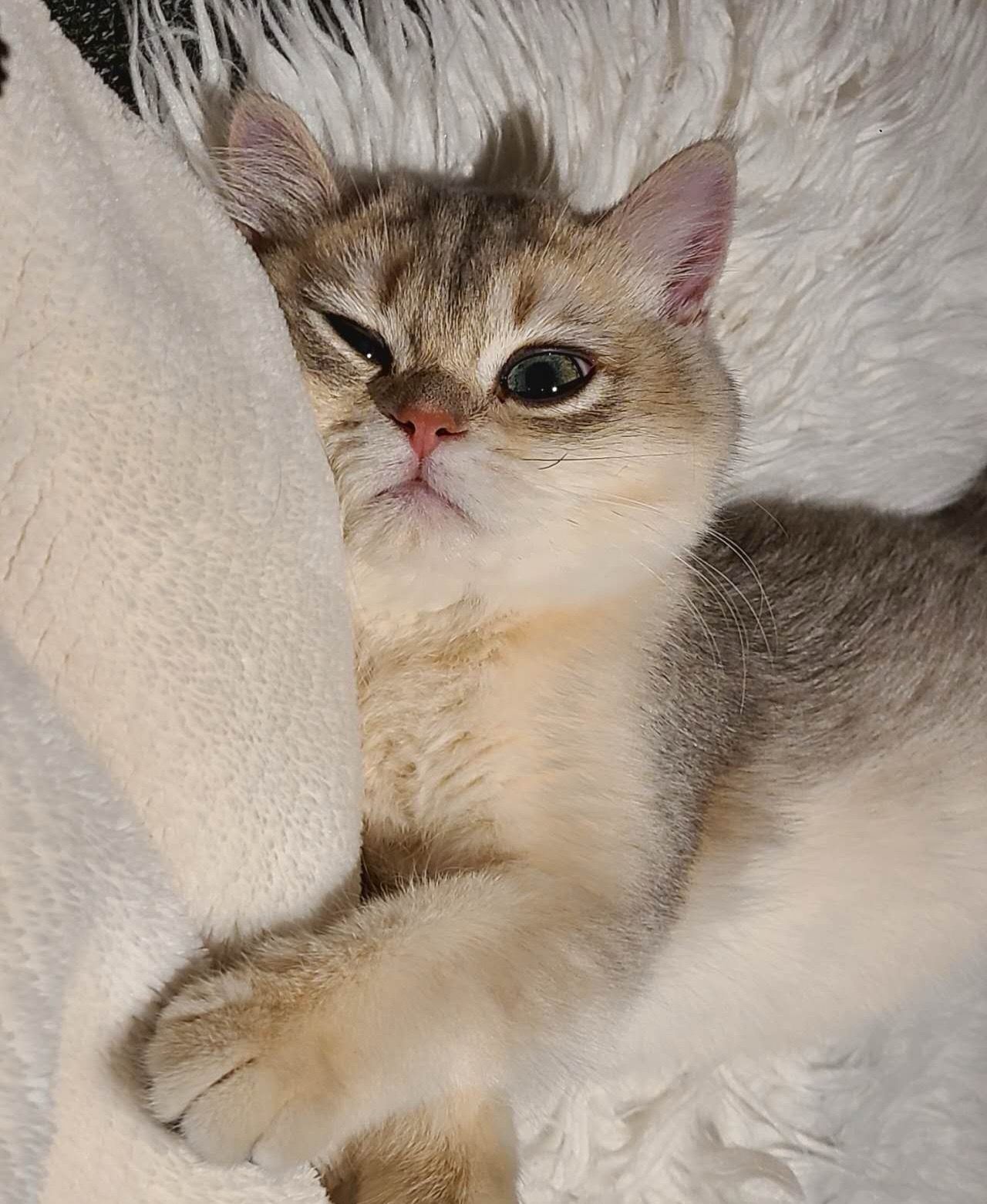
British Shorthair vs. British Longhair: Which Personality Fits Your Lifestyle?
From: Catking Cattery

Choosing a cat isn’t just about appearance. Personality, grooming needs, and lifestyle compatibility matter just as much as those adorable faces. Two closely related breeds, the British Shorthair and the British Longhair, often attract the same type of cat lover.
They share ancestry, similar body structures, and that unmistakable teddy-bear charm. Yet their personalities, maintenance needs, and daily routines can differ in ways that matter for potential owners.
For anyone comparing British Shorthair and British Longhair, understanding temperament, shedding, and grooming commitment can make the difference between a perfect match and a stressful household. Below is a practical guide to help you decide which breed fits your lifestyle best.
Origins: Two Breeds, One Family
The British Longhair actually developed from the British Shorthair when breeders introduced Persian cats into British Shorthair lines to rebuild the population. Some kittens inherited longer coats, eventually leading to the development of the British Longhair as a distinct breed.
Both breeds share the same sturdy body structure, round face, and calm demeanor. However, their coat length and some behavioral tendencies can influence how they fit into different homes.

Temperament: Calm Companion vs. Soft Socialite
British Shorthair Personality
British Shorthairs are widely known for their relaxed, independent temperament. They are affectionate but rarely clingy. Many owners describe them as cats that enjoy companionship while still valuing their personal space.
British Shorthairs tend to display lower activity levels and reduced attention-seeking behaviors compared with more social breeds. This explains why they’re often described as calm observers rather than constant lap cats.
This personality makes them well-suited to:
- Busy households
- Apartment living
- Owners who prefer a quieter cat
British Longhair Personality
British Longhairs tend to share the calm nature of their shorthaired cousins, but many breeders note slightly higher sociability and playfulness. This difference likely comes from Persian ancestry, which contributed both the long coat and a softer, more affectionate temperament.
In practice, this means British Longhairs may:
- Seek more physical affection
- Enjoy interactive play slightly more
- Spend more time near their owners
For households wanting a cat that feels more emotionally present while remaining calm, the British Longhair can be a strong choice.
Grooming Commitment: A Major Difference
The most noticeable difference between these breeds is coat maintenance.
British Shorthair Grooming Needs
Despite the short coat, British Shorthairs have extremely dense fur. Their plush double coat sheds regularly and requires routine brushing. Experts recommend brushing once a week during normal periods and increasing to 2–3 times weekly during seasonal shedding.
British Longhair Grooming Needs
The British Longhair’s coat dramatically changes the grooming equation. Because the fur is longer and softer, it is far more prone to:
- Matting
- Tangles
- Hair accumulation
Owners usually need to brush their British Longhair several times per week, sometimes daily during shedding seasons. Both shorthaired and longhaired cats spend similar amounts of time self-grooming, meaning coat length does not reduce the need for human brushing assistance. In other words, long coats require more external care regardless of how much the cat grooms itself.
People considering this breed often look for guidance from experienced cat breeders to understand long-term coat maintenance.

Shedding and Cleaning: What to Expect
Shedding is inevitable with both breeds, but the type of hair and cleaning effort can differ.
British Shorthair Shedding
Because their coats are dense and plush, British Shorthairs shed moderately year-round with heavier seasonal periods. However, the shorter hair is usually easier to vacuum and less likely to form visible clumps around the house. This makes the breed appealing to urban households where space may be limited.
British Longhair Shedding
British Longhairs shed less frequently in terms of loose strands but produce longer hair that tends to accumulate more visibly. Because the fur is longer, it:
- Sticks more easily to furniture
- Forms hairballs more frequently
- Requires more regular brushing
For owners who don’t mind extra grooming but want a luxurious coat, the trade-off can still be worthwhile.
Household Compatibility
Both breeds are known for their gentle and adaptable personalities, but certain lifestyles suit each one slightly better.
British Shorthair Households
This breed tends to thrive in homes that appreciate calm companionship. They are generally:
- Quiet
- Independent
- Good with children
- Comfortable alone for moderate periods
British Longhair Households
British Longhairs may be a better match for owners who want more interaction and don’t mind grooming sessions. They often do well in homes where:
- Someone is present frequently
- Grooming can be part of a routine
- Owners enjoy bonding through brushing and care

Choosing between two wonderful breeds ultimately comes down to how their personality and care needs fit your daily routine. When comparing British Shorthair and British Longhair, both offer calm temperaments, affectionate companionship, and that iconic teddy-bear charm.
Once you’ve decided which personality suits your home best, the next step is finding a responsible breeder that prioritizes health, temperament, and ethical breeding practices. This is where CatKing Cattery stands out. As a TICA and CFA registered cattery, we focus on raising healthy, well-socialized British Shorthair and Longhair kittens that meet international breed standards.
Ready to find your perfect feline companion? Contact us today and reserve a kitten that matches your lifestyle.
2026-04-21