Common Health Concerns in British Shorthair Cats: Signs Owners Should Know
From: Catking Cattery
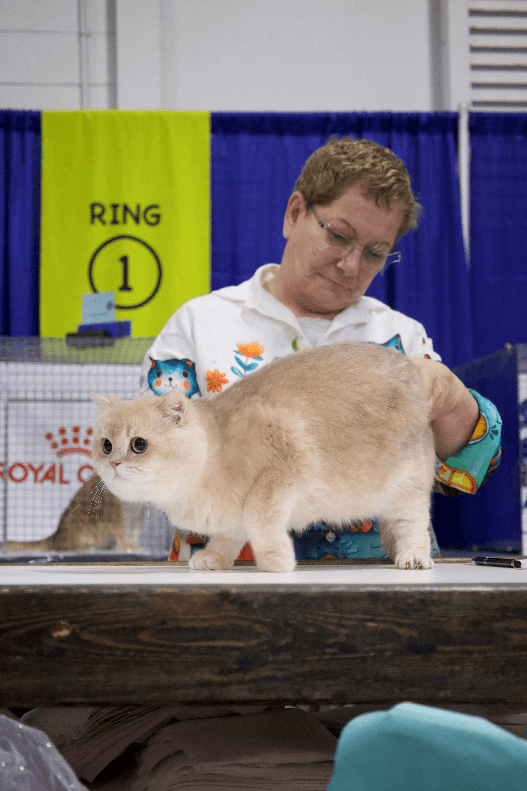
Most British Shorthairs are sturdy, easygoing cats, so reading about inherited health conditions can feel unsettling. Knowing what to look for is not about expecting the worst; it helps you tell a risk that exists on paper from a change in your own cat that deserves a call to the vet.
Understanding British Shorthair Health Problems
British Shorthair health problems are best understood as possibilities, not promises. A breed-associated risk means some cats in the breed are more likely to develop a condition. A diagnosis only comes from a veterinarian after examination and testing.
Hypertrophic Cardiomyopathy: A Heart Condition to Know
Hypertrophic cardiomyopathy (HCM) is a disease in which the heart muscle thickens and struggles to work efficiently. It is the most common heart disease in cats, and British Shorthairs are one of the breeds vets keep an eye on for it.
Many cats show no obvious signs early on, which is why regular checkups matter. When symptoms appear, they can include rapid or laboured breathing, lethargy and weakness. Breathing difficulty, collapse or sudden hind-leg weakness or paralysis is an emergency, so contact a veterinarian immediately.
Polycystic Kidney Disease and Its Warning Signs
Polycystic kidney disease (PKD) is an inherited condition in which fluid-filled cysts form in the kidneys and may grow over time. It is best known in Persians and related breeds, but can appear in British Shorthairs too. Cats can seem healthy for years before kidney function is affected. Possible signs can include:
- Increased thirst and frequent urination.
- Reduced appetite and unexplained weight loss.
- Vomiting and unusual lethargy.
Everyday Health Monitoring and Preventive Veterinary Care
Small changes in your cat's daily routine can sometimes reveal that something is wrong. Keep an eye on:
- Appetite and weight: Notice changes in eating habits or unexplained weight gain or loss.
- Water intake and litter habits: Watch for increased thirst or more frequent urination.
- Energy and behaviour: Pay attention to unusual tiredness, weakness or changes in activity.
- Breathing: Notice rapid or laboured breathing, particularly while resting.
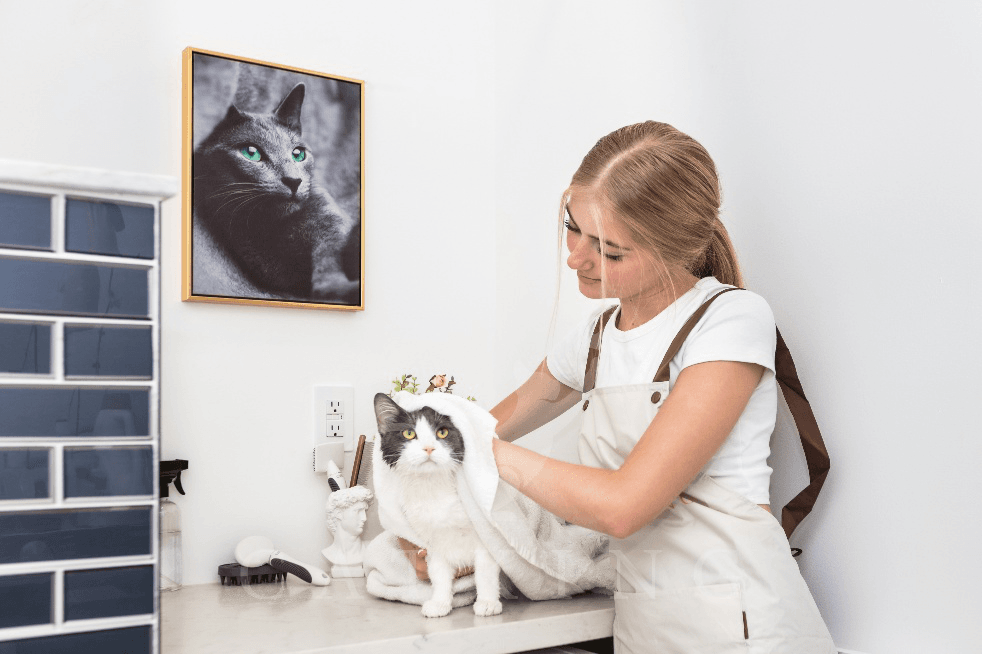
Annual checkups, vaccinations and a healthy weight all support long-term well-being, since British Shorthairs can gain weight easily. Whether you are welcoming a kitten in the US or Canada, we recommend working with a local veterinarian who can advise which health screenings are appropriate for your cat.
Why Responsible Breeding and Health Records Matter
Responsible breeding cannot remove every risk, but it can reduce avoidable ones. At CatKing Cattery, both breeding parents undergo genetic testing, and kittens receive a veterinary examination, vaccinations and deworming. Learn more about our practices on our breeding page.
Our health guarantee outlines lifelong protection against breed-related genetic diseases and two-year HCM-related protection, along with ongoing guidance for our kitten owners. Although our cattery is based in Toronto, Canada, we also arrange delivery for families across the US, making it possible for those searching for British Shorthair kittens for sale in Buffalo or looking to buy British Shorthair cats in Pennsylvania to welcome a kitten from our cattery.
Considering a British Shorthair Kitten?
If you’re considering welcoming a British Shorthair kitten into your family, we invite you to explore our available kittens. Whether you’re looking to buy British Shorthair kittens in NYC or Rochester, our Toronto-based team is happy to answer your questions about kitten availability, health commitments and delivery arrangements across the US. Contact our team through our contact page to learn more about our kittens and reservation process.
2026-11-18


