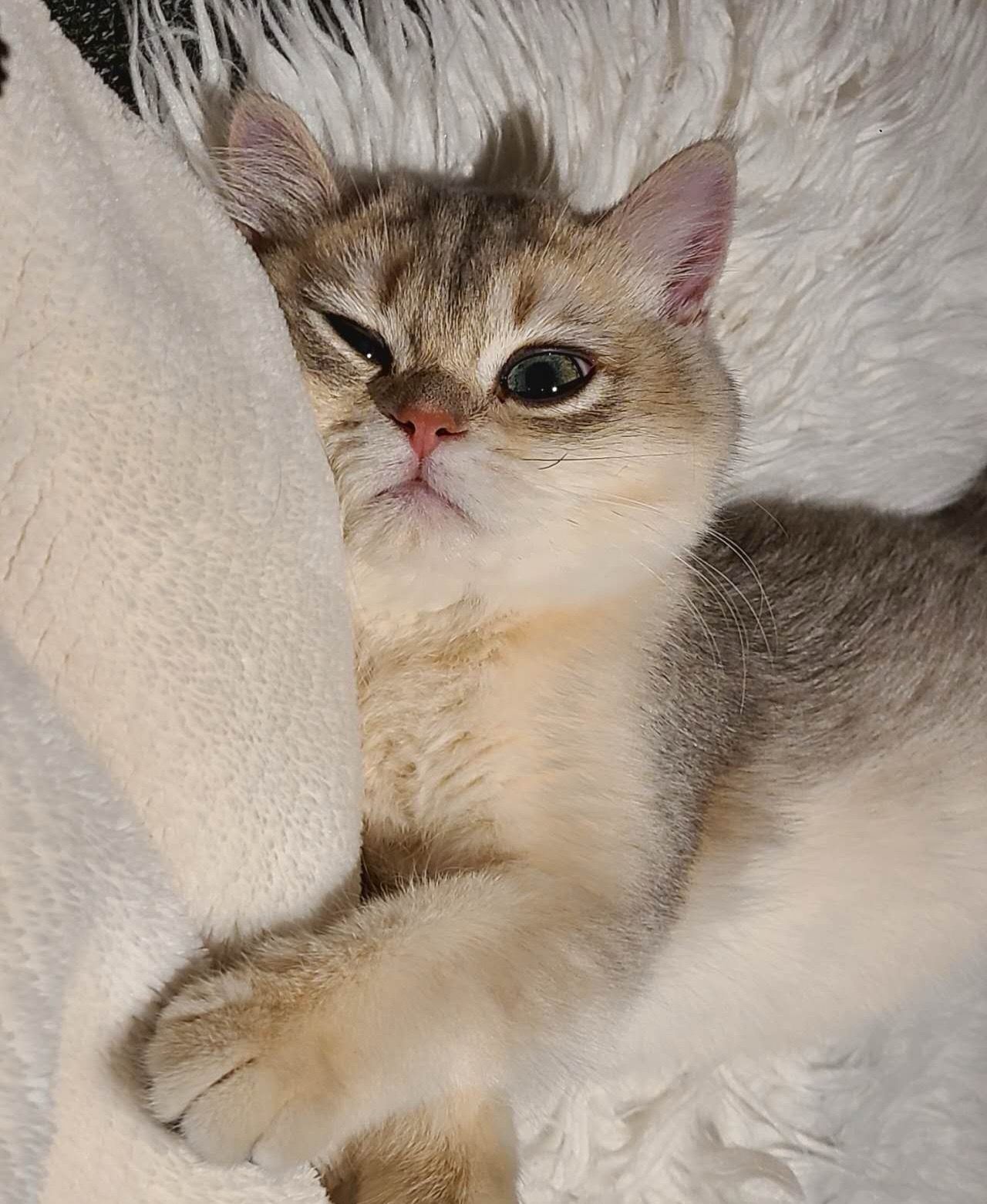
Do British Cats Get Lonely? Understanding Their Independence
From: Catking Cattery

British cats in Pennsylvania are often admired for their calm, composed, and self-sufficient nature. Whether you’re referring to the British Shorthair or British Longhair, these breeds have a reputation for being independent companions who enjoy affection on their own terms. But this often leads to an important question for future owners: Do British cats get lonely?
The answer is not as simple as yes or no. While British cats are naturally independent, they are still social animals capable of forming deep emotional bonds with their humans. Understanding British cats’ independence helps owners strike the right balance between giving space and providing companionship.
This blog explores their emotional needs, daily behaviour, and how they interact with humans, so you can better understand whether a British cat fits your lifestyle.
The Nature of British Cats’ Independence
One of the most defining traits of British cats is their calm, low-demand personality. Unlike highly energetic or attention-seeking breeds, British cats are comfortable spending time alone. They are not typically clingy, nor do they require constant interaction to feel secure.
This independence is rooted in their temperament. They tend to be observant, patient, and emotionally balanced. Rather than demanding attention, they often prefer to stay close by quietly, observing household activity without always participating in it.
This makes them ideal for people who work full-time, live in apartments, or prefer a peaceful home environment. However, independence does not mean emotional detachment.
Do British Cats Actually Get Lonely?
Yes, British cats can experience loneliness, but not in the same way as highly social or needy breeds. Their independence allows them to tolerate alone time better than many other cats, but they still require emotional connection and stimulation. Loneliness in British cats usually appears when:
- They are left alone for extremely long periods without stimulation
- There is no interaction or playtime at all
- Their environment is too quiet or unstimulating
- They lack a consistent routine or human presence
Even though they are independent, British cats still form strong bonds with their owners. They may not always show it in obvious ways, but they often follow routines, wait for their humans, or quietly stay nearby. Their emotional attachment is subtle but meaningful.
How British Cats Show Affection
British cats are not overly expressive, which is why people sometimes misunderstand their emotional behaviour. They are unlikely to demand constant cuddles or attention, but they do show affection in quieter ways. Common signs of affection include:
- Sitting in the same room as you
- Sleeping nearby instead of alone
- Slow blinking when looking at you
- Gentle head bumps or rubbing
- Following you from room to room at a distance
- Relaxing in your presence
These behaviours reflect trust and comfort rather than dependence. Their way of bonding is calm and steady, aligning with their overall personality. Understanding this helps owners appreciate the depth of British cats’ independence without misinterpreting it as emotional distance.
Alone Time vs. Emotional Isolation
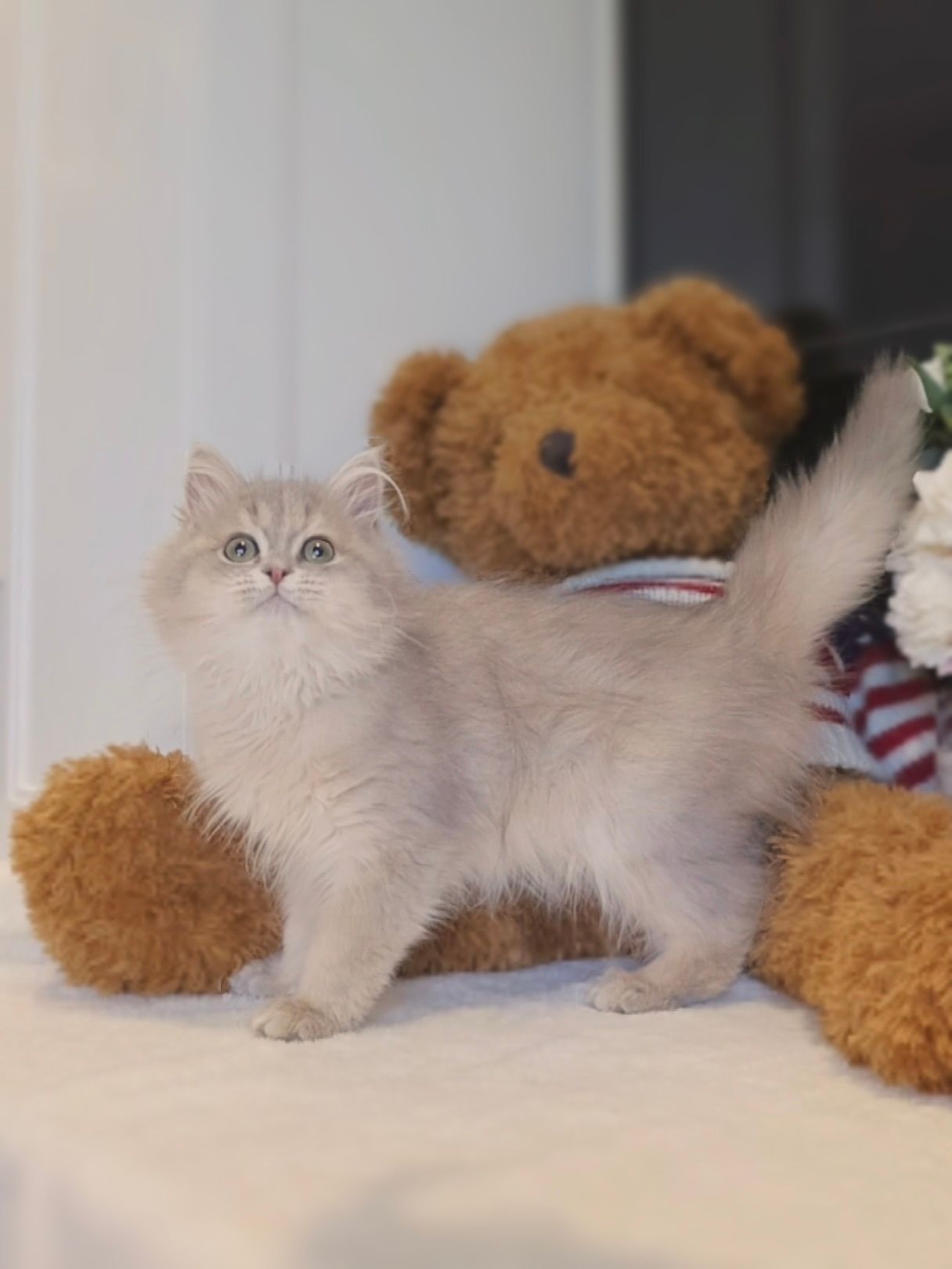
It’s important to differentiate between healthy independence and emotional isolation. British cats are perfectly capable of enjoying alone time. They may nap for hours, sit by a window, or quietly observe their surroundings. This is normal behaviour and part of their personality. However, emotional isolation occurs when a cat lacks stimulation or companionship entirely. Even independent cats need:
- Daily interaction with humans
- Mental stimulation through toys or puzzles
- A predictable routine
- A safe and enriched environment
Without these, British cats can become bored, which may lead to subtle behavioural changes such as withdrawal, overeating, or reduced activity levels. Their independence should always be supported, not ignored.
Do British Cats Need Other Pets?
Some owners consider getting another pet to prevent loneliness. While British cats can live with other animals, it is not always necessary. Many British cats are perfectly happy as the only pet in the household, especially if their owner provides regular interaction and stimulation. However, they can also coexist peacefully with other calm and respectful animals.
Compatibility depends more on personality than breed. A well-socialized British cat may enjoy company, while another may prefer being the only pet. The key is observing the individual cat rather than assuming all British cats behave the same way.
How Much Attention Do They Really Need?
British cats do not require constant attention, but they do benefit from consistent interaction. A healthy routine might include:
- Short play sessions once or twice a day
- Gentle petting or bonding time
- Talking or interacting while you go about daily tasks
- Providing toys or climbing spaces for independent play
They are not demanding, but they appreciate presence. Even sitting quietly in the same room can be enough to make them feel secure. Their emotional comfort often comes from knowing their human is nearby, even if direct interaction is minimal.
British Cats and Working Owners
One of the reasons British cats are so popular is their compatibility with busy lifestyles. Their independence makes them well-suited for people who work full-time or spend part of the day outside the home. They generally handle alone time better than many other breeds. However, this does not mean they should be left completely alone without enrichment.
Leaving toys, scratching posts, or safe climbing areas can help them stay mentally engaged. Some owners also use puzzle feeders or window perches to provide stimulation during the day. When owners return home, even a brief interaction can help maintain emotional balance.
Building a Strong Bond with a British Cat
Bonding with a British cat takes time and patience. They are not instantly affectionate with strangers, but once trust is established, they form deep and lasting connections. To build a strong bond:
- Respect their personal space
- Avoid forcing physical interaction
- Maintain a consistent routine
- Use gentle play to engage them
- Allow them to initiate affection
Over time, they begin to show more confidence and emotional openness.
If you are looking for a calm and well-socialized companion, CatKing Cattery specializes in understanding British cats’ independence and matching families with the right personality fit.
Whether you are considering buying British Shorthair kittens or learning more about affectionate yet independent companions, our reputable cat breeders in Pennsylvania ensure ethical breeding practices at every step. Contact us to reserve your kitten and experience the care, trust, and quality of licensed cat breeders.
2026-05-31