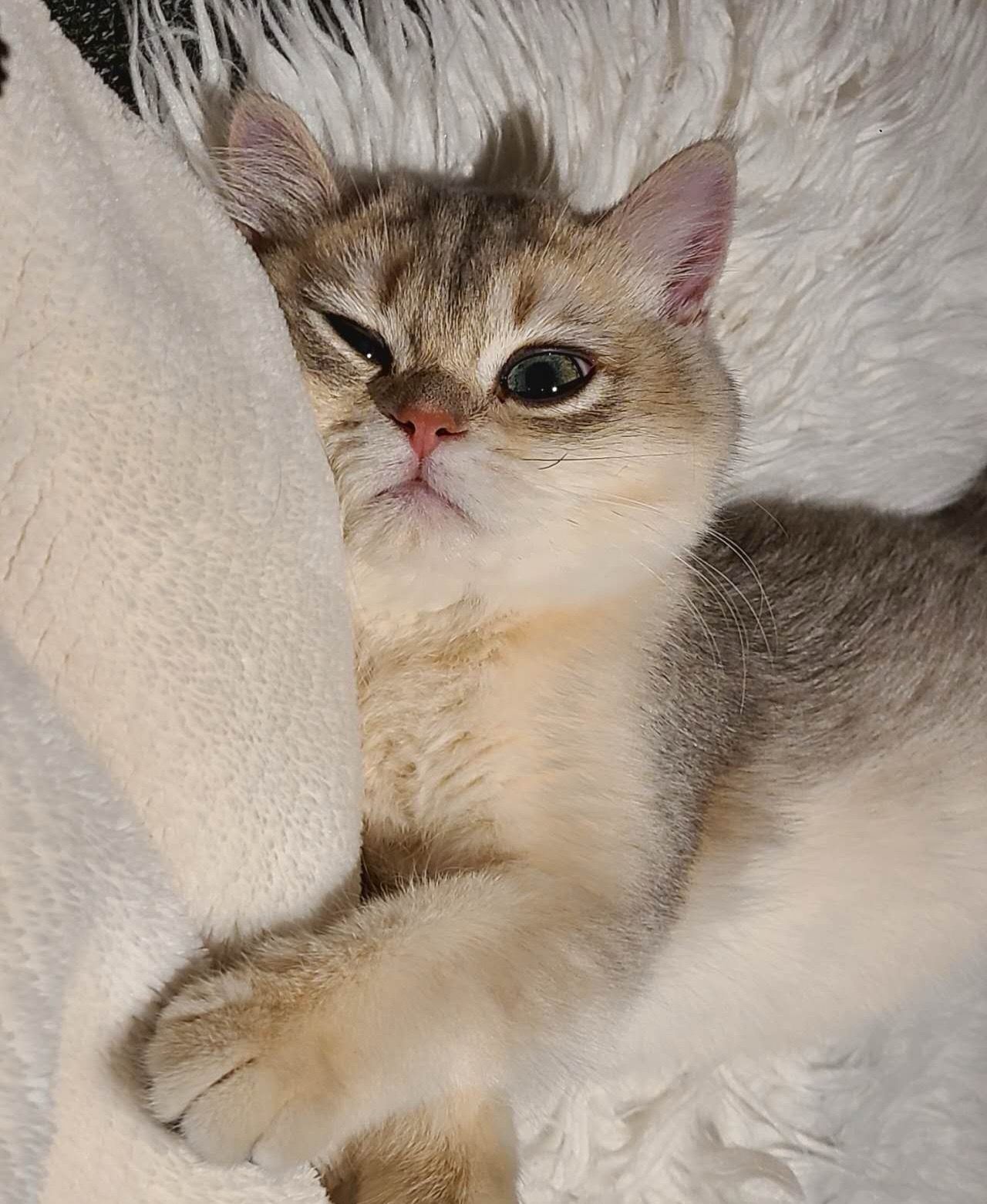
Indoor Living Done Right: Why British Longhair and Shorthair Cats Thrive Indoors
From: Catking Cattery
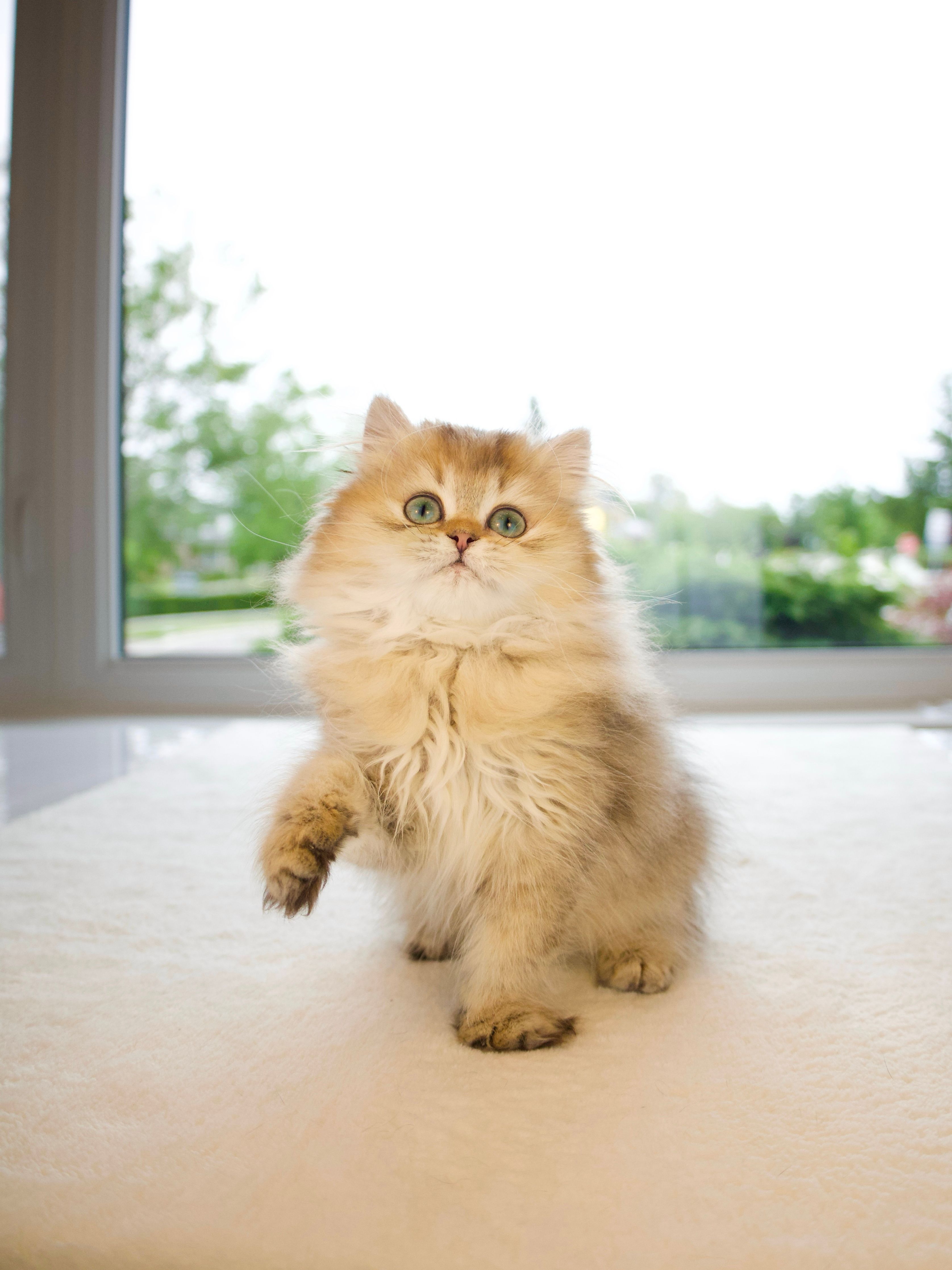
British Shorthairs and Longhairs are known for their calm demeanor, affectionate personality, and moderate energy levels—traits that make indoor living for British cats ideal. Their balanced temperament means they adapt easily to apartment or house living without feeling confined, thriving in secure and comfortable indoor environments.
Responsible early socialization helps them feel secure, making the transition to an indoor environment smooth and stress-free.
Safety and Health Advantages Indoors
Indoor living for British cats offers one undeniable benefit: protection. Outdoor environments, while full of sensory stimulation, come with many hazards—traffic, predators, parasites, and contagious diseases. Keeping a British Shorthair or Longhair inside reduces these risks dramatically, supporting longevity and consistent well-being.
Indoor cats are less likely to contract fleas or ticks and can be closely monitored for changes in appetite, behavior, or grooming patterns. Because British cats have dense coats—especially the plush Longhairs—monitoring their fur health indoors also becomes easier, allowing owners to detect tangles, matting, or shedding concerns before they worsen.
Regular grooming and a balanced diet are vital to keeping them comfortable and healthy in an indoor lifestyle. High-quality nutrition tailored to coat maintenance and portion control also helps prevent weight gain, a common concern for indoor breeds.
Enrichment: The Secret to a Happy Indoor Cat
While British cats are naturally adaptable, a stimulating environment keeps their minds sharp and bodies active. Indoor enrichment is essential to prevent boredom and ensure emotional balance.
Climbing trees, cat towers, and window perches satisfy their curiosity and encourage gentle exercise. Interactive toys that mimic natural hunting instincts—such as feather wands or treat puzzles—are particularly effective for British breeds. These activities engage both mental and physical abilities, preventing lethargy and unwanted behavior.
Soft beds placed in quiet corners give them privacy, while scratching posts help maintain claw health and satisfy natural instincts. British cats, with their affectionate nature, also enjoy spending time near their owners, which provides emotional comfort and strengthens bonding.
Maintaining Routine and Comfort
British Shorthairs and Longhairs thrive in stability. Routine feeding, regular grooming, and structured playtimes create a sense of security that aligns with their gentle temperament. A predictable daily rhythm ensures they know when to expect meals and affection, reducing anxiety.
Because these cats tend to be observant and thoughtful, even small changes in environment or routine can cause mild stress. Introducing new furniture or rearranging spaces should be done gradually. Having familiar blankets or toys nearby helps them adjust more comfortably.
Temperature control also plays a role—British Longhairs, in particular, prefer cooler indoor spaces due to their thick coats. Keeping them groomed and well-brushed minimizes discomfort and keeps their fur glossy and soft.
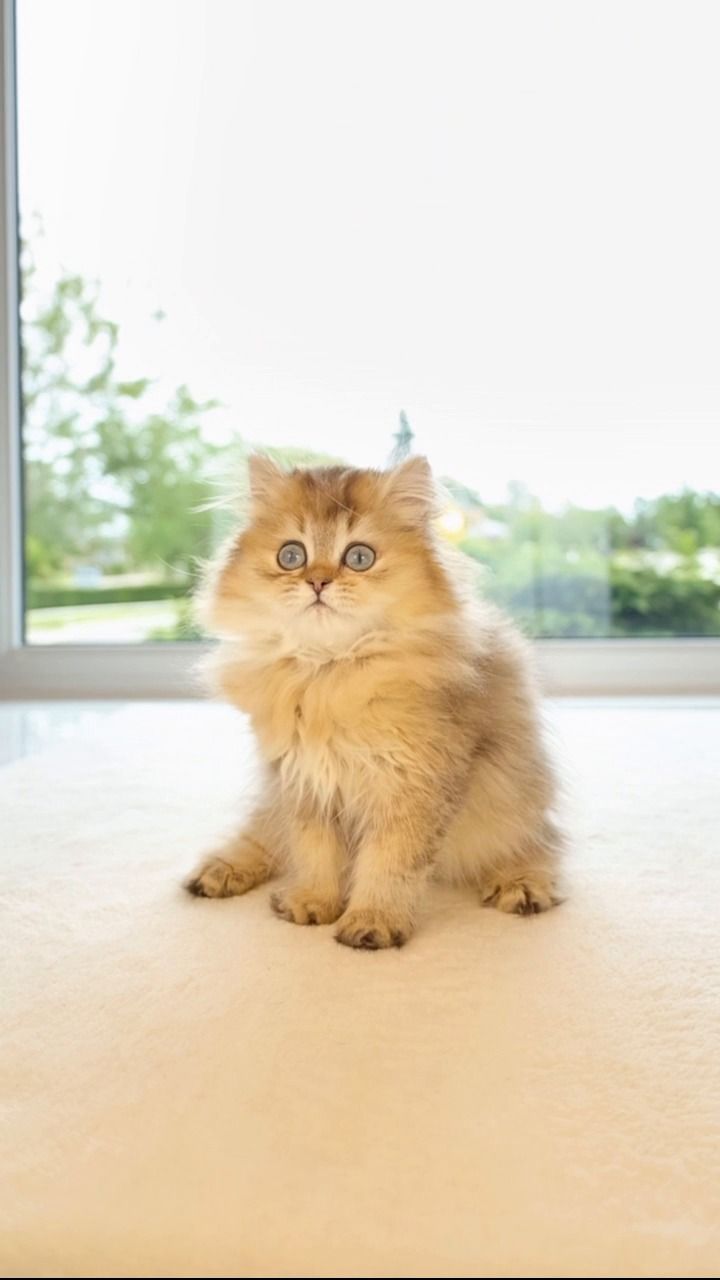
The Role of Socialization and Companionship
Though independent by nature, British breeds enjoy quiet companionship. They bond deeply with their families but are rarely demanding. Socializing them early helps them stay confident around guests and other pets.
For homes with multiple animals, proper introductions are key. Slow, supervised meetings help British cats feel secure and respected in shared spaces. Gentle, calm environments allow their personality to shine without fear or aggression.
Enrichment through human interaction—gentle petting, soft conversation, or interactive play—reinforces trust and affection. Their calm and loving disposition makes them ideal companions for families, singles, and even seniors seeking steady emotional comfort.
Preventive Vet Care for Indoor Cats
Even indoor cats need regular veterinary visits to maintain good health. British breeds, though generally hardy, can be prone to certain genetic conditions such as hypertrophic cardiomyopathy (HCM) or obesity. Routine checkups, dental care, and vaccination updates ensure their well-being over the years.
Monitoring their weight and providing measured meals keeps them healthy. Indoor cats may require slightly fewer calories than outdoor counterparts, so balanced feeding is essential. Litter box habits should also be observed—sudden changes in usage can signal urinary or digestive issues. A trusted veterinarian will provide guidance on grooming schedules, diet adjustments, and preventive care tailored to their breed and lifestyle.
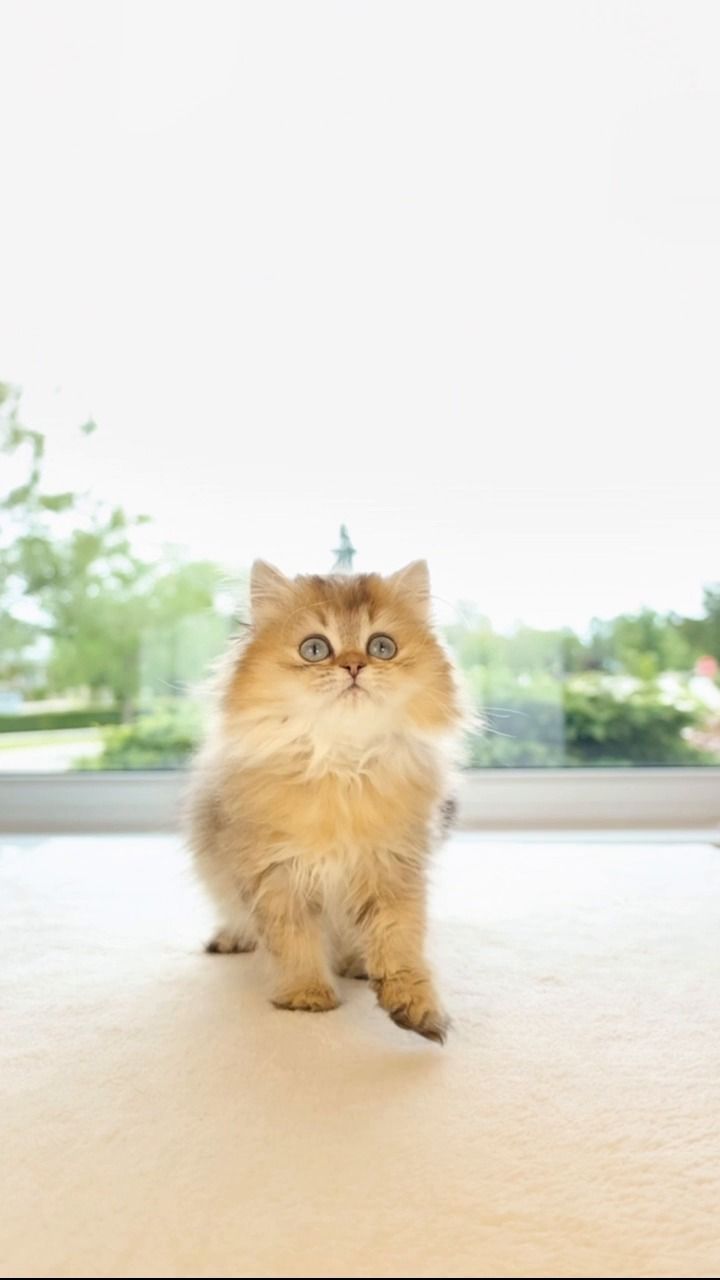
Building the Ideal Indoor Space
An enriching indoor environment combines comfort, safety, and stimulation. Multi-level furniture allows climbing and resting, while window views connect them to the outdoors safely. Cat-safe plants, such as spider plants or cat grass, add sensory variety without risk.
Keeping their space clean, quiet, and organized promotes relaxation. British cats appreciate neatness and will feel most secure when their litter box, food area, and sleeping spaces are separated and maintained.
Adding gentle background sounds—like soft classical music or ambient nature noises—can also soothe anxious tendencies, especially for newly adopted kittens adjusting to their new home.
Create the Perfect Indoor Life for Your British Cat
Those looking to welcome a new feline into their home can connect with the best cattery, known for raising healthy, well-socialized kittens. From British Longhair kittens to those seeking to buy British Shorthair cats in Pennsylvania, choosing ethical breeders ensures a confident, affectionate companion ready to thrive in an indoor life.
For those prepared to create a nurturing environment for their next feline friend, CatKing Cattery offers guidance, quality breeding, and beautiful British kittens ready to become part of a loving home. Contact us today.
2025-11-05