The Difference Between Backyard Breeders and Ethical Catteries
From: Catking Cattery
Finding a kitten for purchase can be an exciting moment. However, behind the adorable photos and quick online listings, the way that a kitten was bred can have a lasting impact on its health, temperament, and quality of life.
Responsible breeding requires careful planning, health testing, and a commitment to the well-being of both kittens and parent cats. Unfortunately, not all breeders operate with the same standards.
Understanding the difference between backyard breeders and ethical catteries is one of the most important steps prospective cat owners can take. Transparency, veterinary care, genetic screening, and early socialization are all factors that separate responsible breeders from those focused primarily on quick sales. Here’s why recognizing these differences helps ensure new pet parents bring home a healthy, well-adjusted companion.
What Is a Backyard Breeder?
Backyard breeders are individuals who breed cats without following established breeding standards or ethical guidelines. They often lack formal registration with major feline organizations, such as the Cat Fanciers’ Association (CFA) or The International Cat Association (TICA), and typically prioritize convenience or profit over long-term breed health.
In many cases, backyard breeders:
- Do not perform genetic testing
- Provide limited veterinary care
- Offer little documentation or pedigree records
- Sell kittens at a very young age Irresponsible breeding practices can significantly increase the risk of hereditary diseases and behavioral problems in pets; they can lead to higher rates of genetic disorders and reduced overall health in offspring.
What Defines an Ethical Cattery?
Ethical cat breeders follow strict breeding guidelines designed to protect both the cats and the future owners. Responsible catteries typically follow standards established by organizations like the CFA and TICA. These standards require breeders to maintain detailed records, provide veterinary care, and ensure proper living conditions for their cats. Ethical catteries usually provide:
- Registered pedigrees and documentation
- Health testing for genetic diseases
- Vaccinations and veterinary checkups
- Early socialization for kittens
- Support for owners after adoption
Early environmental enrichment and socialization can strongly influence a cat’s temperament and ability to adapt to new homes. This level of care is often why responsible cat breeders invest significant time and resources into each litter.
Transparency and Documentation
One of the clearest signs of an ethical breeder is transparency. Responsible breeders openly share information about their breeding practices, including the health history of parent cats and the living conditions in which kittens are raised.
Backyard breeders, on the other hand, may avoid answering questions or refuse to provide documentation. In some cases, buyers are not allowed to visit the breeding environment or meet the parent cats.
Ethical breeders usually provide:
- Registration papers from organizations like TICA or CFA
- Health records for both parents and kittens
- Written contracts outlining breeder responsibilities These records help buyers make informed decisions when searching for a kitten for sale in Canada.
Health Screening and Genetic Testing
Genetic health testing is another key factor separating ethical breeders from backyard breeders.
Many pedigree breeds carry known genetic risks. For example, hypertrophic cardiomyopathy (HCM) is a common heart disease found in several cat breeds. Genetic screening can significantly reduce the risk of passing this condition to future generations.
Ethical breeders test breeding cats for these inherited conditions before producing litters. Backyard breeders rarely perform such testing, increasing the likelihood of health complications later in a kitten’s life. Veterinary organizations also recommend routine health screenings, vaccinations, and parasite prevention for all breeding animals and kittens before adoption.
Early Socialization and Environment
The environment where kittens are raised can strongly influence their personality and ability to adapt to new homes.
Ethical breeders typically raise kittens inside the home, exposing them to everyday sounds, human interaction, and gentle handling. This early socialization helps kittens develop confidence and reduces stress when moving to a new environment.
Kittens exposed to regular human contact during the first weeks of life are significantly more likely to develop friendly and adaptable temperaments. Backyard breeders may keep kittens in isolated spaces with minimal human interaction. As a result, these kittens may struggle with anxiety, fear, or behavioral problems later in life. Responsible programs invest considerable effort into early socialization.
Why Responsible Breeding Matters
Ethical breeding practices protect not only the health of individual kittens but also the future of entire breeds.
When breeders follow proper genetic screening, provide enriched environments, and prioritize animal welfare, they help ensure that future generations of cats remain healthy and well-adjusted.
In contrast, irresponsible breeding can lead to health problems, behavioral issues, and increased pressure on animal shelters. For anyone considering a kitten, understanding breeder ethics is essential.
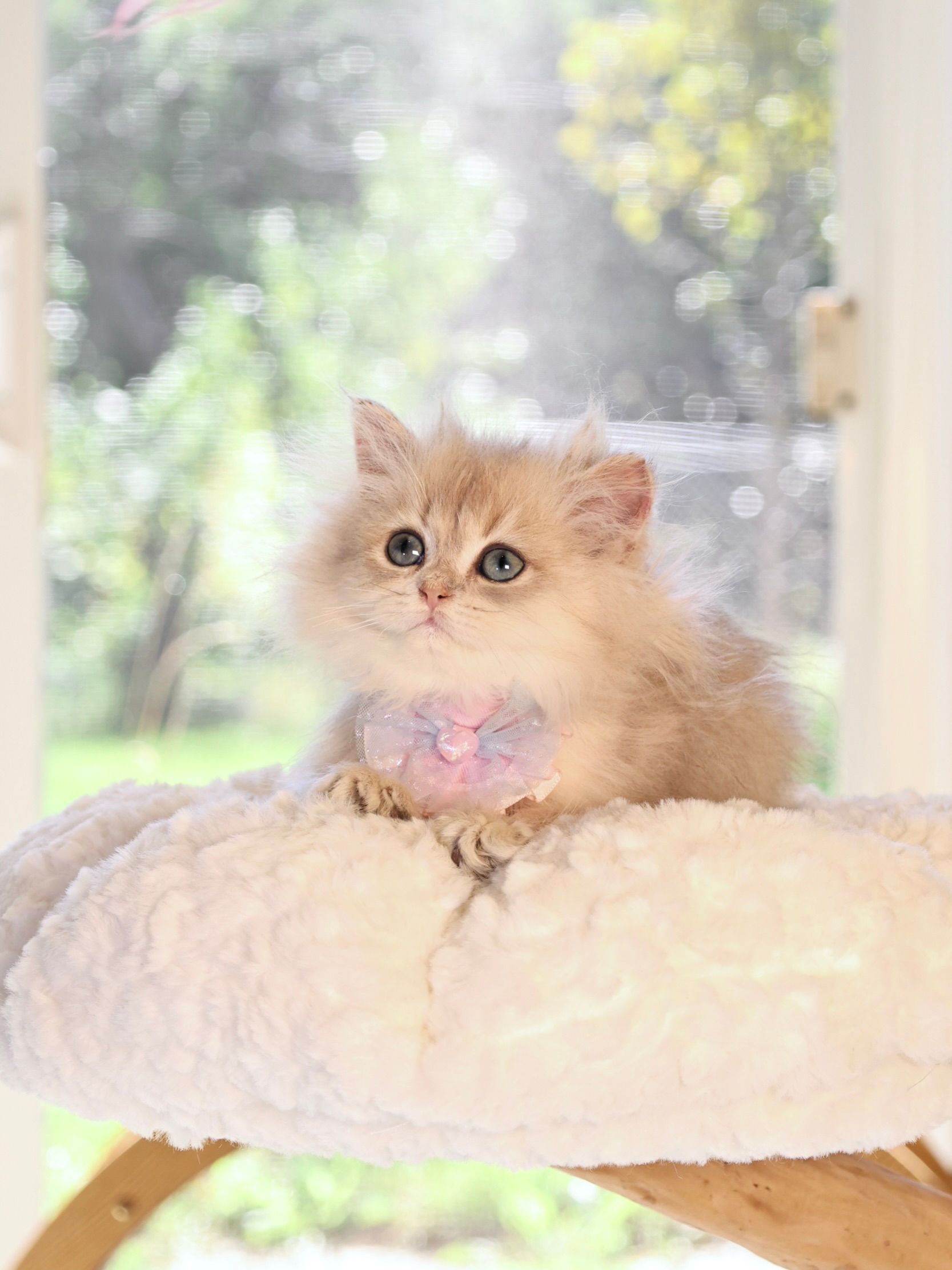
Choosing a kitten isn’t just about finding the cutest face; it’s about choosing the environment and ethics behind that kitten’s upbringing. When breeders prioritize responsible breeding, they help ensure kittens grow into healthy, confident companions while protecting the future of the breed itself.
CatKing Cattery, a legally registered Ontario corporation and internationally recognized breeding program specializing in British Shorthair and British Longhair cats in Canada, demonstrates adherence to established breeding standards and verified pedigree documentation.
Known as a trusted Toronto cattery, we focus on raising kittens in a nurturing environment where they receive early socialization, daily care, and regular health monitoring. Each kitten undergoes veterinary health checks and genetic screening before joining a new home, helping ensure strong health and a stable temperament.
Ready to welcome a healthy, well-raised kitten into your home? Contact us today and reserve your future companion from one of the most trusted names in responsible feline breeding.
2026-04-30