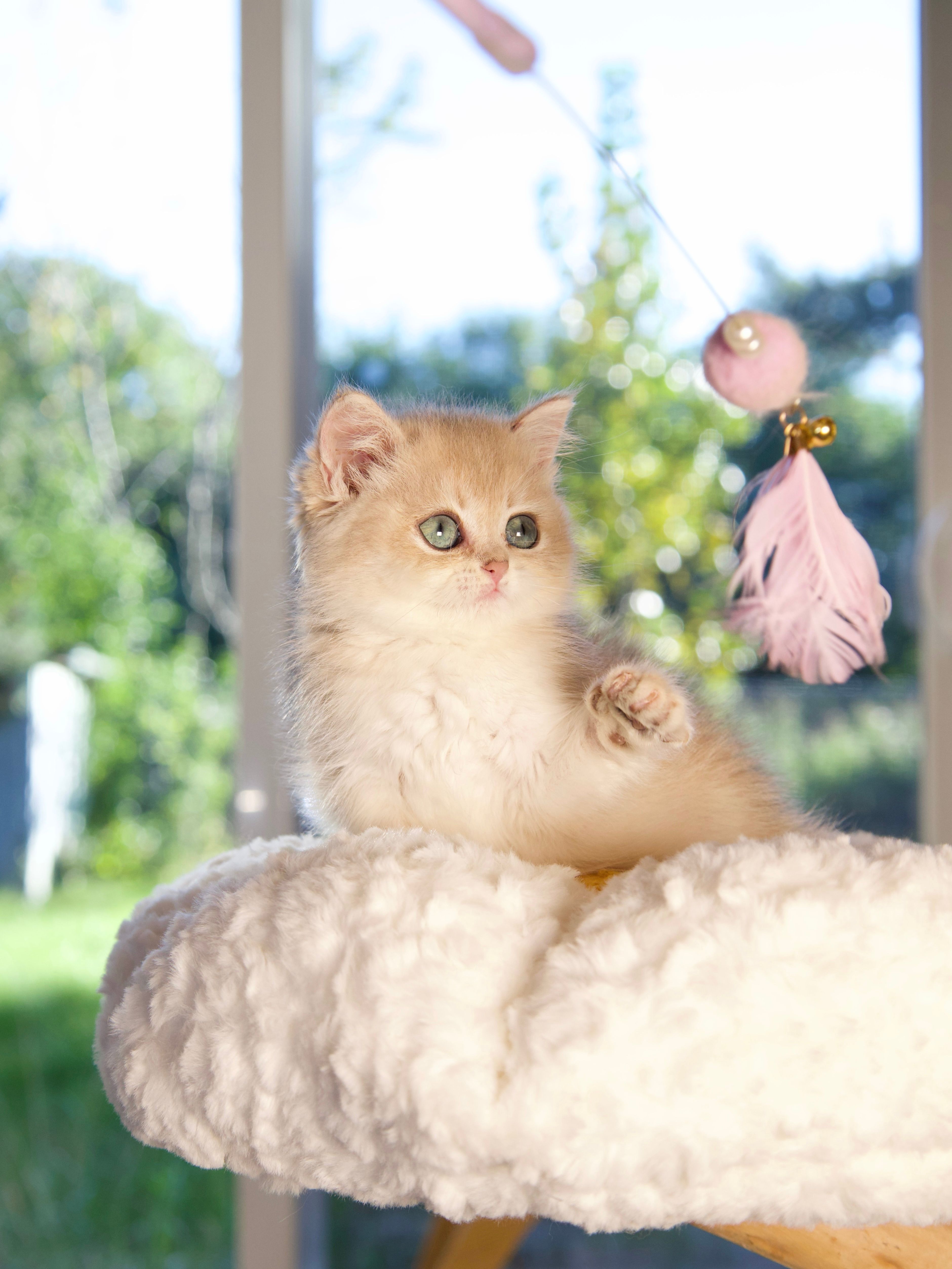
Traveling with Your British Longhair or Shorthair: Tips for Stress-Free Journeys
From: Catking Cattery
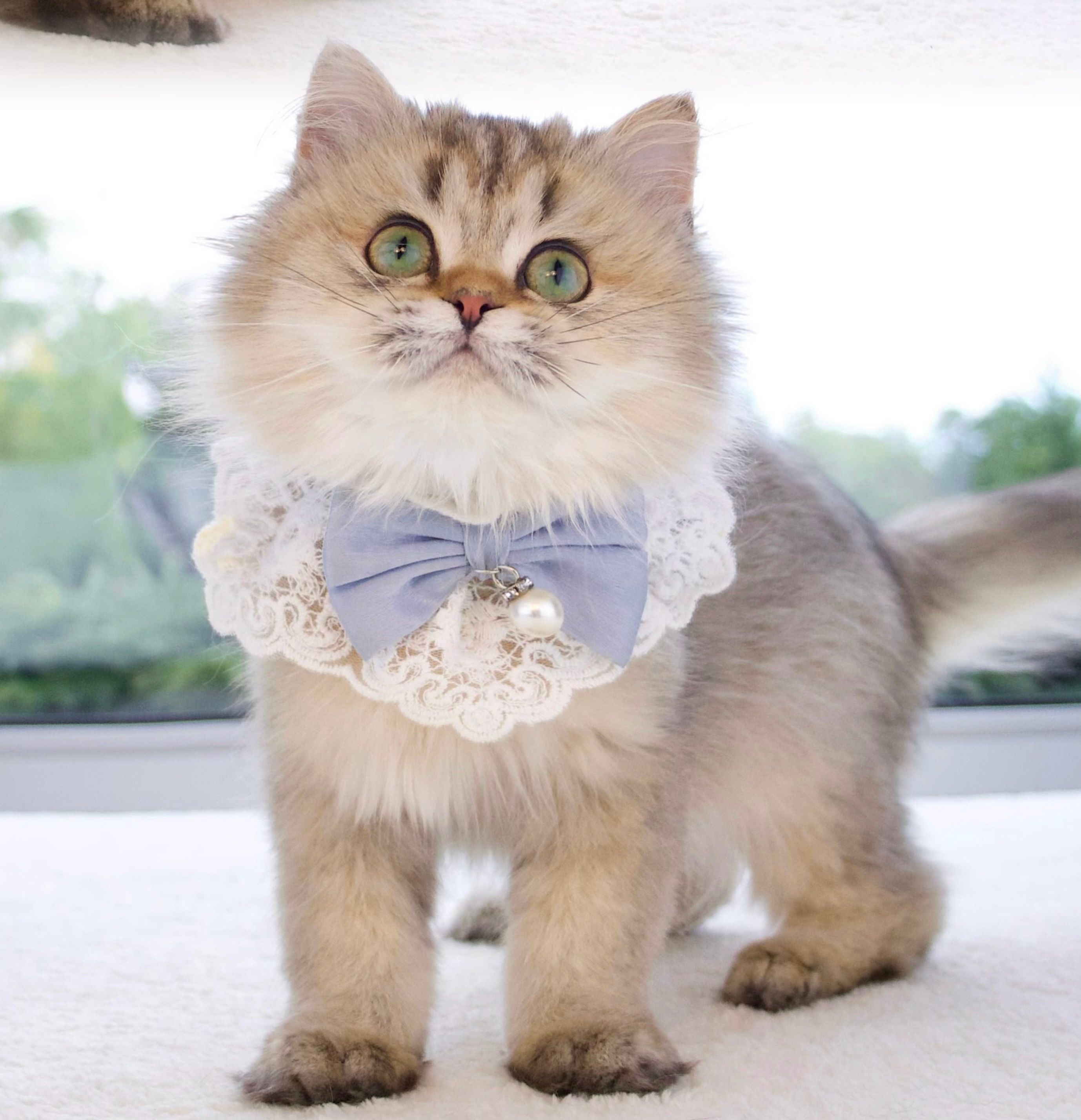
Traveling with cats can be challenging, even for breeds as calm and composed as the British Shorthair and British Longhair. While their affectionate temperaments make them wonderful companions, changes in environment and routine can cause stress if not carefully managed. Whether you’re planning a family trip or a move to a new city, preparation makes all the difference.
From health checks to creating a comforting travel space, this guide explores how to keep your feline relaxed on the road or in the air. If you’re planning to buy British Shorthair kittens in Philadelphia, or already own one of these iconic breeds, these tips will help ensure smoother journeys together.
Understanding How British Cats React to Travel
Cats are naturally creatures of habit, and sudden changes can make them uneasy. British Shorthairs and Longhairs share many traits, but they may respond slightly differently to travel.
- British Shorthairs: Known for their calm, independent personalities, Shorthairs are often less anxious about short trips. However, they dislike disruption and may retreat into themselves if they feel stressed.
- British Longhairs: With their affectionate and gentle natures, Longhairs can be more sensitive to change. They thrive on comfort and familiarity, so new environments or long journeys may leave them unsettled without preparation.
By understanding these tendencies, you can anticipate challenges and take proactive steps to reduce stress. At CatKing, we see travel readiness as part of responsible ownership. We encourage every family to learn not only about the breeds but also about how to support them in different life situations. You can learn more about our philosophy on our About page.
Preparing for the Journey Ahead
The key to successful travel with your British Shorthair or Longhair is preparation. Starting well before the actual journey ensures your cat feels safe and secure.
Schedule a Vet Check
Before traveling, schedule a visit with your veterinarian. Confirm that vaccinations are up to date and request a health certificate if you’ll be flying. A quick checkup also helps ensure your cat is fit for travel and free from underlying issues that could cause complications.
Choose the Right Carrier
Your cat’s carrier is their “safe space” during travel. It should be sturdy, well-ventilated, and large enough for them to stand and turn comfortably. Soft carriers may be ideal for short car rides, while hard-sided carriers provide extra security for longer trips or flights.
Familiarize Cats with the Carrier
Many cats associate carriers with stressful vet visits. To change this association, leave the carrier open at home for a week or two before your trip. Place familiar bedding, toys, or treats inside so your cat begins to view it as a cozy retreat rather than something to fear.
Prepare Identification
Accidents can happen, so make sure your cat has proper identification. Microchipping is the safest option, but you should also attach a collar with an ID tag that includes your contact details. By following these steps, you give your cat a foundation of comfort and security. Whether you’re raising British Longhair kittens in Harrisburg or preparing to travel with an older Shorthair, early planning is the best way to prevent stress.
Creating a Calm Travel Environment
Even the most relaxed cat will need extra support during travel. Small adjustments can make a significant difference in keeping your British Shorthair or Longhair calm.
Familiar Comforts
Bring along familiar items such as blankets, toys, or even a piece of your clothing. These items carry your scent and reassure your cat during unfamiliar experiences.
Feeding Schedule Adjustments
Avoid feeding your cat right before travel. A light meal a few hours beforehand helps prevent motion sickness while still keeping them comfortable. Always provide access to water, but avoid overfilling bowls inside carriers to prevent spills.
Gentle Handling
Cats are extremely sensitive to your energy. Speak softly and handle them with care, especially when placing them in the carrier. Maintaining a calm, confident demeanor reassures them that everything is under control.
Stress-Reduction Tools
Consider natural calming aids such as pheromone sprays or sprays recommended by your vet. These can be lightly applied to the carrier to help create a more soothing atmosphere. By combining preparation with these comfort strategies, you can help your cat associate travel with security rather than stress.
On the Road: Car Travel Tips
Car journeys are often the most common type of travel for cat owners, whether it’s a short drive to the vet or a long road trip. For British Longhairs and Shorthairs, car travel can be managed smoothly with the right precautions.
Secure the Carrier
Always keep your cat in a carrier during car rides. Place it on the back seat and secure it with a seat belt to prevent sudden movement. This not only protects your cat but also avoids distractions for the driver.
Keep the Climate Comfortable
Cats are sensitive to temperature changes. Make sure the car remains well-ventilated and at a comfortable temperature. Avoid direct sunlight on the carrier and check regularly to ensure your cat isn’t overheating or getting too cold.
Plan for Breaks
If your journey is longer than a few hours, schedule breaks. Offer your cat water and, if possible, set up a small portable litter box in a safe space. Keep breaks brief and controlled to prevent escape risks.
Minimize Noise and Movement
Keep music at a low volume and drive smoothly to reduce stress. Loud sounds and sudden stops can make cats nervous, so a calm environment is essential. For many families, the first car trip with a new kitten can feel overwhelming. With careful planning, though, your British Shorthair or Longhair will soon learn to view travel as just another part of life with their family.
Air Travel Considerations
Air travel requires more preparation than car journeys, but with the right steps, your British Shorthair or Longhair can remain comfortable and safe.
Research Airline Policies
Each airline has specific requirements for pet travel, including carrier dimensions, documentation, and health certificates. Always confirm these well in advance to avoid last-minute stress.
Cabin vs. Cargo
Whenever possible, choose to keep your cat in the cabin with you. Traveling in cargo can be stressful and should only be used as a last resort.
Acclimatize Beforehand
If you’re planning a long flight, practice by letting your cat spend extended periods inside their carrier at home. This helps them adjust to the enclosed space.
Reduce Stress in the Air
Keep familiar items in the carrier, such as a blanket or toy, and use calming sprays if recommended by your vet. During the flight, maintain a calm presence and avoid unnecessary disturbances. At CatKing, our guidance on breeding standards includes preparing families for all aspects of care, including travel. With the right planning, flying with your cat can be far less daunting than expected.
After the Journey: Helping Cats Adjust
Once you’ve arrived at your destination, give your cat time to settle. Set up a quiet space with food, water, litter, and familiar bedding. Avoid overwhelming them with too much exploration right away, let them adjust at their own pace. Gradually expand their space as they become more confident. Both British Shorthairs and Longhairs adapt well to new environments, but their comfort depends on how secure they feel in the first few days.
Traveling with Confidence Through CatKing Support
Traveling with cats may seem intimidating, but with preparation and patience, it can be a smooth, stress-free experience. British Shorthairs and Longhairs are adaptable breeds whose calm temperaments make them excellent companions for life’s journeys, as long as their needs are respected along the way.
At CatKing, we go beyond breeding healthy, affectionate kittens. We also support families with practical guidance to ensure their pets thrive in every situation, including travel. As one of the best cat breeders in Allentown, we are committed to helping owners feel confident about raising and caring for their companions. Whether you’re planning a short car trip or a cross-country move, our advice can make the process easier.
If you’re looking for British Longhair cats for sale in Erie or simply want trusted guidance, we encourage you to contact us. With CatKing by your side, every journey, big or small, can be a positive experience for both you and your feline friend.
2025-10-15