What Makes the British Shorthair Look So Unique?
From: Catking Cattery

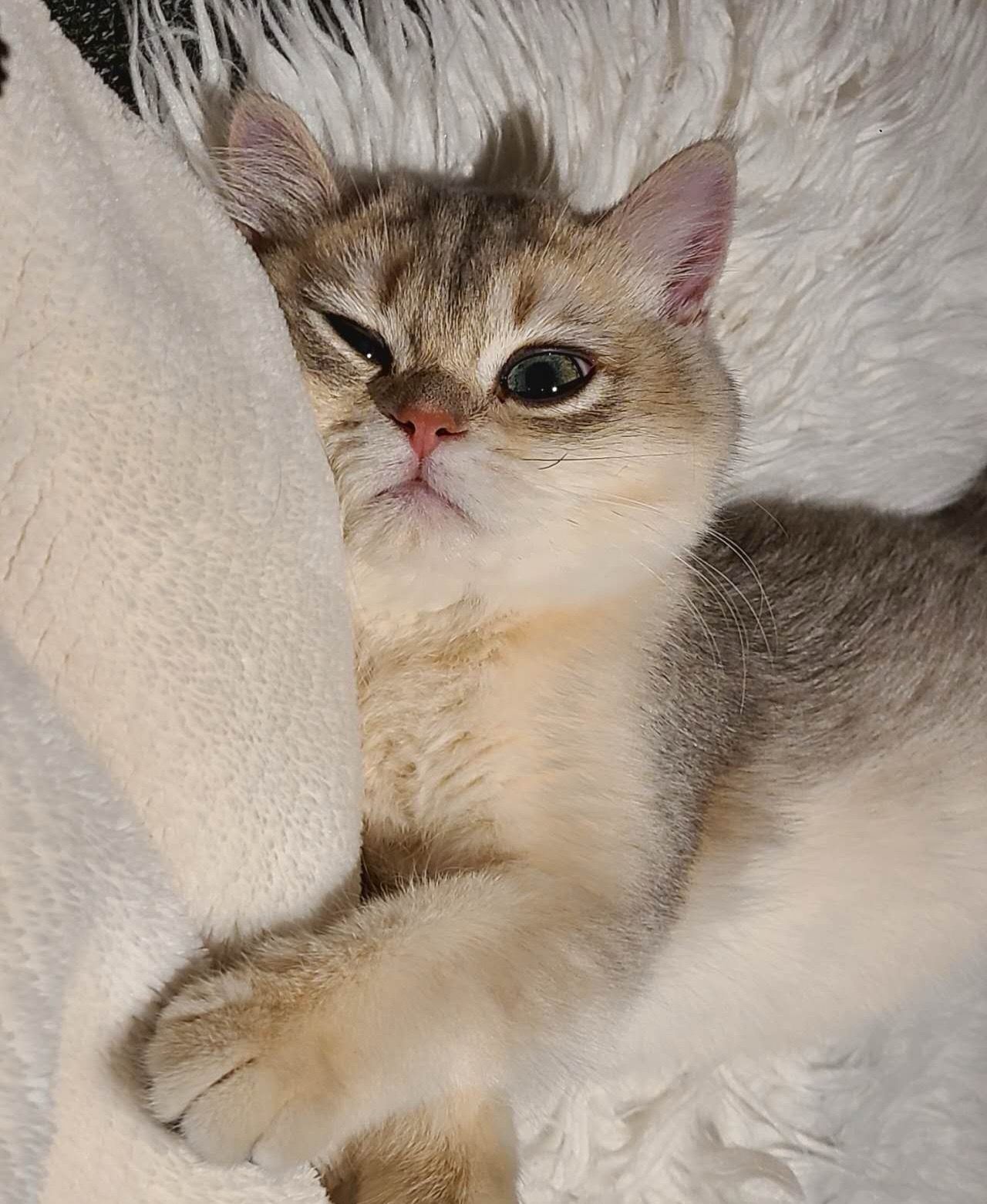
Some cat breeds are elegant. Others are striking. The British Shorthair, however, occupies a category of its own, instantly recognizable thanks to its plush coat, perfectly rounded face, and glowing copper eyes. These traits create a soft, teddy-bear-like appearance that has made the breed one of the most admired pedigree cats worldwide.
However, the British Shorthair’s unique look isn’t accidental. It’s the result of decades of careful breeding standards, genetic selection, and strict guidelines established by major feline organizations. This blog explores what truly defines the British Shorthair’s iconic appearance and how responsible breeding maintains these features.
The Signature Plush Coat
The first feature most people notice about a British Shorthair is its coat. Unlike many short-haired cats that have sleek fur, the British Shorthair’s coat is incredibly dense and plush. Breed standards describe it as short, crisp, and resilient, so thick that when brushed against the grain, the fur springs back into place.
Researchers note that fur density and texture are controlled by combinations of genetic variants affecting hair shaft structure and follicle distribution. Selective breeding can amplify these traits over generations, producing the thick, plush coats seen in breeds like the British Shorthair.

The Perfectly Round Face
Another defining feature of the British Shorthair is its unmistakable round face. Breed standards emphasize a broad skull, full cheeks, and a strong chin aligned with the nose.
This rounded facial structure is caused by a combination of bone shape and soft tissue distribution. Mature males often develop particularly prominent “jowls,” giving them the iconic chipmunk-cheeked expression beloved by cat enthusiasts.
Selective breeding has gradually accentuated these cranial features. Over time, breeders prioritized cats with wider skulls and shorter muzzles, creating the soft, circular appearance that defines the breed today. This distinctive face is one reason the British Shorthair stands out among other breeds.
The Famous Copper Eyes
Large, round eyes are another essential element of the breed’s appearance. For the classic blue-coated variety, the preferred eye color is deep copper or orange.
These eyes are intentionally emphasized in breed standards because they contribute significantly to the cat’s expressive face. The wide spacing and circular shape help reinforce the overall rounded aesthetic of the breed.
Eye color in cats is influenced by pigment cells called melanocytes. Coat color genes often interact with eye pigmentation, explaining why certain coat types, such as the British Blue, commonly display copper eyes.
Although copper is the most iconic shade, other colors like green or blue may appear depending on the coat pattern.
A Strong, Compact Body
While the face and coat attract most attention, the British Shorthair’s body structure also contributes to its unique appearance. The breed is compact, muscular, and broad-chested, with thick legs and rounded paws.
Unlike slender breeds such as the Siamese, the British Shorthair is built for strength and stability. Adult males typically weigh 9–17 pounds, while females average 7–12 pounds. Interestingly, these cats mature slowly compared with many other breeds, reaching full physical development at around three years of age.
This gradual development explains why kittens often appear less “chunky” than adults. A young cat may not yet display the fully developed cheeks and dense build typical of mature British Shorthairs.

The Role of Careful Breeding
Maintaining the British Shorthair’s iconic appearance requires strict breeding practices. There are detailed standards describing the ideal head shape, coat density, eye color, and body proportions. These standards guide ethical breeders worldwide, as well as professional breeding programs. Responsible breeding focuses on:
- Preserving genetic health
- Maintaining correct physical standards
- Avoiding exaggerated traits that could harm the cat
Ethical breeding programs carefully select mating pairs to avoid inherited diseases while preserving hallmark traits. This careful approach is why reputable cat breeders invest heavily in pedigree records and health testing.
Why the Breed’s Appearance Has Stayed Consistent
Many cat breeds evolve dramatically over time, but the British Shorthair has remained remarkably consistent. This stability is largely due to the strict breeding policies implemented.
Due to this, breeding organizations have carefully refined and standardized the breed’s appearance. Today’s British Shorthair still reflects the same core characteristics established decades ago: plush coat, round face, copper eyes, and a sturdy body.
Because of this consistency, people exploring options for British Shorthair for sale in Canada often expect a very specific look, and reputable breeders work hard to meet those expectations.
The enduring charm of the British Shorthair comes from a careful balance of genetics, responsible breeding, and strict adherence to breed standards. For families looking to experience those qualities firsthand, reputable breeders play a crucial role.
CatKing Cattery is an Ontario-based cattery dedicated to raising British Shorthair and British Longhair cats that meet recognized breed standards. We’re registered with major global organizations such as TICA and CFA and follow strict breeding and care guidelines to ensure healthy, well-socialized kittens.
Each of our kittens undergoes thorough veterinary checks and genetic health screening before going to a new home, helping ensure they are free from common hereditary conditions. The kittens are also raised in a nurturing, socialized environment that supports friendly temperaments and adaptability: qualities that make British Shorthairs such beloved companions.
Ready to welcome one of these iconic cats into your home? Contact us today and experience why many families consider us the best cat breeders in Canada.
2026-04-18