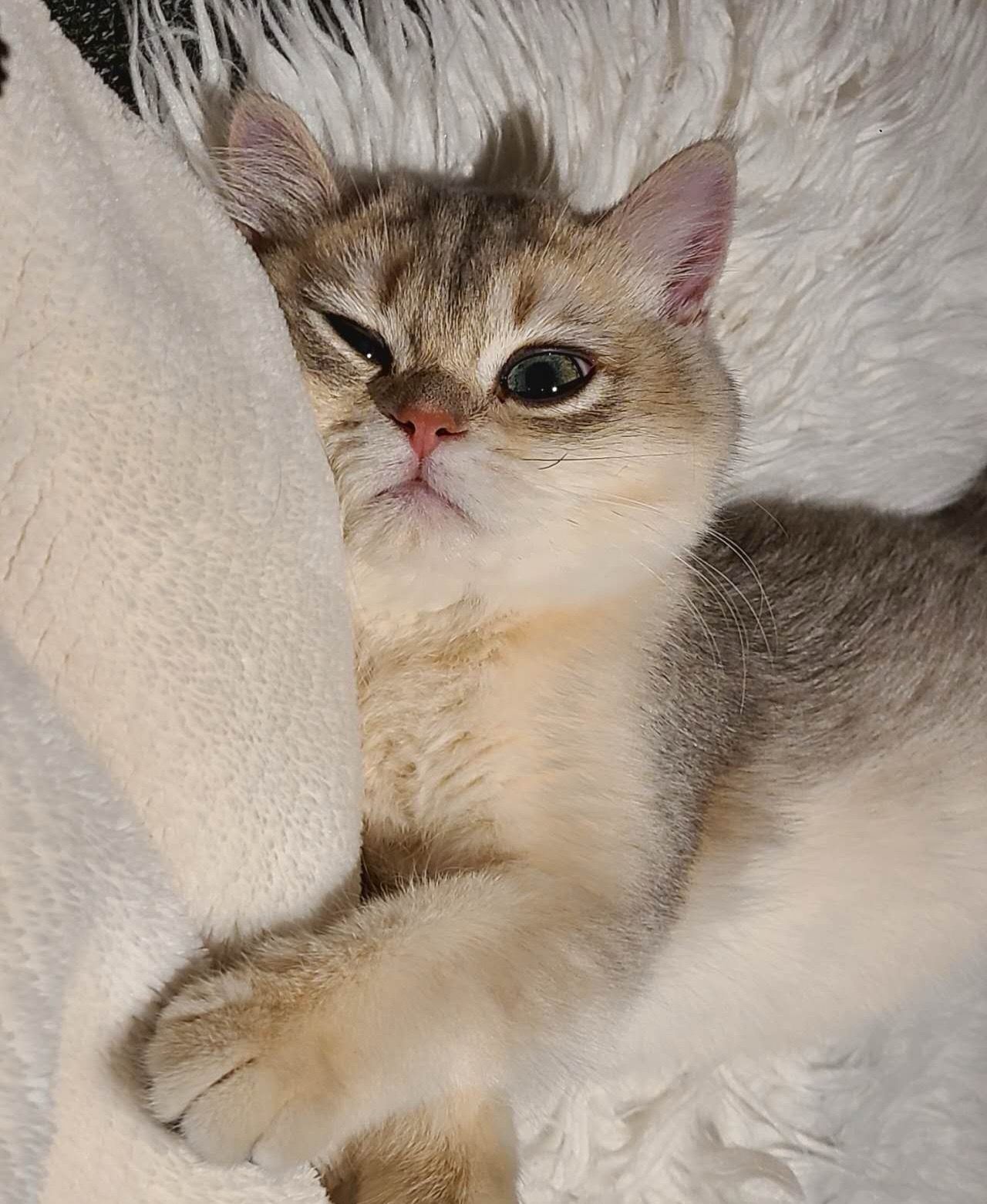
Why British Shorthairs Are Not as “Cuddly” as People Expect and What They Prefer Instead
From: Catking Cattery

British Shorthair cats in Toronto are often portrayed as plush, teddy bear-like companions who love constant cuddles and lap time. While this image is part of their charm, it does not always reflect their real behaviour. Many new owners are surprised when their British Shorthair prefers sitting nearby instead of being held for long periods or constantly seeking physical affection.
This difference is not a lack of attachment. Instead, it reflects a distinct emotional and behavioural pattern known as the affection style for British Shorthairs, a calm, subtle, and independent way of bonding that is often misunderstood.
Understanding how this breed expresses affection helps owners build stronger relationships based on trust rather than expectation.
The Misconception of “Cuddly” Behaviour
One of the most common misunderstandings about British Shorthairs is assuming they behave like traditional lap cats. This expectation is often shaped by their round faces, plush coats, and calm appearance.
However, British Shorthairs were not bred for constant physical interaction. Their temperament is more balanced and self-contained. They enjoy companionship, but not always through continuous touching or holding.
Instead of demanding attention, they tend to observe, choose when to engage, and maintain a comfortable personal space. This is where understanding the affection style for British Shorthairs becomes important, as it is less about physical clinginess and more about presence and consistency.
How British Shorthairs Actually Show Affection
British Shorthairs express attachment in quieter, more understated ways. They are often present in the same room as their owner without being directly involved in interaction. Common signs of affection include:
- Sitting nearby rather than on top of you
- Following you from room to room at a distance
- Slow blinking and relaxed eye contact
- Gentle head bumps when they initiate contact
- Choosing to sleep close by, not necessarily on you
These behaviours may seem subtle, but they are strong indicators of trust and emotional comfort. Unlike highly dependent breeds, British Shorthairs do not typically seek constant reassurance. Their affection is steady rather than intense, which can be mistaken for aloofness.
Why They Prefer Space Over Constant Handling
British Shorthairs have a naturally calm and grounded temperament. They are observant cats that prefer stability and predictability in their environment. Constant picking up, holding, or excessive physical attention can sometimes feel overwhelming for them, especially if it is not initiated by the cat itself.
This does not mean they dislike affection. It simply means they prefer control over when and how interaction happens. The affection style for British Shorthairs is best described as “selective closeness”, as they engage deeply, but on their own terms.
Emotional Attachment Without Clinginess
A key trait of British Shorthairs is emotional independence. They form strong bonds with their owners but do not rely on constant physical contact to feel secure. This often results in:
- Calm behaviour even when alone
- Confidence in familiar environments
- Low anxiety compared to more dependent breeds
- Consistent, predictable affection patterns
Owners may notice that their cat is not always seeking attention, but still responds positively when approached gently. This balance is one reason the breed fits well into busy households or quieter living environments.

What British Shorthairs Prefer Instead of Cuddling
While they may not be constant lap cats, British Shorthairs still enjoy interaction in ways that feel safe and comfortable to them. They often prefer:
- Sitting beside their owner during daily activities
- Interactive play sessions with toys
- Gentle grooming or light petting in short intervals
- Quiet companionship without forced engagement
- Observing household activity from a comfortable spot
For many British Shorthairs, presence matters more than physical closeness. Being in the same space as their owner is often enough to maintain an emotional connection.
Understanding Boundaries Builds Better Trust
Respecting a British Shorthair’s personal space is essential for building long-term trust. Forcing cuddles or prolonged handling can sometimes lead to withdrawal or avoidance. When owners allow the cat to initiate interaction, the bond often becomes stronger over time. The cat learns that its comfort is respected, which encourages voluntary affection. This is a defining part of the affection style for British Shorthairs—mutual trust rather than constant demand.
Are British Shorthairs Cold or Unaffectionate?
They are neither cold nor distant. The perception of emotional distance usually comes from misunderstanding their communication style. British Shorthairs are calm observers rather than expressive attention-seekers. They show affection through consistency rather than intensity. Once bonded, they can be deeply loyal, often choosing one or two trusted individuals as their primary companions. Their affection may not always be obvious, but it is steady and reliable.
How Owners Can Encourage Healthy Bonding
Building a strong relationship with a British Shorthair involves patience and respect for their natural behaviour. Helpful approaches include:
- Letting the cat initiate contact
- Using soft, calm voices during interaction
- Engaging in short, enjoyable play sessions
- Avoiding overstimulation or forced handling
- Creating predictable daily routines
Over time, these cats often become more open and affectionate, but in their own measured way.

Final Thoughts
British Shorthairs are not less affectionate; they simply express love differently. Their bond is built on stability, trust, and quiet companionship rather than constant physical contact. Understanding the affection style for British Shorthairs helps owners appreciate subtle behaviours that might otherwise be overlooked. Once this communication style is understood, many owners realize their cat is showing affection consistently; it just does so in a calmer, more independent form.
At CatKing Cattery, we take time to explain the affection style for British Shorthairs, so families understand that these cats show love in calm, consistent, and often subtle ways rather than constant cuddling. We are a registered British Shorthair cat breeder in Canada, raising kittens with balanced temperaments, strong early socialization, and stable emotional behaviour from the start. Anyone looking for a British Shorthair kitten for sale can explore our carefully raised litters, where each kitten is evaluated for health, personality, and comfort in human interaction. As experienced cat breeders, we prioritize ethical breeding practices and responsible care in every stage of development.
2026-06-29