Why Early Socialization Is a Kitten’s Most Important Development Window
From: Catking Cattery
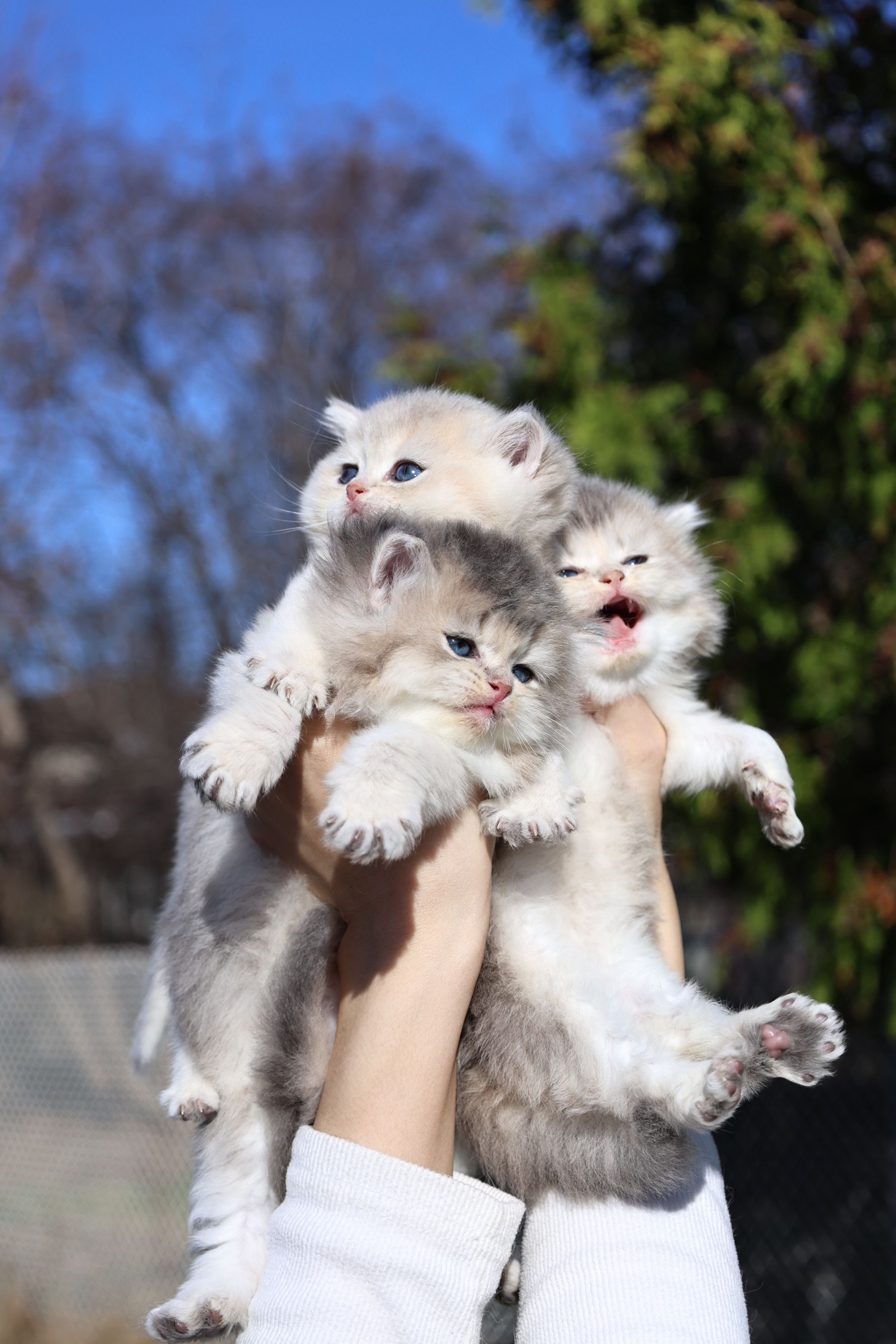
There’s a short period in a kitten’s life when their personality is taking shape faster than at any other time. Their brain is developing at high speed, they’re forming their first impressions of people and the world, and small experiences, good or bad, can leave lasting effects.
That window is the 2–12 week socialization period, and nearly every expert agrees it’s one of the most crucial phases in feline development.
Whether someone is adopting through cat adoption or working with reputable cat breeders in Toronto, understanding this window can make a profound difference in how a kitten grows up. To help you understand why this time matters, this blog looks into the significance of early socialization for kittens.
What Actually Happens Between 2 and 12 Weeks?
In the first two weeks of life, kittens are mostly relying on instinct. But right after this, everything changes quickly. Their eyes open, their coordination improves, and their senses come online. This is when their brains become especially receptive to new information, textures, sounds, and social interaction.
Researchers refer to 2–7 weeks as the “primary socialization period,” and many extend it up to 9–12 weeks. Animal behavior organizations and researchers have studied this period extensively, including:
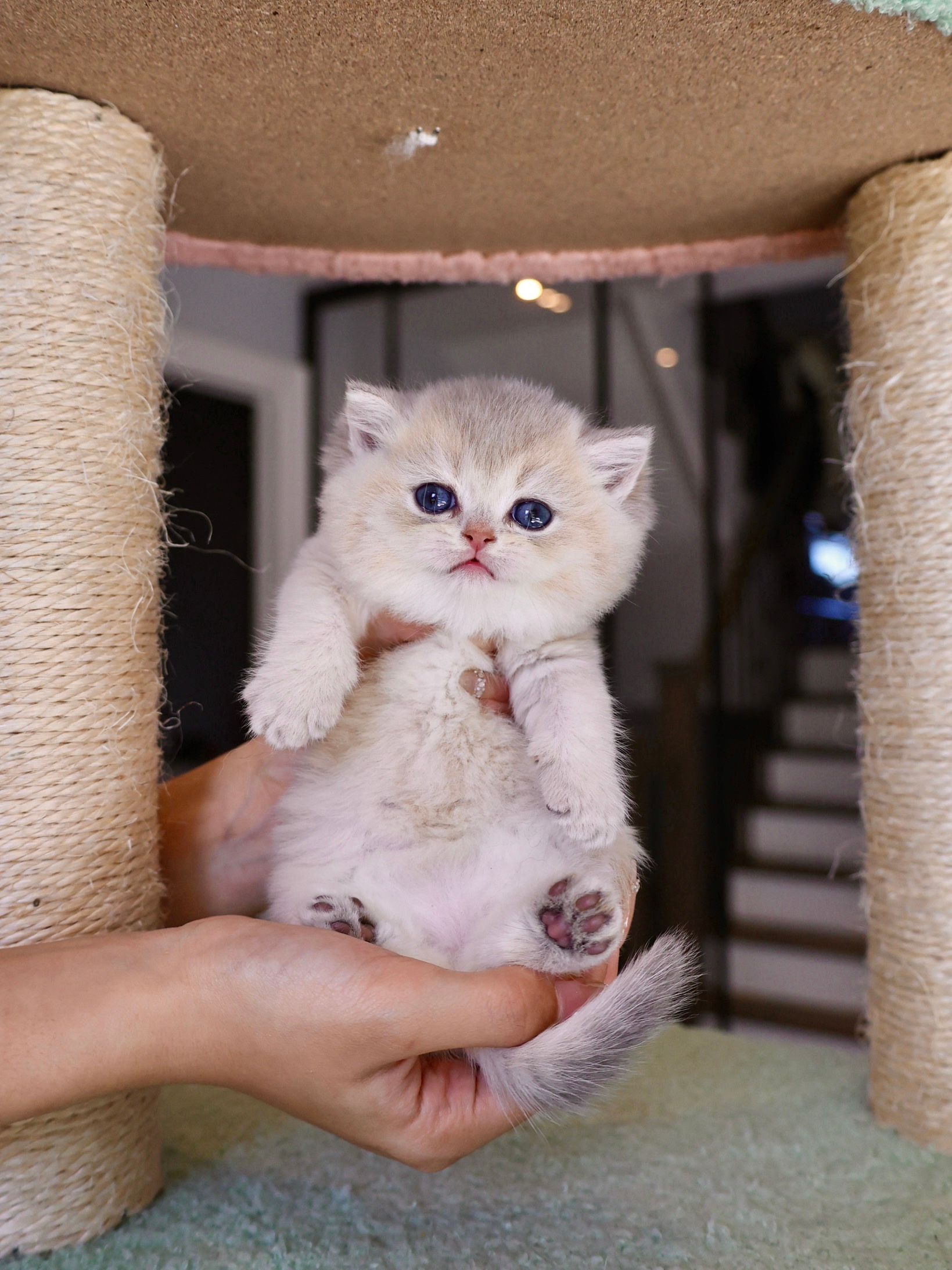
Kittens handled regularly during this period grow into more confident, affectionate, and adaptable adults. Even short daily interactions, such as gentle petting, holding, or play, can strengthen their emotional resilience.
Why Early Social Experiences Matter So Much
They Build Healthy, Confident Adult Cats Kittens who are gently exposed to different types of people, environments, and sounds during this early window typically become more trusting and affectionate as adults. This is something shelters and breeders alike try to encourage. A kitten taken in through a cat adoption is far more likely to settle into their home easily if they are handled often and exposed to everyday household life early on.
They Learn to Handle Stress A lot of the behavior problems seen later in life, such as hiding, fear of visitors, difficulty with travel, or panic at the vet, trace back to whether kittens were exposed to these things in a safe, controlled way early on.
During the 2–12 week window, kittens can be gently introduced to: 1. Soft household noises (vacuum, blender, dishwasher) 2. Handling of paws, ears, and mouth 3. Short carrier sessions 4. Different textures and surfaces 5. Mild changes in the environment When kittens grow up in homes or catteries that prioritize this, they usually become more adaptable adults. For people planning to buy cats, choosing a cat breeder or rescue that focuses on early socialization often results in a cat who adjusts to new homes and routines with minimal stress.
- They Learn Social Rules From Their Mom and Littermates Human handling is incredibly important, but nothing replaces time spent with their mother and siblings. During weeks 3 to 8, kittens learn:
- Bite inhibition
- Appropriate play behavior
- Basic feline communication
- Social boundaries
This is why experienced cat breeders avoid separating kittens before 10–12 weeks. Any program operating a cattery will almost always follow this guideline.
What Happens When Socialization Is Missing?
Undersocialized kittens often struggle with:
- Fear of new people
- Hiding or shutdown behavior
- Difficulty with grooming or nail trimming
- Stress-related aggression
- Sensitivity to sound
- Issues with travel or carriers
Research notes that after the sensitive period ends, socialization becomes significantly harder, and sometimes incomplete. While progress can be made, it often requires time, patience, and, in some cases, professional behavior support. For anyone looking to buy cats, it’s essential to ask breeders or rescues how they socialized their kittens in those critical first weeks.
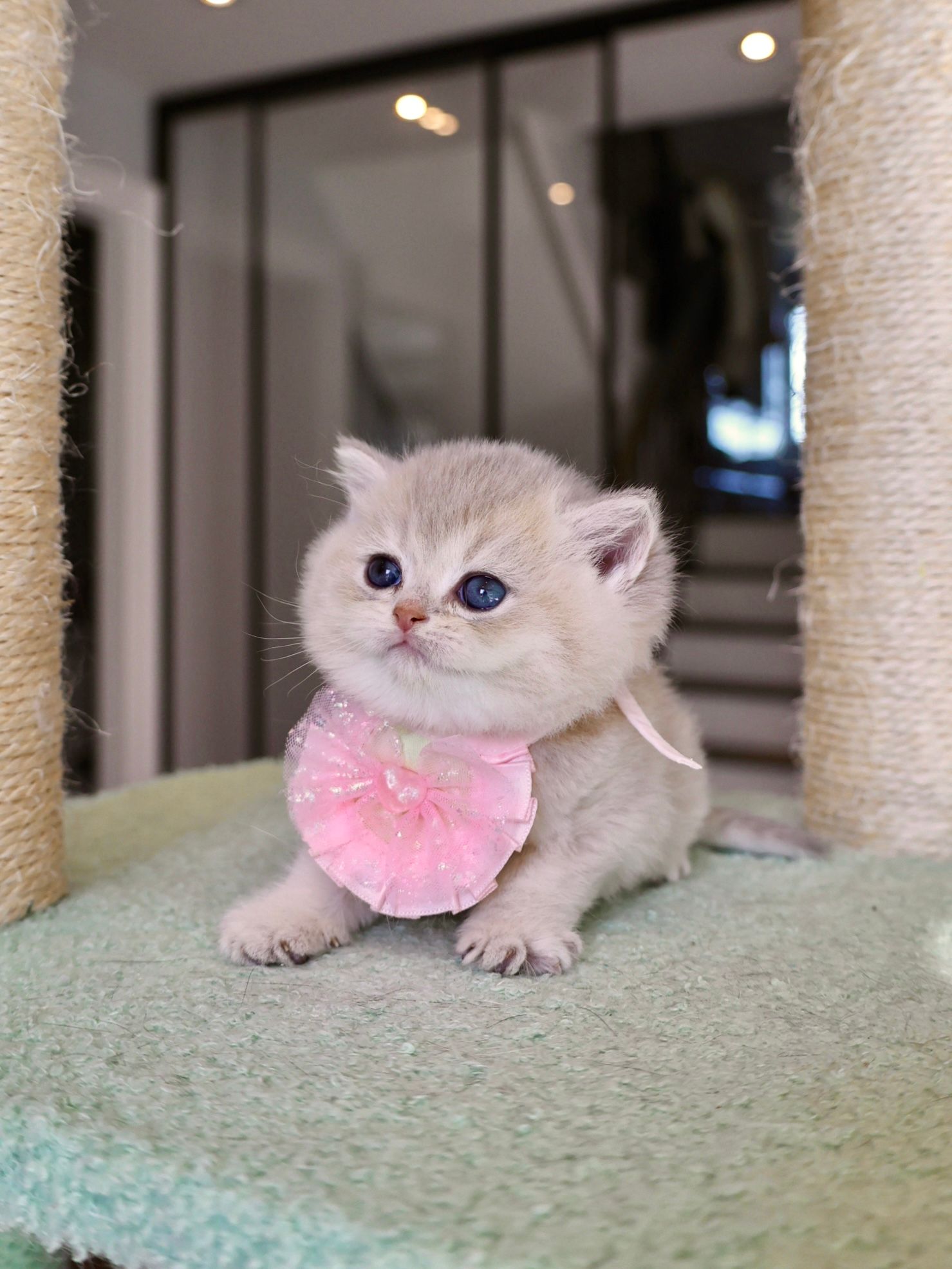
What Good Socialization Actually Looks Like
- Gentle Handling Daily touch, including paws, ears, tail, and mouth, makes grooming and vet care easier later on.
- Exposure to People Children, adults, men, women, people wearing hats or glasses: variety matters. The Anti-Cruelty Society suggests a wide range of human contact during the socialization window.
- Light Environmental Challenges New toys, puzzle feeders, cardboard tunnels, soft music, and varied textures all help stimulate brain development and confidence.
- Controlled Noise Introduction Gradual exposure to common household sounds to prevent fear responses later.
- Staying With Mom Long Enough This is a nonnegotiable for most responsible breeders; high-demand breeds usually follow a 12-week policy.
- Kitten Socialization Classes Some veterinary clinics offer structured socialization sessions where kittens experience carriers, basic handling, and gentle vet-style interactions.
Why Socialization Should Influence Where You Get a Kitten
Someone looking into cat adoption, or comparing kitten breeders, will benefit enormously from asking how the kittens were raised. A kitten that has gone through positive experiences during the 2–12 week window is:
- Easier to train
- More adaptable
- Less likely to develop fear
- More confident around people
- Better with travel and vet care
- Emotionally resilient
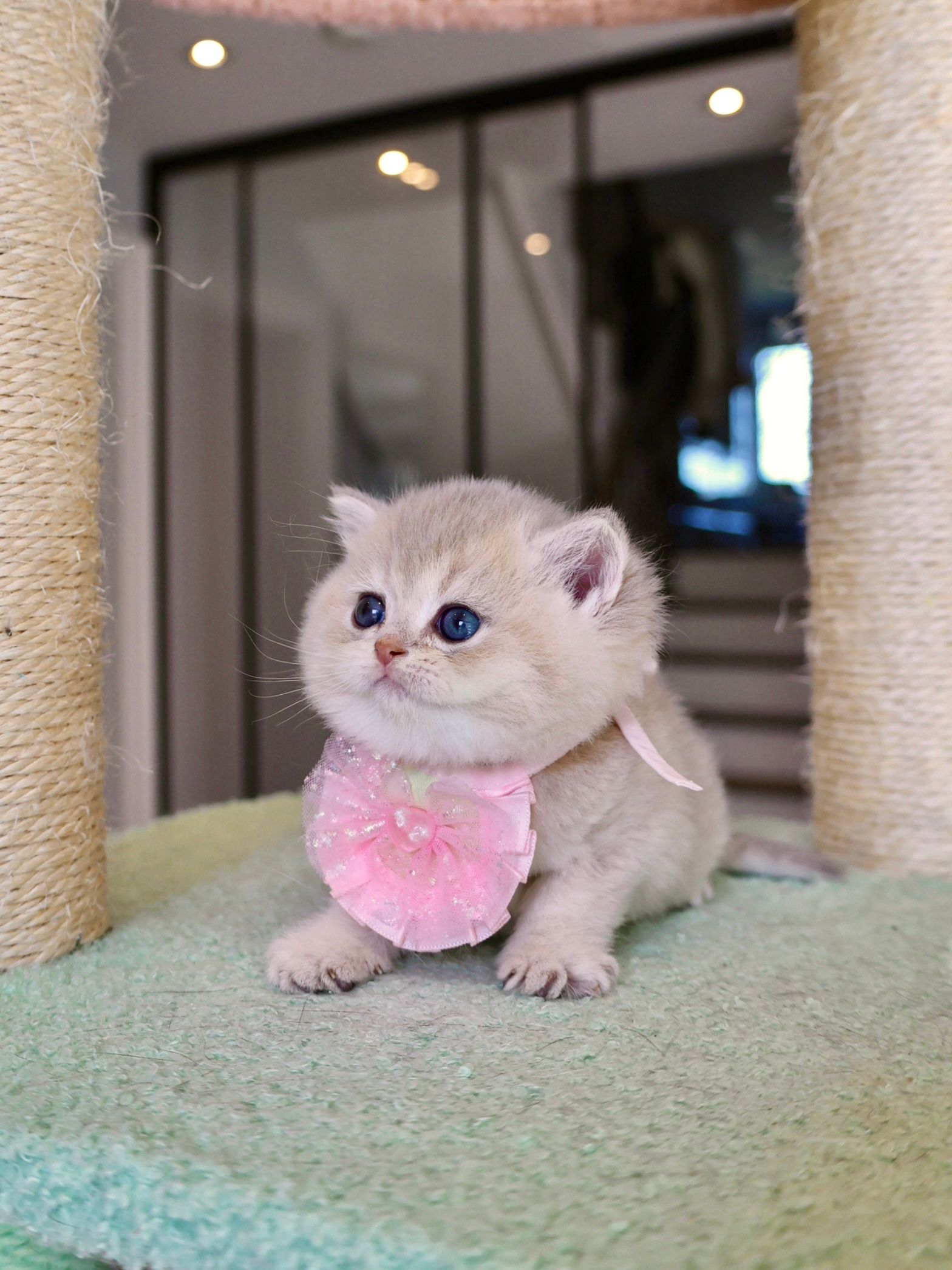
Ultimately, early socialization shapes a kitten’s entire personality; affection, adaptability, stress resilience, and trust are rooted in those first 2–12 weeks. That’s why it’s so important to choose a breeder that truly understands this critical period.
CatKing Cattery excels in exactly that: raising British Shorthair and Longhair kittens in a legally registered, TICA- and CFA-certified facility, with dedicated socialization built in. At our facility, every kitten gets daily social exposure, litter-box training, a lifetime genetic-disease warranty, and even post-adoption support.
Through ethical practices, health guarantees, and world-championship pedigree, we offer not just a kitten, but a lifelong, well-adjusted companion. If you’re looking to find a trusted British Shorthair cat breeder in Canada, contact us today to reserve your new furry friend.
2025-12-20